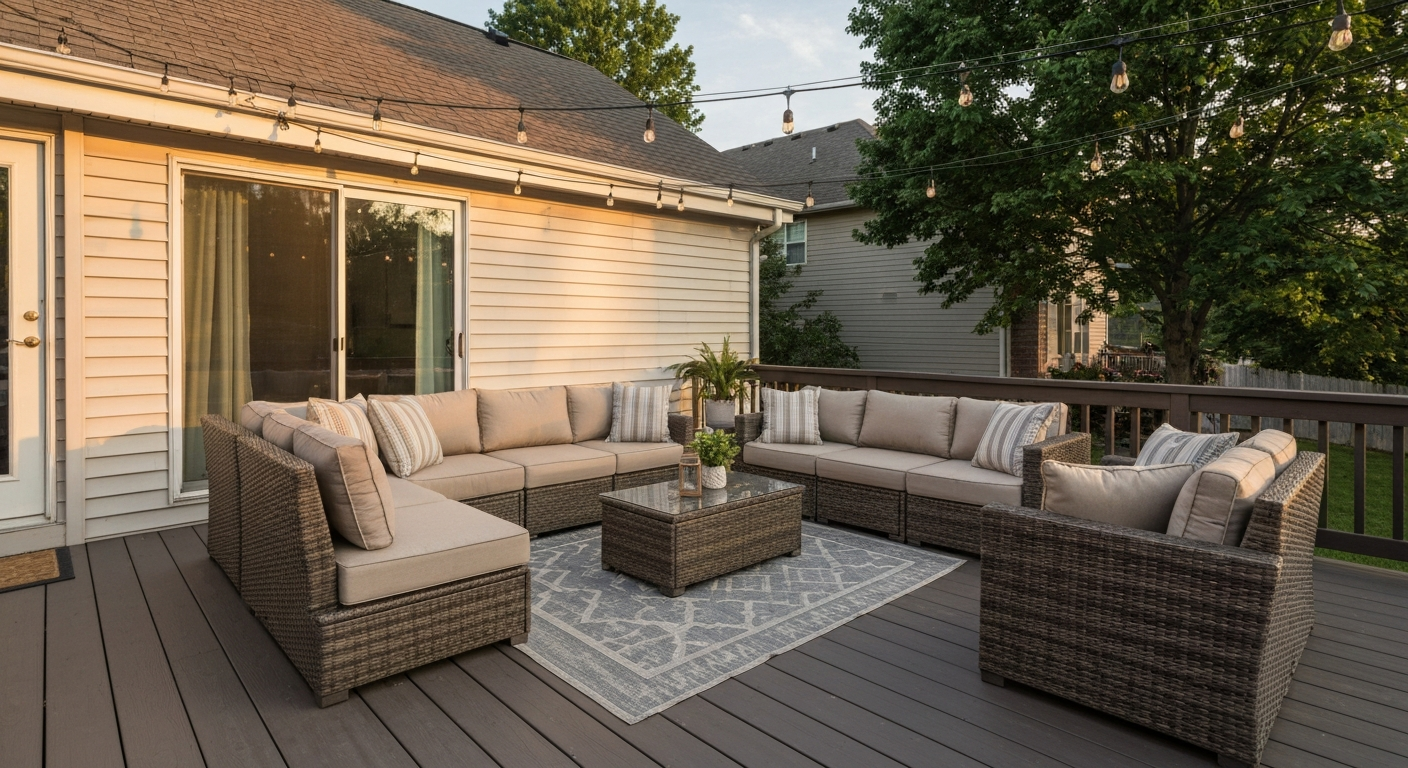
Agio patio furniture is genuinely worth buying for most mid-range shoppers, particularly if you're eyeing the Agio International line at Costco or a Heritage collection piece. You're looking at powder-coated aluminum and steel frames wrapped in all-weather resin wicker, Sunbrella-grade fabrics, and quick-dry foam cushions, real materials at a price point that undercuts West Elm and Pottery Barn by a meaningful margin. That said, it's not a set-it-and-forget-it purchase. The two-year frame warranty and one-year cushion coverage tell you exactly where Agio's confidence ends, so knowing what to inspect before buying and how to maintain it afterward is what separates a smart purchase from a regrettable one.
Agio Patio Furniture Review: International vs Heritage

Holly Dawson
13 May 2026
What Agio actually is, and which line you're shopping
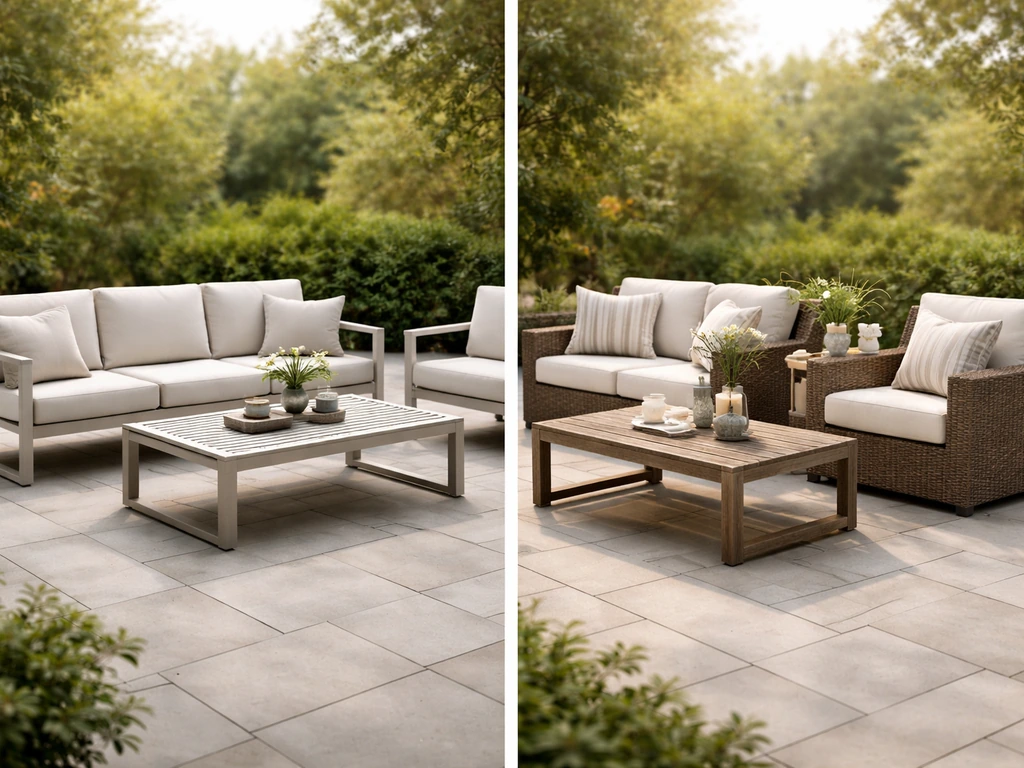
Agio was founded in 1994 with the idea that high-quality outdoor furniture shouldn't be reserved for luxury budgets. The brand operates under two main umbrellas that shoppers regularly research: Agio International and Agio Heritage. They're related but aimed at slightly different buyers, and conflating the two can lead to mismatched expectations.
Agio International is the retail-facing line you'll most often find at Costco, Sam's Club, and similar warehouse or big-box stores. This is the label attached to pieces like the popular 3-person woven patio swing, deep-seating sectionals, and dining sets that show up in seasonal floor displays. The International line prioritizes value and accessibility, solid construction at a price that doesn't require a second mortgage.
Agio Heritage, on the other hand, is positioned as the brand's affordable-access approach to 'exceptional outdoor furniture', their words. It's still value-focused, but Heritage leans into a slightly more refined aesthetic and tends to feature more traditional styling cues. Think ornate casting details, richer color palettes, and a look that mimics wrought iron without the weight or rust risk. If you're browsing through Agio Hospitality's commercial and residential catalog, Heritage is the line most prominently featured as a legacy collection.
For most residential shoppers comparing notes online, the distinction matters most when you're trying to find replacement parts, match existing pieces, or track down warranty support. Know which line you own before you call customer service, it makes that conversation significantly smoother.
Materials and build quality: what's actually holding your furniture together
Frames
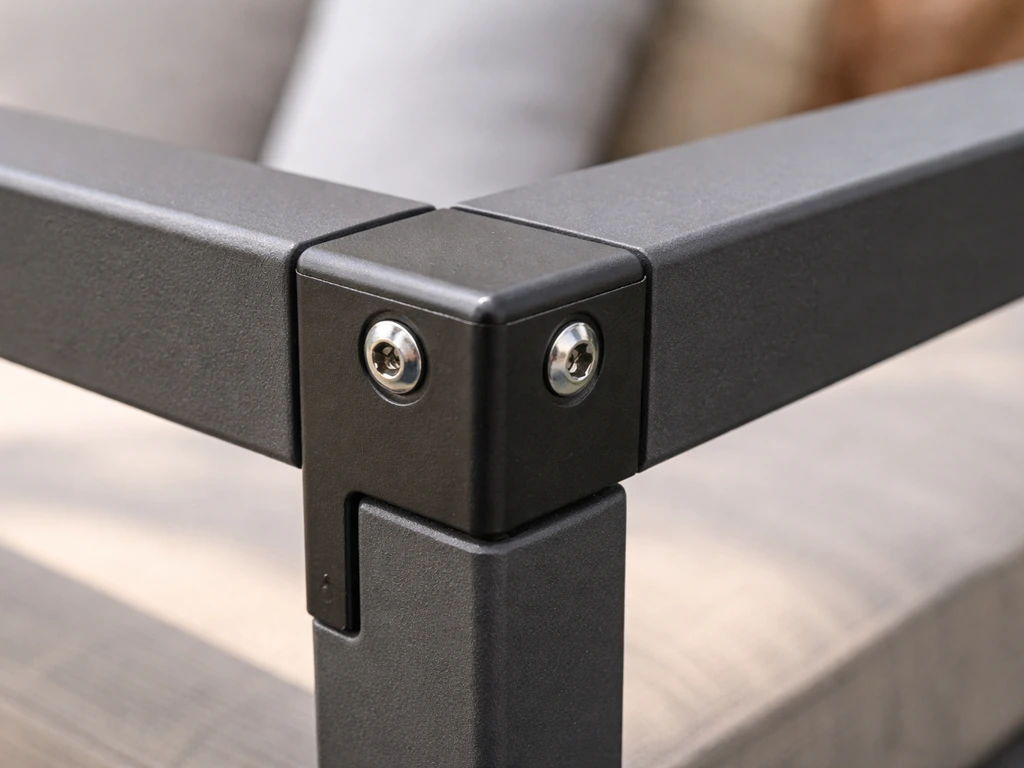
Agio International pieces typically use a combination of aluminum and steel framing, both finished with a powder-coated surface. Aluminum is the better material here, it's lightweight, genuinely rust-resistant, and handles coastal salt air well. Agio's own documentation specifically calls out aluminum's 'fade-resistant finish' as being engineered to stand up to sun, rain, and salt air, which is a meaningful claim if you're in a humid coastal environment. The steel components add rigidity and lower cost, but steel under a powder coat does carry more corrosion risk than aluminum, especially if the coating gets chipped. Check the frame material breakdown on any specific piece before buying, not all Agio products use the same ratio of aluminum to steel.
Wicker and weave
The wicker on Agio International pieces is resin-based, not natural rattan. That's the right call for outdoor furniture. Natural wicker absorbs moisture, warps, and breaks down fast when left outside year-round. All-weather resin wicker is UV-stabilized, wipes clean, and doesn't unravel in rain. The weave density on Agio pieces I've handled feels substantial, not the thin, loose weave you sometimes find on budget sets from Costway or Temu-adjacent brands where you can practically see through the back panels. That said, resin wicker can develop micro-cracks after several years of extreme UV exposure, particularly in desert climates or on south-facing patios with no shade coverage.
Cushions and fabrics
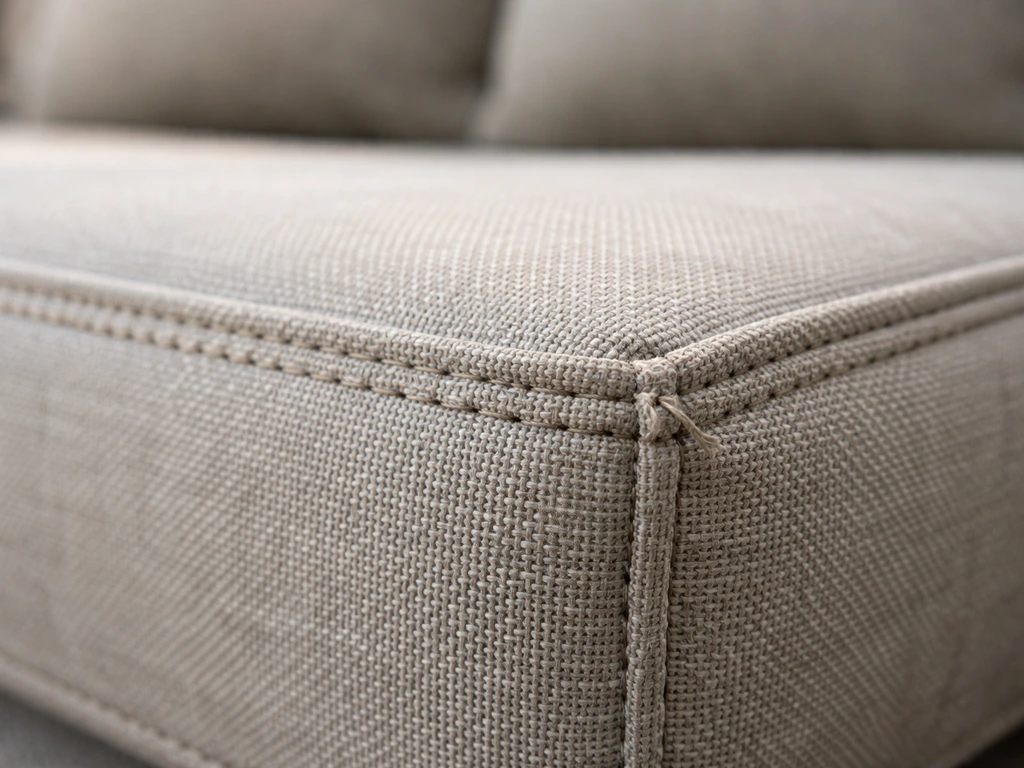
This is where Agio earns real credibility. The brand partners with Sunbrella and Phifertex for its fabric programs, both are industry-standard performance fabrics that genuinely resist fading, mildew, and UV degradation better than generic polyester alternatives. The cushion fills use quick-dry foam with antimicrobial treatment, which matters a lot in humid climates where standard foam turns into a mildew sponge within a season. Sunbrella in particular carries its own five-year fade warranty, so the fabric quality is independently verified, not just a marketing claim.
Hardware and finish details
Hardware quality is where mid-range brands like Agio often show their ceiling. Bolts, screws, and connectors on Agio pieces are functional but not premium. If you're assembling in a humid climate, apply a little anti-seize compound to threaded hardware during setup, this prevents galvanic corrosion between dissimilar metals and makes future disassembly far less frustrating. The powder-coat finishes are reasonably thick compared to budget-tier competitors, but any nicks or chips from shipping or assembly should be touched up immediately with matching spray paint to prevent rust from creeping under the coating.
How comfortable is it to actually sit in every day
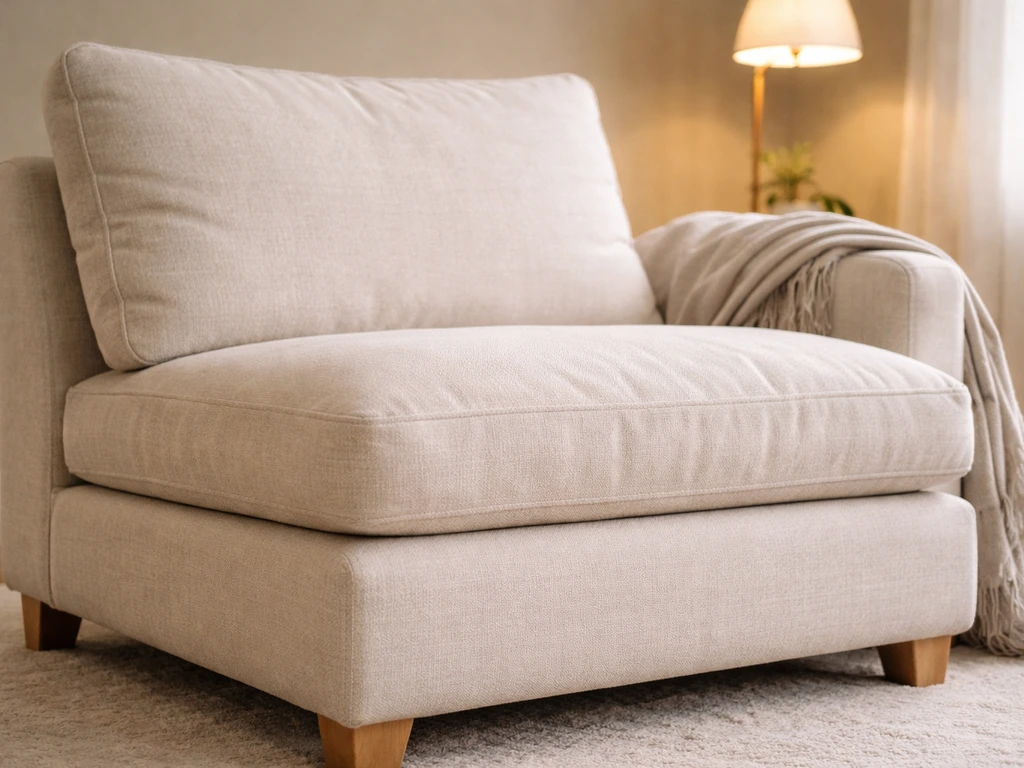
Agio deep-seating pieces use cushion depths that fall in the 4-to-5-inch range, which is genuinely comfortable for extended lounging. The seat heights on dining chairs and lounge chairs are reasonably ergonomic, not so low that getting up becomes a workout, not so high that shorter adults feel like their feet are dangling. The wicker-wrapped frames have a slight flex that adds comfort without feeling unstable, which is a nice tactile quality compared to rigid aluminum-only frames at the same price.
Sizing is worth double-checking before you order. Agio sectionals marketed as 'large' often run smaller than equivalent pieces from premium brands, a 4-piece sectional might work perfectly on a 12x16-foot patio but feel cramped in a configuration meant to anchor a larger space. Pull the dimension specs before you buy, measure your patio footprint including clearance for chairs to pull out and people to walk around, and compare the actual measurements rather than relying on set descriptions.
Setup is usually a one-to-two-person job for most sets and takes a few hours. Instructions are functional but not always intuitive. Assembly is typically tool-minimal (most connections use hand-tightened hardware or snap-fit components), but the wicker-wrapped frames can make finding connection points awkward. Read the instructions before you start rather than treating them as a last resort, that alone cuts assembly time significantly.
How it holds up in rain, heat, cold, and sun
Agio's outdoor performance story is genuinely strong for the price tier, with some real caveats. The powder-coated aluminum frames handle rain and humidity well. The brand explicitly notes that salt air resistance is a design target for their aluminum products, which gives coastal buyers real confidence. UV resistance on the frames is solid, powder-coat finishes generally don't fade noticeably for the first several seasons under normal sun exposure.
The warranty terms are revealing here. Agio's frame warranty specifically excludes damage from 'exposure to water or sub-freezing temperatures.' That's a meaningful exclusion in climates with hard winters. If you leave Agio furniture outside uncovered through a Michigan or Minnesota winter, freeze-thaw cycles, standing ice, heavy snow load, you're outside warranty coverage and you're likely to see frame damage or weld failures within a few seasons. In those climates, furniture covers or garage storage over winter aren't optional; they're the cost of keeping the product functional long-term.
Fabric fading is the other honest gap. Despite using Sunbrella-grade fabric, Agio's warranty explicitly excludes 'fading or discoloration from exposure to the elements.' Sunbrella itself has excellent UV resistance compared to standard polyester, so noticeable fading within a season or two typically points to improper care (no cleaning, no UV protectant spray) rather than a material defect. In consistently high-UV environments like Arizona, New Mexico, or high-altitude patios, expect to apply a fabric UV protectant spray each spring and bring cushions inside or use a cover during peak summer months.
Value for money: where Agio sits in the market
Agio occupies a real sweet spot in the mid-range tier, above the disposable budget sets from Costway or Temu-adjacent brands, but well below the pricing of Frontgate, Pottery Barn, or West Elm outdoor collections. That positioning is worth understanding concretely.
| Brand Tier | Example Brands | Typical 5-Piece Set Price | Frame Material | Cushion Fabric | Expected Lifespan (with care) |
|---|---|---|---|---|---|
| Budget | Costway, Temu-adjacent | $200–$500 | Steel (often thin-walled) | Generic polyester | 2–4 years |
| Mid-Range | Agio International, Agio Heritage | $600–$1,800 | Aluminum + steel, powder-coated | Sunbrella / Phifertex | 6–10 years |
| Upper-Mid | Amazonia, Akoya | $900–$2,500 | FSC hardwood or cast aluminum | Performance fabric | 7–12 years |
| Premium | Frontgate, Pottery Barn, West Elm | $2,000–$6,000+ | Cast aluminum, teak, wrought iron | Premium performance fabric | 10–20 years |
At $800 to $1,500 for a complete deep-seating set at Costco or Sam's, Agio International delivers materials and comfort that would cost two to three times as much under a designer label. The trade-off is that premium brands like Frontgate or Pottery Barn offer tighter manufacturing tolerances, thicker cast components, and often superior long-term support for replacement parts. If you're furnishing a rental property, a patio you'll upgrade in five to seven years, or a household that's hard on outdoor furniture, Agio's value equation is strong. If you're making a 15-year investment in a forever home's outdoor living space and the budget allows, stepping up to a premium brand may be worth it.
For shoppers also comparing other mid-range lines like Amazonia (which emphasizes sustainably sourced hardwoods) or Akoya, the key differentiator is material type rather than quality tier, teak and eucalyptus wood sets age differently than resin wicker and powder-coated metal, and the right choice depends heavily on your climate and maintenance tolerance. If you're also looking at Akoya patio furniture reviews, pay close attention to the materials and the warranty terms, because those factors drive how well any set holds up over time. If you're also looking at Amazonia patio furniture reviews, pay special attention to how its wood materials perform in your specific climate and how replacement parts and warranty support compare.
Maintenance, cleaning, and keeping replacement costs low
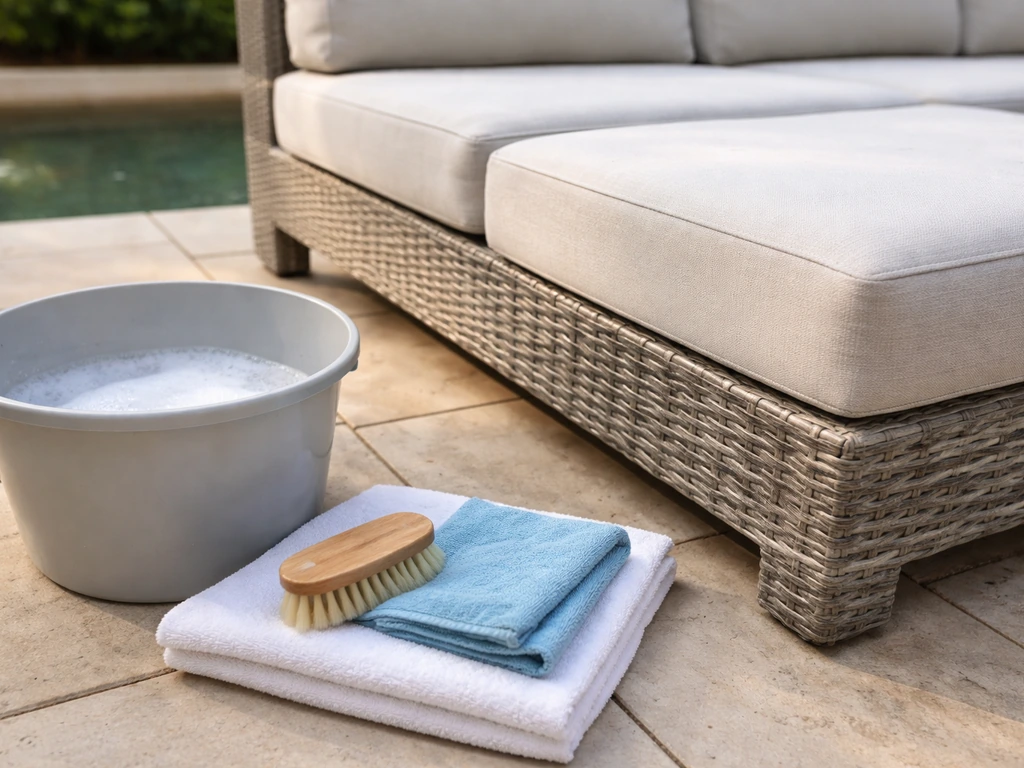
Agio furniture is relatively low-maintenance compared to natural wood alternatives, but 'low maintenance' doesn't mean 'no maintenance.' Here's what a realistic annual care routine looks like:
- Spring: Wash frames with mild soap and water, rinse thoroughly, inspect the powder coat for chips or scratches, and touch up with matching spray paint immediately.
- Spring: Apply a UV-protectant spray to cushion fabrics to slow fading, especially in high-sun climates.
- Monthly or after heavy use: Wipe down resin wicker with a damp cloth; use a soft brush to clear debris from weave gaps where moisture collects.
- After rain: Stand cushions on edge or flip them so they dry fully — Agio's quick-dry foam handles moisture well but prolonged saturation still causes issues over time.
- Fall (cold climates): Store cushions indoors, use fitted furniture covers for frames, or move pieces to a garage. Sub-freezing exposure is explicitly not covered by Agio's warranty.
- As needed: Check and re-tighten hardware annually — vibration and seasonal temperature cycling can loosen connections over time.
Replacement cushions are available through Agio, though availability varies by collection age and retail channel. If you bought through Costco, contacting Agio directly via their website is the most reliable path to replacement parts, Costco typically doesn't stock replacement components once a seasonal item sells out. Cushion replacement costs generally run $50 to $150 per piece depending on size, which is worth factoring into your long-term cost math.
If you are also shopping for an outdoor water lifestyle, you may want to compare aqua patio pontoon boat reviews before buying your next pontoon setup. Buying a spare set of cushion covers when you first purchase the furniture (if available) is a genuinely good idea. If you're specifically hunting for Godfrey Aqua patio reviews, look for the same details this guide emphasizes: frame material, cushion fabric performance, and warranty coverage before you buy.
Best picks and buying checklist
Who Agio International is best for
- Shoppers with a $700–$1,800 budget who want real performance fabrics and powder-coated metal without paying luxury-brand prices
- Patio owners in mild-to-moderate climates (Southeast, Southwest, Pacific Coast) who leave furniture outside most of the year
- Buyers who want the convenience of Costco or Sam's purchasing with easy returns if something arrives damaged
- Households that plan to refresh or upgrade outdoor furniture in 7–10 years rather than buying once for 20 years
Who should look elsewhere
- Buyers in harsh freeze-thaw climates who cannot store furniture seasonally — warranty gaps around sub-freezing exposure are real
- Shoppers wanting a 15-plus-year investment piece for a permanent outdoor living room — step up to Frontgate, Restoration Hardware, or a comparable premium tier
- Anyone needing very large-format sectionals or specialty custom configurations — Agio's sizing runs mid-scale and customization options are limited compared to premium brands
Pre-purchase checklist
- Confirm whether the frame is aluminum, steel, or a combination — aluminum is better for coastal and humid environments.
- Check that cushion fabric is labeled Sunbrella or Phifertex, not generic polyester — this matters for fading and mildew resistance.
- Pull the actual piece dimensions and measure your patio before ordering, including walkway clearance.
- Read the warranty terms for your specific product: 2 years on frames, 1 year on cushion seams, and note what's excluded.
- Check current stock for replacement cushions before buying — if they're already unavailable in your colorway, plan accordingly.
- Inspect delivery packaging on arrival before signing off — document any shipping damage with photos immediately.
Red flags to watch for
- Listings that don't specify aluminum vs. steel — if a retailer can't tell you the frame material, walk away or contact Agio directly before buying.
- Cushion fabric described only as 'outdoor fabric' or 'weather-resistant' without naming the specific brand or spec — that's almost always generic polyester.
- Sets priced significantly below the typical Agio range at unfamiliar resellers — counterfeit or grey-market Agio-branded pieces do appear online.
- Any piece with visible gaps or unevenness in the resin wicker weave at the time of delivery — resin wicker issues don't fix themselves and typically worsen.
- Powder-coat finish that looks thin, uneven, or has visible bare metal spots in product photos — a compromised finish means corrosion will start at those points first.
FAQ
How do I tell whether my Agio set is from the International or Heritage line before ordering replacement parts?
Check the product name or SKU on the underside label (if present) or in your original receipt, then match that exact wording to the line shown in the listing or warranty paperwork. If you only remember the retailer display name, take a photo of the frame label and any fabric tag, because International and Heritage often use different cushion sizes and hardware kits even when the silhouettes look similar.
Do I need to treat Agio’s powder-coated frame to prevent rust?
Usually no, but you should protect damage points. If you see chips from shipping or fasteners that have exposed metal, touch them up immediately with matching spray paint and inspect after the first heavy rain. For threaded connections, a light anti-seize on assembly threads helps prevent corrosion, especially where dissimilar metals meet in humid areas.
Can I leave Agio resin wicker outdoors year-round?
It can handle rain and humidity, but year-round exposure in high-UV conditions can shorten its lifespan. In desert or very sunny south-facing patios, plan on using covers during peak summer and inspect the weave for micro-cracks after a few seasons, especially at stress points around joints and corners.
What’s the best way to clean Sunbrella-grade fabric without voiding expected performance?
Use a mild upholstery or marine fabric cleaner and rinse thoroughly, avoid harsh bleach or solvent products, and let cushions dry completely before storing. The goal is to remove sunscreen and body oils that can trap dirt and accelerate discoloration, since fading and discoloration are often care-related rather than a fabric defect.
Why does the warranty exclude fading, and how can I still reduce the chance of color changes?
Because sun and weather exposure can alter color even with strong performance fabric, the coverage focuses on structural issues and defects. To reduce fading, use a UV fabric protectant spray each spring in very sunny climates, keep cushions covered when not in use, and avoid letting wet cushions sit in direct sun for long periods.
Is the two-year frame warranty enough for northern winters, or should I do more?
You should plan for winter protection, because the frame warranty excludes damage tied to exposure to water or sub-freezing temperatures. In freeze-thaw regions, use covers that actually shed moisture, store furniture in a garage or covered area when possible, and avoid leaving cushions and frames trapped under tarps that can hold ice and water.
How can I prevent mildew on quick-dry foam cushions if they get wet?
Dry fast and store dry. When cushions get wet, remove them if possible, rinse off mud, blot excess water, and allow them to fully air-dry before stacking or covering. Antimicrobial treatment helps slow mildew, but it does not replace proper drying and ventilation, especially in humid summers.
Do I need special hardware or tools for assembly, and what’s the biggest assembly mistake?
Most connections are tool-minimal, but the common mistake is rushing the first alignment and losing track of which connection points mate under the wicker wrap. Read the instructions before starting, loosely fit parts first, then tighten in sequence once you confirm alignment, so you do not stress joints and cause premature looseness.
Are Agio sectionals sized the same as premium brands labeled as 'large'?
Not always. The article notes that 'large' can run smaller, so you should compare published dimensions and measure your space including walking clearance and how far chairs need to pull out. A practical approach is to mock the layout with tape on the patio floor using the exact sectional footprint and cushion overhang.
What should I check when buying from Costco or Sam’s Club versus ordering replacement parts later?
Confirm the exact model name and note the line (International or Heritage), then save the receipt and any fabric label photos. Warehouse retailers may discontinue seasonal sets, so replacement cushions and hardware can be harder to source once the item sells through, making early documentation useful.
If I can’t find replacement cushions later, what’s the safest approach to plan upfront?
When cushion covers are available at purchase, buy a spare set and keep them stored in a dry, breathable area. Also note the cushion thickness and dimensions for your specific configuration, because matching by appearance alone can fail when you switch lines or when manufacturers update sizes over time.
Do aluminum and steel mixes matter for coastal buyers, and where should I be extra vigilant?
Yes. Aluminum is more rust-resistant in salt air, while steel under powder coat has more corrosion risk if the coating chips. After storms, check seams and underside edges where impact is more likely, and address any exposed metal quickly with touch-up paint to prevent rust from creeping under the coating.
Next Article
Top Home Space Patio Furniture Reviews: Best Picks & Buying Guide
Top Home Space patio furniture reviews: top picks, brand comparisons, ratings, buying checklist & care tips.