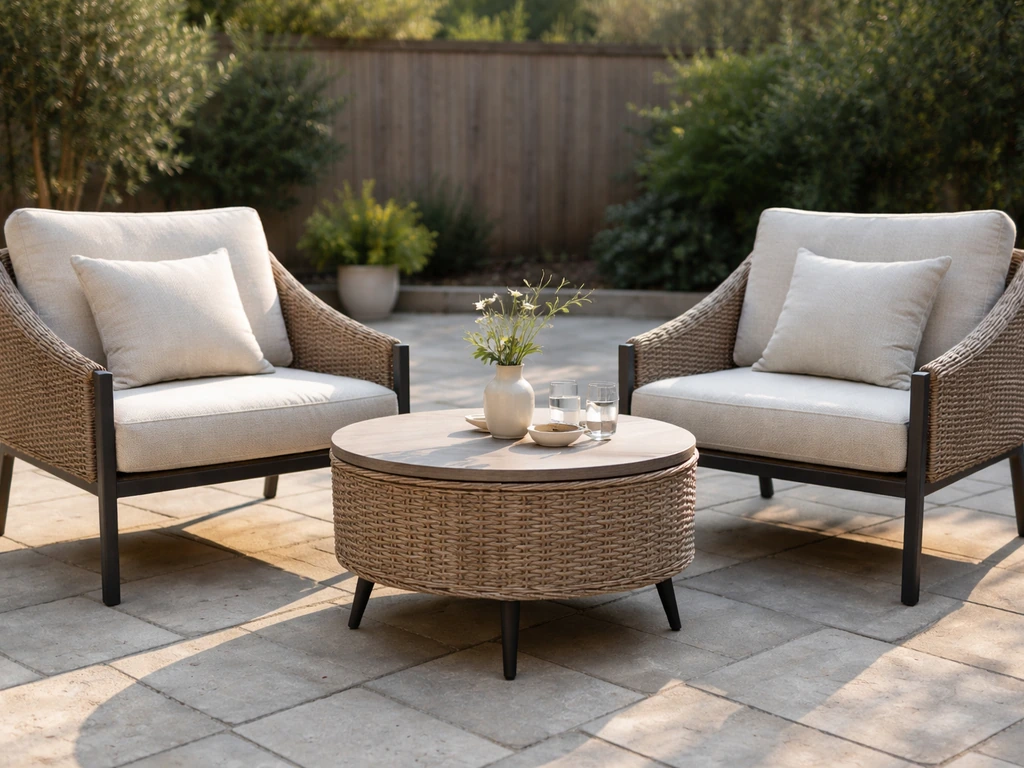
Ohana patio furniture is genuinely worth buying for most mid-range outdoor shoppers. The powder-coated aluminum frames hold up well over years of real outdoor use, the resin wicker doesn't rot or splinter, and the cushion upgrade to Sunbrella fabric makes the whole package competitive with brands charging significantly more. The 3-year frame warranty and the fact that you can buy replacement cushions to refresh an aging set (one customer wrote about their set still going strong after 9 years) tells you something real about how these pieces are built. That said, Ohana isn't perfect, and there are a few specific things to check before you order.
Ohana Patio Furniture Review: Materials, Comfort, Durability

Holly Dawson
11 May 2026
Quick Verdict: Is Ohana Patio Furniture Worth It?
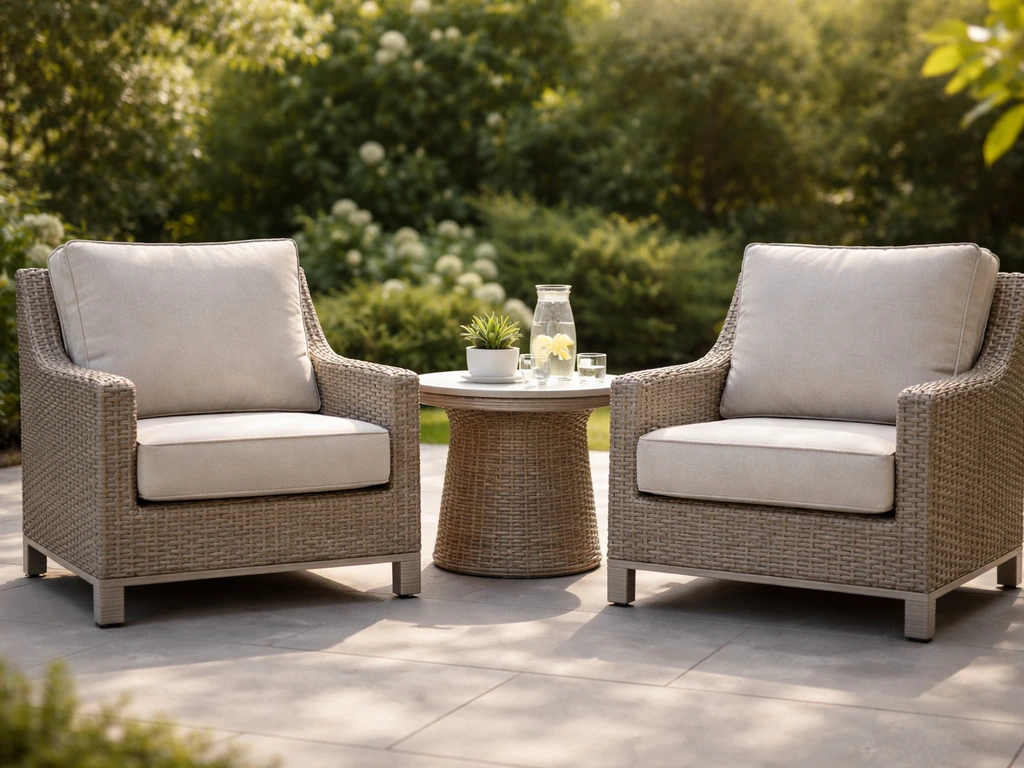
For anyone looking at the $1,000 to $2,000 range for a full outdoor seating or dining set, Ohana hits a sweet spot that most competitors at this price miss. A 7-piece wicker seating set runs around $1,725 on Home Depot, and with Sunbrella cushions included, you're getting fabric that costs $30 to $50 per yard at retail on its own. The brand carries a 4.
9-star rating across more than 1,300 reviews on their own platform, and Home Depot listings for individual sets show ratings typically in the 4. 6 to 5. 0 range. That's consistently strong.
The aluminum frame warranty runs 3 years from purchase, and cushions and wicker are covered for 1 year. Where Ohana earns real trust is in repairability: the cushion covers unzip, the foam inserts come out, everything is washable, and replacement cushions are available if the frame outlives your original fabric. If you want a set you'll keep for a decade rather than replace in three years, Ohana is a serious contender.
What to Look for in Ohana Sets
Frame Construction
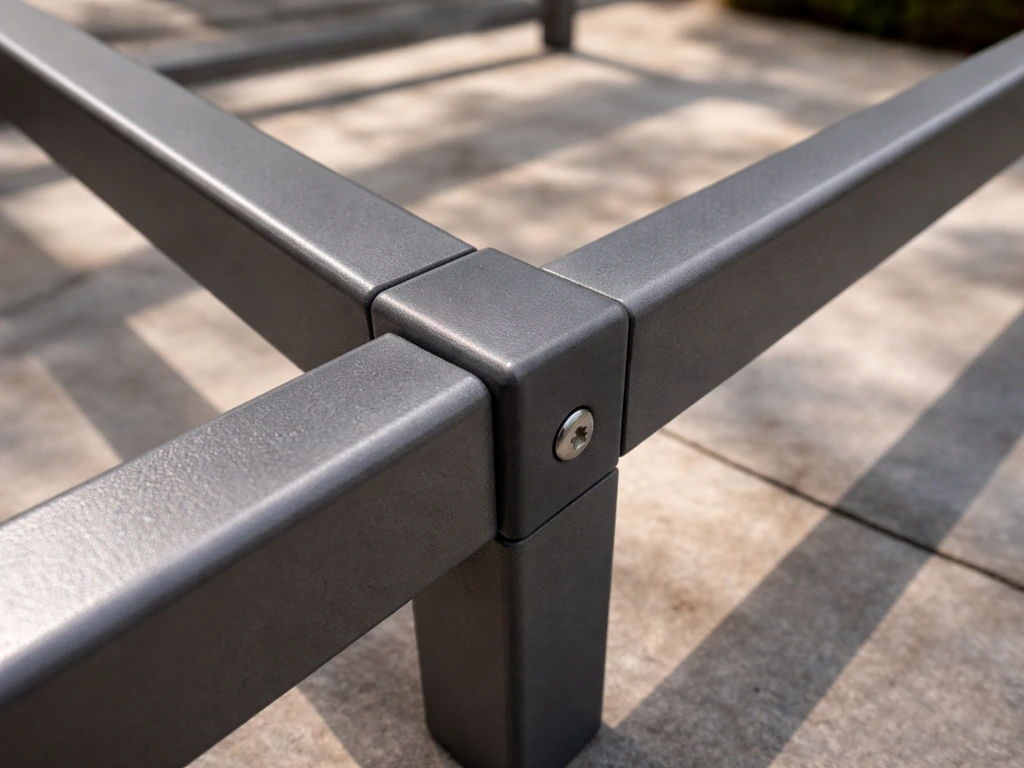
Every Ohana set is built on a powder-coated aluminum frame, which is exactly what you want for outdoor furniture. Aluminum doesn't rust, it doesn't corrode the way steel does, and it's light enough to rearrange without wrecking your back. The powder coating adds a layer of UV and scratch resistance. When you're shopping, check that the listing explicitly says "powder-coated aluminum" rather than just "metal" or "alloy." Ohana sells across Home Depot under both "Aluminum" and "Solid" categories, so read the product details rather than relying on the category label.
Wicker and Weave
The wicker on Ohana sets is handwoven resin rattan, not natural rattan. This matters a lot. Natural rattan dries out, cracks, and eventually falls apart when left outdoors. Resin wicker is UV-resistant, water-resistant, and won't unravel in a rainstorm. The handwoven construction gives it a more premium look than the machine-stamped plastic weave you'll see on lower-priced sets, but check the weave tightness in product photos. Loose or uneven weaving is a sign of a lower-grade piece and can be an entry point for long-term unraveling.
Cushions: Choosing the Right Fabric
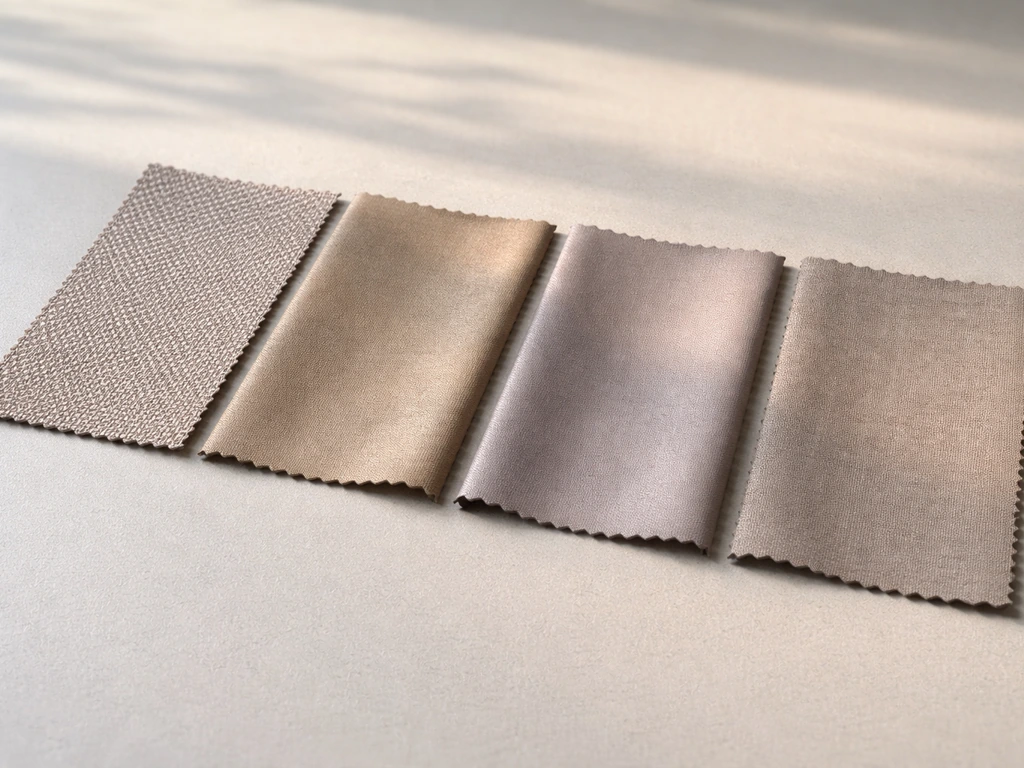
This is the most important buying decision you'll make with Ohana. The brand offers four cushion fabric options: Sunbrella, Sunbrella Rain, Supercrylic, and Olefin. Sunbrella is the gold standard for outdoor fabric and is genuinely worth the upcharge. It's [solution-dyed](https://www.
sunbrella. com/blog/how-to-choose-the-right-outdoor-furniture-upholstery-fabric), which means the color goes all the way through the fiber rather than sitting on top, so it resists fading significantly better than Olefin or Supercrylic over multiple seasons. Sunbrella Rain takes it further with a construction that lets water pass through and exit the cushion quickly rather than pooling. If you live somewhere that gets real summer storms, the Rainshield collection with quick-dry foam and Sunbrella Rain fabric is the configuration to look at.
Ohana’s Rainshield sets page lists Rainshield cushion configurations for Ohana patio furniture, including Rainshield-themed product collections Rainshield collection with quick-dry foam and Sunbrella Rain fabric.
Customer reviews on Ohana's own site repeatedly mention the Sunbrella upgrade as "well worth the small up-charge," and that tracks with how the fabric actually performs year over year.
How Ohana Holds Up in Real Outdoor Conditions
The aluminum frame genuinely handles UV, rain, heat cycling, and cold without issue. Powder coating can chip at contact points over years of heavy use, but this is a cosmetic issue on aluminum rather than a structural one since the metal underneath won't rust. The resin wicker is UV-stabilized and holds color and flexibility better than you'd expect at this price.
A r/ComfyChair discussion also emphasizes that resin or synthetic wicker behaves differently from cheap plastic and highlights UV resistance as a key durability factor, including mention of HDPE resin wicker resin or synthetic wicker behaves differently from cheap plastic and emphasizes UV resistance. Where Ohana furniture has the most to prove is in humid climates where moisture gets into cushion foam and sits there.
The standard cushions are water-repellent but not waterproof, and Ohana's own care instructions recommend covering the furniture or bringing cushions in during heavy rain. If you don't do that consistently, you'll be fighting mildew inside the foam well before the frame shows any wear. The Rainshield cushions solve most of this by using quick-dry foam designed to shed water faster, but even those benefit from good air circulation after soaking rain.
For sun exposure specifically, sets with Sunbrella cushions hold color noticeably longer than those with budget fabrics. If you're in a high-UV climate like the Southwest or Florida, this matters more than it might seem after two or three seasons. The frame finish on darker colorways (black being the most popular) can get extremely hot to the touch in direct sun, which is worth knowing if you have kids or pets.
Ohana vs Other Brands: How the Value Stacks Up
The honest comparison comes down to three tiers. At the budget end, brands like Costway and pieces from Temu use thinner gauge aluminum or steel frames with cheaper wicker and non-removable cushion covers. You can furnish a patio for $300 to $600, but you're likely replacing the whole thing in two to three years. At the premium end, West Elm, Pottery Barn, and Frontgate offer beautiful aesthetics and sometimes more sophisticated modular configurations, but 7-piece sets routinely run $3,000 to $6,000 and up. Ohana sits in the middle and, critically, competes on durability rather than just price.
| Brand Tier | Example Brands | Typical 7-Piece Set Price | Frame Warranty | Cushion Fabric Options | Repairability |
|---|---|---|---|---|---|
| Budget | Costway, Temu | $300 to $600 | 1 year or none | Basic polyester | Low (non-removable covers common) |
| Mid-Range | Ohana Depot | $1,200 to $1,800 | 3 years | Sunbrella, Sunbrella Rain, Olefin, Supercrylic | High (removable, washable, replaceable) |
| Premium | West Elm, Pottery Barn, Frontgate | $3,000 to $6,000+ | 1 to 5 years | Sunbrella and proprietary fabrics | High, but parts more expensive |
Ohana's edge over budget brands isn't just about materials. It's about cost over time. Replacing a $400 Costway set every two years costs more over a decade than buying an Ohana set once and refreshing the cushions at year five. Compared to premium brands, Ohana gives up some design cachet and may not have the same showroom feel out of the box, but the functional performance gap is much smaller than the price gap suggests.
Brands like Ovios and Joyside occupy a similar mid-range niche and are worth comparing directly if you're deciding between two or three sets at this tier. If you're also comparing other mid-range options, reading Joyside patio furniture reviews can help you judge how their value stacks up against Ohana over time. If you're comparing options, an Ovios patio furniture review can help you judge whether Ovios' materials and comfort are a better fit for your patio.
What Customers Commonly Complain About
Reading through the Home Depot review pages for Ohana sets, a few complaint themes repeat often enough to take seriously. Assembly instructions are the most consistent friction point: reviewers mention confusing diagrams and hardware that requires two people to manage. This isn't a dealbreaker, but budget a full afternoon and have a second person available. Delivery damage is the second most common issue. Ohana actually provides an inspection instruction document specifically because damage in transit happens, and the guidance is to document everything before the delivery driver leaves. Do this without exception.
Cushion care is the third area where buyers get frustrated, usually because they didn't follow the care guidelines. The covers are water-repellent but not meant to be submerged or left soaking. Foam inserts need to be squeezed out and air-dried (standing on their side, not flat on the ground) before going back into the covers. Skipping this step leads to mildew inside the foam that no amount of cover washing will fix.
A smaller but consistent complaint is about the accent metal hardware finish fading or discoloring before the frame itself shows wear. The frame warranty covers structural framing for 3 years, but the accent finish on metal components is only covered for 1 year, so this is a known limitation rather than a defect.
Pre-Buy Checklist

- Confirm the listing says "powder-coated aluminum frame" (not just "metal")
- Check which cushion fabric is included: Sunbrella or Sunbrella Rain for highest UV and moisture resistance
- Verify cushion covers are removable and machine washable
- Note the set dimensions and compare to your actual patio footprint with clearance space included
- Read the warranty terms: 3 years on frame, 1 year on cushions/wicker/accent finishes
- Check if replacement cushions are available to order separately (they are for most Ohana sets)
- Inspect the delivery packaging for damage before signing and photograph everything
Choosing the Right Ohana Pieces for Your Patio
Ohana's catalog runs from 2-piece conversation sets to large modular sectionals and dining sets. Matching the right configuration to your space matters more than most buyers realize, because oversized furniture on a small patio doesn't just look cramped, it makes the whole space feel unusable.
- Small patio or balcony (under 100 sq ft): Look at 2-piece or 3-piece conversation sets. You need at least 18 to 24 inches of clearance on all walkable sides of the furniture, so measure the usable area before choosing a set size.
- Medium patio (100 to 250 sq ft): A 4-piece or 5-piece sectional or a compact dining set fits well here. The 7-piece dining set measures out to roughly 96 inches across in most configurations, so confirm you have that width plus walking room.
- Large patio or deck (250 sq ft and up): This is where a full 7-piece sectional or a modular configuration earns its space. Ohana's modular sets let you reconfigure corner pieces and armless chairs, which is a real advantage if your patio has an irregular shape.
- Pool or entertaining areas: The Rainshield collection is the right call here since cushions will regularly get splashed. Quick-dry foam and Sunbrella Rain fabric means less downtime managing wet cushions.
- Dining-focused patios: The 7-piece dining set with a central table works well for households that eat outdoors regularly. Confirm chair seat height matches your preferred table height (most Ohana dining chairs sit at standard 18-inch seat height).
Keeping Your Ohana Furniture in Good Shape Long-Term
Routine Cleaning
For the frame and wicker, a mild soap solution and a soft brush handles most dirt and pollen buildup. Rinse thoroughly and let it dry before putting cushions back. For cushion covers, unzip and remove the foam inserts, then machine wash covers in cold water with a non-bleach detergent. Do not put covers in the dryer. Air dry them flat or hang them. For the foam inserts themselves, squeeze out any water manually and stand them on their side against a wall to air dry completely before reassembling. This is non-negotiable if you want to avoid mildew.
Rust Prevention and Frame Care
Aluminum frames don't rust, but if the powder coating gets chipped or scratched, the exposed metal can oxidize over time, especially in coastal environments with salt air. Touch up chips with a matching powder-coat spray paint as soon as you notice them. Pay attention to the hardware at joints and connection points, where dissimilar metals can sometimes cause galvanic corrosion. A quick inspection each spring, tightening any loose bolts and touching up finish damage, extends the frame well beyond its warranty period.
Seasonal Storage and Covers
Ohana's own care instructions recommend covering the furniture or storing it during inclement weather. A fitted outdoor furniture cover is the single best investment you can make to extend the life of your cushions and protect the wicker from prolonged UV exposure during winter months when the furniture isn't in use. If you're in a region with hard freezes, bring the cushions inside entirely for winter storage. The resin wicker and aluminum frame can stay outside, but foam that freezes and thaws repeatedly breaks down faster than foam stored indoors. For the Rainshield collection, the cushions are built for more aggressive weather exposure, but covering them during extended off-season periods still adds years of life.
FAQ
Is Ohana patio furniture a good choice for coastal areas with salt air?
It can be, since the frame is aluminum with powder coating and the wicker is resin-based, but you should plan for more frequent inspections and touch-ups. Chip damage at connection points can expose metal to oxidation, so check joints after wind-driven spray and apply a matching touch-up quickly (especially around hardware and where cushions trap moisture).
How should I handle cushions if my area gets heavy rain but I cannot bring them inside every time?
Prioritize the Rainshield cushion configuration, but also treat water management as part of the routine. After storms, remove foam inserts if they soaked through, squeeze out excess water, then air-dry standing them on their side against a wall before reassembly. If you leave wet foam in covers, mildew can start inside even if the cover fabric looks clean.
What should I look for in the product listing to avoid buying the wrong cushion fabric?
Make sure the page explicitly names the cushion fabric option (Sunbrella, Sunbrella Rain, Supercrylic, or Olefin), not just “outdoor fabric.” If the listing uses only generic terms like “cushion fabric” or “weather-resistant,” confirm with customer support or the full spec sheet so you are not accidentally comparing standard cushions to the Rainshield upgrade.
Are the cushion covers machine washable, and can I dry them?
The covers unzip and are machine washable in cold water with non-bleach detergent, but you should not tumble dry. Air-dry flat or hang them fully, then only reinsert foam once it is completely dry, since drying partially can trap moisture and lead to odor or mildew.
Does the 3-year frame warranty cover rust or structural failure?
The 3-year coverage is for structural framing, not every type of cosmetic wear. Powder coating chips and finish fade on accent hardware are typically treated separately, so keep up with touch-ups and spring tightening to reduce the chances of claims being denied due to non-structural damage.
Is assembly actually difficult, and what can I do to make it easier?
Assembly is usually manageable, but reviewers commonly struggle with confusing diagrams and hardware that takes two people to position. Set aside a full afternoon, lay out parts by step before starting, and take a photo of the hardware orientation before tightening fully so you can backtrack if something looks misaligned.
How do I prevent delivery damage issues from causing long-term problems?
Do a detailed inspection at delivery, document everything before the driver leaves, and check for frame alignment issues and loose joints, not just cosmetic dents. If a component is bent, tightening later can worsen stress on aluminum and wicker mounting points, so request replacement parts rather than forcing fit.
Will black (or darker) frames stay cool enough for kids and pets?
Dark powder-coated finishes can get extremely hot in direct sun, so treat them as a contact-burn risk. If kids or pets frequently sit directly on frames or armrests, consider adding outdoor cushions everywhere they touch, or choose a lighter colorway for high-UV locations.
How often should I inspect and maintain the furniture after purchase?
Plan on a quick spring check and a mid-summer look for cushion moisture and loose hardware. In spring, tighten any bolts at joints and re-touch chips promptly, because salt exposure and repeated wetting can accelerate oxidation at small exposed areas.
Can I leave the furniture outside during winter?
You can typically leave the aluminum frame and resin wicker outside, but cushions should be managed based on your local freezes. In hard-freeze areas, store cushions indoors fully, since freezing and thawing breaks down foam faster than storing it dry. For milder climates, use fitted outdoor covers during the off-season to reduce UV exposure and moisture cycling.
Is it worth buying replacement cushions instead of replacing the whole set?
Often, yes, especially if the frame and wicker are still solid. Replacement cushions let you keep the same structure and only refresh the fabric, which is usually the most cost-effective path when Sunbrella cushions have aged or when you want to upgrade from standard to Rainshield for your climate.
How do I choose the right size configuration for my patio?
Measure your space, then account for walking paths, door clearance, and how much room you need when chairs are pulled out (especially for dining sets). If furniture feels crowded after a layout mockup, it often becomes unusable over time, so choose a configuration that leaves at least a comfortable perimeter for movement rather than relying on “it will fit” assumptions.
Next Article
Ovios Patio Furniture Review: What to Buy and Avoid
Unbiased Ovios patio furniture review with what to buy, avoid, and checklist on durability, comfort, assembly, and value