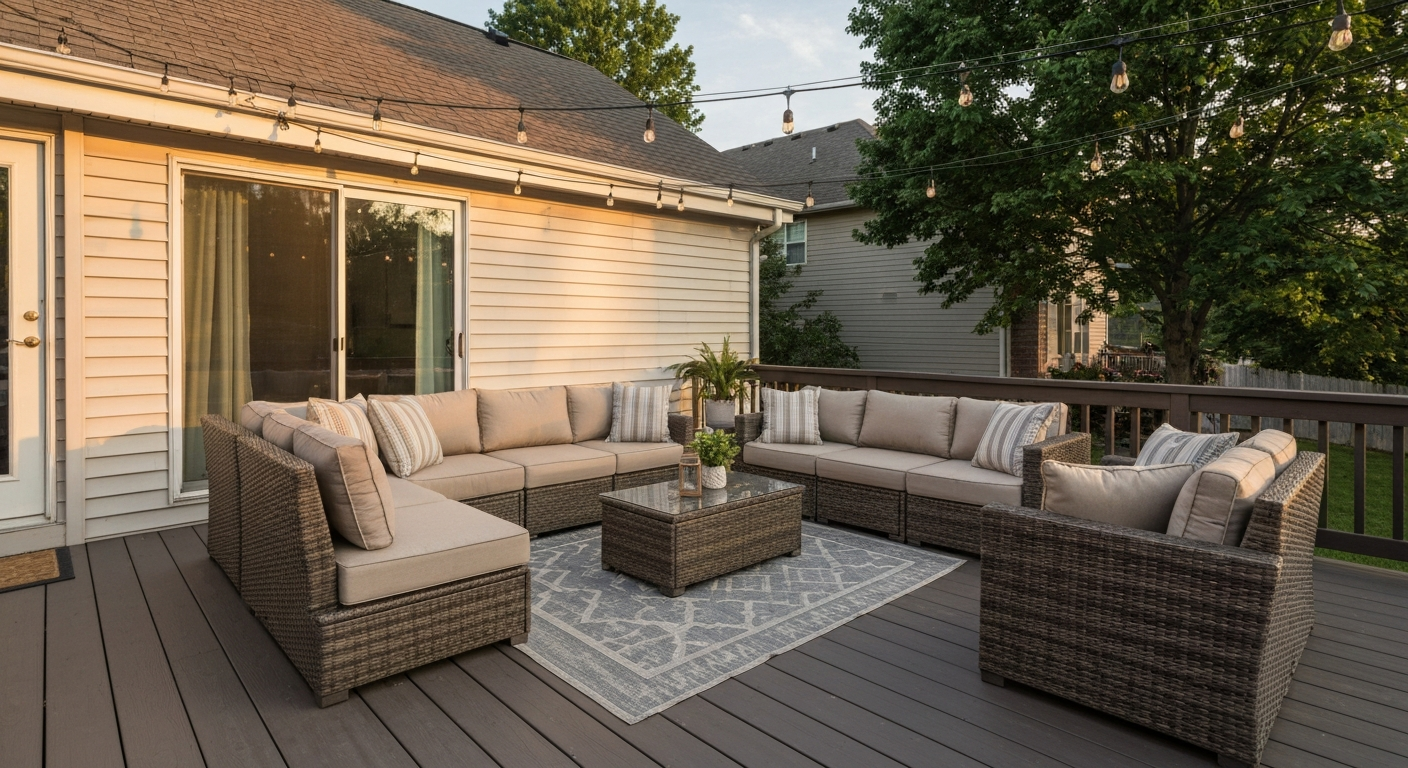
The best patio furniture cover for most homeowners is a 600D polyester model with taped or heat-sealed seams, a secure hem closure (elastic cord or click-close straps), and at least some ventilation built in. That combination handles rain, wind, and mildew better than anything else at a reasonable price. If you're protecting high-end furniture from a brand like Frontgate or Pottery Barn, a tailored, solution-dyed cover engineered to match your exact piece is worth the premium. For budget setups under a Costway or basic Wayfair sectional, a well-constructed Oxford fabric cover with taped seams beats a cheaper single-layer drawstring cover every time. The details below will help you match the right spec to your specific furniture and climate.
Patio Furniture Cover Reviews: Best Picks by Weather Need

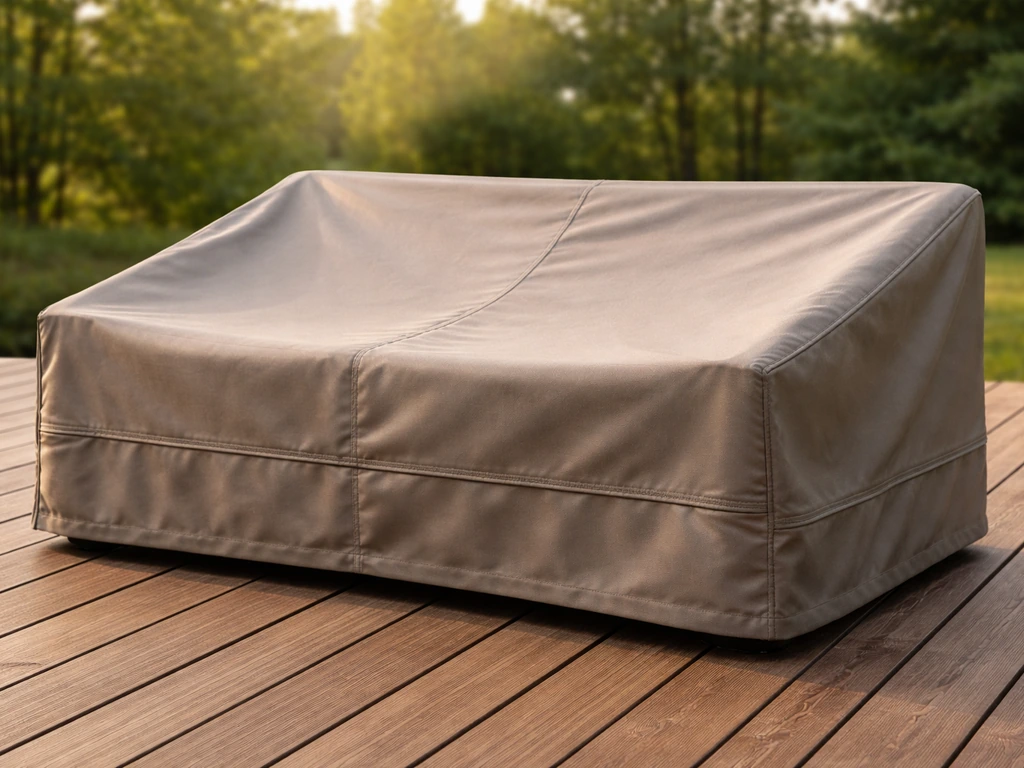
Why patio furniture cover reviews actually matter (and how to read them)
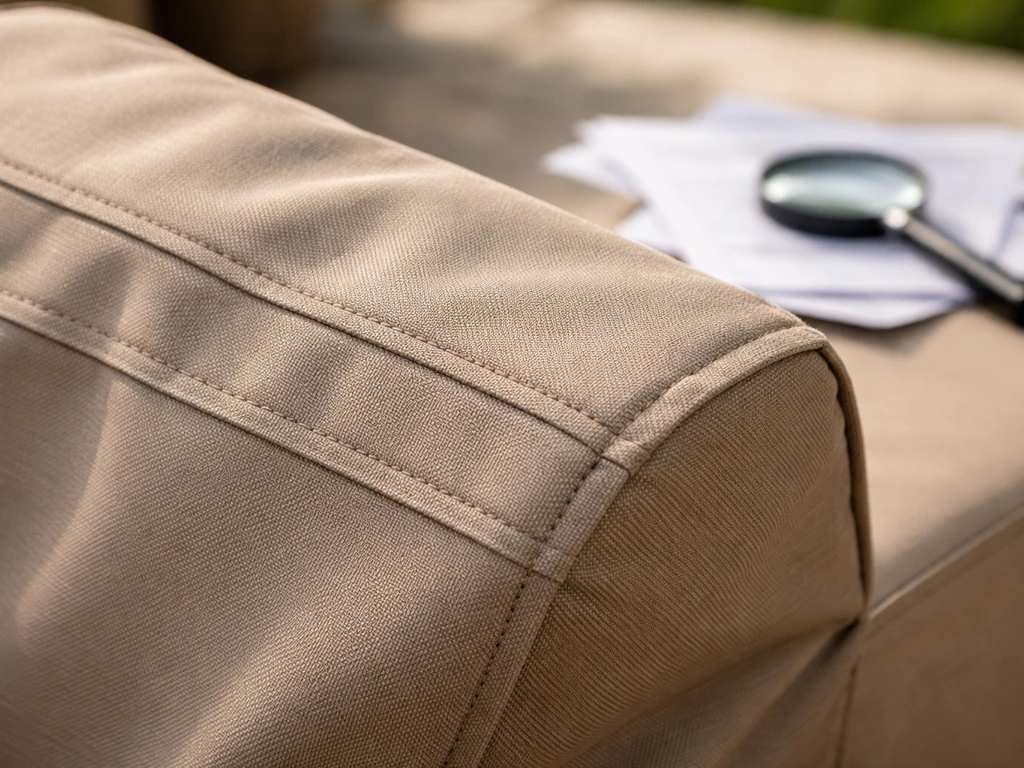
Most patio furniture covers look similar in product photos and make nearly identical claims: waterproof, UV-resistant, windproof. The reviews are where the truth comes out. But reading them well takes a little strategy, because a 4.2-star rating can hide a consistent failure pattern that only shows up after the first real rainstorm.
When you're scanning reviews, focus on complaints that repeat across different buyers: corner seam leaking, strap tie-downs ripping off, zippers breaking after one season, or mildew appearing under the cover after a wet week. These aren't one-off complaints; they're design vulnerabilities. For instance, the Classic Accessories Veranda line gets solid overall ratings, but dig deeper and you'll find recurring reports of corner leaks that soaked cushions and triggered mildew, and separate users reporting water seeping through after six months of use. That's a seam and pooling problem, not a fluke.
Also pay attention to the gap between what brands claim and what they can actually prove. "Waterproof" is a specific technical claim that should come with a hydrostatic head rating (a measurement of how much water pressure the fabric resists before leaking). Many budget covers use "waterproof" in their marketing without publishing any tested spec. "Water-resistant" is honest but less protective, especially at seams and hems. Even West Elm's covers are framed as "water-repellent" rather than fully waterproof, which is accurate but worth knowing if you're in a high-rainfall climate.
- Look for repeated complaints, not just star averages. A 4-star product with 30 mentions of "leaked after one storm" is worse than a 3.8-star product with no consistent failure theme.
- Check review dates. A cover that held up in year one but started failing in year two tells you something about durability that an aggregate rating hides.
- Filter for reviews from your climate. Someone in Arizona and someone in coastal Georgia have completely different demands on the same cover.
- Ignore vague positives like "seems sturdy" and pay more attention to specific failures: seam tears, zipper breaks, strap pull-outs, mildew onset.
- Compare the brand's claimed construction (taped seams, hydrostatic rating, seam count) against what reviewers report happening in practice.
What actually makes a patio cover "best": material, seams, waterproofing, UV, and breathability
The cover's fabric weight and weave are the foundation. 600D Oxford polyester is the most common mid-tier material, and it's a solid choice because it's thick enough to resist abrasion and light tearing while remaining flexible enough to fold for storage. Budget covers often use lighter single-layer polyester that feels almost papery; premium covers use ripstop weaves or solution-dyed fabrics that resist tearing at stress points and hold color much longer. Frontgate, for example, specifies solution-dyed polyester with UV colorfastness up to 1,000 hours. Outdura's solution-dyed acrylic fabrics used in high-end outdoor textiles are rated at 2,000+ hours of UV exposure, giving you a sense of the gap between materials.
Seams are equally important as the fabric itself, maybe more so. True waterproof protection requires that seams be taped, heat-welded, or otherwise sealed so water can't wick through the needle holes. Double-stitching alone (which is what many budget covers offer) adds strength but doesn't seal water out. Frontgate double-stitches at six stitches per inch, which is a quality indicator for structural strength, but seam sealing is a separate step. Duck Covers' higher-end line specifically uses tape sealing at critical seams, which is why their waterproof line gets fewer "leaked at the seam" complaints than similarly priced competitors.
UV resistance matters more than most people think. A cover that degrades from UV will start cracking, fading, and losing its waterproof coating within a single season in a hot, sunny climate. Solution-dyed fabrics resist this much better than surface-dyed or coated fabrics because the color and protection are built into the fiber rather than applied on top.
Breathability is the one property that often gets overlooked. A completely sealed cover traps humidity underneath, which accelerates mold and mildew on your cushions. Frontgate specifically calls out ventilation as critical to mildew prevention, and it's a principle that shows up consistently in real reviews. Look for covers with air vents built into the sides, or at minimum, a fabric that allows some vapor to escape. This is one area where a slightly less "waterproof" cover can actually protect your furniture better than a perfectly sealed one.
| Feature | Budget covers (Costway, Temu, basic Amazon) | Mid-tier (Duck Covers, Classic Accessories, 600D Oxford) | Premium (Frontgate, West Elm, Pottery Barn) |
|---|---|---|---|
| Fabric weight | 150D–300D polyester | 600D Oxford polyester | Solution-dyed polyester or acrylic |
| Seam construction | Single or double stitch | Double stitch, some tape sealing | Double stitch (6/inch) + tailored seam count |
| Waterproof rating | Rarely specified | Water-resistant, sometimes taped seams | Water-repellent (West Elm); some waterproof |
| UV colorfastness | Not specified | Moderate (coating-dependent) | Up to 1,000–2,000+ hours (solution-dyed) |
| Breathability/venting | Rarely included | Sometimes included | Often included; ventilation emphasized |
| Closure system | Basic drawstring | Elastic cord, click-close straps | Tailored fit, buckle straps, elastic hems |
Size and fit: how to measure, what shapes exist, and where covers go wrong
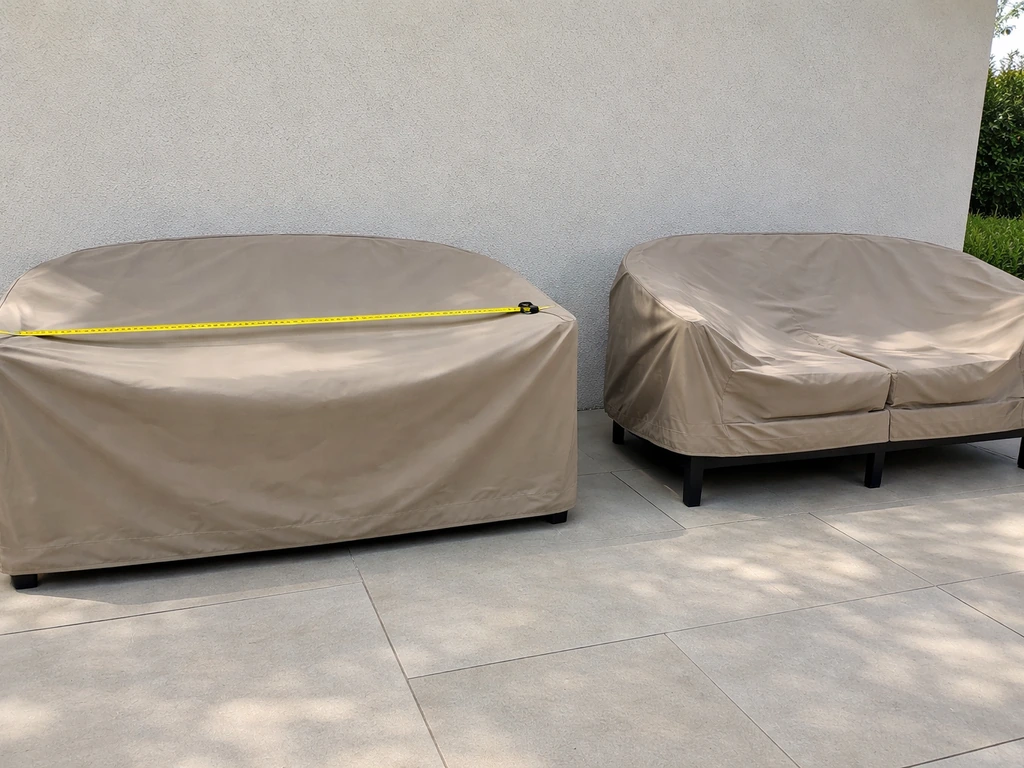
A cover that's even a few inches too short will expose the legs and lower cushions of your furniture to exactly the moisture you're trying to block. Too large, and it billows, pools water on top, and eventually blows off in wind. Frontgate emphasizes that tailored sizing is a primary factor in weather resistance, and real reviews consistently back this up: edge exposure and cover-blowing-off are the two most commonly reported fit failures.
To measure your furniture for a cover, measure the full width (widest point, including armrests), the full depth (front to back at the deepest point), and the height (tallest point, usually the back of a chair or sofa). Add a few inches to each dimension for drape clearance. For sectionals, measure the full assembled footprint, not individual pieces, unless you plan to cover each piece separately.
- Width: measure the widest point, typically across the armrests or the widest section of a sectional.
- Depth: measure front to back at the deepest point, including any protruding legs or table base.
- Height: measure from the ground (or the top of the cushion if you're covering without removing cushions) to the tallest point.
- Add 2 to 4 inches of drape allowance on each side so the cover reaches the ground or close to it.
- For L-shaped sectionals, measure each arm of the L separately, then look for an L-shaped or sectional-specific cover rather than forcing a rectangular cover over the shape.
Common fit problems: covers sold as "universal" often have depth or height dimensions that don't account for thick cushions or deep sofas. A cover listed as fitting a 3-seat sofa might assume 30 inches of depth, but many deep-seat outdoor sofas run 35 to 38 inches. Always compare your measurements to the cover's listed dimensions, not just the furniture size label. L-shaped, curved, and modular sectionals are especially prone to poor universal fit, which is why brand-matched or tailored covers are worth considering for those configurations.
Coverage by furniture type: sectionals, dining sets, lounge chairs, and conversation sets
Different furniture types have genuinely different cover needs, and the reviews reflect this.
Sectionals
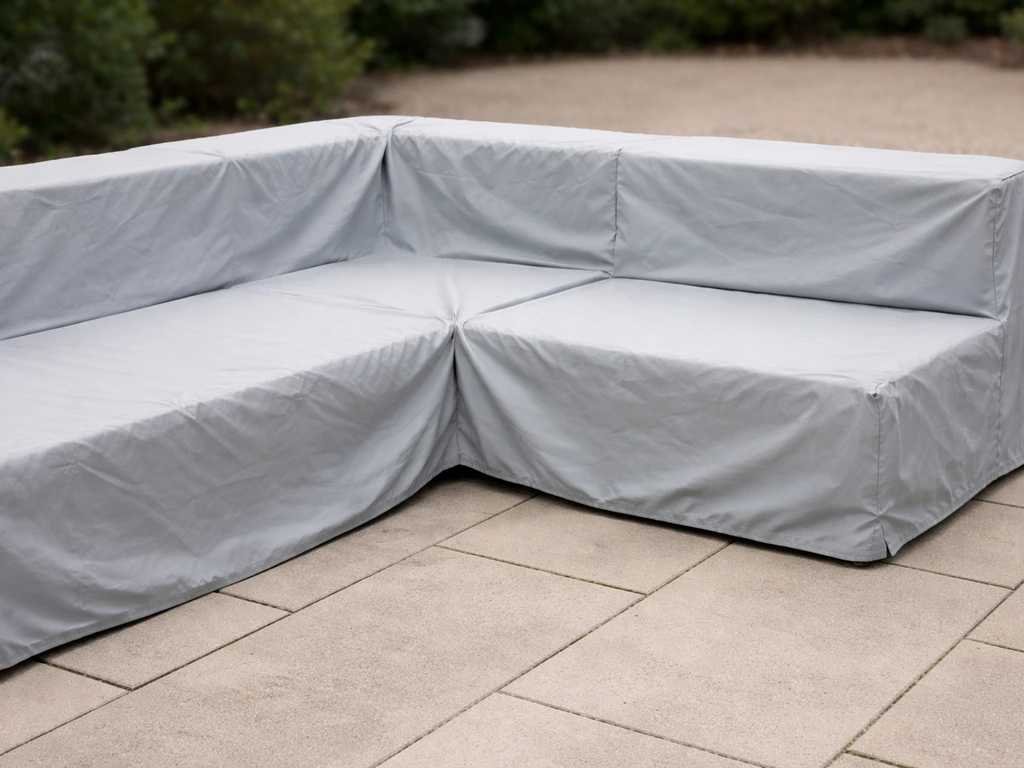
Sectionals are the hardest to cover well because of their irregular shapes. L-shaped and U-shaped sectional covers exist, but fit varies widely. The classic failure point is the interior corner of an L-shape, where fabric tends to sag inward, pool water, and eventually leak through at the seam or press moist fabric against cushions. Look for sectional covers with internal corner support or tie-down points at the interior angle. Classic Accessories makes sectional-specific shapes, including V-shaped covers, but user reviews note leaking specifically at the corner seam, which is the highest-stress point in that geometry.
Dining sets
Dining set covers need to accommodate both a table and chairs, and the height variation between a 28-inch table and 36-inch chair backs creates awkward tent-like shapes. The best approach is to either use a dedicated dining set cover sized for your specific table dimensions, or cover the table and chairs separately. Separate coverage gives you a much better fit and makes it easier to access the set partially without exposing everything.
Lounge chairs and chaise lounges
These are the easiest to cover well because the geometry is simple. The main issue is length: chaise covers need to extend over the full reclined length, which can be 70 to 80 inches for many models. Duck Covers makes chaise-specific covers in their waterproof line with taped seams and strap tie-downs, which reviews generally rate well for wind retention. One real failure pattern: the strap tie-downs can rip off after repeated wind exposure, especially if they're attached with thin webbing and basic stitching.
Conversation sets
Conversation sets (typically a sofa, two chairs, and a coffee table grouped together) are best covered as individual pieces rather than under one giant cover. One large cover over an assembled conversation set creates enormous wind resistance, pools water in the center, and is genuinely difficult to remove without disturbing the furniture arrangement. Individual piece covers are more work to put on and take off, but they protect better and handle wind more reliably.
Wind resistance and storage straps: what reviewers reward and what they hate
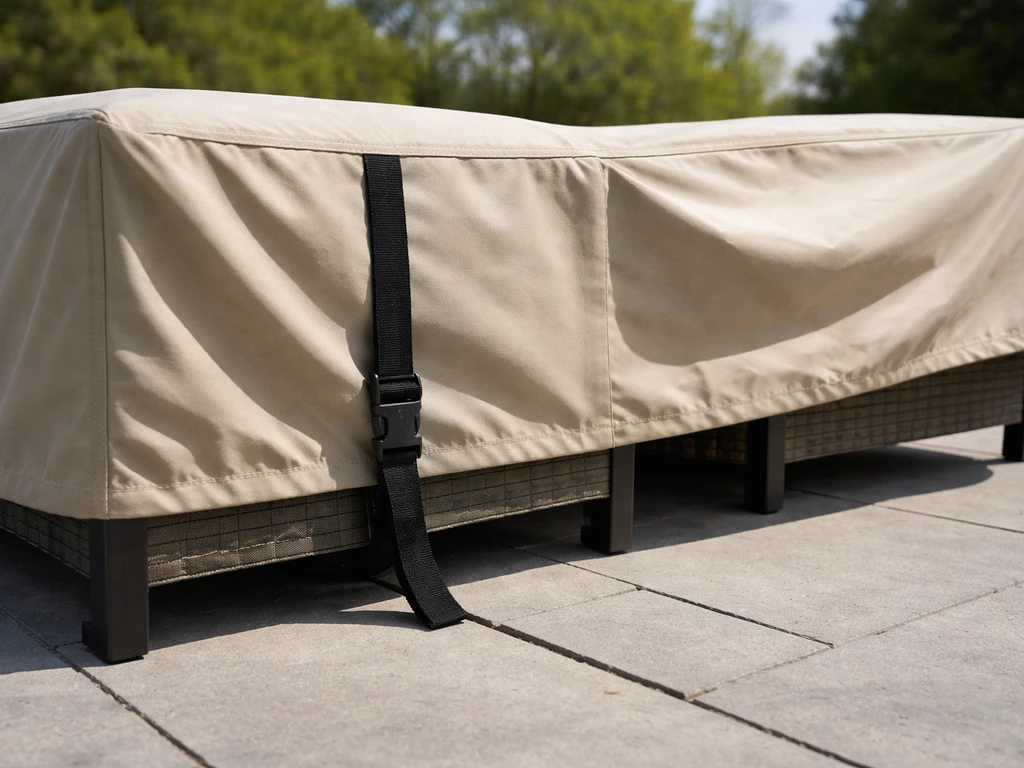
Wind is where the gap between a well-designed cover and a cheap one is most obvious. A cover that billows and flaps in the wind isn't protecting anything; it's just creating a sail that will eventually blow off or tear. Review patterns on this are very consistent: covers with multiple tie-down straps at the base, combined with an elastic hem cord that pulls snug underneath the furniture, hold up in wind advisories where simple drawstring covers fail immediately.
Duck Covers' tie-down straps get specifically called out in reviews as the reason the cover stayed put during high-wind events. The Giamanco 600D Oxford covers on Wayfair feature adjustable click-close straps and an elastic toggle cord, a combination that reviewers rate well for wind retention. The toggle cord pulls the hem tight under the furniture, and the click straps add a secondary anchor point.
But here's the common failure mode: the straps themselves rip off. This happens when the strap attachment points are stitched to the cover fabric without reinforcement. After a season of repeated wind stress and UV exposure, the stitching fails and the strap tears away, leaving the cover with no wind retention at all. Look for covers where tie-down straps are attached at reinforced points (look for bar-tacked or bartack-stitched attachment points in product descriptions, or check reviews for strap pull-out complaints specifically).
- Elastic hem cord or toggle cinch: essential for keeping the cover from lifting in wind; should pull snug under the furniture base.
- Click-close buckle straps: more reliable than simple cord ties because they can be adjusted for tension without re-tying.
- Reinforced strap attachment points: the strap is only as good as the point it's sewn to; look for bartacking or double-layer fabric backing at attachment points.
- Grommets: some covers include grommets for staking or tying to furniture legs, which adds a third anchor point in severe wind.
- Avoid: basic drawstring-only closures with no secondary strap system; these work fine in calm conditions but fail as soon as wind picks up.
Durability and maintenance: what to expect and how to keep your cover working
A well-made patio furniture cover in a moderate climate should last three to five seasons. A budget cover might give you one to two seasons before seam failures, coating breakdown, or UV cracking make it ineffective. Premium tailored covers from Frontgate or Pottery Barn can last five to eight seasons if maintained, partly because solution-dyed fabrics don't lose UV protection the way coated fabrics do.
Mildew is the most common long-term problem, and it almost always comes from one of two causes: water pooling on top of the cover and pressing moist fabric against cushions, or the cover trapping humidity underneath with no way for moisture to escape. The fix is to angle covers so water runs off rather than collects, and to pull them tight enough that they don't sag in the center. One Reddit reviewer noted that their mildew problem improved significantly once they started pulling the cover tighter and angling it so water ran off the edges. That's cheap maintenance that extends cover life meaningfully.
For cleaning, most 600D and polyester covers can be scrubbed with a soft brush, mild dish soap, and water. Rinse thoroughly and let them dry completely in open air before folding for storage. Don't store them while damp, even slightly: that's how mildew gets established inside the folded fabric. If you see mildew starting on the cover surface, a diluted solution of white vinegar or oxygen bleach (not chlorine bleach, which degrades polyester coatings) applied and rinsed will usually stop it before it becomes structural damage.
Seam failure is the second major durability issue. Even sealed seams can be overwhelmed by persistent standing water over several days, as testing on covers like the Porch Shield 62-inch model showed: the sealed seams held, but prolonged water loading eventually stressed them enough to allow seepage. The practical takeaway is that even a good waterproof cover needs water to run off, not pool. If your furniture is on a perfectly level surface where water collects, add a slight prop or angle to help drainage.
Troubleshooting common cover failures
- Leaking at corners or seams: the cover is likely water-resistant but not waterproof, or the seams are not taped/sealed. Solution: reapply seam sealer (available at outdoor gear stores), angle the cover to prevent pooling, or upgrade to a model with taped seams.
- Cover blowing off: the closure system is inadequate. Solution: add secondary anchor points (bungee cords through grommets, or furniture anchor straps), or replace with a cover that has click-close buckle straps.
- Mildew under the cover: moisture is trapped. Solution: ensure the cover vents, remove and air out cushions during extended wet periods, pull the cover tighter to reduce sag.
- Zipper failure: zippers on budget covers often fail after one season due to UV degradation of the slider or saltwater corrosion. Solution: apply zipper lubricant (beeswax or zipper wax) seasonally, or choose a cover that uses Velcro or buckle closures instead.
- Fading or cracking fabric: UV coating has failed. Solution: apply a UV-protectant spray fabric treatment; longer-term, upgrade to a solution-dyed fabric cover.
Budget vs premium: what you actually get at each price point
The honest version of this comparison is that the gap between budget and premium covers is real, but it's not always worth the price difference depending on your climate and how long you plan to keep your furniture.
Budget covers from Costway, Temu, and basic Amazon listings typically use 150D to 300D single-layer polyester with a PVC or PE backing for water resistance, a basic drawstring closure, and minimal to no seam sealing. They work fine for light rain and mild climates, but they struggle in heavy rainfall, sustained wind, and UV-intense environments. Expect one to two seasons. If you're covering inexpensive furniture that you plan to replace anyway, this tier makes sense.
Mid-tier covers, roughly in the range of brands like Duck Covers, Classic Accessories, and generic 600D Oxford products from Wayfair and Home Depot, are where most people should land. Home Depot’s customer review page for an ESILOO 600D Oxford patio swing cover documents “waterproof” 600D Oxford construction with a drawstring and zipper closure, giving pattern evidence for issues like zipper problems or seam leaks blank" rel="noopener noreferrer">generic 600D Oxford products from Wayfair and Home Depot. The 600D weight provides meaningful durability over budget options, and the better models in this category use taped seams at critical points (blank" rel="noopener noreferrer">Duck Covers Ultimate is the clearest example), elastic hem cords, and click-close straps. Duck Covers' waterproof line consistently outperforms Classic Accessories Veranda in real-world weather resistance, specifically because of the taped seam construction versus Veranda's water-resistant positioning. If you're comparing brands in this tier, the seam construction detail is the deciding factor, not the marketing language.
Premium covers from Frontgate, West Elm, and Pottery Barn are best justified when you're protecting expensive furniture and want a cover that matches the aesthetic and dimensions of the piece precisely. Frontgate's tailored covers use solution-dyed polyester with six stitches per inch double-stitching and precise dimensional matching, which is why they resist edge exposure and seam stress better than universal-fit alternatives. West Elm and Pottery Barn covers use water-repellent polyester in matching styles, which looks better on a curated patio but trades some raw weather performance for aesthetics. If you have a $3,000 sectional from one of these brands, the $80 to $150 tailored cover is a small insurance premium. If you have a $400 Costway set, it isn't.
| Budget tier | Recommended for | Best option type | Expected lifespan |
|---|---|---|---|
| Budget (under $30, Costway/Temu/generic) | Inexpensive furniture, mild climates, short-term coverage | PVC-backed polyester with drawstring | 1–2 seasons |
| Mid-tier ($30–$80, Duck Covers/Classic Accessories/600D Oxford) | Most homeowners, moderate to heavy weather exposure | 600D Oxford with taped seams, click-close straps | 3–5 seasons |
| Premium ($80–$200+, Frontgate/West Elm/Pottery Barn) | Expensive furniture, heavy rain/UV, long-term investment | Solution-dyed polyester, tailored fit, vented design | 5–8 seasons |
It's also worth noting that several specialized brands focus exclusively on covers and have developed strong reputations in this space. Empire patio furniture covers and Treasure Garden patio furniture covers, for example, are brands worth looking at specifically if you want a cover engineered to complement a particular furniture style or construction. Duck Covers, discussed throughout this article, has a dedicated product line with meaningful construction differences between their water-resistant and waterproof tiers, and those differences are worth understanding before you buy.
Your buying checklist before you order
Before you hit buy, run through this list. It covers every failure mode that shows up consistently in real reviews, and checking each one will prevent the most common buyer regrets. If you want quick, practical duck covers patio furniture reviews, compare how reviewers describe seam leaking, strap failures, and mildew after real rain.
- Measure your furniture first: width, depth, and height at the tallest point, then compare to the cover's listed dimensions, not just the size label.
- Match the cover shape to the furniture shape: L-shaped sectional covers for L-sectionals, chaise covers for chaise lounges; don't force a rectangular cover over an irregular shape.
- Check seam construction: look for "taped seams," "heat-welded seams," or "sealed seams" in the product description. "Double-stitched" alone does not mean waterproof.
- Verify the waterproofing claim: if the listing says "waterproof," look for a hydrostatic head rating or at minimum a specific seam-sealing callout. If neither is present, treat it as water-resistant.
- Check the closure system: elastic hem cord plus click-close buckle straps is the minimum for wind resistance; drawstring-only is not enough in most outdoor environments.
- Look for ventilation: air vents or a breathable fabric layer prevents humidity buildup and mildew under the cover.
- Read the negative reviews specifically: filter for 1- and 2-star reviews and look for repeated themes: leaking, strap failure, zipper breakage, fabric tearing at corners.
- Match to your climate: heavy rain climates need taped seams and waterproof ratings; high UV climates need solution-dyed or UV-rated fabric; high-wind areas need robust strap and hem closure systems.
- Budget for replacement realistically: a budget cover in a demanding climate will need replacing every season; a mid-tier cover with proper maintenance should last three to five years.
- Store covers dry: before folding for off-season storage, make sure the cover is completely dry to prevent mildew establishing itself in the stored fabric.
The right cover isn't necessarily the most expensive one; it's the one that matches your furniture dimensions, your weather conditions, and your seam construction requirements. Start with those three filters, check the reviews for consistent failure patterns, and you'll narrow the field to two or three realistic options. If you want to shop confidently, use these outdoor patio furniture covers reviews as a shortlist for what holds up in your weather. If you’re trying to choose a cover for a treasure garden patio, reading treasure garden patio furniture covers reviews can help you spot the seam, fit, and wind-retention issues that matter most. From there, it comes down to closure design and price. Most people in most climates will land somewhere in the 600D mid-tier with taped seams and buckle straps, and that's a good place to land.
FAQ
How can I tell if a cover is truly waterproof versus just “water-resistant” from the listing or photos?
Look for a hydrostatic head rating or any tested waterproof spec, and check whether reviews mention leaking at seams specifically (corner seams and needle holes are the first failure). If the listing uses only “waterproof” language with no test metric and most negative reviews mention seam seepage after rain, treat it as water-resistant.
Are ventilation panels or vents always good for preventing mildew, even in rainy climates?
They help most when the cover is secured but not airtight. If vents exist but the cover is too loose and creates sagging pockets, you can still get pooling and mildew, because trapped moisture is caused by both ventilation limits and water collection. Prioritize a snug fit plus drainage.
What’s the best way to angle or secure a cover so water runs off instead of pooling?
Ensure the cover is pulled tight at the base so it doesn’t sag in the middle, then slightly elevate one side using a small wedge or prop so runoff flows toward the edges rather than staying under the cover. Also check that the hem closure is fully engaged all the way around, because slack sections collect water.
Should I cover my patio furniture immediately after it gets wet, or let it dry first?
Let it dry if possible. Even a waterproof cover can trap humidity if you cover damp cushions or wet surfaces, and mildew starts faster inside folds and seams. If you must cover right away, loosen the cover after the next dry window to air out the fabric and cushions.
How tight should the cover be at the bottom to prevent wind and mildew without stressing seams?
Tight enough that it doesn’t billow or form a deep sag pocket, but not so over-stretched that seams feel strained. A good rule is to use the elastic cord or click straps to remove most slack while still allowing the cover to lie smoothly across corners and transitions, especially on sectionals.
What are the most common strap tie-down failures, and how do I avoid them?
Most strap failures show up as straps ripping out at attachment points after repeated wind and UV exposure. Avoid designs where straps are stitched directly to the cover fabric without reinforcement, and look for reviews that specifically mention “strap pulled off” or “attachment ripped” plus photos of the failure.
Do universal covers work for deep-seat or cushion-heavy sectionals?
Often they don’t, because universal sizing frequently underestimates depth by a few inches. Compare your measured footprint depth to the cover’s stated depth range, and be cautious with modular, L-shaped, and curved sectionals where internal corners create higher-stress seam areas that can leak if the cover is too short.
How should I cover an L-shaped or U-shaped sectional to reduce corner leaks?
Choose a sectional-specific shape if possible, and check for internal corner support (extra panels or tie-down points at the interior angle). In reviews, prioritize products where complaints are not dominated by “corner seam leaked” or “water pooled in the interior angle,” since corners create pooling and pressing contact.
Should I cover dining sets with one large cover or separate covers?
For best fit and moisture control, separate table and chairs or use a dining-set cover sized to the tabletop and chair back height. One big cover can create tenting, which encourages water pooling and makes it harder to remove for drying. If you see recurring reviews about water pooling in the center, switch to separate coverage.
What’s a good rule for choosing cover size if my furniture is between sizes or has removable cushions?
When between sizes, prioritize length and height enough to fully cover the legs and cushion bases without lifting. If cushions are removable, you can either cover the furniture frame with a snug base and keep cushions under a separate cushion cover, or cover everything together but ensure the cover doesn’t trap moisture against wet cushions.
How often should I clean and inspect my cover for early failure signs?
Inspect after major storms and at least once per month during peak weather seasons. Remove debris (leaves and grit that trap moisture), and check stress points, especially corners, hems, zippers, and strap attachments, for fraying, seam separation, or growing discoloration that can indicate coating breakdown.
Can I use chlorine bleach to remove mildew on a polyester cover?
Avoid chlorine bleach. It can degrade polyester coatings and reduce the cover’s water performance. If mildew appears, use a diluted oxygen bleach solution or a mild vinegar solution, then rinse thoroughly and dry completely in open air.
Why did my sealed-seam cover still leak after a few rainy days?
Even sealed seams can be overwhelmed by standing water for multiple days, especially on level surfaces where water pools. If reviews show “leaked after a wet week,” treat it as a drainage issue, improve runoff by angling the cover and tightening the hem, and consider a cover designed to shed water more aggressively.
What cover type is best for chaise lounges versus standard chairs?
Use chaise-specific coverage that matches the reclined length, because standard chair covers usually leave gaps when the chaise is extended. Reviews should mention full coverage of the recline area, and tie-downs should hold under wind without tearing out at the attachment points.
How long should I expect a mid-tier 600D cover to last in real use?
With normal conditions and proper drying between wet periods, many 600D Oxford mid-tier covers can last about three to five seasons. In harsher UV and wind exposure, expect shorter life, and if reviews consistently mention seam leakage or cracking after one season, that’s a sign to adjust expectations or choose taped seam construction.
Top Home Space Patio Furniture Reviews: Best Picks & Buying Guide
Top Home Space patio furniture reviews: top picks, brand comparisons, ratings, buying checklist & care tips.