The fastest way to pick the right patio set is to read reviews strategically, not just skim star ratings. A 4.6-star set on Amazon can still rust after one season or arrive with bent frames, while a 4.1-star set from a specialty retailer might just have picky reviewers complaining about assembly instructions. What you're really after is a pattern of specific, recurring complaints or praise about things that matter to you: wobble, fading, cushion quality, frame corrosion, and whether the pieces are actually the size they appear in photos. This guide walks you through exactly how to do that, from spotting fake reviews to shortlisting a set that fits your space, climate, and budget.
Patio Set Reviews: How to Choose the Right Set Fast

Holly Dawson
2 May 2026
How to use patio set reviews without getting fooled

Star ratings on their own are nearly useless for patio furniture. Here's why: Amazon's 'Verified Purchase' badge only confirms the reviewer bought the item through Amazon. It says nothing about whether the review was paid for, incentivized, or even written about the exact product you're looking at. Consumer Reports has documented 'review hijacking,' where sellers copy positive reviews from entirely different products into a new listing. The result is a product with glowing five-star reviews that are technically verified but completely irrelevant to what you're buying.
One practical signal to watch for: a cluster of five-star reviews posted within a narrow time window, say, 20 reviews in a single week after months of quiet. That's a classic coordinated review campaign pattern. It doesn't automatically mean fraud, but it's a red flag worth treating with skepticism. Genuine review accumulation tends to spread out over months with a mix of star ratings and specific details.
Instead of star averages, focus on the three- and four-star reviews. These are where honest buyers land after the honeymoon phase. Look for repeated mentions of the same problem: 'wobbles on any uneven surface,' 'cushions faded after one summer,' 'frame bent during assembly.' When three different reviewers over six months say the same thing independently, that's a real pattern. One mention of a problem is noise. Three is a design flaw.
Also cross-reference reviews across platforms. If a set is sold at Home Depot, Wayfair, and directly on the brand's website, compare the review themes across all three. Consistent complaints across multiple retail channels are much harder to fake and much more reliable. For premium brands like West Elm or Pottery Barn, check home design forums and community threads where buyers tend to be more detailed and critical than standard retail reviewers.
- Ignore the star average alone. Read the text of 3- and 4-star reviews.
- Look for time-clustered review spikes as a potential fake-review signal.
- Check the same product across multiple retail platforms for consistent complaint patterns.
- Prioritize reviews that mention specific measurements, assembly time, or season-over-season durability.
- Treat 'Verified Purchase' as a minimal baseline, not a trust guarantee.
- Search the brand name plus 'rust,' 'wobble,' or 'fade' in forums and Reddit for unfiltered feedback.
Choose the right type and size for your patio first
No review in the world will save you if you buy the wrong type of set for your space. This is one of the most common and easily avoidable mistakes. The two main categories are dining sets and conversation sets, and they serve fundamentally different purposes.
Dining sets vs. conversation sets
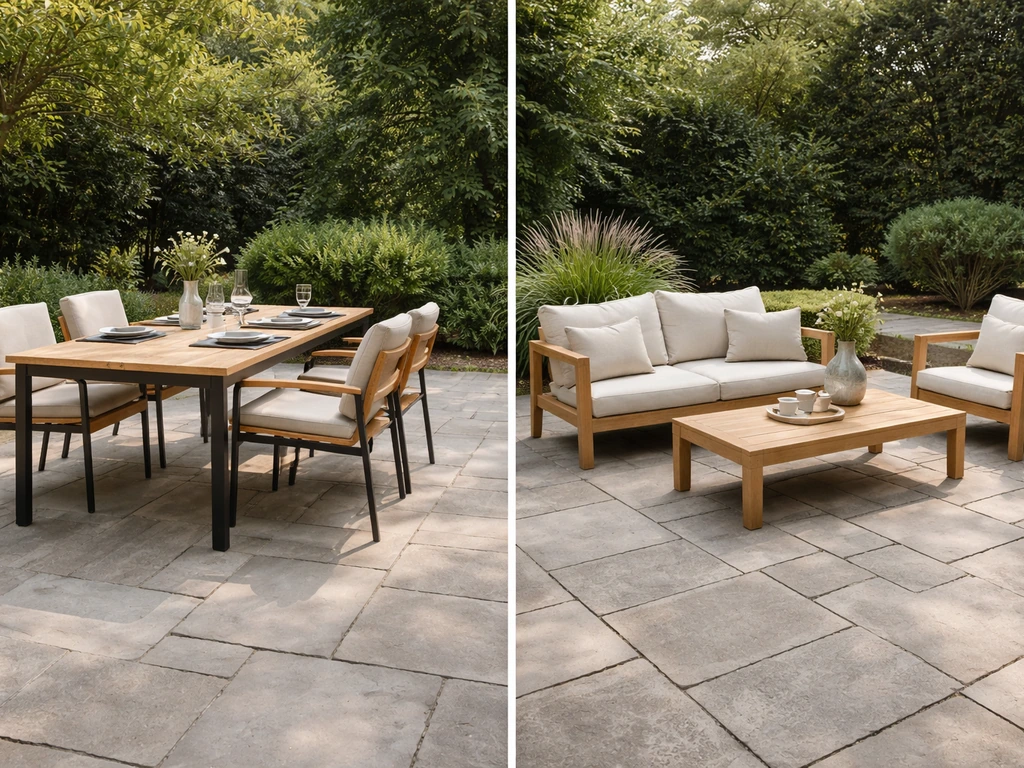
Dining sets pair a table with chairs at standard dining height (roughly 28 to 30 inches) and are designed for eating meals outdoors. They work best on larger patios or decks where you have room to pull chairs out fully without bumping a railing or wall. Conversation sets are lower-profile, typically featuring a sofa, loveseats, and a coffee table or side table at 14 to 18 inches. They're built for lounging and socializing rather than dining, and they tend to work better in tighter spaces or as a secondary seating zone near a fire pit or view.
A frequent review complaint across both categories is buying a set that's physically larger than expected. Furniture photos are almost always staged in spacious settings. A six-person dining table might look proportional in a photo but overwhelm a 10x12 foot patio completely. Before reading a single review, measure your actual usable space and allow at least 36 inches of clearance on each side for chair movement. Many buyers wish they'd done this first.
Seat count and layout realities
Seat count in marketing is usually optimistic. A '6-person conversation set' often includes two armchairs and a three-seat sofa, which realistically seats four comfortably. Dining sets are more literal, but check the chair dimensions individually. Some budget dining chairs are only 17 inches wide, which is tight for most adults. Reviews will almost always mention this if it's an issue, with comments like 'chairs are much narrower than expected' or 'only works for slim frames.' Pay attention to those.
For L-shaped or sectional conversation sets, confirm the configuration before ordering. Some sets have fixed orientations and won't reconfigure to fit a corner differently than shown. Others have modular designs that let you rearrange. Reviews from buyers who've tried to change the layout are gold here.
What reviews actually reveal about materials and construction
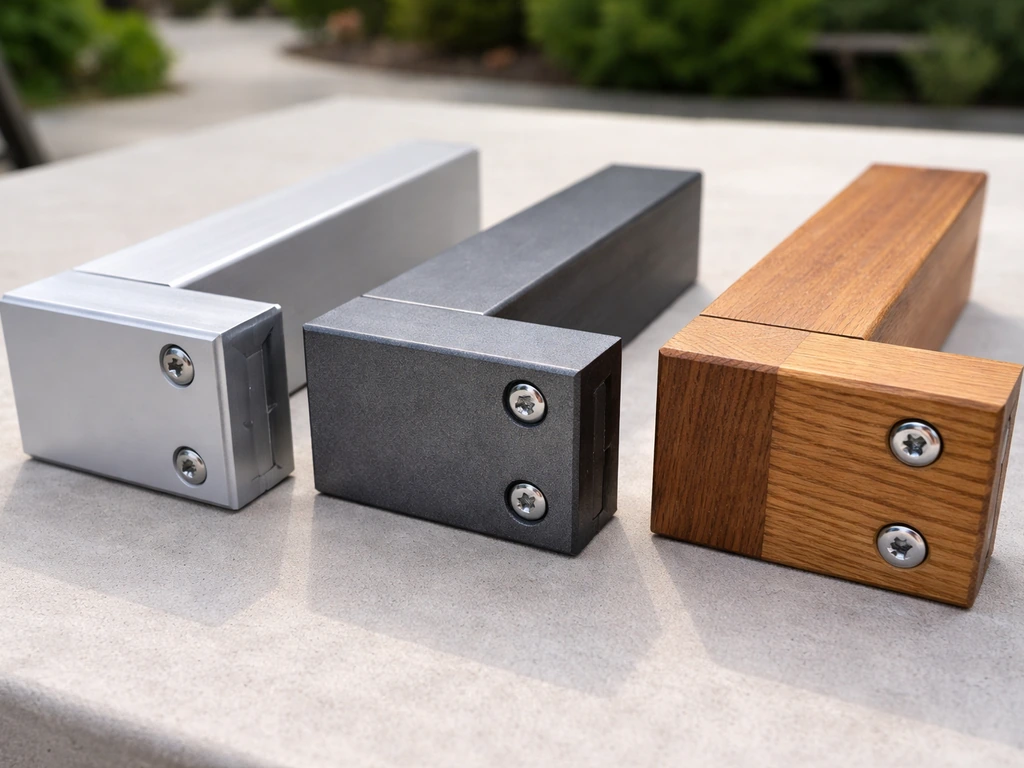
Frame material is the single biggest predictor of long-term satisfaction with a patio set, and it's where reviews over multiple seasons are most valuable. The main options are aluminum, steel, wrought iron, and various wood species, sometimes combined with resin wicker for the seating surface.
| Frame Material | Rust Risk | Weight | Durability Tier | Best Climate |
|---|---|---|---|---|
| Powder-coated aluminum | None (won't rust) | Light (easy to move) | High | All climates, especially coastal/humid |
| Steel (powder-coated) | Moderate (scratches expose metal) | Heavy | Medium | Dry climates; cover in wet seasons |
| Wrought iron | Moderate to high | Very heavy | High if maintained | Dry climates; annual touch-up needed |
| Teak/hardwood | None (wood doesn't rust) | Medium-heavy | Very high if sealed | All climates; needs annual oiling |
| Resin wicker over aluminum | Low (aluminum frame) | Medium | Medium-high | All climates; UV fade is main risk |
Steel frames are common in budget patio sets and are worth treating with skepticism in reviews. A steel set might look great in year-one reviews, but reviewers who report back after the second or third season are more telling. Even powder-coated steel will rust at scratches, weld points, or hardware connections, and budget sets often use thin-gauge steel that dents easily. Aluminum is the material that consistently earns positive multi-season feedback because it's inherently rust-proof, not just coated against it.
Resin wicker is not wicker at all. It's a synthetic polymer woven over a metal frame, usually aluminum or steel. The woven appearance is a style choice, not a structural one, so the frame underneath is what matters. Reviews that praise resin wicker durability are really praising the frame. When reviews mention cracking, unraveling, or brittleness in the weave itself after UV exposure, that's a quality issue with the resin compound, which is harder to assess up front.
Tabletop material is another detail reviews frequently surface. Tempered glass tops are common on dining sets and conversation sets. They're easy to clean but they do crack or shatter in certain freeze-thaw cycles if left outdoors year-round, and reviews in northern climates often flag this. Aluminum slat tops and composite tops handle freeze-thaw much better. Concrete or stone tops appear more in premium sets and are extremely durable but heavy enough to make rearranging painful.
Comfort, stability, and day-to-day usability
Assembly is where a lot of patio set reviews go sideways, and it's worth paying attention to even if you're handy. Budget sets in particular often ship with poor hardware quality: bolts that strip easily, allen keys that bend before they finish the job, or instructions that are clearly translated from another language. Reviews mentioning 'stripped bolts' or 'frame was already bent in the box' are serious red flags because furniture that goes together wrong never sits quite right.
Wobble is one of the most common real-world complaints and is frequently absent from product descriptions. It tends to show up in conversation set chairs and in dining chairs with thin legs. On uneven patio surfaces like textured concrete or slightly sloped decking, even minor height differences between legs get amplified. Reviews that say 'fine on a perfectly level surface' are a warning if your patio isn't perfectly level. Look for mentions of adjustable leveling feet, which are a genuinely useful feature that not enough sets include.
Cushion quality deserves its own attention. Cushions are often the first thing to degrade on an otherwise solid set, and reviews are the clearest window into how they hold up. Key things to look for in reviews: whether the cushion fabric is solution-dyed (where the color goes all the way through the fiber, resisting fade) versus surface-printed (where UV exposure strips the color in a season or two).
Also look for cushion fill density, since flat, unsupportive cushions show up in reviews as 'went flat after a few weeks. ' Some patio furniture review sites cover cushions separately in depth, which is worth consulting alongside set reviews when cushion comfort is a priority for you. If you want the quickest way to narrow options, use a most comfortable patio chairs review to compare comfort, support, and cushion durability side by side comfort is a priority.
Cleaning ease rarely makes the marketing copy but shows up constantly in reviews. Sling fabric chairs are quick to wipe down but can stain permanently. Cushion covers with zip-off, machine-washable cases are almost universally praised in reviews. Static cushion covers that have to be hand-washed or spot-treated get low marks from buyers who actually live with them.
Weather resistance and maintenance by brand and price tier
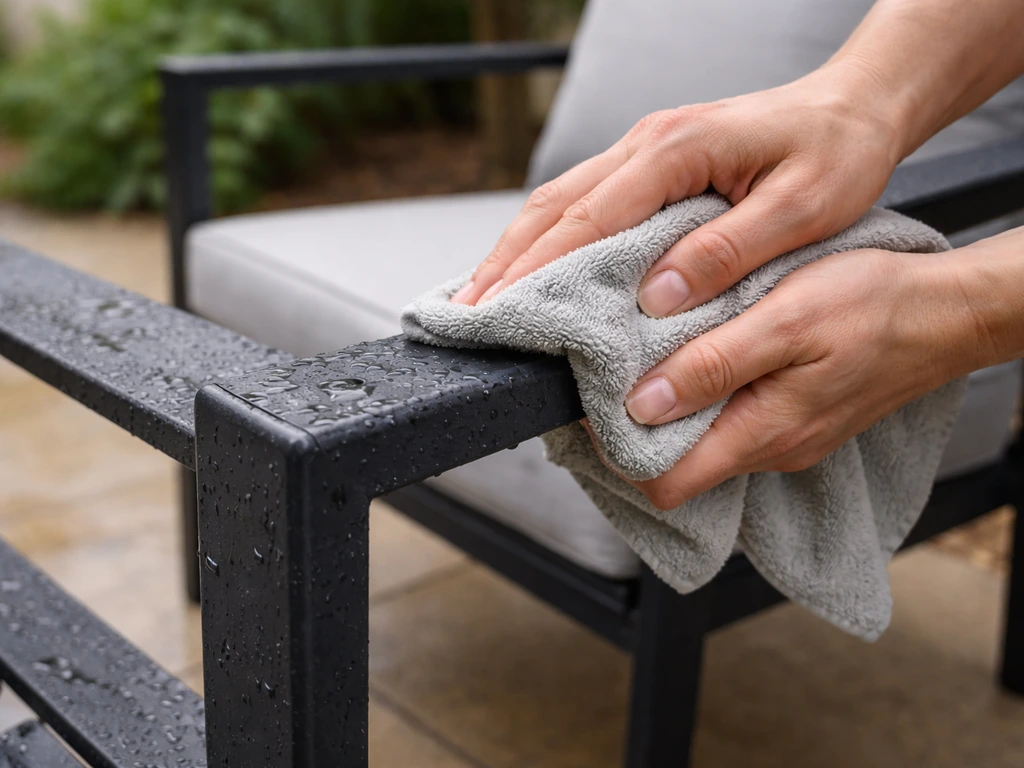
Reviews can tell you a lot about weather resistance, but they can't always tell you how a set will perform in your specific climate. A set that earns glowing reviews from buyers in Phoenix might perform very differently for someone in coastal Maine or humid Houston. Use reviews as directional data and filter specifically for reviewers who mention a climate similar to yours.
At the budget tier (Costway, Temu, similar retailers priced under $500 for a set), the weather resistance story in reviews is predictably mixed. Many buyers report that year one is fine, but year two brings rust spots at joints, cushion fading, and loosening hardware. This isn't necessarily a reason to avoid them, but it should recalibrate your expectations: these are 2-to-3-year sets, not 10-year sets, and you should budget for replacement cushions or touch-up paint after the first season in wet or UV-intense climates.
Mid-range sets in the $500 to $1,500 range (brands like Hampton Bay at Home Depot, Threshold at Target, or Better Homes and Gardens at Walmart) tend to use better-gauge aluminum or higher-quality powder coatings. Reviews here more frequently mention three-plus season durability without significant fading or rust. Assembly is usually more straightforward, and cushion quality steps up noticeably.
Premium sets from West Elm, Pottery Barn, and Frontgate occupy a different category. Their frames are typically commercial-grade or near-commercial-grade aluminum, teak, or wrought iron. Cushion fabrics are generally Sunbrella or equivalent solution-dyed acrylic, which resists UV fade and mold far better than standard polyester. Reviews from premium-tier buyers over three to five seasons are much more consistently positive on durability, though you'll find complaints about price, delivery damage, and customer service responsiveness. The furniture itself tends to hold up; it's the buying experience and logistics that generate negative reviews at this level.
Maintenance expectations should factor into your decision regardless of price tier. Even the best teak set will look weathered and gray without annual oiling. Aluminum needs occasional washing and inspection for chips in the powder coat. Resin wicker benefits from UV protectant spray each season. Reviews that call a set 'zero maintenance' are almost always written by buyers in their first year of ownership.
Budget vs. premium: the honest value comparison
The price gap between a Costway conversation set at $299 and a Frontgate equivalent at $3,500 is real, but the value equation is more nuanced than it looks. Here's a grounded way to think about it.
| Factor | Budget (Costway/Temu, under $500) | Mid-Range ($500-$1,500) | Premium (West Elm/Pottery Barn/Frontgate, $1,500+) |
|---|---|---|---|
| Frame durability | 1-3 seasons typical; steel common | 3-6 seasons; aluminum more common | 6-15+ seasons; commercial-grade aluminum or teak |
| Cushion fabric | Standard polyester; fades in 1-2 seasons | Better weave; moderate UV resistance | Sunbrella or solution-dyed acrylic; 5+ year fade resistance |
| Assembly quality | Often frustrating; hardware issues frequent | Generally manageable | Usually well-documented; white-glove delivery sometimes available |
| Warranty | Minimal or none (30-90 days) | 1-3 years on frame | 3-5 years on frame; some lifetime on welds |
| Return/exchange process | Often difficult; seller-dependent | Retailer-standard (30-90 days) | Generally strong; brand-direct support |
| True cost over 5 years | Potentially 2-3 replacements; higher long-term | One replacement possible | Usually a single purchase; lower long-term |
The case for budget sets is real if you're in a short-term living situation, want to try a layout before committing, or have a covered porch that limits UV and moisture exposure. Reviews support this: buyers who store budget sets under cover or in a garage between seasons consistently report better longevity. The case against budget sets is strongest if you live in a high-UV, high-humidity, or coastal environment where the degradation timeline accelerates significantly.
Premium sets make the clearest financial sense if you own your home long-term, entertain frequently, or live in a climate that will punish cheaper materials within a season or two. The aesthetic consistency also tends to hold up better, which matters if you care about how your patio looks year-over-year, not just in the first season. That said, some premium brands charge a premium for name recognition that doesn't fully translate into proportional quality improvement. Read multi-season reviews from actual owners, not just lifestyle editorial coverage, before committing at this price level.
Your practical checklist before you buy
Once you've done your review research and have a short list of two or three sets, run through this before hitting the order button. If you want more hands-on insight, you can also compare the patio-furniture-cushions.com reviews to spot recurring cushion and comfort issues review research. It sounds simple, but the most common buyer regrets I see come from skipping one of these steps.
- Measure your patio with tape and mark out the set's footprint on the actual surface. Include chair clearance (36 inches minimum per side for dining chairs). Walk through the space with the imaginary furniture in place.
- Check the product dimensions for each individual piece, not just the set as a whole. Sofa depth, chair width, and table height all affect whether the set works for your body size and use case.
- Filter reviews by your climate or region if the platform allows it. Look for phrases like 'after two winters,' 'humid climate,' or 'left outside year-round' to find the most relevant experiences.
- Check the warranty terms and the return window before ordering. A 30-day return window is often too short if delivery takes two weeks and assembly takes another week.
- Verify cushion fabric type. Confirm whether it's solution-dyed acrylic, olefin, or standard polyester. This single spec matters more than almost anything else for outdoor cushion longevity.
- Check whether a compatible cover exists for the set. A good-fitting patio cover extends the life of any set significantly, and reviewers who use covers consistently report better durability outcomes.
- Do one final search of the model name plus 'reddit' or 'forum' to catch candid buyer discussions that retail review systems may not surface.
- If buying from a brand directly, confirm whether assembly is included or optional, especially for heavy or complex sets where assembly errors create lasting structural issues.
On the care side: plan your maintenance strategy before the set arrives, not after. If you want the best chair care patio reviews, compare what owners recommend for cleaning, storage, and seasonal upkeep. If you're buying teak, order teak oil at the same time. If you're buying resin wicker over a steel frame, have UV protectant spray and touch-up paint on hand. Reviews consistently show that buyers who treat their patio furniture as an ongoing maintenance investment, not a set-and-forget purchase, get dramatically better multi-season outcomes at every price point. And if you're pairing your set with replacement cushions, standalone cushion reviews are a separate research track worth doing alongside your set research.
The bottom line: reviews are a powerful shortcut to avoiding expensive mistakes, but only when you know how to read them. Focus on patterns over ratings, filter for climate-relevant feedback, cross-reference across platforms, and match the set to your actual measured space before you read a single word of marketing copy.
The FTC also announced a final rule targeting fake reviews and testimonials, including prohibiting the sale or purchase of them and enabling civil penalties for knowing violators the FTC final rule targeting fake reviews and testimonials. If you are also shopping for a patio citronella candle, look for reviews that mention burn time, scent throw, and how well the wax holds up outdoors patio essentials citronella candle reviews.
Do that, and you'll be shopping from a position of real knowledge rather than hope.
FAQ
How can I tell if patio set reviews are for the exact model and configuration I’m considering?
Yes, but treat it as a secondary signal. Look specifically for reviewers who mention that they own the same exact configuration you plan to buy (same table size, cushion color, and number of seats). Reviews that talk about a different model year, alternate finish, or “similar set” are often unhelpful even when they include photos.
What’s the quickest way to avoid buying a patio set that doesn’t fit, even if reviews say it’s “true to size”?
For online listings, confirm whether photos show the full footprint or just the tabletop. A common trap is assuming the stated “table size” equals usable space, then discovering an overhang or decorative base makes the seating tighter than expected. The fastest check is to compare the table dimensions and the chair width plus clearance you need, not the image alone.
If reviews mention wobble, what details should I look for to judge whether it’s fixable?
Yes. If a review complains about wobble, there are often clues you should look for elsewhere, like missing adjustable leveling feet, uneven leg design, or no floor glides. Also check whether the set is meant for level surfaces only, since some conversation sets are more forgiving than dining sets.
What cushion-related details in reviews actually predict long-term comfort and replacement costs?
Cushions are a frequent weak point, so don’t stop at fabric type. Scan for how long cushions take to flatten, whether the foam retains shape after sitting breaks, and whether replacement covers are available. If owners say covers rip quickly or seams split, you can often prevent future regret by choosing a set with buyable replacement cushion parts.
How do I interpret reviews about table damage (arrived broken vs. broke later)?
Yes, especially for heavy tabletop materials. Tempered glass and some stone or concrete options can be sensitive to freeze-thaw, but also to transport damage and edge impacts. Check for reviews that mention cracking after winter, but also look for “arrived with chips” or “broke during assembly,” since that points to packaging or handling issues.
In patio set reviews, how do I tell whether assembly complaints are a quality issue or just a hard-to-build design?
Look for reviews that separate assembly problems from quality problems. “Hardware stripped” and “frame bent in the box” usually indicate manufacturing or packing issues, while “took hours to assemble” can just be design complexity. If multiple reviewers report bent frames on arrival, prioritize sets with better packaging and clearer damage claims policies.
Why do patio set reviews from my region sometimes still mislead me?
Filter reviews by season and location. Pay attention to whether reviewers mention winter, coastal salt exposure, or UV intensity, then match those conditions to your own. If you only see summer-only feedback, you may be missing the failure mode that shows up after freeze-thaw or repeated rain.
How can I tell from reviews whether fading will be mostly cosmetic or also signals frame or structural weakness?
Yes. If multiple reviews mention color fading specifically on cushions, slings, or tabletop surfaces, check whether they describe solution-dyed fabrics or easy-to-replace covers. For frames, “powder coat scratched easily” matters because rust often starts at scratches, not because of normal sun exposure.
What are the red flags in reviews that contradict “all-weather” or “fade resistant” claims?
Many listings show “solution-dyed” or “all-weather” claims, but reviews reveal whether that holds up under real sun. Look for repeated mentions like “color faded unevenly,” “patterns stayed but fabric dulled,” or “mildew returned.” If reviews describe recurring mildew in shaded areas, plan on ventilation and covers during prolonged damp weather.
Are there review signals that predict problems getting replacement parts later?
Before buying, verify whether the set includes spare hardware, replacement parts, or compatible touch-up paint. Reviews that mention missing fasteners, inconsistent hole alignment, or limited replacement options are practical warnings. If you find owners saying they needed third-party tools or they couldn’t replace stripped bolts, you should budget extra time or reconsider the set.
How do I use reviews to predict how stain-prone a patio set will be in real use?
Yes. If reviews mention stains that do not come out, focus on the cleaning method that worked (or didn’t). For sling fabrics and cushion covers, check whether owners say the fabric is wipe-clean, whether water-based cleaners help, and whether they recommend specific stain protectants. This helps you avoid “it looked fine at first” situations.
Next Article
Top Home Space Patio Furniture Reviews: Best Picks & Buying Guide
Top Home Space patio furniture reviews: top picks, brand comparisons, ratings, buying checklist & care tips.