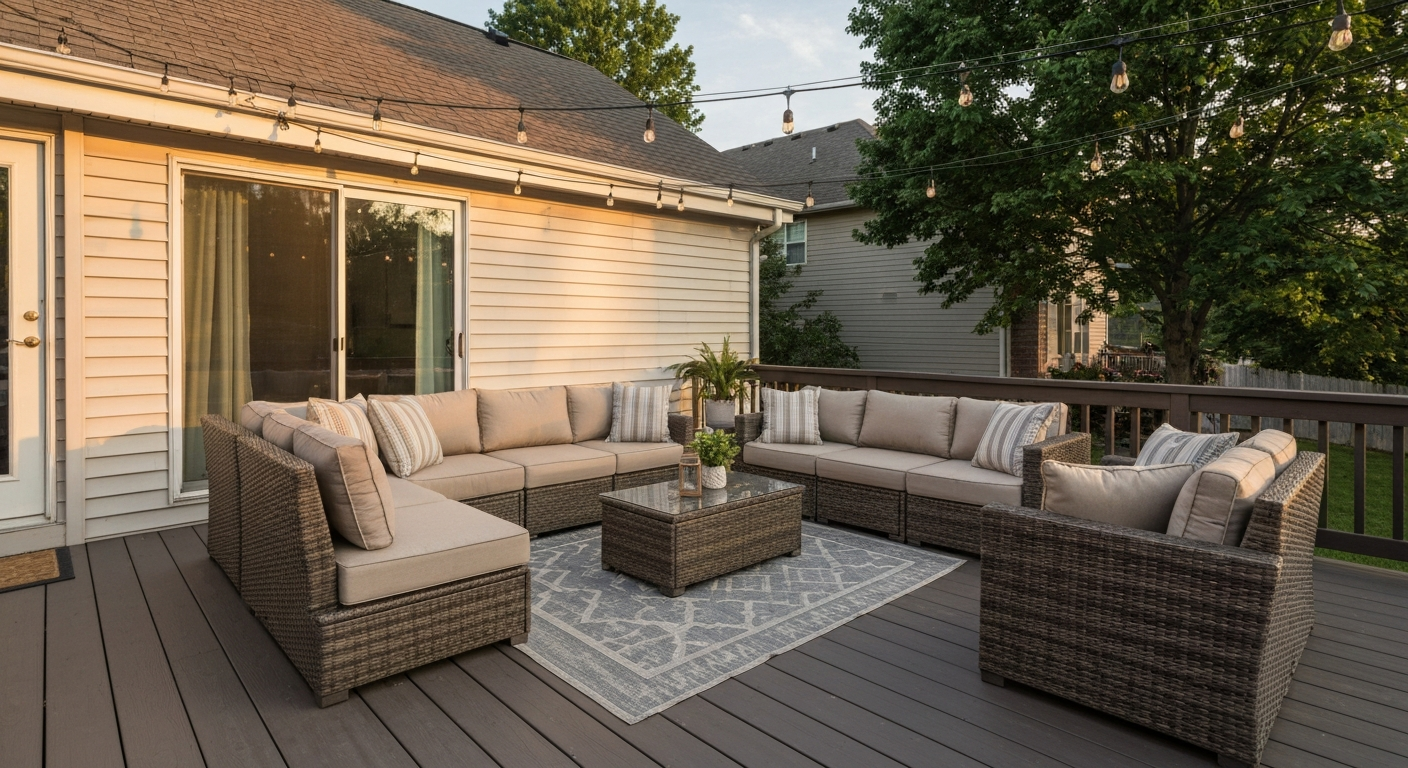
The best patio swing for most people right now is a powder-coated steel or HDPE lumber frame model in the $300–$600 range, with a removable, zippered cushion cover and at least a 500 lb weight capacity. That combination gives you genuine weather resistance, comfortable seating for two adults, and enough build quality that you're not replacing it in two seasons. If you're willing to spend more, POLYWOOD's recycled-lumber swings back their frames with a 20-year residential warranty and genuinely hold up through years of sun, rain, and freeze-thaw cycles. If budget is the priority, Costway's wicker-wrapped steel frames offer surprising capacity (up to 800 lbs on some models) at entry-level prices, though you'll manage cushion wear and minor squeaking yourself. Below is exactly how to choose between them, what real owners report, and which models are worth your money today.
Patio Swing Reviews: Best Picks by Budget and Patio Size

How to choose the best patio swing for your space
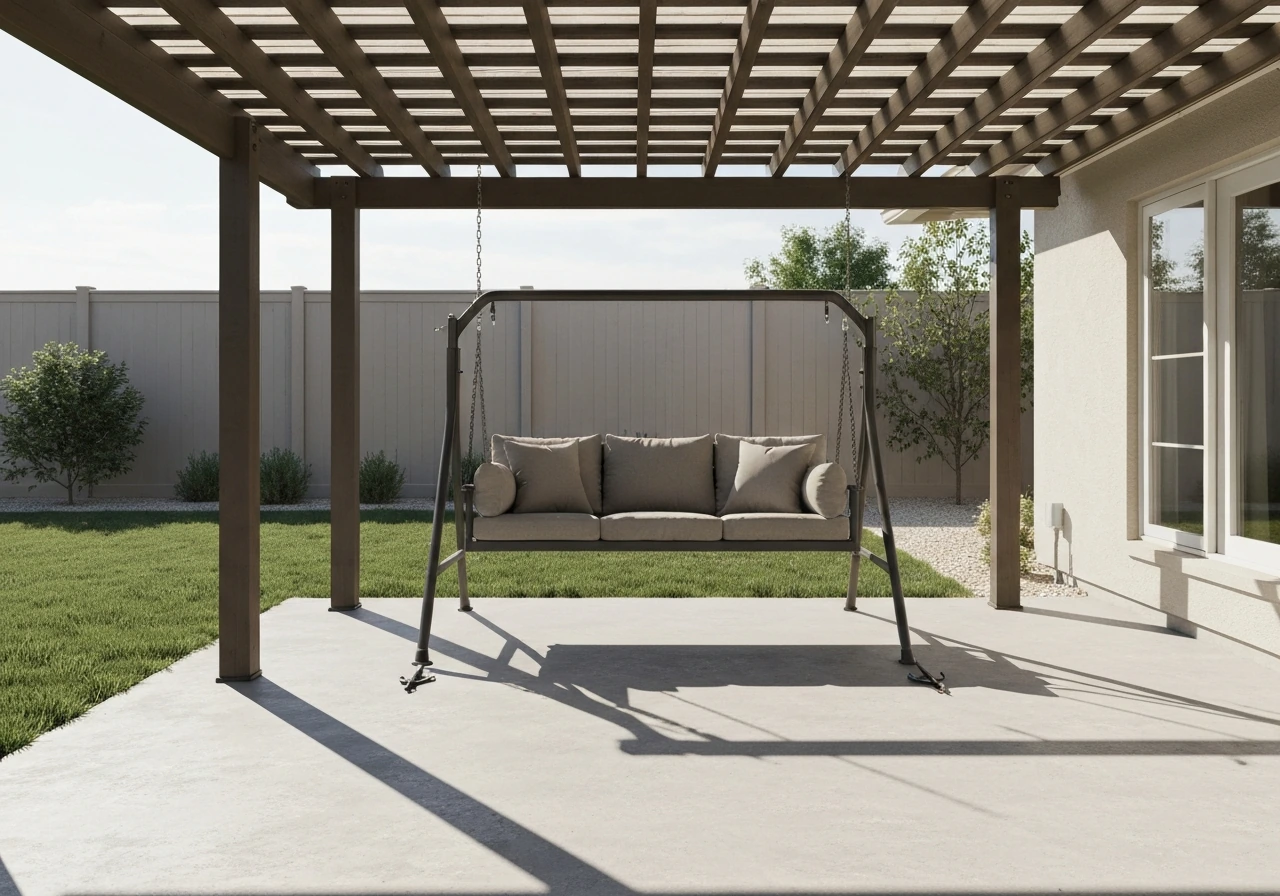
Before you look at any product listing, figure out your actual usable patio space. A patio swing needs more room than its listed footprint suggests. POLYWOOD's own assembly guidance calls for 3 to 4 feet of clearance in front and behind the swing for safe movement, plus 12 to 14 inches on each side. If you're hanging a two-chain swing instead of a four-chain model, add another 2 to 4 feet to that front-and-back clearance because the arc of motion is wider. Seat height should land between 17 and 19 inches from the floor so most adults can sit comfortably and touch the ground without strain. Measure your porch or patio, subtract the clearance zones, and whatever footprint is left is the maximum frame size you should be shopping.
Once you know your space, think about how you actually plan to use it. A 47-inch-wide seat (like you'll find on many Costway two-person models) fits two average adults with a little shoulder contact. A 60-inch frame, which POLYWOOD's Vineyard swing uses, gives you genuine elbow room for two people or lets a single person sprawl out. If you're buying a freestanding swing with its own A-frame, the frame itself is usually about 12 to 18 inches longer on each side than the seat, so factor that in. Hanging swings from a porch ceiling anchor need structurally sound ceiling joists rated for dynamic load, not just the static weight of two people.
Climate matters more than most people realize at the shopping stage. If you're in a humid coastal area or the Pacific Northwest, wood and untreated metal frames are a maintenance burden. If you're in the desert Southwest, fabric and foam cushions degrade faster from UV exposure than from moisture. Match the frame material and cushion fabric to your specific conditions, not just the product photos.
Key features that drive comfort and durability
Frame material
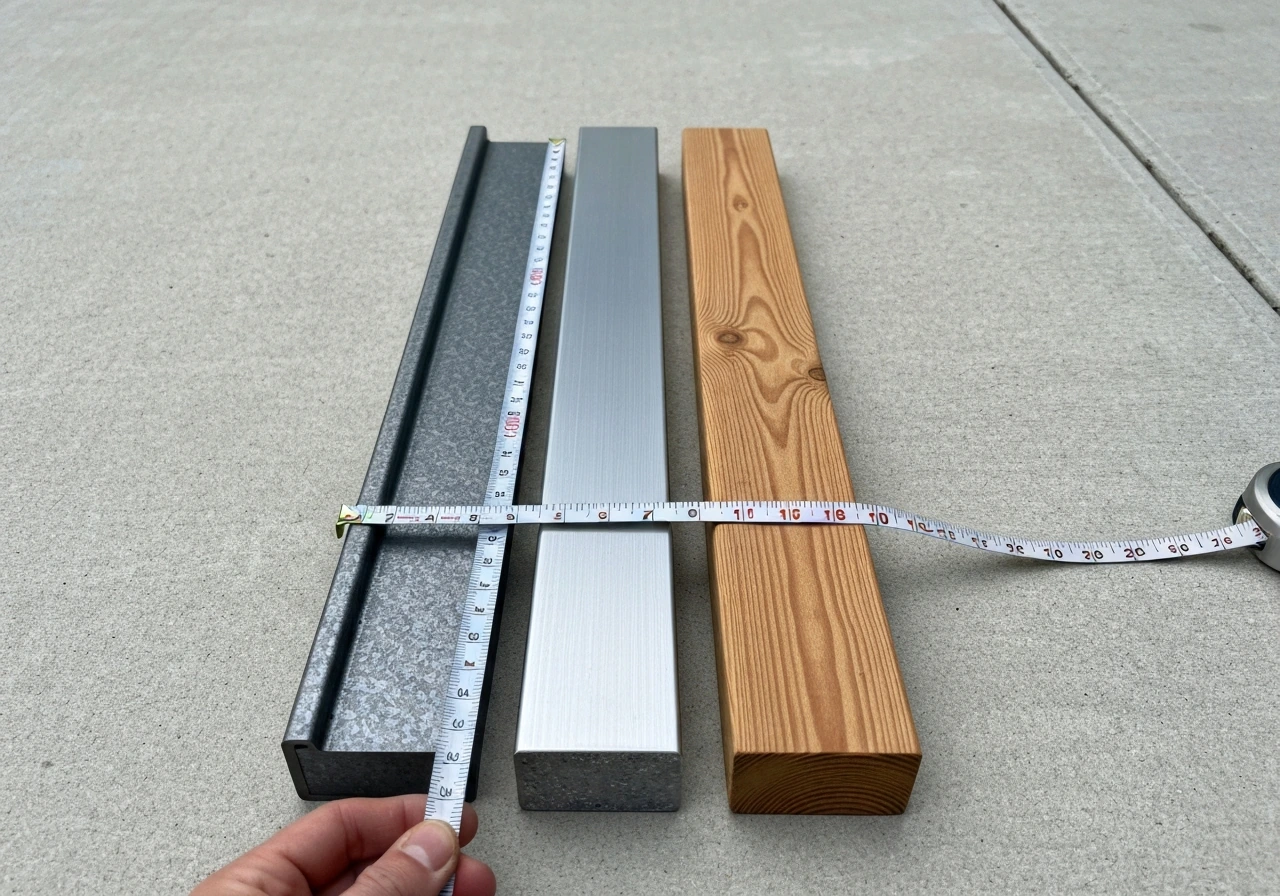
The frame is the single most important durability decision. There are three main options at play across the market right now: powder-coated steel, aluminum, and HDPE recycled lumber (what POLYWOOD calls ClimateTuff). Powder-coated steel is the most common in the budget-to-mid range. It's strong and affordable, but the coating eventually chips or scratches, and exposed steel can rust. Some warranties, including Home Depot's metal furniture coverage, explicitly exclude rust and corrosion from warranty claims, so once the coating goes, you're on your own. Aluminum is lighter, naturally rust-proof, and holds a powder coat finish well. It costs more than steel but less than premium lumber. HDPE lumber looks like wood, won't rot or splinter, and holds up through freeze-thaw cycles without cracking. POLYWOOD warranties their lumber for 20 years under normal residential use, which is the best structural warranty on the market for outdoor furniture.
Suspension and hardware
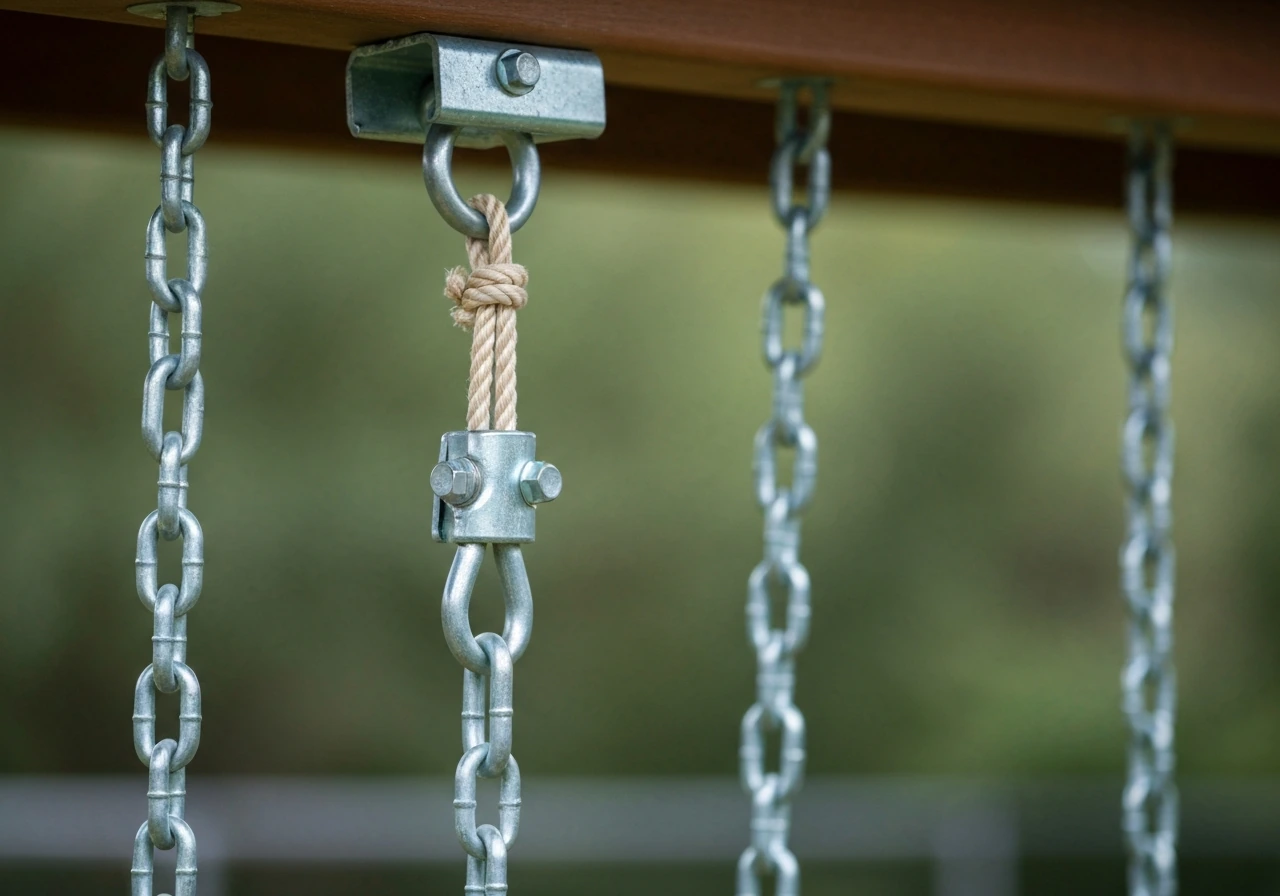
Chains, ropes, and hanging hardware are where a lot of budget swings quietly fail. Look for galvanized or stainless steel chains rather than bare steel. Rope systems (like the 118-inch hanging ropes included with some Costway models) can work fine initially, but they degrade faster than chain in direct sun and UV. Check whether the swing's S-hooks and mounting hardware are included and whether they're rated for the seat's stated weight capacity. On freestanding swings, pay close attention to the A-frame joint welds and the crossbar hardware. Loose bolts and flex at the joints are the first sign of a swing that won't make it through multiple seasons. POLYWOOD covers welds and joints with a 5-year warranty; most budget brands offer one year or less.
Cushions and fabric
Cushion quality separates comfortable swings from ones you stop using by August. Look for high-density polyurethane foam filling (not shredded foam scraps) and covers made from quick-drying, UV-resistant fabric. West Elm's outdoor cushions use 100% polyurethane foam fills with quick-drying, water-repellent, fade- and stain-resistant fabric and machine-washable removable slipcovers. That's the benchmark to compare against. Zippered removable covers are a must, not a nice-to-have. Without them, one bad rainstorm that soaks the foam leads to mildew smell and cushion replacement within a season. POLYWOOD's sling fabric is covered by a 3-year warranty for loss of dimensional stability due to sunlight, mildew, or rot. Budget cushions typically carry no meaningful fabric warranty at all.
Top patio swing picks by budget and premium tier
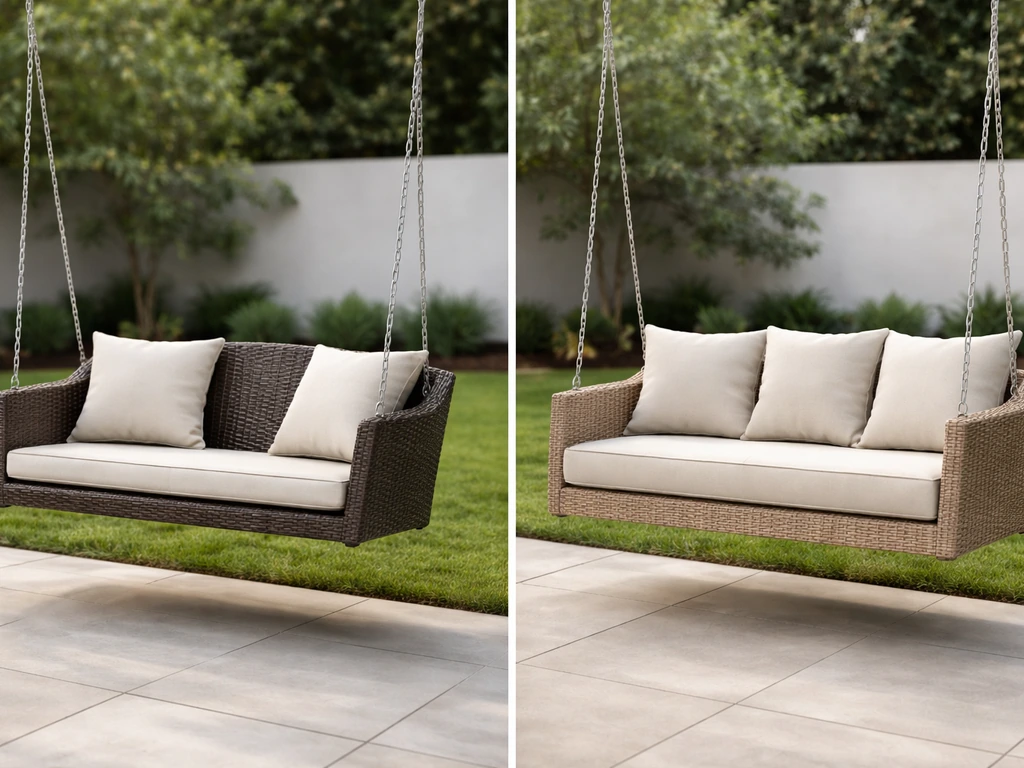
| Brand / Model | Price Range | Frame | Capacity | Warranty Highlights | Best For |
|---|---|---|---|---|---|
| Costway 2-Person Wicker Hanging Swing | $150–$250 | PE rattan over steel | 800 lbs | 1 year (typical) | Budget buyers, covered patios |
| Costway 2-Person Metal Swing with Canopy | $200–$350 | Powder-coated steel + tempered glass | 530 lbs | 1 year (typical) | Budget, likes canopy shade |
| VEIKOUS Wood Porch Swing | $150–$300 | Solid wood | Varies | Limited / 1 year | Budget, dry climates only |
| POLYWOOD Vineyard 60 in. Porch Swing | $400–$600 | HDPE recycled lumber | Varies by config | 20-yr lumber, 5-yr frame/hardware | Mid-premium, all climates |
| Agio Luna Woven Patio Swing | $600–$1,000+ | Steel + woven resin | Varies | Brand warranty | Mid-premium, aesthetic priority |
| West Elm / Pottery Barn Outdoor Swings | $800–$2,000+ | Teak or powder-coated aluminum | Varies | 1–5 years depending on component | Premium, design-led buyers |
| Frontgate Outdoor Swings | $1,000–$3,000+ | Aluminum or wrought iron | Varies | Brand dependent | Luxury, high-use, coastal climates |
At the budget end, Costway is the most consistently available option through Wayfair, Home Depot, and Costway's own site. The PE wicker over steel frame holds its shape reasonably well in mild climates, the 800 lb capacity rating is genuinely reassuring for families, and the cushions ship with zippered covers. The tradeoff is that the welds and hardware are not precision-engineered, and you should expect to tighten bolts seasonally. The VEIKOUS wood swing at Lowe's has attracted real user reports of wood rot and rail failure after about one year, which points to wood construction being a risky choice unless you're diligent about sealing and storing it.
In the mid-range, the POLYWOOD Vineyard 60-inch swing consistently earns the strongest long-term owner feedback. Lowe’s also hosts multi-page customer review threads for the POLYWOOD Vineyard 60 in. swing, which you can use to extract recurring owners’ themes like comfort and wear over time. Real buyers at Lowe's describe it as beautiful and comfortable, and the 20-year lumber warranty isn't marketing language. POLYWOOD backs it. The cushion, which you'll likely want to add separately (a 55 x 17.5 inch cushion fits the Vineyard frame well), does cost extra, but it's a one-time investment on a frame you won't be replacing. At the premium end, West Elm and Pottery Barn swings prioritize aesthetics and cushion quality but don't necessarily out-perform POLYWOOD on structural durability. Frontgate's outdoor swings are well-engineered but priced for buyers who want maximum material quality and aren't price-sensitive. For most readers, POLYWOOD hits the best sweet spot of durability, warranty coverage, and price.
Weather resistance and maintenance
Steel frames need the most active maintenance of any swing material. The powder coat finish is your only defense against rust once the frame is outdoors. Chip it with a dropped tool or a hinge that rubs, and moisture gets in. Touch up chips with rust-inhibiting paint before you see orange staining, not after. Lowe's explicitly notes that rust and corrosion are real long-term risks for metal patio swings, and some product warranties flat-out exclude corrosion from coverage. HDPE lumber (POLYWOOD) and aluminum don't rust at all. If you're in a coastal salt-air environment, aluminum or HDPE is the only rational choice for a frame you want to last more than three to five years.
Cushions need to come inside or go under a fitted cover whenever rain is expected for more than a day. If a cushion shows issues like fabric tears or loose stitching, stop using it to prevent further damage and contact Home Depot customer service for repair or replacement options. Even quick-drying foam will hold enough moisture over multiple rain events to start growing mildew in the seam areas. A fitted patio furniture cover costs $30–$60 and extends cushion life by years. Clean covers with mild soap and cold water rather than a pressure washer, which can break down the water-repellent coating. At the end of the season, store cushions in a dry interior space. Chains and hardware benefit from a light wipe-down with a silicone-based lubricant once or twice a year to prevent seizing and reduce the squeaking noise most swing owners eventually deal with.
POLYWOOD's powder coat finish on metal components is warranted for 5 years, and their sling fabric for 3 years. Most budget brands offer 1-year general warranties that may exclude fading, corrosion, or fabric wear explicitly. Read the warranty before you buy, not after something breaks.
Safety, stability, and weight capacity
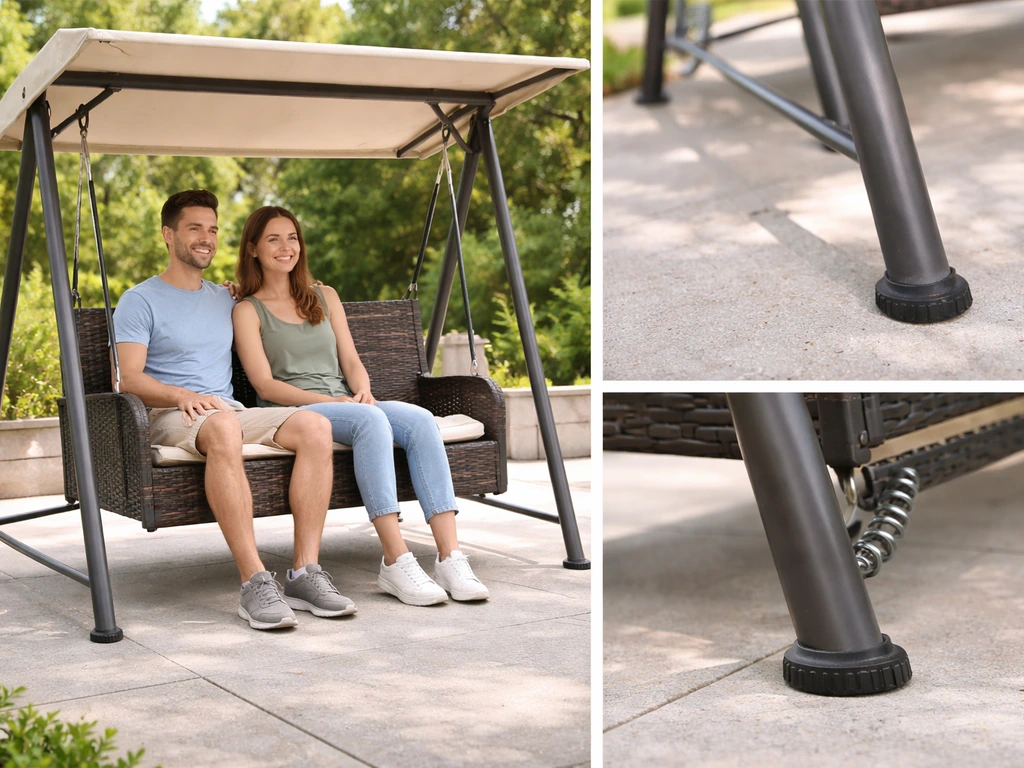
Weight capacity numbers deserve some skepticism. A 800 lb rating on a Costway steel-frame swing is a stated maximum, not a comfortable operating load. In practice, treat rated capacity as a ceiling, not a target. For two adults averaging 175 to 200 lbs each, a 400+ lb rated swing has meaningful safety headroom. For three adults or heavier users, look for 500 lb or higher and verify the ceiling anchor point or A-frame hardware is rated to match. Never exceed the stated weight limit; it's a safety constraint, not a suggestion.
The Agio woven patio swing recall from Costco is a real-world reminder of what happens when seat-to-frame attachment hardware fails. In that case, the swing seat could detach from the frame during use, creating a fall and injury risk serious enough to prompt a formal safety recall. Before you sit in any swing you've just assembled or purchased used, pull firmly on all connection points, check that every bolt is torqued to spec, and confirm the seat attachment hardware shows no visible deformation or cracking. This is especially important for woven or sling-seat designs where the attachment hardware is hidden under decorative weaving.
For ceiling-hung swings, use structural ceiling joists rated for dynamic load. The rule of thumb from installation guides is to allow 3 to 4 feet of clearance front and back, and 12 to 14 inches on each side. If you're mounting to a porch ceiling and can't locate or verify the joists, hire a contractor rather than guessing. A swing failure from a bad ceiling mount can cause serious injury.
What real owners actually report
Across real user reviews on Lowe's, Wayfair, Home Depot, and Costway's own site, a few themes repeat consistently regardless of price tier. If you are also shopping for a grand patio rocking chair, reading grand patio rocking chair reviews can help you spot common comfort and durability tradeoffs before you buy real user reviews. Squeaking is the most universal complaint. It shows up on budget steel swings within one season and on higher-end swings after two to three years. It almost always comes from the chain-to-eye-bolt connection or the A-frame pivot point. A silicone spray or lithium grease applied to those contact points fixes it temporarily. Some owners describe it as an ongoing seasonal ritual rather than a fixable problem.
Cushion sagging is the second most common long-term complaint, particularly on budget swings where the foam fill compresses permanently after heavy use. This is harder to fix than squeaking because replacement cushions often don't fit perfectly if the swing manufacturer discontinued the model. Owners of POLYWOOD Vineyard swings who purchased third-party cushions report that a 55 x 17.5 inch cushion fits the 60-inch frame well, which at least gives you aftermarket options. For budget swings, measure the seat carefully before assuming a replacement cushion will fit.
Frame flex and wobble are reported more often on freestanding A-frame swings than on porch-hung designs, particularly in the $150 to $300 price range. Users describe tightening bolts repeatedly through the first season and occasional creak from the A-frame joints under load. On premium swings, this is rare. On budget swings, plan for it and keep a wrench nearby.
- Squeaking at chain or pivot connections: almost universal after one to two seasons, manageable with lubrication
- Cushion compression and sagging: budget foam fills flatten within one to two seasons of regular use
- A-frame wobble and bolt loosening: common on budget freestanding swings, rare on premium frames
- Fabric fading: high-UV climates show cushion color change within one to two seasons without UV-resistant fabric
- Wood rot on low-cost wood swings: real-world reports confirm failure within one year in humid climates
- Rust at chip points on powder-coated steel: visible within one to two seasons if coating is damaged and untouched
Value for money: price, warranties, and how long they actually last
A $200 Costway swing that lasts three to four seasons before rust, cushion failure, or frame flex forces replacement costs you roughly $50 to $65 per year. A $500 POLYWOOD swing with a 20-year lumber warranty and durable hardware might easily last 10 to 15 years with basic seasonal maintenance, putting your annual cost at $33 to $50 per year while delivering a substantially more comfortable and stable experience throughout. That math usually favors the mid-range or premium option for anyone who actually plans to use the swing regularly, rather than occasionally.
The warranty tells you what the brand actually believes about their product. A 20-year lumber warranty (POLYWOOD) is a real commitment. A 1-year general warranty with corrosion excluded (common in budget steel) means the brand knows the finish has limits and doesn't want to cover them. West Elm and Pottery Barn sit in the middle: their cushion and fabric quality is genuinely high, but structural warranties are shorter than POLYWOOD's. Frontgate tends to use heavy-gauge materials and robust construction, but you're paying a significant premium for aesthetics and brand positioning alongside durability.
If you want the best warranty-backed durability at a fair price, POLYWOOD is the clear answer. If budget is the real constraint, a Costway steel-frame swing on a covered patio with diligent maintenance can serve you reasonably well for three to five years. Avoid untreated or lightly sealed wood swings unless you're committed to annual re-sealing and winter storage. And regardless of what you buy, get a fitted cover, plan to bring cushions inside seasonally, and lubricate the chain hardware once a year before you wonder why it's squeaking. If you're specifically searching for rv patio mat reviews, look for mats designed for outdoor RV use that handle moisture and UV exposure without shedding or collapsing.
Your next steps: a quick decision checklist
- Measure your usable patio space and subtract 3–4 feet front and back plus 12–14 inches per side for swing clearance before you shop by frame size.
- Decide your budget range honestly: under $300 means managing maintenance yourself; $400–$600 gets you a warranty-backed frame; $800+ buys premium materials and aesthetics.
- Match frame material to your climate: HDPE lumber or aluminum for coastal, humid, or high-UV environments; powder-coated steel only on covered patios in mild climates.
- Confirm weight capacity covers all realistic users with at least 20–25% headroom above your expected seated load.
- Check the cushion cover: removable, zippered, and made from UV-resistant quick-drying fabric are non-negotiable for outdoor longevity.
- Read the warranty terms before purchase, specifically looking for rust/corrosion exclusions, fabric coverage, and what voids coverage.
- Buy a fitted furniture cover at the same time as the swing, and plan to store cushions indoors at the end of each season.
- After assembly, pull-test all seat attachment points and chain connections before first use, and re-torque all bolts after the first 30 days.
If you want a single recommendation without any conditions: get the POLYWOOD Vineyard 60-inch porch swing, add a quality aftermarket cushion sized to the frame, hang it from verified structural joists, and treat it to a chain lubrication once a year. It's the most defensible choice across durability, warranty, comfort, and long-term value in the current market. For everyone working with a tighter budget, a Costway wicker-over-steel model on a covered porch is a real option, just go in knowing that you're managing it rather than setting and forgetting it. If you also want patio dining sets, check patio dining sets reviews to compare durability, comfort, and real owner complaints before buying.
FAQ
Can I hang a patio swing from a porch ceiling, or does it need to sit on the ground?
Yes, but only if your attachment hardware and the ceiling structure are up to a dynamic, swinging load, not just the stated person weight. In practice, use rated joist hardware (not drywall anchors), and re-check the tightness after the first week because new connections can settle slightly.
How should I interpret the weight capacity number on patio swing reviews?
For most homeowners, the safest way is to treat the advertised weight rating as a ceiling, then size up for your heaviest likely load plus kids jumping, leaning, or rocking harder than normal. The article notes 400+ lb gives headroom for two adults, but if you expect three users, 500 lb or higher is the safer threshold.
What’s the best way to prevent rust on a powder-coated steel patio swing?
If the frame is steel with a powder coat, touch-up paint should be rust-inhibiting and applied as soon as you chip through the coating, ideally before orange staining appears. For aluminum or HDPE, you can skip rust prevention, but you still want to check for loose bolts and keep hinges clean to reduce squeaks.
How do I keep swing cushions from getting mildew or sagging?
Prefer cushions with removable, zippered covers plus quick-drying foam, and plan to keep them covered or indoors during multi-day rain. Even when foam dries, seam areas can hold moisture and start mildew, so use a fitted cover and inspect corners and zippers after wet stretches.
Can I replace cushions with third-party options if the original brand changes sizes?
Third-party cushions are often possible, but you need to match both width and thickness and confirm the attachment points, if your model uses straps or brackets. The Vineyard example suggests a specific size for the 60-inch frame, so measure your seat opening and verify fit before ordering replacements.
My patio swing squeaks, what part should I lubricate first?
Most squeaking comes from metal-on-metal contact at chain, bolt, eye-bolt, or the A-frame pivot. A seasonal lubrication schedule matters, wipe off old grit first, then apply a light silicone-based lubricant or lithium grease at the contact points, and wipe excess so it doesn’t attract dust.
Why do freestanding patio swings wobble more than porch-hung models, and what can I do?
It’s usually the A-frame joints, crossbar hardware, or how the legs sit on your surface. If you have wobble, confirm the floor is level, then tighten all joints to spec (and re-tighten after the first few uses), because budget A-frames commonly need periodic adjustment.
Should I cover my swing year-round, and what cover mistakes are common?
Yes, but choose the cover based on weather season, not just “fits the swing.” Use breathable or well-ventilated covers when possible, keep cushions inside or under a fitted rain cover during long wet spells, and avoid pressure washing since it can degrade water-repellent coatings.
Is it safe to buy a patio swing used, and what should I inspect before sitting on it?
Used swings can be fine if the attachment hardware is intact and not deformed, and if the seat-to-frame connections show no cracking or pulled-through points. Before using, pull test all connection points, inspect hidden hardware under woven or sling seats, and verify the worst damage locations are still solid.
Which patio swing materials hold up best in coastal or freezing climates?
If you live in freeze-thaw areas or coastal salt air, avoid untreated or lightly sealed wood frames and choose HDPE or aluminum for the frame. These materials handle moisture and temperature cycling better, reducing long-term maintenance compared with traditional wood or exposed steel.
Top Home Space Patio Furniture Reviews: Best Picks & Buying Guide
Top Home Space patio furniture reviews: top picks, brand comparisons, ratings, buying checklist & care tips.