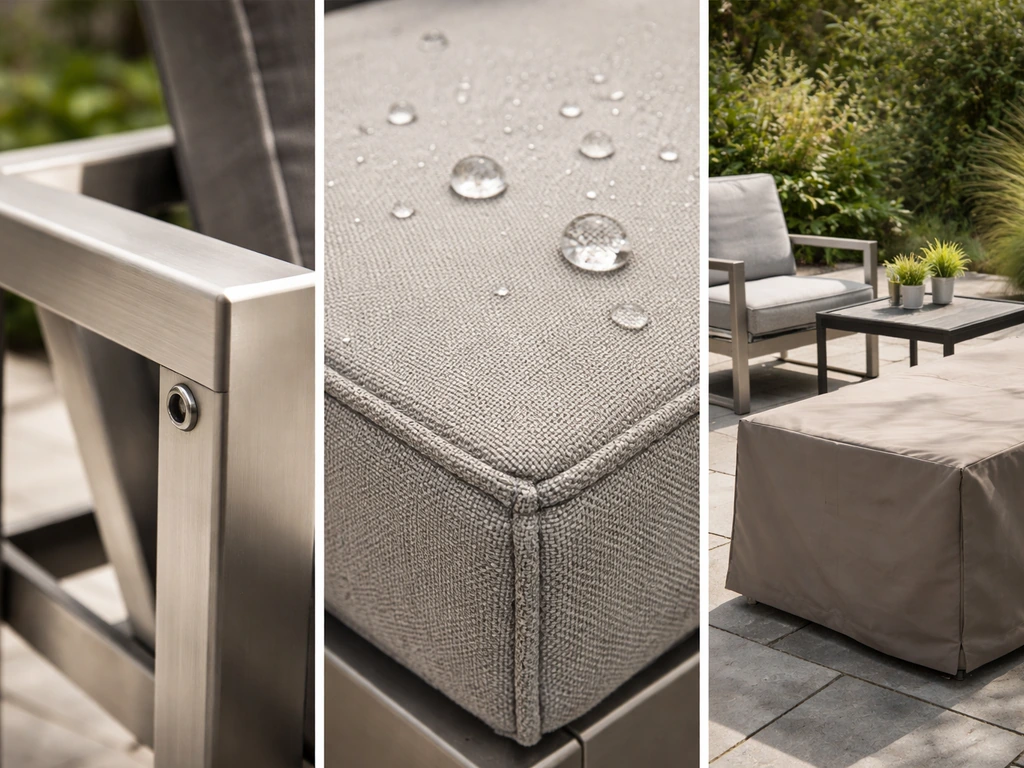
The most reliably durable alfresco patio furniture for most people comes down to three things: powder-coated aluminum or teak frames, high-density outdoor foam cushions with solution-dyed fabric covers, and a brand that actually backs their product with a meaningful warranty. Get those three right and you'll have furniture that survives rain, UV, and years of real use without turning into a wobbly rust pile. Get them wrong and you're back on the patio-furniture merry-go-round in 18 months.
Alfresco Home Patio Furniture Reviews: Buy Smart Guide

Holly Dawson
7 Jul 2026
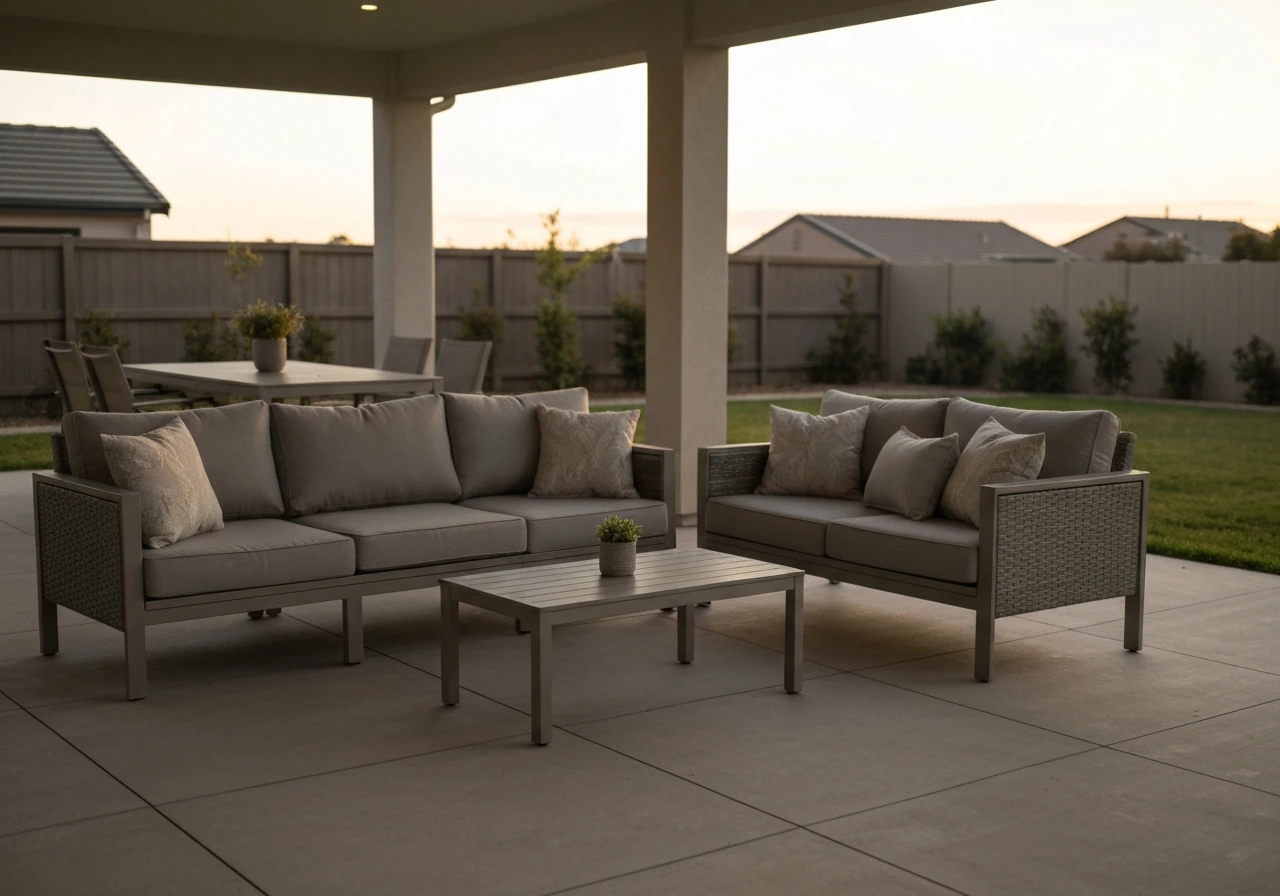
How to read patio furniture reviews (what actually matters)
Most online patio furniture reviews are either five-star hype from people who just unboxed the thing or one-star rage from a shipping damage claim. Neither tells you much. The reviews worth reading are the ones posted six to eighteen months after purchase, where someone describes how cushions held up through a summer, whether the frame developed rust spots, or if the chair still sits level. If you want, you can use this checklist specifically to narrow in on lokatse home patio furniture reviews and spot patterns that match your climate and usage. Those are the signals that predict whether your furniture survives year two.
Here are the specific review signals I weight most heavily when evaluating any alfresco patio furniture set or piece: If you want the fastest way to narrow down choices, also skim top home space patio furniture reviews for the specific signals that match your budget and climate.
- Frame wobble after 3 to 6 months: joints and welds are the first failure point on budget metal furniture. If multiple reviewers mention a chair rocking or a table leg loosening, that's structural, not a fluke.
- Cushion compression and water retention: cheap foam cores compress flat within one season and trap water, which leads to mildew and a musty smell that never fully goes away. Look for reviewers who describe whether cushions still feel supportive after a full summer.
- Rust and finish degradation: surface rust on powder-coated steel within the first year is a defect signal. Light surface oxidation on bare steel after two or three years outdoors is normal wear. Reviewers often conflate these, so pay attention to the timeline.
- Fading: most outdoor fabric warranties explicitly exclude color fading and discoloration from sun exposure, which means if reviewers are complaining about faded cushions after one season, that's a fabric quality issue, not a warranty claim you'll win.
- Assembly experience: an unusually frustrating assembly often signals poor tolerances in the hardware or frame, which also predicts how well the piece holds up under repeated use.
- Shipping and returns: damaged-on-arrival rates reveal how well a brand packs and supports large items. One or two complaints are normal; a pattern is a red flag for the brand's logistics or packaging quality.
One thing I always do: filter reviews by your climate's closest match. A reviewer in humid Florida complaining about mildew under their cover is a different data point than the same complaint from someone in dry Arizona. Weather context changes everything when it comes to outdoor furniture performance. If you're considering Homall, reading homall patio furniture reviews helps you spot patterns in durability, cushion comfort, and warranty support before you buy.
Top-rated picks by category: sets, seating, and tables
Outdoor dining sets
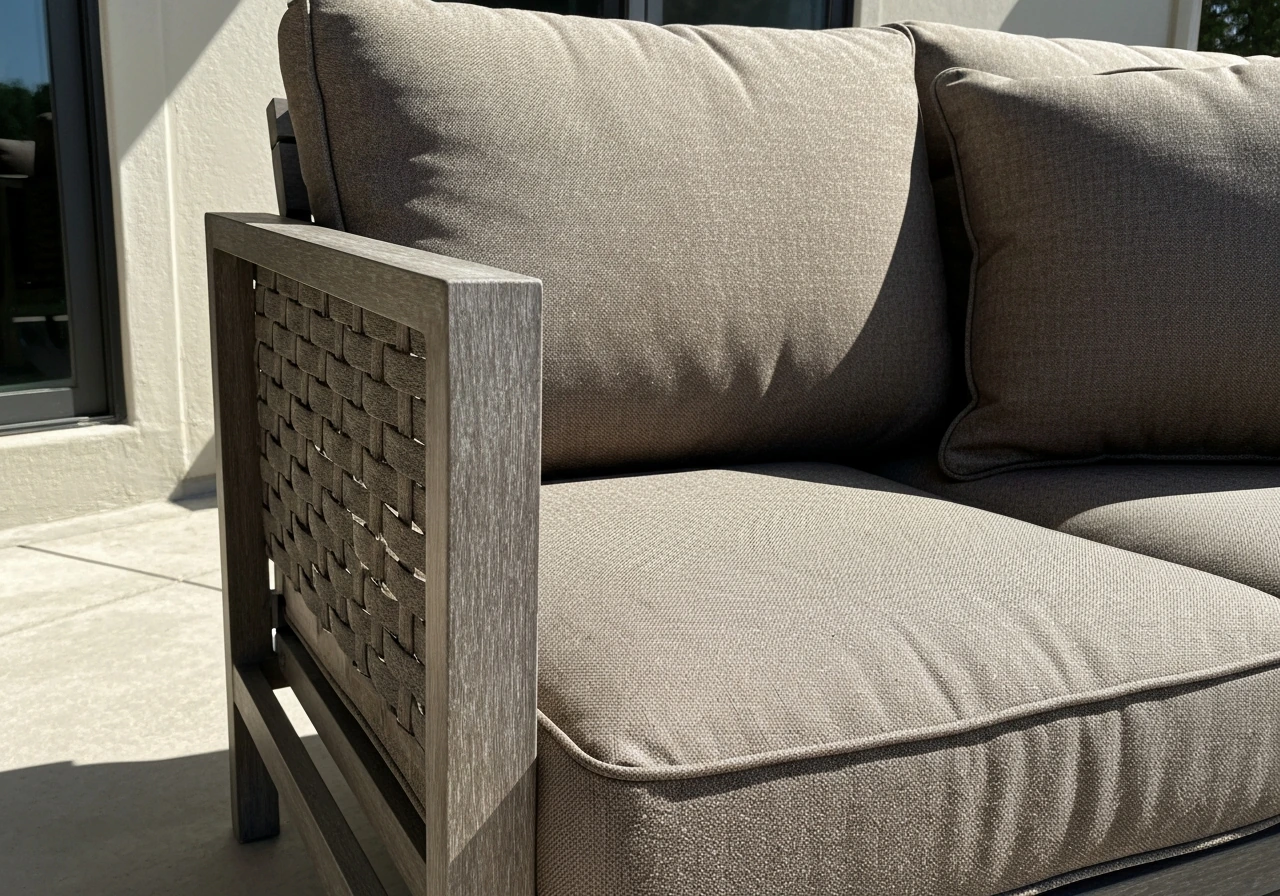
Dining sets are where most people overspend or underspend. A budget 5-piece set from Costway can absolutely work for a covered patio with light use, but expect to replace cushions within two seasons and tighten hardware annually. At the mid-range (roughly $600 to $1,500), you start seeing better weld quality and thicker-gauge aluminum. Frontgate's outdoor dining collections sit at the premium end with a 10-year structural frame warranty, and that warranty is meaningful because it signals the brand is confident in the joint and weld quality that reviewers consistently flag as the failure point on cheaper sets. For most people who eat outside regularly, a mid-range cast aluminum or powder-coated steel set with a replaceable cushion program is the sweet spot.
Outdoor seating and conversation sets
Conversation sets (the sofa-and-chairs-around-a-coffee-table format) live or die by cushion quality. The West Elm Portside is a well-reviewed example at the upper-mid price point. It has good bones and looks sharp, but reviewers consistently note that the warranty is only one year, and cushion comfort drops noticeably after a couple of seasons. The good news is West Elm sells replacement cushion sets for the Portside, which extends the life of the frame considerably if you're willing to spend a bit more down the line. That replaceable-cushion model is worth actively looking for in any conversation set you're considering.
Individual chairs and benches
Individual pieces are the best place to mix quality levels strategically. A solid teak bench doesn't need much maintenance and will outlast most sets. Pair it with a budget side table and you've allocated your money well. For dining chairs specifically, look for reviews that mention whether the chair still sits flat after heavy use. Wobble is the most common failure mode and it almost always starts at the leg joints, not the frame tubes themselves.
Patio swings and hanging chairs
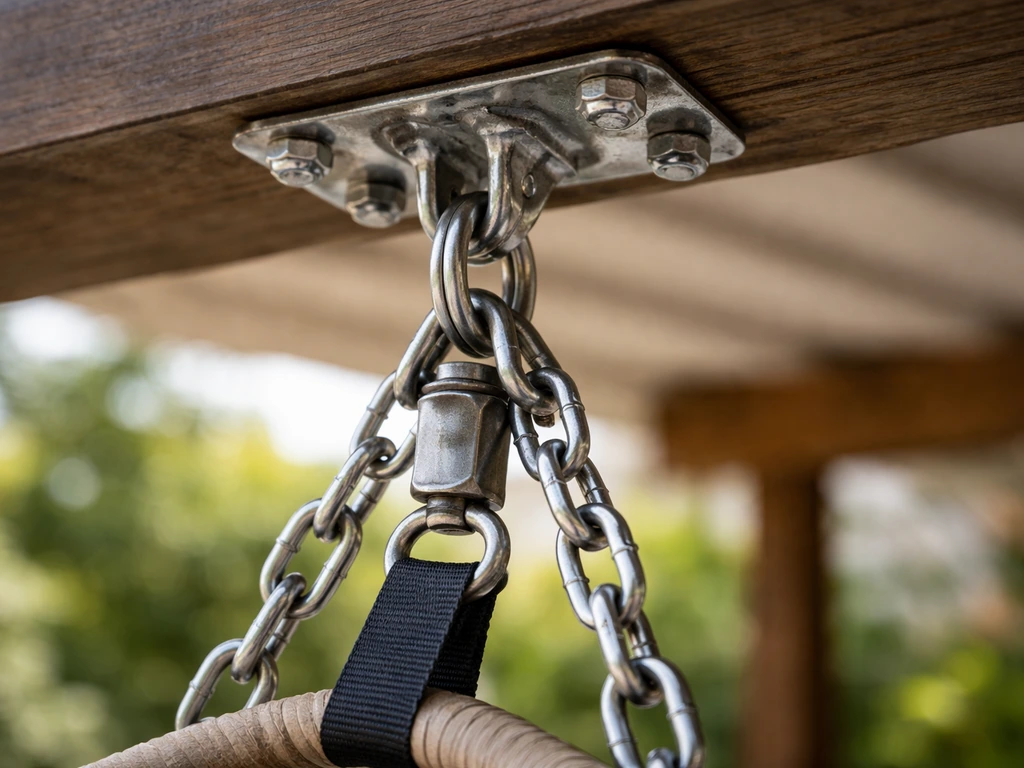
Swings and hanging chairs carry more structural risk than static furniture because they're under dynamic load. Reviews here should specifically mention how the hanging hardware holds up, whether the frame or mount shows stress after a season, and how the cushion handles repeated compression from swinging motion. This is a category where I'd avoid the absolute lowest price tier entirely.
Material and construction performance: what actually holds up
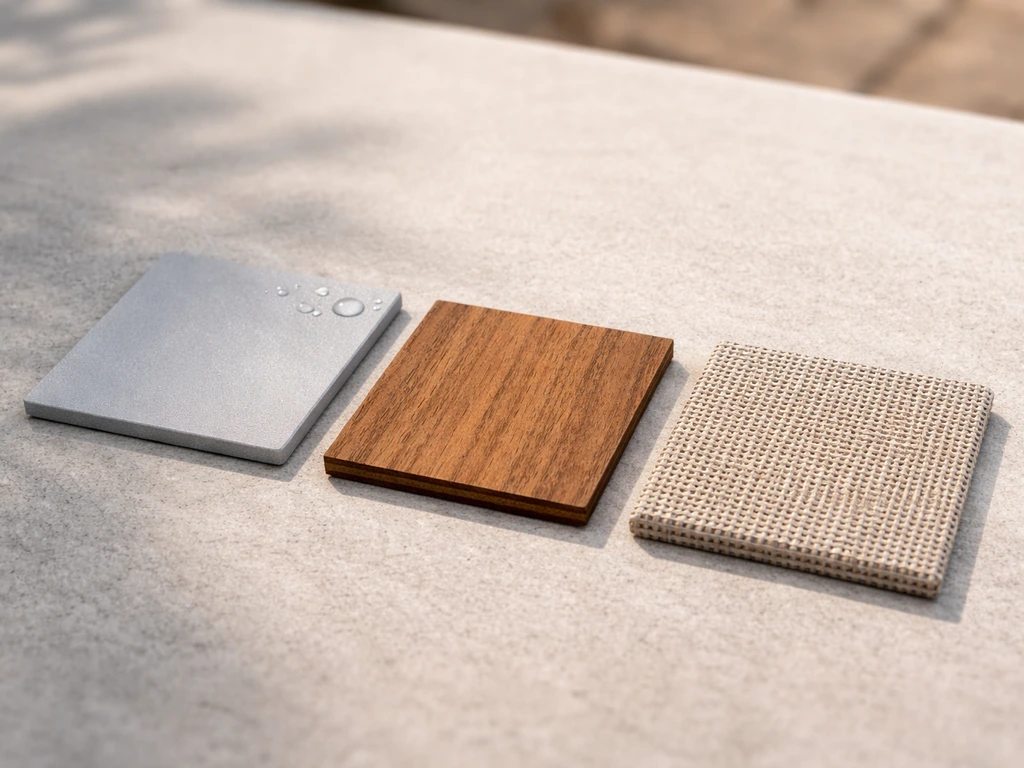
| Material | Best For | Rust/Corrosion Risk | UV/Fade Risk | Maintenance Level | Typical Lifespan |
|---|---|---|---|---|---|
| Powder-coated aluminum | All climates, especially coastal/humid | Very low | Low to moderate | Low | 10 to 20+ years |
| Powder-coated steel | Dry climates, covered patios | Moderate (if finish chips) | Low | Moderate | 5 to 10 years |
| Teak wood | All climates, premium look | None | Grays naturally without oiling | Low to moderate | 20+ years |
| Eucalyptus wood | Moderate climates | None | Moderate without sealing | Moderate | 8 to 15 years |
| All-weather wicker (resin) | All climates | None (over aluminum frame) | Moderate | Low | 5 to 10 years |
| Natural rattan/wicker | Covered/indoor-outdoor only | None | High | High | 2 to 5 years outdoors |
Powder-coated aluminum is the workhorse material for a reason. It doesn't rust, it's lightweight, and the powder coat finish holds up well against UV. The key caveat: corrosion issues on any metal outdoor furniture are heavily influenced by how you maintain the finish. Chips and scratches in the coating expose the metal underneath, and even rust-resistant aluminum can show surface oxidation at damage points. Home Depot's own care guidance points this out directly: maintenance practices matter as much as the base material. Touch up any chips with matching outdoor paint and you dramatically extend the frame life.
For cushions, the fill material and fabric cover are two separate decisions. High-density quick-dry foam wrapped in solution-dyed acrylic (like Sunbrella) is the benchmark. Solution-dyed fabric has the color locked in at the fiber level, not just printed on the surface, which is why it resists fading far better than standard outdoor polyester. Cheap foam cores compress quickly and hold moisture, which is the direct cause of the mildew smell reviewers complain about. If a product listing doesn't specify foam density or fabric type, that's a yellow flag.
Weather protection, maintenance, and getting covers right
Patio covers are genuinely useful but only if you use them correctly. The single most common mistake is draping a cover tight over furniture that still has cushions on it without any airflow underneath. Water pools on the cover, seeps under it, and sits against the fabric and frame in a low-airflow environment. Mold and mildew thrive in exactly those conditions: damp, dark, and still. PatioProductions notes that mildew and mold thrive in damp, low-airflow areas and can stain and corrode nearby surfaces, which matches the musty-odor reports you see from covered furniture setups. Reviewers who complain about a musty smell after using covers are usually describing this exact setup.
The better approach is to store cushions indoors or in a deck box when not in regular use, then cover the frame with a breathable cover that has vents. Breathable covers let moisture escape rather than trapping it. If you're covering furniture in a humid climate, check under the cover every couple of weeks during wet seasons. Standing water under a cover isn't just a mildew risk, it's also a mosquito breeding ground.
Routine maintenance doesn't need to be complicated. A lot of people share their at-home patio furniture review experiences, including what held up after real weather exposure at home patio furniture reviews. Here's what I actually do, and what the evidence from reviews supports as preventing the most common failures:
- Wash frames and resin wicker with mild soap and water at the start and end of each season. Don't use pressure washers on wicker or powder-coat finishes at close range.
- Inspect powder-coat finish for chips before each season. Touch up any bare metal with a matching outdoor spray paint to prevent rust underneath.
- Store or bag cushions during extended rain or when not in use for more than a few days. If cushions do get wet, stand them on edge so water drains and air circulates on both sides.
- Tighten all hardware bolts mid-season, especially on chairs and dining tables. Joint looseness is progressive: a slightly wobbly chair becomes a significantly wobbly chair by fall.
- Apply teak oil or a UV-protective sealant to wood furniture once a year if you want to preserve the honey-brown color. If you don't mind the silver-gray weathered look, teak needs no treatment at all.
- When putting furniture away for winter, don't stack it directly on concrete without something underneath. Trapped moisture between the feet and a wet slab accelerates corrosion at contact points.
Cover compatibility is something worth checking before you buy. Most universal patio covers list dimensions for rectangular or L-shaped sectionals, but oddly shaped conversation sets or round dining tables often need brand-specific covers or custom sizes. Measure your furniture's footprint including armrests and table extensions before buying a cover, not after.
Value for money across budget tiers: budget vs premium
Let me be direct about this because a lot of patio furniture content glosses over it: budget furniture from retailers like Costway and Temu can be genuinely good value for the right situation, and premium furniture from Pottery Barn, West Elm, or Frontgate is not automatically worth the price premium. The real question is whether the quality difference matches the price gap for your specific use case.
| Tier | Example Brands | Typical Price Range (set) | Frame Quality | Cushion Quality | Warranty | Best For |
|---|---|---|---|---|---|---|
| Budget | Costway, Temu, Amazon Basics | $100 to $400 | Light-gauge steel/aluminum, basic powder coat | Thin foam, standard polyester fabric | 90 days to 1 year, limited | Covered patios, light use, renters, first apartments |
| Mid-range | Hampton Bay, Better Homes & Gardens, Wayfair house brands | $400 to $1,200 | Thicker-gauge aluminum, better welds | Medium-density foam, improved fabric options | 1 to 3 years | Most homeowners, moderate seasonal use |
| Upper-mid / Premium accessible | West Elm, Pottery Barn | $1,200 to $3,000 | Cast aluminum, hardwood options | Better foam density, some Sunbrella options | 1 year (West Elm Portside), varies | Design-conscious buyers, frequent entertainers |
| Luxury / Investment | Frontgate, Restoration Hardware | $3,000 and up | Cast aluminum, marine-grade materials | High-density quick-dry foam, Sunbrella standard | 10-year frame (Frontgate), strong support | Heavy use, harsh climates, long-term investment buyers |
The starkest trade-off in this table is warranty length. Frontgate's 10-year structural frame warranty is one of the strongest signals of genuine build confidence you'll find in outdoor furniture. A brand that offers a 10-year warranty on frame structure is telling you directly that they're not expecting it to fail at the joints. Compare that to West Elm's one-year warranty on the Portside sofa, which is a fine piece but carries more risk of cushion costs down the road. The replacement cushion availability partially offsets that, but only if you're willing to keep investing in the piece.
For budget-tier furniture, the honest math is: expect to replace cushions every two to three seasons ($50 to $150 depending on set size), tighten hardware seasonally, and potentially replace the whole set in four to six years. If you're renting, covering a secondary outdoor space, or just testing out an outdoor living setup, that's totally reasonable. If you're outfitting a primary entertaining patio in a harsh climate and you want to stop thinking about it, the premium tier pays for itself in reduced maintenance burden and longevity. Other home-focused patio brands, like Lokatse Home, YitaHome, and Homall, fall roughly in the budget to low-mid range and are worth considering for secondary spaces or lower-traffic patios.
What to check before you buy: a quick pre-purchase checklist
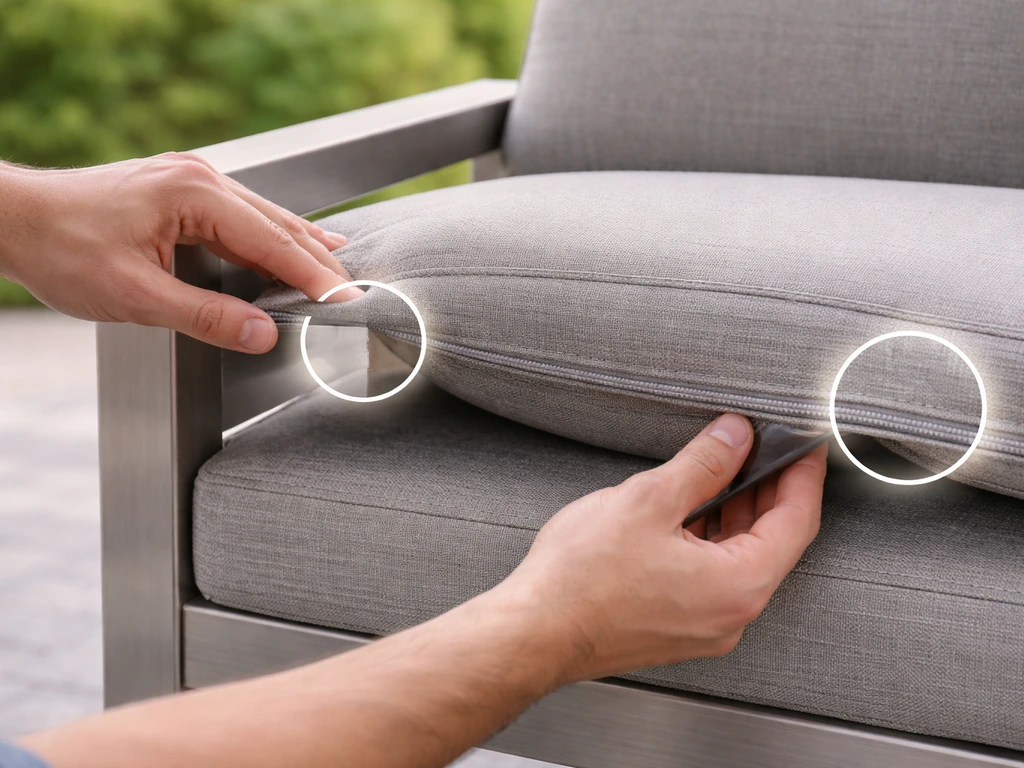
Before you pull the trigger on any alfresco patio furniture set or individual piece, run through this list. It takes ten minutes and it's saved me from several purchases I would have regretted. When you want to narrow options fast, forest home patio furniture reviews can help you spot patterns in frame durability, cushion comfort, and real-world maintenance needs.
- Frame material and gauge: is it aluminum or steel, and does the listing specify the wall thickness or gauge? Thicker is better. "Heavy-duty" in a product name means nothing without specs.
- Cushion foam density and fabric type: look for quick-dry foam and solution-dyed acrylic (Sunbrella or equivalent). If the listing only says "polyester" or doesn't specify foam type, plan for earlier replacement.
- Warranty terms: read the actual exclusions. Most warranties exclude fading and normal wear. A one-year warranty on a $2,000 set is a weaker signal than a 3-year warranty on a $600 set.
- Replacement cushion availability: can you buy cushions separately from the brand in two years? If not, a worn cushion means buying a whole new set.
- Review date range: are there reviews from 12 to 24 months post-purchase? Recent reviews only tell you how it looks out of the box.
- Return and shipping policy: large furniture is expensive to return. Know the return window and who pays return shipping before you order.
- Climate fit: check whether the material is rated for your specific conditions (coastal salt air, high UV, freeze-thaw cycles, or high humidity each put different stresses on furniture).
- Assembly complexity: if reviews consistently mention complex or frustrating assembly, factor in whether you'll need a second person or additional tools not included in the box.
- Actual dimensions vs. listed dimensions: double-check the seat depth and height, not just the overall footprint. A sofa that looks spacious in photos can have a shallow seat depth that feels cramped in person.
The goal with any of this research is to get you from browsing to a confident decision quickly. The best alfresco patio furniture for you is the one that matches your climate, your actual usage frequency, your maintenance tolerance, and your budget honestly. Home furniture and patio reviews can help you spot durability, comfort, and warranty patterns before you buy. Powder-coated aluminum with quality cushions and a strong frame warranty gets you there for the least long-term hassle. Everything else is about finding the right version of that at your price point.
FAQ
Can I leave patio cushions outside under a cover all winter or rainy months?
Yes, but only if you address ventilation and drying. If you cover furniture while cushions are damp, water can pool against fabric, which encourages mildew and accelerates fabric color loss. Store cushions indoors or in a vented deck box, use a breathable cover for the frame, and check under the cover every couple of weeks during wet seasons.
If the frame is powder-coated aluminum, can it still rust?
Powder-coated aluminum usually resists rust, but it can still corrode at damage points. Look for reviews that mention scuffs, coating chips, or rust blooming around fasteners, then factor in whether the brand provides touch-up paint or replacement parts. If the listing is vague about care, assume you will need to manage scratches promptly.
What should I look for in alfresco home patio furniture reviews about cushions?
The most useful comparisons are those that measure cushion durability over seasons, not comfort in week one. Prioritize reviews that describe whether cushions stay firm, whether they smell musty after humid storage, and whether fabric color noticeably fades. Also confirm the product specifies foam type and fabric coating, since missing specs correlate with faster compression and moisture retention.
How can I tell from reviews whether a dining chair will wobble later?
For dining chairs, “wobble” often starts at leg joints and hinges, even when the main frame is sturdy. When reading reviews, search for terms like loose, rocking, uneven, or wobbling after X months, and note whether the manufacturer offers replacement legs, hardware, or tightening instructions. If replacement parts are not available, consider a mid-range set with documented maintenance.
Do universal patio covers actually work, or should I buy a brand-specific one?
Not always. Covers labeled “universal” may fit the outline, but they often miss armrest height, table extensions, and corner geometry, causing bagging and water pooling. Measure your furniture footprint including overhangs, then confirm the cover’s listed dimensions and whether it has a vented design for airflow.
Is a longer warranty always a better sign in patio furniture reviews?
A longer warranty helps, but it matters what is covered. Pay attention to whether the warranty is for structural joints and welds, fabric fading, cushions, or just cosmetic defects. Reviews can reveal the practical gap between “warranty length” and “what they actually fix,” especially for cushion replacement claims.
Can I mix premium and budget pieces without regretting it later?
Yes, and it is not just about appearance. Mixing a durable bench or teak piece with cheaper side tables can reduce your maintenance load, but make sure the cheaper items are still structurally sound where you rely on stability (legs, joints, load points). If a budget table’s reviews mention warping or wobble, the mix may fail sooner than expected.
What makes swings and hanging chairs different from regular patio seating in reviews?
Dynamic seating (swings, hanging chairs) can loosen mounts, wear hardware, and compact cushions faster than static sets. In reviews, look for discussion of mount stress after a season, how the hardware is maintained, and whether replacement parts are available. If reviews are silent on hardware or weight limits, treat it as higher risk.
Are budget patio furniture sets really “bad,” or just higher maintenance?
Not necessarily. Some inexpensive sets survive if used on a covered patio with light traffic, but the typical pattern is earlier cushion replacement plus more frequent hardware tightening. Use climate context, then match expectations to your usage frequency, how often you cover the furniture, and whether you will clean and touch up chips in the finish.
If the fabric resists fading, does that mean my cushions will last longer too?
That is a common mistake. Solution-dyed fabric resists fading better than surface-printed options, but it still depends on proper drying and maintenance, like removing mildew quickly and keeping cushions breathable when stored. Also confirm the foam is described as high-density or quick-dry, otherwise mildew odor and compression can show up even if fabric color stays decent.
How do I decide whether a “replaceable cushion” conversation set is actually worth it?
Replaceable cushion availability is most valuable if you plan to keep the frame for years. Before buying, confirm the brand sells the exact cushion set for your model, check whether it is in-stock seasonally, and verify the cushion thickness and attachment method so replacement cushions match the seating feel and do not shift.
Next Article
Home Furniture and Patio Reviews: How to Buy Smart
No-BS home furniture and patio reviews guide to compare outdoor sets by build, comfort, weatherproofing, value, and dura