
Finding outdoor furniture you won't regret starts with learning to read reviews correctly, not just counting stars. Most patio furniture reviews are written within the first few weeks of ownership, which tells you almost nothing about how a set holds up through a full year of sun, rain, and humidity. The brands that consistently earn long-term loyalty share a few concrete traits: powder-coated aluminum or teak frames, solution-dyed acrylic cushion fabric, and warranties that actually cover real failure points. Once you know what to look for, you can cut through the marketing noise at any price point, whether you're browsing Costway and Temu or comparing Frontgate and West Elm.
Home Furniture and Patio Reviews: How to Buy Smart

Holly Dawson
29 Jun 2026
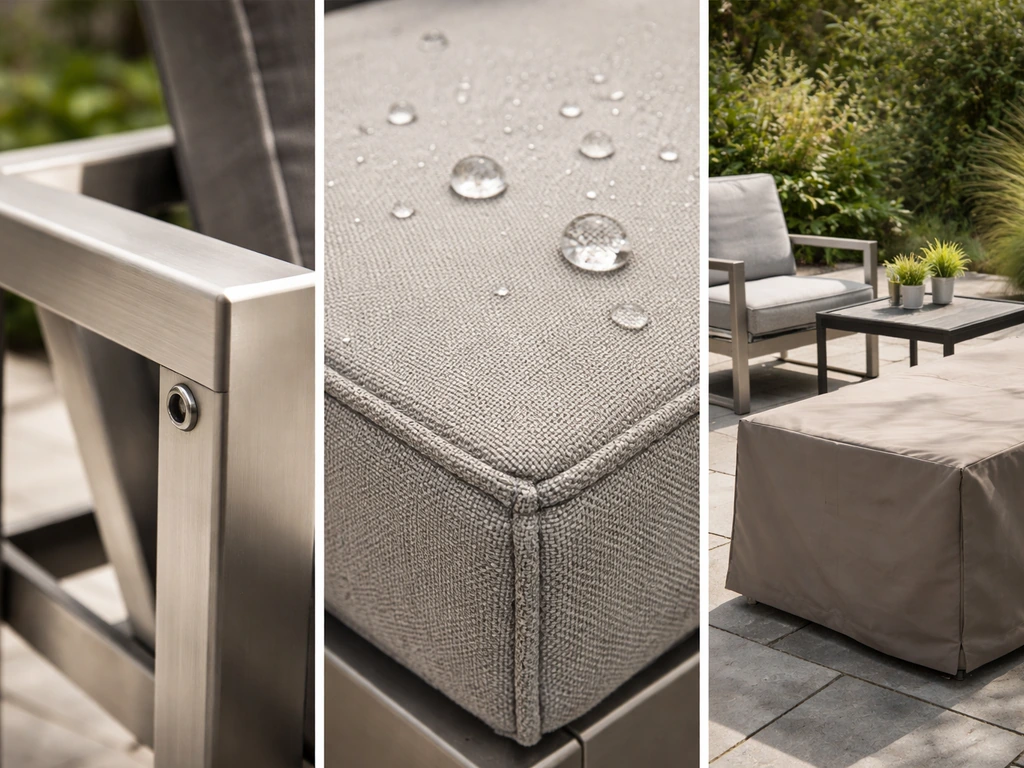
How to read home furniture and patio reviews (what actually matters)
The biggest trap with outdoor furniture reviews is recency bias. Someone who just assembled a chair and loves how it looks in their yard is going to give five stars every time. What you need are reviews from people who've owned the piece for at least one full outdoor season, ideally two. Filter by date and look for reviews posted 12 to 18 months after the product launched. Those reviews tell you whether the cushions faded, whether the frame started showing rust at the joints, and whether the retailer honored the warranty when something failed.
Beyond timing, there are a handful of specific failure signals worth scanning for in any review set. Look for mentions of fading fabric within the first season, which almost always points to non-solution-dyed fabric being sold as "outdoor rated." Look for rust appearing at scratches, chips, or weld points, which signals poor powder-coating prep or a steel frame instead of aluminum. And pay close attention to mildew complaints on cushions that were stored under covers, because that usually means the buyer used a non-breathable cover or didn't remove cushions before storing, which is a fixable problem but one reviewers rarely separate from a product defect.
Warranty language is also a real review signal. Frontgate, for example, backs its outdoor teak program with a 10-year structural frame warranty for residential use, which is a meaningful durability proxy. Budget brands like Costway offer more limited coverage with strict proof-of-purchase requirements. When reviews mention denied claims or no response from support, it's worth checking whether the complaint actually falls within the warranty's stated exclusions before writing off the brand entirely.
- Filter reviews to find ones posted 12+ months after purchase, not just the most recent
- Search the review text for words like "rust," "fade," "mildew," and "warranty" to surface failure patterns fast
- Check whether negative reviews about fabric fading mention if the fabric was solution-dyed acrylic or just generic "outdoor" polyester
- Separate product defects from user error (non-breathable covers, no cushion removal before storage) before discounting a brand
- Compare warranty terms side by side: frame coverage length, what's excluded, and whether replacement parts are available
- Look for photos in reviews, especially after year one, to see real-world aging rather than unboxing shots
Quick way to pick the right patio set for your space and budget

Before you spend a minute comparing brands, measure your space. The most common complaint in outdoor furniture reviews has nothing to do with quality: it's that the set doesn't fit. For specific guidance, it also helps to read forest home patio furniture reviews to see how real owners rate fit, comfort, and durability over time. People buy by seat count rather than actual footprint, and end up with cramped walkways or furniture they can't arrange comfortably.
A practical rule is to plan for at least 36 inches of clearance around dining chairs when they're pulled out, and 18 to 24 inches between a sofa and coffee table for comfortable legroom. Your sofa size also dictates your coffee table size, so treat the whole layout as a system, not individual pieces.
Once you've sketched your layout, set a realistic budget range and decide what you actually need versus what looks good in a showroom photo. A sectional sofa conversation set reads beautifully in a lifestyle image, but if your patio is 10 by 12 feet, a two-chair-and-side-table setup will serve you far better. Match the scale of the furniture to the scale of your outdoor space first, then worry about style.
- Measure your patio and sketch a rough layout before browsing any products
- Account for walkway clearance (36 inches minimum) and seat-pull clearance around dining tables
- Decide on your primary use case: dining, lounging, or a conversation area
- Set a budget range and separate your must-haves from nice-to-haves before you start comparing brands
- Build a shortlist of two or three sets that fit your layout dimensions, then compare materials and reviews within that group
Best-value materials for frames, cushions, and fabric
Powder-coated aluminum is the dominant frame material in quality outdoor furniture for a reason: it doesn't rust structurally, it's lightweight enough to reposition easily, and when the coating is applied correctly over properly prepped metal, it holds up for years. The catch is that coating quality varies significantly by manufacturer. Rust showing up at weld seams or edges within the first two seasons is almost always a sign of poor prep work before the powder was applied, not a failure of powder coating as a method. When you're reviewing photos posted by buyers, look specifically at edges, joints, and any areas where the coating might have been thin or poorly applied.
Steel frames with powder coating can also perform well, but they're heavier and more vulnerable if the coating gets chipped, because unlike aluminum, bare steel will rust aggressively once exposed. For coastal or high-humidity environments, aluminum is meaningfully better than steel and worth paying a premium for.
For cushions and fabric, the gap between solution-dyed acrylic (like Sunbrella) and generic "outdoor" polyester is enormous. Solution-dyed acrylic gets its color dyed throughout the fiber during manufacturing, not just on the surface, which is why it resists fading and can be cleaned with a diluted bleach solution (1 cup bleach plus 1/4 cup mild soap per gallon of water) without losing color. Fabrics that are just surface-dyed or poorly rated for UV will fade noticeably within a single season in direct sun. This is one of the most consistent early failure signals in outdoor cushion reviews: rapid color loss in the first summer is almost always a fabric quality issue, not bad luck.
Foam core quality matters almost as much as the fabric. High-resiliency, high-density foam with a soft polyester wrap (the kind Frontgate specifies on its replacement cushions) holds its loft and shape over years of use. Budget cushions with low-density foam will compress and feel flat within one to two seasons, which generates the "cushions are terrible after year one" reviews you'll see on many entry-level sets.
| Material | Best For | Watch Out For | Maintenance Level |
|---|---|---|---|
| Powder-coated aluminum | Most climates, lightweight use | Rust at joints if coating prep was poor | Low: occasional wipe-down, repair lacquer for scratches |
| Powder-coated steel | Budget-friendly durability | Heavier, rusts aggressively if coating chips | Medium: inspect coating regularly, touch up chips |
| Teak | Premium look, natural aging | Higher cost, needs periodic oiling if you want to retain color | Medium: oiling 1-2x per year, or let it silver naturally |
| Synthetic wicker (resin) | Casual aesthetic, budget-friendly | Quality varies widely; cheap resin cracks in UV over time | Low to medium: rinse regularly, avoid direct UV storage |
| Sunbrella / solution-dyed acrylic | Cushion fabric in any climate | Higher price, limited DIY color options | Low: bleach-safe cleaning, color-stable for years |
| Generic outdoor polyester | Low upfront cost | Fades within one season in direct sun | Low: but replacement cycle is faster |
Durability and weather resistance: what reviews actually reveal
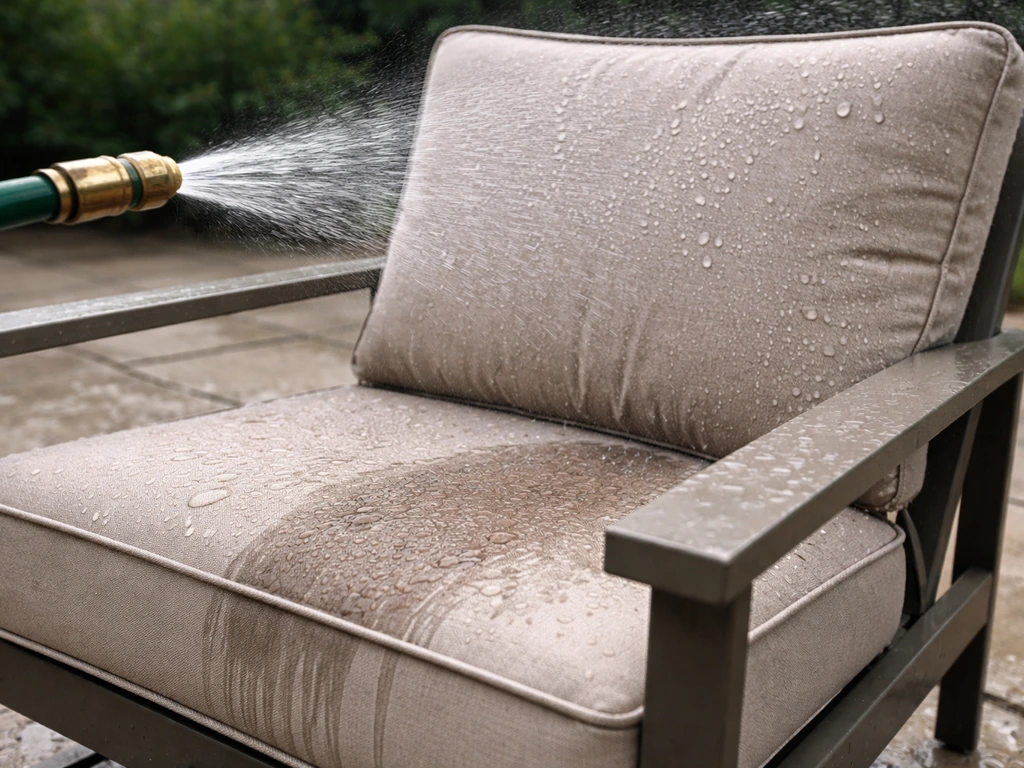
"Weather resistant" is one of the most overused phrases in outdoor furniture marketing. Every brand uses it, and it means almost nothing without context. What you want to know is: weather resistant to what, for how long, under what conditions? Reviews from buyers in humid, coastal, or freeze-thaw climates are much more informative than reviews from mild, dry regions. Someone in Phoenix leaving five stars after two years tells a very different story than someone in coastal Florida or the Pacific Northwest doing the same.
The most reliable durability signals in reviews are specific and visual. Rust showing up at edges, weld points, or under chips in the coating suggests the frame substrate wasn't properly prepped before powder coating, which is a manufacturing quality issue. White oxidation under the coating on aluminum is a similar signal. Cushion loft that collapses within one season points to low-density foam. Frame joints that wobble or become loose after assembly often indicate thin-gauge tubing or poor fastener quality, both of which are common in budget sets.
Repairability is an underrated durability factor. Brands like Trex offer replacement parts and cushions through their support channels, which means a set that loses a cushion or develops a single damaged piece after a few years can be extended rather than replaced entirely. Cheaper brands often have no parts program, so any failure becomes a full replacement decision. When comparing two sets at similar price points, the one with documented replacement part availability is genuinely more durable in practice.
Comfort, sizing, and usability in the real world
Comfort reviews are inherently subjective, but there are consistent patterns worth noting. Seat depth is one of the biggest dividing factors in lounge chair and sofa reviews. Deep-seated pieces (over 25 inches of seat depth) tend to feel luxurious for tall people but uncomfortable for shorter users who end up with their legs dangling. Reviews that say "great for lounging but awkward for conversation" are usually describing exactly this issue. If you're buying for a mixed-height household or for entertaining, a seat depth of 22 to 24 inches tends to work for more body types.
Back angle is the other comfort variable that rarely appears in product descriptions but shows up constantly in reviews. A chair that reclines at a steep angle is great for reading by the pool but terrible if you actually want to hold a conversation or eat at a side table. Look for reviews that describe how the piece feels during normal use, not just immediately after sitting down.
For sizing, the layout interdependency issue is worth repeating: your sofa size drives your coffee table height and depth, your dining table width drives chair clearance, and your total seating footprint drives how much space is left for circulation. Buying each piece individually without mapping the full layout is how people end up with sets that technically fit but feel cramped or unusable.
Covers, storage, and maintenance that actually extend furniture life
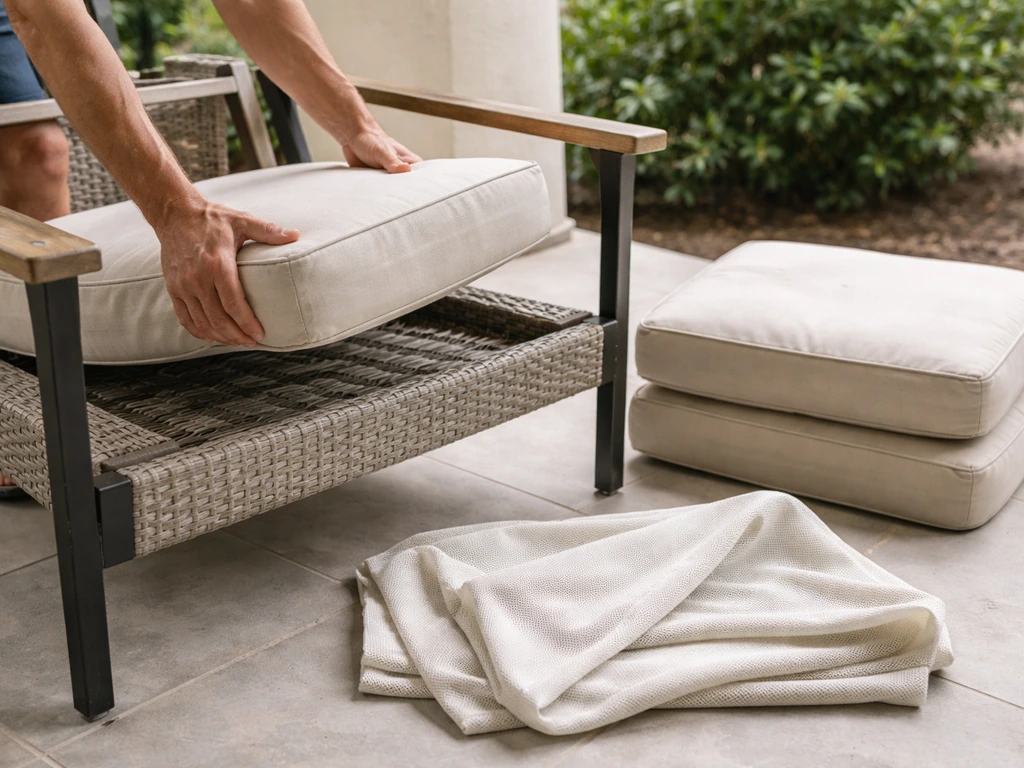
One of the most consistent sources of mildew complaints in outdoor furniture reviews is preventable: people cover their furniture without removing the cushions first. Home Depot’s Veranda patio care instructions also advise removing all cushions before covering to help prevent mildew and similar issues during storage. Cushions trap moisture inside a cover, especially a non-breathable one, and that moisture creates exactly the environment mold needs to grow. The fix is simple: always remove cushions before covering, store them in a dry location (a deck box or garage shelf is fine), and never rely on a cushion storage bag as waterproof protection because most aren't.
For the frames themselves, a breathable cover is meaningfully better than a non-breathable plastic tarp-style cover. Breathable covers allow air circulation that reduces condensation buildup underneath, which is the mechanism behind musty-smell and mildew complaints that reviewers sometimes incorrectly attribute to the furniture material. When reviews mention a cover causing more problems than it solves, the culprit is almost always a cheap, non-breathable cover trapping condensation, not the furniture itself.
Powder-coated aluminum frames are genuinely low maintenance, but they're not zero maintenance. Small scratches and scuffs should be touched up with matching repair lacquer before they expose the underlying metal, especially on aluminum frames where oxidation can creep under the coating from a damage point. An annual wipe-down with mild soap and water removes grime that would otherwise sit on the coating and break it down over time. Teak requires slightly more attention: you can let it silver naturally, which requires almost no effort, or you can oil it once or twice a year to maintain the warm honey color, but either path is a legitimate long-term choice.
- Always remove cushions before covering furniture for storage or extended periods
- Use a breathable cover, not a plastic tarp, to prevent condensation and mildew
- Touch up scratches on powder-coated frames with matching repair lacquer before rust sets in
- Wash aluminum frames with mild soap and water at least once per season
- Store cushions in a dry indoor location (deck box, garage, or closet) off-season
- For teak, decide early whether you want to oil annually or let it silver naturally and commit to that path
Comparing popular brands: budget vs premium, honestly
Budget brands like Costway and Temu-sourced furniture have real use cases: seasonal use, covered patios, or situations where you genuinely don't need a 10-year piece. The honest evaluation is that build quality at these price points is inconsistent, warranty support is limited, and replacement parts are almost never available. If you buy a Costway set and a weld fails in year two, you're most likely buying a new set. That's an acceptable trade-off if you paid $200 and got three good seasons from it, but it's a frustrating outcome if you expected it to last a decade.
Mid-range brands including Yitahome, Homall, Lokatse Home, and others in this category occupy a complicated middle ground. They often use adequate frame materials and look significantly better in person than their price suggests, but cushion fabric quality is where they tend to cut corners. If you’re specifically looking for yitahome patio furniture reviews, pay extra attention to how buyers describe cushion fading, rust at joints, and warranty responses after the first couple seasons. If you're buying mid-range, the single best upgrade is replacing the included cushions with Sunbrella-covered options after purchase. The frame may last years; the original cushions likely won't.
Premium brands like Frontgate, Pottery Barn, and West Elm justify their price primarily through frame material quality, cushion system quality, and after-purchase support. Frontgate's 10-year frame warranty on its teak line is a concrete example of the kind of commitment that actually changes the long-term math on a purchase. When you're spending $2,000 or more on a set, replacement cushion availability and a real warranty are what you're paying for as much as the aesthetics. Pottery Barn and West Elm sit slightly below Frontgate in terms of outdoor-specific durability focus but considerably above budget brands in materials and brand support.
Brands reviewed individually across this site, including Alfresco Home, Forest Home, Top Home Space, and At Home patio lines, each occupy specific niches worth understanding. Some lean heavily into aesthetic appeal at moderate price points; others prioritize durability in specific climates. Comparing them against the material and warranty checkpoints outlined here will give you a faster read on where they actually fit than star ratings alone.
| Brand Tier | Example Brands | Frame Quality | Cushion/Fabric Quality | Warranty / Parts Support | Best For |
|---|---|---|---|---|---|
| Budget | Costway, Temu-sourced | Powder-coated steel or thin aluminum; inconsistent prep quality | Generic polyester; fades fast in direct sun | Limited warranty, strict claim requirements, no parts program | Covered patios, seasonal use, short-term needs |
| Mid-range | Yitahome, Homall, Lokatse Home, Top Home Space | Adequate aluminum or steel; better than budget tier but variable | Serviceable but often low-density foam and non-solution-dyed fabric | Moderate; check terms carefully | Semi-permanent setups where you upgrade cushions separately |
| Mid-premium | At Home, Forest Home, Alfresco Home | Generally solid aluminum; finish quality varies by line | Improved fabric options; some lines offer performance fabric upgrades | Better support channels; parts availability varies | Design-forward buyers who want durability without flagship pricing |
| Premium | Frontgate, Pottery Barn, West Elm | High-grade aluminum or teak; consistent coating and finish quality | Solution-dyed acrylic (Sunbrella or equivalent); high-density foam cores | Multi-year frame warranties; cushion replacement programs | Long-term investment, full-sun exposure, high-use entertaining spaces |
The most practical takeaway is this: your climate and how the furniture will actually be used should drive your budget decision more than aesthetics. If your patio is covered, gets moderate sun, and you're disciplined about seasonal storage, a well-chosen mid-range set with upgraded cushions will serve you well for years. If your furniture sits in full sun in a humid or coastal environment with minimal off-season storage, spending more on a premium aluminum or teak set with a real warranty and solution-dyed fabric isn't a luxury: it's the cheaper long-term choice. For more on how to evaluate these options, see our top home space patio furniture reviews.
FAQ
How can I tell whether a high-star review is actually reliable for long-term home furniture and patio reviews?
Yes, but focus on specifics. A review that only says “quality is great” is less useful than one that names the exact issue (for example, “rust at weld seam after 18 months” or “fabric faded to gray by summer two”) and includes whether the buyer covers the set, uses breathable covers, and stores cushions off the furniture during winter. If those context details are missing, treat high ratings as less predictive.
What should I do if the set technically fits on my patio, but the reviews say it feels cramped?
Before buying, estimate your “occupied footprint,” not just the furniture dimensions. For dining, account for chairs pulled out, add the clearance you plan to maintain, and then subtract that from your usable walkway area. A practical check is to measure from the table edge to the nearest wall or grill, then confirm you can pull a chair fully out without reducing the aisle below comfortable walking width.
Are there different “failure signals” I should look for in reviews depending on my climate?
Do a season-specific risk check. In freeze-thaw climates, scan for cracking, peeling coating, and loose joints after winter, and prioritize frames with thicker tubing and detailed assembly hardware. In humid or coastal climates, prioritize aluminum or properly sealed teak and look for repeated mildew mentions that persist even when owners report using breathable covers or cushion storage.
How do I evaluate the impact of covers on mildew complaints in home furniture and patio reviews?
For covers, look for evidence in reviews that the cover is reducing condensation instead of trapping it. If many owners mention musty smells or mildew despite using covers, that is a cover quality problem (often non-breathable plastic) or an incorrect routine (cushions left on). As a rule, choose breathable covers and remove cushions before covering.
What does it mean if people report mildew even when they say the cushions were stored under a cover?
If mildew appears even after correct storage, verify whether the complaint mentions a specific fabric feature, for example, “cushions weren’t solution-dyed” or “fabric absorbed water.” Solution-dyed acrylic resists fading and stains better, but foam cores can still trap moisture if covers are non-breathable or if cushions stay damp before storage. The decision aid is to treat recurring mildew as a system issue (cushion drying and cover breathability), not only the frame material.
How should I interpret warranty-related comments in patio furniture reviews when deciding between brands?
Check whether the warranty is triggered by the exact failure you care about. Many warranties cover structural components but exclude cosmetic issues, or they require proof of purchase and photos and specific care guidelines. In reviews, look for patterns like “claim denied for ‘normal wear’” versus “replacement cushions shipped after approved claim,” and then match the complaint to the warranty’s stated exclusions.
What should I look for in reviews to confirm cushion fabric quality beyond star ratings?
Don’t rely on “outdoor” claims alone. Instead, use review language about cleaning and color stability as a proxy for fabric quality. If owners describe color loss within one summer, water absorbing, or stains that don’t wash out, it typically points to lower-grade dyeing and finishing. A stronger signal is buyers describing consistent color after sun exposure and describing successful cleaning without color bleeding.
How do I use subjective comfort reviews to predict whether a chair will work for my household?
If seat depth and back angle matter to you, search for recurring phrases like “too deep,” “legs dangle,” “great for lounging,” or “awkward for dining.” Then correlate those mentions with the buyer’s height and use case. A chair that feels fine for reading may be uncomfortable for eating at a side table, so match reviews to how you will actually use the furniture, not how it was tested immediately after assembly.
What are the most actionable visual and mechanical red flags to look for in reviews?
Rust at welds, bubbling coating near edges, or oxidation “under the coating” are the key visual tells. If reviewers describe rust beginning at scratches and chips quickly, it often suggests thin or poorly prepped powder coating. If you see wobble or loosening joints described within months, that is usually hardware or tubing gauge, so you should weight those comments more than appearance-based praise.
How can I tell from reviews whether a product will be repairable if a part fails?
Ask two questions. First, can replacement cushions or parts be ordered as documented by the brand. Second, are reviews reporting easy ordering and timely shipping. If a product has frequent complaints about one component failing (a single cushion, a single frame piece) and there is no parts program, the long-term cost becomes “replace the set,” which is different from “repair the set.”
Should I plan to replace the included cushions right away when buying mid-range home furniture and patio reviews?
A good next step is to check whether reviewers mention upgrading cushions after purchase, and whether the frame remained in good shape while cushions failed. If multiple buyers say the frame is fine but the supplied cushions fade or compress quickly, budgeting for an immediate cushion swap is usually the smarter plan. This is especially relevant for mid-range sets where the biggest weakness is commonly the cushion system.
What review timeline should I prioritize if I want the best durability prediction for outdoor furniture?
Yes, and the timing matters. Look for reviews posted after the product has lived through at least one full outdoor cycle, then again 12 to 18 months after launch. Recency bias is real, and you want to confirm whether issues like rust, fading, and foam compression show up after weather exposure rather than right after assembly.
Next Article
Patio 1 Outdoor Furniture Reviews: In-Depth Buying Guide
Patio 1 outdoor furniture reviews: unbiased ratings, durability, comfort, maintenance & buying tips.