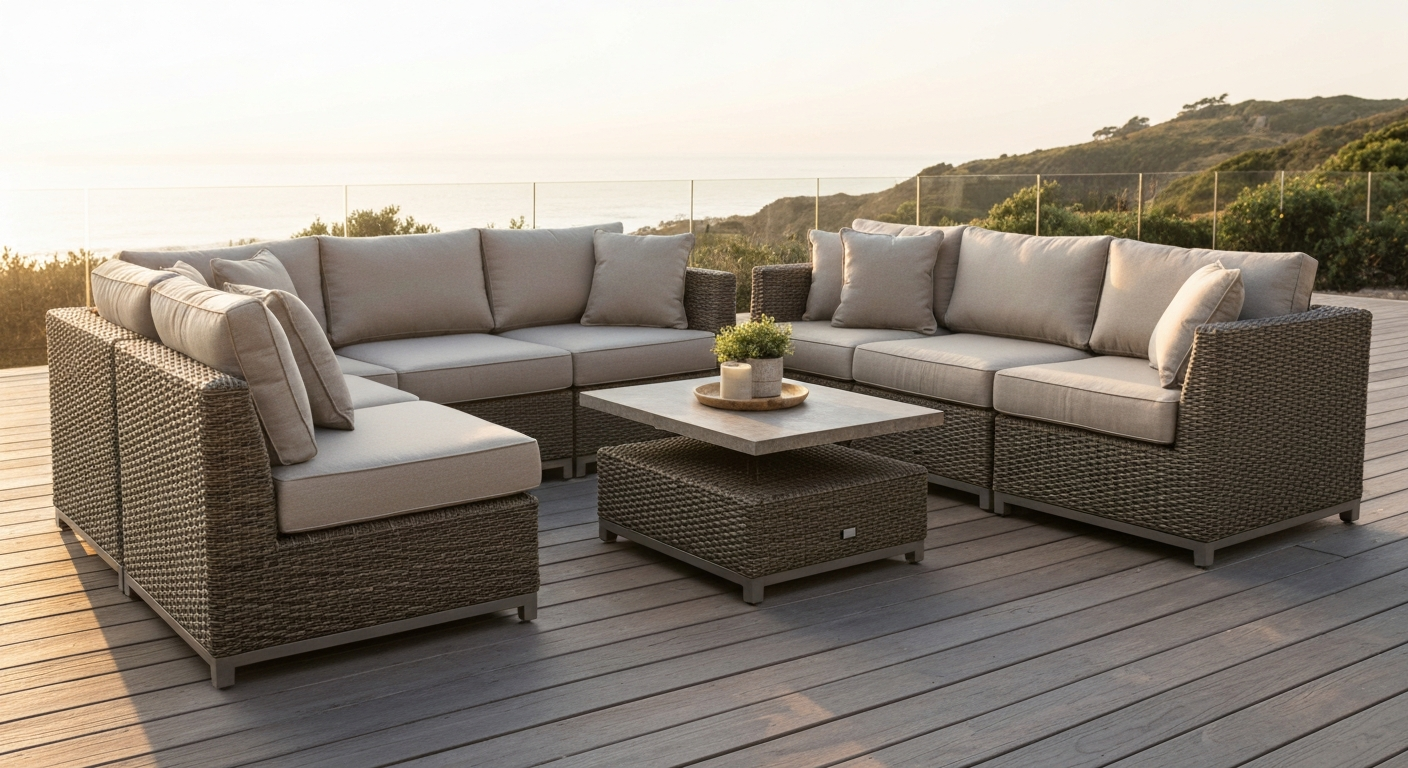
Patio 1 is not a furniture manufacturer. It is a Houston-based specialty outdoor furniture retailer with two showrooms (Richmond Ave and Katy Freeway) that carries premium brands like Patio Renaissance, Polywood, Tropitone, and Brown Jordan. When you search for 'Patio 1 outdoor furniture reviews,' you are really researching the brands and product lines available through that retailer and whether buying from Patio 1 as a store is worth your time and money. The short version: Patio 1 earns solid marks as a curated local retailer with real design expertise, but the value you get depends almost entirely on which brand and line you choose inside the store. This review breaks down what Patio 1 stocks, how those products perform, and whether the brands on its floor beat out Costway, Temu, Patio Plus, Patio Renaissance, West Elm, Pottery Barn, and Frontgate at comparable price points. For broader comparisons across brands and price tiers, see our outdoor patio supplies reviews for detailed side-by-side evaluations.
Patio 1 Outdoor Furniture Reviews: In-Depth Buying Guide

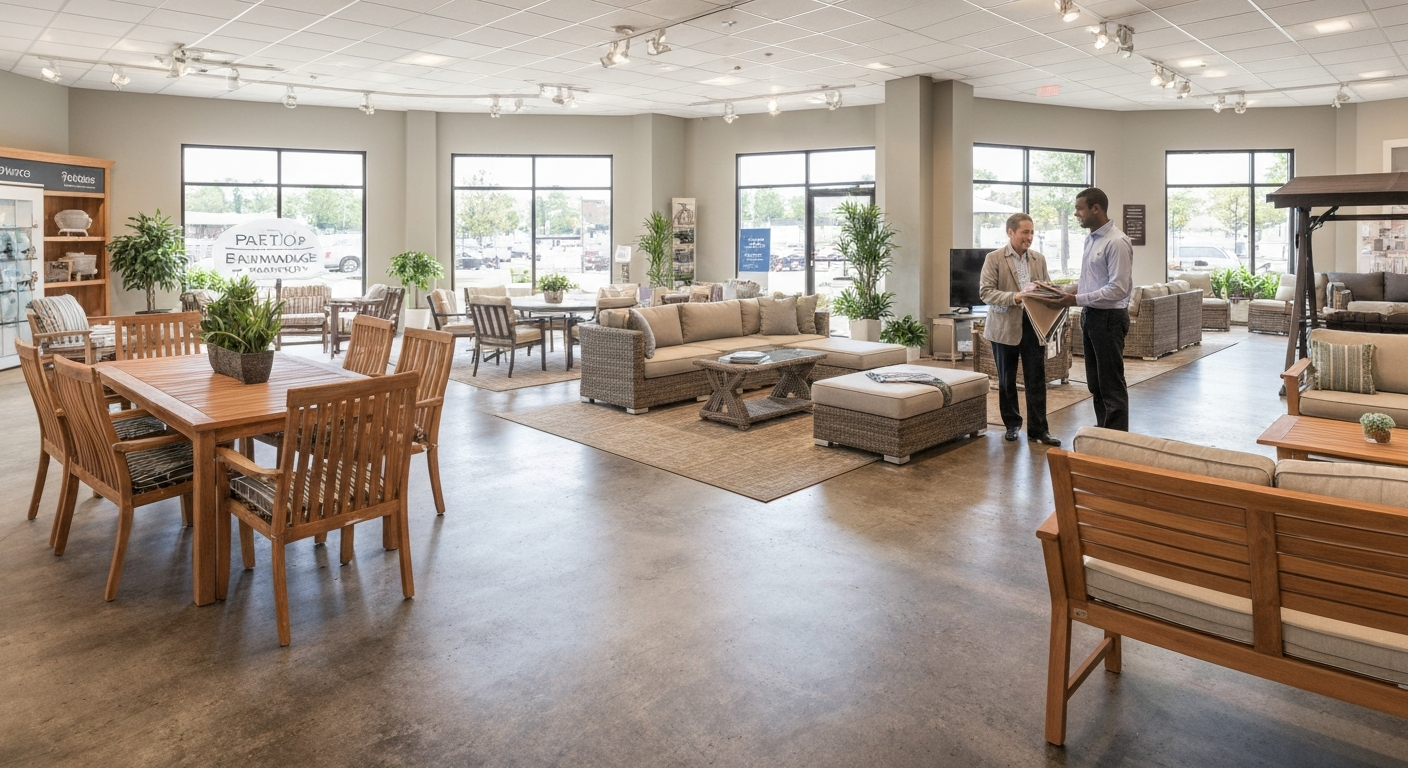
Our verdict: who Patio 1 is best for
Based on aggregated user feedback, manufacturer warranty documentation, materials research, and independent testing data, we rate the Patio 1 retail experience 4 out of 5 stars as a specialty outdoor furniture destination. The brands it carries, particularly Patio Renaissance, Tropitone, and Polywood, regularly outperform mass-market competitors on durability and long-term value. That said, Patio 1 is not the right fit for everyone. It is a brick-and-mortar Houston showroom, so shoppers outside that metro need to factor in shipping arrangements or local dealer alternatives. Pricing reflects the premium end of the market, with most quality sets starting well above $1,500. If you are a Houston-area homeowner who wants hands-on design help, tactile product testing before you buy, and access to mid-to-upper-tier outdoor brands backed by real warranties, Patio 1 is a strong choice. If you are hunting for a $400 patio set, this is not your store, and that is not a knock on them.
| Category | Rating | Notes |
|---|---|---|
| Selection breadth | 4/5 | Strong mid-to-premium brand mix; limited budget tier |
| In-store experience | 5/5 | Design services, two showroom locations, knowledgeable staff |
| Brand quality (avg across lines) | 4/5 | Patio Renaissance and Polywood earn top marks; varies by brand |
| Value for money | 3.5/5 | Competitive at premium tier; budget shoppers should look elsewhere |
| Warranty support | 4/5 | Depends on brand; Patio Renaissance and Tropitone lead the floor |
| Online presence / transparency | 3/5 | No consolidated SKU catalog or public spec sheets online |
What Patio 1 actually sells: product lines at a glance
Because Patio 1 is a retailer, its 'product lines' are the brands and categories on its floor. The website lists several major categories and brand names, though it does not publish a consolidated catalog with SKU-level specs or factory data sheets. Here is a practical overview of what you will find across categories, drawn from the site's brand and category listings and manufacturer sources.
| Category | Representative Brands | Key Materials | Price Range (approx.) |
|---|---|---|---|
| Dining sets | Patio Renaissance, Tropitone, Brown Jordan | Powder-coated aluminum, teak, synthetic wicker | $1,200 to $6,000+ |
| Deep seating / sectionals | Patio Renaissance, Brown Jordan, Tropitone | Aluminum frames, HDPE wicker, solution-dyed acrylic cushions | $1,800 to $10,000+ |
| Teak furniture | Multiple teak specialists | Grade A or B plantation teak | $800 to $4,000+ |
| Swings and gliders | Varies by season and vendor | Aluminum, powder-coated steel, wicker | $400 to $1,500 |
| Polywood / recycled plastic | Polywood | HDPE lumber (recycled high-density polyethylene) | $300 to $2,500 |
| Cushions and accessories | Sunbrella, brand-specific | Solution-dyed acrylic, polyester blends | $40 to $400+ per cushion |
| Covers and care products | Various | Polyester, vinyl, specialty fabrics | $30 to $200+ |
One practical limitation worth flagging: because Patio 1 does not publish a downloadable master catalog or factory spec sheets on Patio1.com, buyers who want detailed technical information (cushion foam density, exact frame gauge, finish thickness) need to request those from staff in store or look up the individual manufacturer's product pages. For Patio Renaissance, for example, warranty documentation and collection details are available directly from the manufacturer and its authorized dealers. For detailed warranty and collection information, see patio renaissance outdoor furniture reviews.
Build quality and specs, broken down by product line
Aluminum-frame collections (Patio Renaissance, Tropitone)
The core of what Patio 1 sells in deep seating and dining is powder-coated aluminum. Patio Renaissance, one of the standout brands on the floor, uses cast and wrought aluminum frames finished with a powder-coat process. Powder coating, when applied correctly to bare metal before the topcoat, creates a mechanically bonded finish that resists chipping significantly better than spray paint. Independent powder-coating and testing sources note that frames claiming corrosion resistance should ideally carry third-party ASTM B117 salt-spray certificates. Patio Renaissance backs its wrought and cast aluminum frames with a 15-year limited structural warranty (with a 3-year finish warranty), which is among the longer frame warranties in the mid-to-premium category and functions as a meaningful durability signal. Fasteners on quality aluminum frames from these brands are typically stainless steel or coated to match, which matters in humid or coastal environments.
Wicker and woven collections
Patio Renaissance and other brands at Patio 1 use synthetic HDPE or PE 'all-weather' wicker over aluminum frames. This is the correct construction for outdoor use. Natural rattan wicker is an indoor material that degrades outdoors within a season or two. HDPE wicker, by contrast, resists UV fading and moisture absorption significantly better than lower-grade polypropylene weaves. Patio Renaissance warranties the woven-material structure for 5 years and specifically covers discoloration and fading for 3 years, which tells you something real about expected performance. Cheaper wicker sets from mass-market sources often skip the aluminum subframe entirely, using steel (which rusts through weave gaps) or thin tubular metal that flexes under load.
Teak furniture
Teak available through Patio 1 is marketed as plantation-grown. Grade A teak, cut from the heartwood of mature trees, has the highest natural oil content and is the appropriate grade for outdoor furniture that will live outside year-round. It weathers to a silver-gray patina if left untreated, which many buyers find attractive, or it can be maintained with teak oil for a richer tone. Teak is heavy, which means assembly can be a two-person job, and joints should be checked annually as wood furniture expands and contracts seasonally. The upside is genuine long-term durability: well-maintained teak furniture routinely lasts 20 or more years.
Polywood and recycled HDPE pieces
Polywood is one of the more practically underrated materials in outdoor furniture. HDPE lumber made from recycled plastic does not rot, does not splinter, does not need painting or staining, and holds up in freeze-thaw cycles. Polywood's own pieces carry a 20-year residential warranty. The trade-off is that it does not feel like wood, and some buyers find the weight and slight flex in wider spans less satisfying. But for pure low-maintenance durability, particularly in climates with heavy rainfall or snow, HDPE lumber beats most alternatives.
Cushions and fabrics
Cushion quality is arguably the most important variable in long-term satisfaction with any patio set, and it is the component most often underweighted at purchase. Patio 1's higher-end offerings pair frames with solution-dyed acrylic cushions, often Sunbrella or comparable contract-grade fabric. Solution-dyed acrylic means the color is embedded in the fiber during manufacturing, not applied as a surface dye, so UV fading is dramatically slower. Sunbrella's commercial lines are backed by multi-year colorfastness warranties and are bleach-cleanable without color loss. Patio Renaissance warranties its cushions and slings for 1 year, which is typical for cushion components across the industry. The real differentiator is foam construction: quick-dry or reticulated (open-cell) foam allows water to drain rather than sit, dramatically reducing mildew risk. Budget cushion sets typically use closed-cell or low-density polyester fill that compresses and mildews within 2 to 5 years, even under covers.
Comfort and real-world performance
Patio 1's strength as a showroom is that you can actually sit in the furniture before buying, which matters more than most shoppers realize until they have bought a set online that turns out to be uncomfortable. Deep seating from Patio Renaissance and Tropitone is designed for genuine lounging. Seat depths on these collections typically run 20 to 24 inches, back angles are reclined (often 100 to 110 degrees from the seat plane), and cushion thickness is typically 4 to 6 inches on premium sets. That combination means you can actually relax in them, rather than perching upright the way you do on dining chairs. Dining collections at this tier use standard seat heights around 17 to 18 inches with back support designed for a meal-length sit, not extended lounging.
User feedback collected across retailer review pages and consumer platforms consistently flags ergonomics as a positive differentiator for specialty-brand furniture versus mass-market alternatives. Buyers who migrate from a Costway or big-box set to a Patio Renaissance or Tropitone piece frequently note the difference in seat depth, cushion support, and frame stability. One recurring real-world note: aluminum sling chairs, a staple of Tropitone's catalog, offer a different feel from cushioned sets. The sling fabric provides firm but conforming support without cushions, dries instantly, and never mildews. For poolside or high-humidity outdoor settings, sling seating is genuinely worth considering over cushion sets.
Weather resistance and how to maintain what you buy
UV and fade resistance
Houston's climate is punishing for outdoor furniture: intense UV from late spring through early fall, high humidity, and periodic tropical storm rainfall. The brands Patio 1 carries are selected for exactly these conditions. Powder-coated aluminum frames, when properly finished, are tested using ASTM G154 accelerated UV/weathering cycles by quality manufacturers. Solution-dyed acrylic fabrics like Sunbrella are rated for high UV environments and maintain colorfastness measurably longer than polyester or solution-dyed olefin in direct sun. For synthetic wicker, HDPE formulations with UV stabilizers built into the resin are the correct specification. If a vendor cannot tell you the wicker's UV stabilizer content or does not have an ASTM G154 or equivalent test result, that is a red flag.
Water and corrosion resistance
For coastal or high-humidity buyers, frame and fastener corrosion is the long-term risk. ASTM B117 (salt-spray testing) is the standard benchmark for corrosion resistance, and responsible manufacturers either test their own frames or can produce third-party certificates on request. One important nuance: B117 uses continuous salt fog, which does not perfectly replicate real outdoor wet-dry cycles, so the more conservative testing approach uses cyclic corrosion tests that alternate wet, dry, and humid phases. When evaluating any aluminum frame at this price tier, ask for salt-spray test data or warranty terms that cover finish failure. Patio Renaissance's 15-year/3-year frame and finish warranty implies confidence in their coating process, which is meaningful.
Cleaning and seasonal care
- Powder-coated aluminum frames: wash with mild dish soap and warm water once or twice per season; rinse thoroughly to prevent soap residue buildup in crevices; inspect welds and joints annually
- Synthetic wicker: rinse with a hose to clear debris from weave gaps; use a soft brush and mild soap for stuck-on dirt; avoid pressure washers at close range, which can loosen weave at anchor points
- Sunbrella/solution-dyed acrylic cushions: brush off loose debris, then clean with a solution of mild soap and water; for mildew, Sunbrella's published protocol allows a diluted bleach solution (1 cup bleach per gallon of water) without damaging the fabric
- Teak: apply teak sealer or oil annually if you want to maintain the original honey color; otherwise allow it to silver naturally and clean with a teak cleaner to remove mildew before re-oiling
- HDPE/Polywood: soap and water is essentially all you need; a light scrub with a soft brush handles anything more stubborn
- Seasonal storage: in Houston, full winter storage is less critical than in freeze-prone climates, but covering cushions during extended rain or storm season measurably extends fabric life; furniture covers from breathable polyester (not solid vinyl) prevent moisture trapping
- Fasteners: check and snug all bolts and screws at the start of each season; stainless steel fasteners can be treated with a light marine-grade lubricant in coastal environments
Durability profile: what actually breaks first
Across the brands Patio 1 carries, the durability hierarchy is fairly predictable based on independent test data and verified user feedback patterns. Frames from quality aluminum brands almost never fail structurally within warranty periods. Finish failure (chalking, flaking powder coat) is the most common frame complaint and typically emerges at welds and edges where coating adhesion is thinnest if quality control is inconsistent. Wicker weave separation at anchor points and UV-related brittleness in lower-grade synthetic weave is the most common woven-product complaint beyond the 5-year mark.
Cushions are the most predictable first failure. Even quality cushions from premium brands degrade with heavy outdoor exposure over time. The failure mode on budget cushions is faster and more complete: mildew penetration into foam, zipper corrosion, seam separation, and flattening from moisture saturation. Quick-dry foam and quality fabric (Sunbrella-grade) push the realistic service life to 5 to 10+ years with reasonable care, while standard polyester cushions on mass-market sets routinely show degradation within 2 to 3 seasons. Hardware (hinges on storage furniture, umbrella tilt mechanisms, table frame connectors) is a secondary failure point on lower-quality sets. On the premium brands at Patio 1, these components are typically over-engineered relative to the price.
How Patio 1 brands stack up against the competition
This is where the buying decision gets concrete. For head-to-head comparisons and buyer-focused ratings, see our outdoor patio set reviews. Patio 1 occupies the mid-to-premium tier, so comparing it fairly means looking across multiple market segments: budget imports like Costway and Temu, comparable specialty retailers carrying lines like Patio Plus and Patio Renaissance (which, notably, is also sold through other authorized dealers), and premium lifestyle brands like West Elm, Pottery Barn, and Frontgate.
| Brand / Source | Frame Warranty | Cushion Fabric | Frame Material | Approx. Entry Price (4-piece set) | Overall Durability Tier |
|---|---|---|---|---|---|
| Patio 1 (Patio Renaissance) | 15 years structural | Solution-dyed acrylic | Powder-coated cast/wrought aluminum | $1,800+ | High |
| Patio 1 (Polywood) | 20 years | N/A (no cushions needed) | Recycled HDPE lumber | $500+ | Very high (low maintenance) |
| Patio Plus | Varies by line (3–10 years) | Solution-dyed acrylic on premium lines | Aluminum, some steel | $1,200+ | Mid-to-high |
| Patio Renaissance (other dealers) | 15 years structural | Solution-dyed acrylic | Powder-coated aluminum | $1,800+ | High |
| Frontgate | 10 years structural | Sunbrella or solution-dyed acrylic | Powder-coated aluminum, premium resin wicker | $2,000+ | High |
| West Elm | 1–2 years (varies per SKU) | Standard outdoor fabric (Sunbrella upgrade optional) | Aluminum, iron, PE wicker over aluminum | $900+ | Mid |
| Pottery Barn | 1–3 years vendor warranty (varies per SKU) | Standard outdoor fabric | PE wicker over aluminum or iron (SKU-dependent) | $1,000+ | Mid |
| Costway | 1 year (typical) | Polyester standard | Steel (often), some aluminum | $200–$600 | Low-to-mid |
| Temu / marketplace imports | Often 30–90 days or unclear | Polyester standard | Steel or thin aluminum | $100–$400 | Low |
Patio 1 vs. budget retailers (Costway, Temu)
The gap between what Patio 1 carries and what you buy on Temu or Costway is not just a price gap. It is a materials, engineering, and warranty gap. Consumer feedback aggregated across platforms like Trustpilot and ConsumerAffairs shows disproportionately high complaint rates for mass-market imports: early rusting at welds and cut edges, powder-coat peeling within one to two seasons, mildewing cushions, broken hardware, and incomplete or mismatched assembly components. These are not isolated incidents but recurring, statistically common patterns across low-cost patio sets. For a buyer who needs a temporary solution for an apartment rental or a seasonal setup on a small balcony, a Costway or Temu set might make financial sense. For a permanent patio installation where you want the furniture to look and feel good in three years, the math changes quickly.
Patio 1 vs. Patio Plus and Patio Renaissance (other dealers)
Patio Renaissance is actually a brand sold at Patio 1 and at other authorized dealers. So if you are comparing Patio 1 to a retailer that also carries Patio Renaissance, you are largely comparing the retail experience (showroom service, design help, local delivery, post-sale support) rather than the furniture itself. Patio Plus occupies a similar niche as a specialty retailer with its own private-label and branded lines. The build quality on comparable Patio Plus lines tracks similarly to what you find at Patio 1, with aluminum frames, synthetic wicker, and solution-dyed acrylic fabrics being the spec standard at the mid-to-upper tier. The practical differentiator comes down to which retailer is in your market, which brands they stock, and how the in-store experience compares. Readers researching similar specialty brands can find deeper comparisons in our coverage of Patio Plus outdoor furniture and Patio Renaissance outdoor furniture. For further comparisons, see our outer patio furniture reviews for detailed side-by-side evaluations of Patio Plus, Patio Renaissance, and other specialty brands.
Patio 1 vs. West Elm and Pottery Barn
West Elm and Pottery Barn sell aesthetically polished outdoor furniture at prices that overlap with the mid-tier at Patio 1. The meaningful difference is in warranty depth and materials consistency. West Elm's outdoor pieces often carry 1 to 2-year limited warranties per product page, and Sunbrella is frequently an upgrade rather than standard. West Elm product pages show warranty terms vary by product (some outdoor items list 1–2 year limited warranties), and Sunbrella is often an optional upgrade rather than standard on many models West Elm — product pages (example: Sutton Concrete Low Round Fire Pit Table). Pottery Barn shows similar variability, with many wicker and aluminum pieces listing 1-year vendor warranties. That is not necessarily fatal, but compared to Patio Renaissance's 15-year structural frame warranty, the contrast is stark. If you are drawn to the aesthetics of West Elm or Pottery Barn's outdoor collections and plan to store or cover the furniture carefully, they perform adequately. If you live in a climate like Houston's and want furniture that stands up to heavy sun and humidity for many years without careful coddling, the specialty brands at Patio 1 are engineered more specifically for that use case.
Patio 1 vs. Frontgate
Frontgate is probably the closest premium competitor. Its in-house outdoor collections carry 10-year structural frame warranties, use powder-coated aluminum frames and handwoven premium resin wicker, and standardly offer Sunbrella or solution-dyed acrylic cushion fabrics. The materials and construction language aligns closely with what you find in Patio Renaissance and Tropitone. The difference is the retail model: Frontgate sells nationally online and through catalogs, while Patio 1 is a local showroom where you can sit in the furniture, talk to a designer, and get delivery and setup from a team that knows the product. For buyers who want the tactile, service-forward experience, Patio 1 has an edge. For buyers comfortable with online-only premium purchases, Frontgate is a credible alternative at a comparable price and quality tier.
Cost, lifespan, and the real math on value
The value calculation for outdoor furniture is almost always misframed at the point of purchase. A $300 Costway set feels like a bargain until you are replacing it after two seasons. A $2,400 Patio Renaissance deep-seating set feels expensive until you divide it over the realistic service life. Here is how the cost-per-year math looks across tiers, using conservative lifespan estimates grounded in manufacturer warranty terms and independent durability data.
| Tier / Example | Approx. Purchase Price | Realistic Lifespan | Cost Per Year | Notes on Failure and Repair |
|---|---|---|---|---|
| Budget (Costway, Temu) | $200–$500 | 2–4 years | $75–$150/yr | Frame rust, cushion failure common; replacement likely rather than repair |
| Mid-range (West Elm, Pottery Barn) | $900–$2,000 | 5–8 years | $150–$250/yr | Better frame life; cushion replacement at 4–6 years likely ($150–$300+) |
| Specialty mid-premium (Patio Renaissance, Patio 1) | $1,800–$4,000 | 10–15+ years | $120–$270/yr | Frame warrantied 15 years; cushion replacement at 7–10 years (~$200–$500) |
| Premium (Frontgate, Polywood) | $1,500–$6,000+ | 15–25+ years (Polywood: 20yr warranty) | $80–$250/yr | Lowest long-term cost per year for high-use settings; minimal frame repairs |
| Teak (specialty) | $1,500–$4,000+ | 20+ years | $75–$200/yr | High upfront; near-zero frame failure; annual oiling or sealing cost |
When you run the actual numbers, the budget sets are not cheap. They are expensive furniture on a short repurchase cycle. The specialty mid-premium tier, which is where most of what Patio 1 sells lands, produces the best cost-per-year outcome for buyers who keep furniture for a decade or more. The exception is buyers who move frequently, rent, or genuinely want to refresh their aesthetic every few years. For those situations, the calculus shifts toward mid-range pieces from West Elm or Pottery Barn, where you accept a shorter functional life but get a lower initial outlay and easier replacement when tastes change.
Repair and replacement cost examples
- Cushion replacement for a 4-piece deep seating set (solution-dyed acrylic, quick-dry foam): $250 to $600 depending on fabric and custom fit
- Powder-coat touch-up pen for minor frame chips: $15 to $30 at hardware or outdoor furniture supply stores
- Full professional re-powder-coat on a single chair frame: $80 to $200 at a local coating shop (worth it on a high-quality frame, not on a cheap steel frame)
- Replacement sling fabric for a sling chair (Tropitone or comparable): $50 to $150 per chair plus installation if not DIY
- Furniture cover (breathable polyester) for a large sectional: $60 to $180
- Teak oil or sealer (annual application): $20 to $50 per bottle (covers multiple pieces)
Buying guidance: how to choose well at Patio 1
If you are walking into Patio 1 or researching a purchase, these are the questions and factors worth prioritizing. First, nail down your use case before you look at aesthetics. Deep seating is for lounging and socializing; dining sets are for meals; sectionals maximize seating density on larger patios. Mixing a dining table with deep-seating chairs because they look good together is a common mistake that produces furniture nobody uses comfortably for either purpose.
- Ask about the specific frame warranty for the collection you are considering, not the store's general return policy. Fifteen years on a structural frame is a meaningful data point; one year is not.
- Sit in the furniture for at least 5 minutes in the store. Seat depth, back angle, and cushion firmness are things that only become apparent when you actually use the piece.
- Ask whether the cushion fabric is solution-dyed acrylic or polyester. If it is not solution-dyed acrylic (Sunbrella or comparable), factor in replacement cushion costs within 4 to 6 years.
- Confirm whether fasteners are stainless steel, especially if you are in a coastal or high-humidity environment. This is a legitimate question that knowledgeable staff should be able to answer.
- Measure your space before you go. Sectionals in a showroom look proportional to the large floor space around them; the same sectional can overwhelm a 12-by-14-foot patio.
- Price out furniture covers at the same time. A $100 cover meaningfully extends cushion and finish life and is one of the easiest maintenance investments you can make.
- If you are comparing Patio 1 to buying the same brand (Patio Renaissance, for example) from another authorized dealer, the furniture is identical. Compare post-sale service, delivery terms, and your ability to return or exchange.
The bottom line on Patio 1
Patio 1 is a well-curated Houston specialty retailer with an honest value proposition: you get access to mid-to-premium outdoor furniture brands, hands-on design help, and the ability to evaluate pieces in person before committing. The brands it carries, Patio Renaissance in particular, are backed by manufacturer warranties and materials quality that clearly outpace mass-market alternatives from Costway and Temu and compare favorably to the shorter-warranty lifestyle brands like West Elm and Pottery Barn. Frontgate is the closest competitive alternative at the premium tier, with comparable materials but a national online model rather than a local showroom. For Houston-area buyers investing in furniture they intend to keep for a decade or more, Patio 1 is a legitimate destination. For anyone outside the Houston market, the equivalent move is finding a local specialty outdoor furniture retailer carrying similar brands, because the in-store experience is genuinely most of what Patio 1 offers. The furniture quality is in the brands, not in the Patio 1 name itself, and that is worth understanding clearly before you visit.
FAQ
What is the short verdict on Patio 1 outdoor furniture and an overall star rating?
Verdict: Patio 1 is best understood as a Houston‑based multi‑brand retailer (showrooms and online) rather than a single manufacturer. As a seller, Patio 1 offers a wide range of outdoor brands and price tiers — from value imports to recognized specialty makers — so performance depends on the specific brand/collection you buy through them. Representative overall rating (retailer experience + assortment quality): 3.8 out of 5 stars — strong selection and in‑store design help, but product durability/value depends on manufacturer selection and warranty.
How do Patio 1 lines perform on durability, materials, and construction quality?
Because Patio 1 retails multiple brands (e.g., Patio Renaissance, Polywood, Brown Jordan), durability and construction mirror the underlying manufacturer. Expect better durability from aluminum frames with quality powder coating, HDPE/Polywood or teak tops, and solution‑dyed acrylic cushions; lower‑cost imports commonly show earlier finish failure and hardware corrosion. Always check the manufacturer warranty and ask for factory spec sheets for frame material, weave type, cushion fabrics, and foam density before buying.
How do Patio 1 items perform on comfort and cushions?
Comfort is tied to cushion materials: premium options with solution‑dyed acrylic (Sunbrella or equivalent) and quick‑dry/reticulated foam typically remain comfortable and resilient for multiple seasons; standard polyester cushions and low‑density foam flatten and mildew faster. When buying through Patio 1, request cushion fabric/fill specs and consider upgrading to solution‑dyed acrylic and quick‑dry foam for humid climates.
What about weather resistance and maintenance guidance?
Weather resistance depends on materials: powder‑coated aluminium and stainless hardware resist corrosion best; kiln‑dried teak and HDPE/Polywood resist moisture with low maintenance; resin/PE wicker quality varies by weave and core. Maintenance guidance: rinse and mild soap for frames and wicker; follow manufacturer cleaning for fabrics (Sunbrella = bleach‑cleanable per manufacturer instructions); store or cover cushions during prolonged wet/winter seasons; inspect powder‑coating and touch up chips promptly to prevent corrosion.
How does Patio 1 (as a retailer) compare to budget marketplaces (Costway/Temu) and premium brands (Frontgate, West Elm, Pottery Barn)?
Value marketplaces: generally lower upfront price but higher incidence of early rust, finish peel, seam/cushion failures and limited vendor warranties. Patio 1’s assortment can include mid‑tier brands (Patio Renaissance) that use powder‑coated aluminum, HDPE wicker and better fabrics — offering a middle ground. Premium brands (Frontgate, some Pottery Barn/West Elm lines) commonly back frames with longer structural warranties (Frontgate often 10+ years) and offer higher‑grade materials (handwoven premium resin, Sunbrella options) — these typically cost more but deliver longer service life and stronger warranty support.
When is buying through Patio 1 the best choice versus buying from Patio Renaissance, Frontgate, or a low‑cost seller?
Buy through Patio 1 when you want in‑person showroom access, local design assistance, and the ability to compare multiple reputable brands in one place. Choose Patio Renaissance (via Patio 1 or dealers) if you want mid‑tier materials with published manufacturer warranties. Choose Frontgate or other premium makers when you prioritize long structural warranties and top‑tier fabrics (and are willing to pay a premium). Opt for low‑cost sellers only for short‑term or budget‑limited uses where longevity is not required.
Patio Renaissance Outdoor Furniture Reviews: Top Picks
Unbiased Patio Renaissance outdoor furniture reviews: top picks, ratings, pros/cons, price ranges & buying advice.