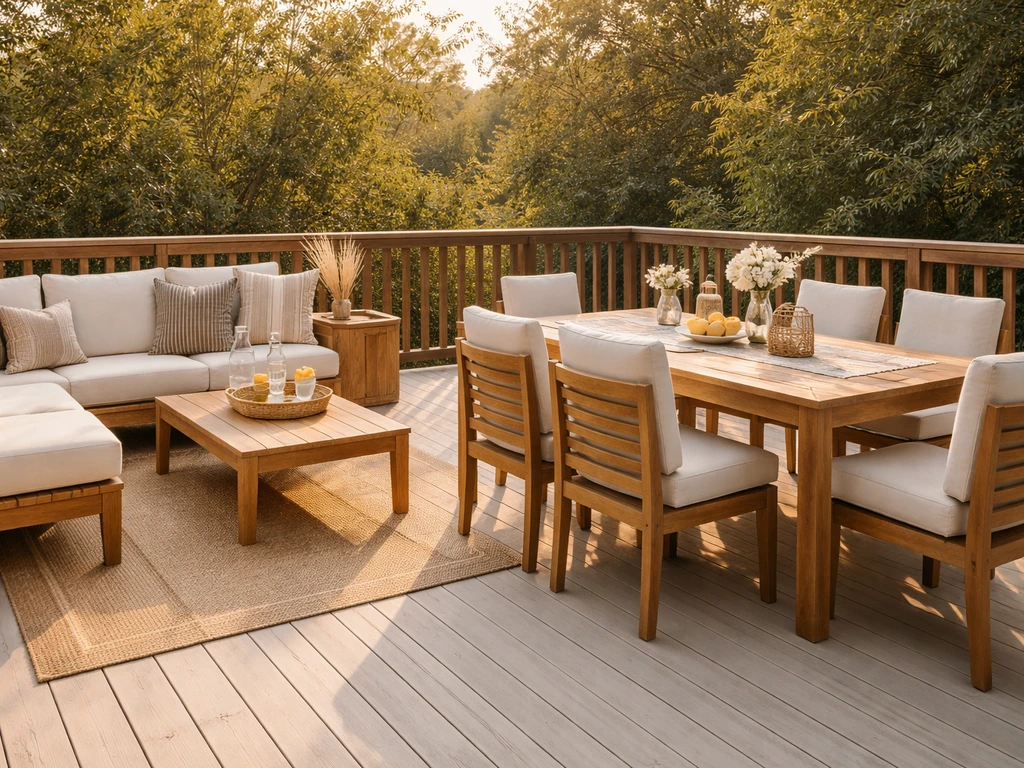
Godfrey's AquaPatio lineup is one of the more respected mid-to-upper-tier pontoon families on the water today. Built under the Godfrey Marine umbrella, these boats range from entry-level lounge configurations in the 23-foot class all the way to high-performance tri-toon rigs that can push 60 mph. For most buyers, the AquaPatio hits a genuine sweet spot: better construction than bargain-brand pontoons, a meaningful warranty, and enough model variety to match everything from a quiet lake-day family boat to a serious performance platform. That said, there are real trade-offs worth knowing before you hand over a deposit.
Aqua Patio Pontoon Boat Reviews: What to Buy and Check

Holly Dawson
27 May 2026
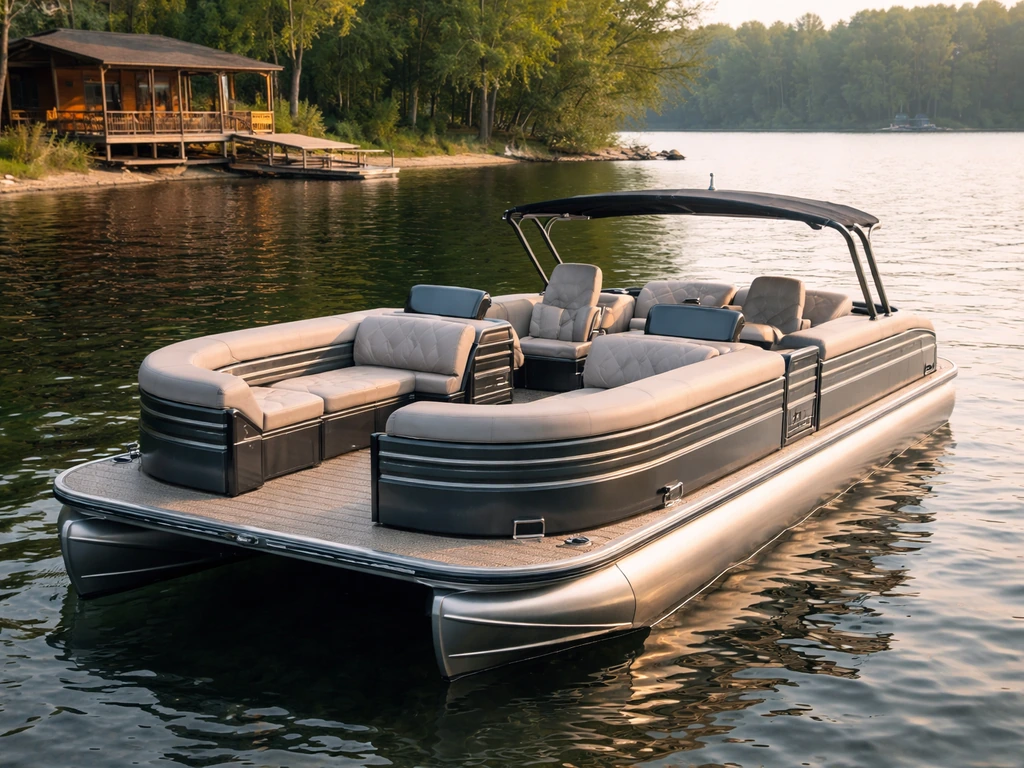
What the AquaPatio actually is
AquaPatio is Godfrey Pontoon's flagship recreational/lounge-focused brand. Godfrey is a well-established American pontoon manufacturer whose warranty documentation covers multiple brands including Sanpan, Monaco, Sweetwater, and AquaPatio. The AquaPatio name covers a wide range of models: the 235 ULC and 235 SFLC sit at 23 feet 11 inches overall, the 255 ULC and 255 DFL stretch to around 25–26 feet, and larger options like the 275 SDE push into the upper tier.
Within those hull lengths you get meaningfully different builds depending on the tube package you select. The base two-tube configuration is a straightforward pontoon; step up to the iMPACT+ 29-inch center tube package and you're looking at a tri-toon with a full-length 29-inch diameter center tube, integrated motor pod, and a 61-gallon fuel tank alongside 27-inch outer tubes. That's not the same boat, and not the same price.
Why reviews matter here: pontoon boats look pretty similar from a photo, and AquaPatio's marketing leans hard on lifestyle imagery. The real differences show up in aluminum gauge, flooring material quality, furniture construction, and which tube package you're actually getting. Reviews help cut through the brochure and tell you whether those differences hold up after two or three seasons on the water.
The honest verdict: what owners and reviewers consistently say
Across dealer feedback, owner forums, and independent test coverage, the AquaPatio earns solid marks for structural integrity, a genuinely strong warranty, and a comfortable lounge layout. The recurring weak points are vinyl flooring and upholstery appearance over time, plus parts availability for custom or older trim packages. In a long-running owner thread titled “Godfrey has been good to me too…,” forum posters share cleaning and vinyl appearance experiences and also discuss how custom part availability can affect ongoing ownership of AquaPatio-equipped boats vinyl flooring and upholstery appearance over time, plus parts availability for custom or older trim packages. Here's the quick breakdown:
| Category | Verdict | Notes |
|---|---|---|
| Construction quality | Strong | Aluminum frame is well-regarded; fiberglass console/platform on performance variants is a real differentiator |
| Tube performance | Good to excellent (model-dependent) | iMPACT+ 29" center tube package noticeably outperforms base twin-tube setup |
| Seating & deck layout | Comfortable | ULC (Ultra Lounge) configs prioritize relaxation; ample seating for 15 on the 255 ULC |
| Vinyl flooring durability | Fair | Scratching, flaking, and discoloration reported on older models; a recurring forum complaint |
| Upholstery longevity | Fair to good | Sun and water exposure accelerate wear; covered storage or canvas makes a big difference |
| Warranty coverage | Excellent | Lifetime structural + 10-year bow-to-stern; 10-year flooring, furniture, and canopy fabrics |
| Performance (tri-toon) | Very good | AP 250 XP tested at 60 mph on 350 hp; twin-engine 256 SB hits 0–20 mph in under 4 seconds |
| Value vs. price | Good but not cheap | You pay for the warranty and construction; budget shoppers will feel the sticker price |
Who it's best for: The AquaPatio lounge models (235 and 255 ULC/SFLC) are ideal for families or groups who want a comfortable, well-built lake boat without the complexity of a high-performance setup. The iMPACT center tube packages and performance variants like the AP 250 XP are for buyers who want real speed and tri-toon handling and are prepared to pay for it. If you're a first-time pontoon buyer looking for a no-drama boat with strong warranty backing, the AquaPatio is a smart choice. If you're purely budget-focused, the sticker price will be a hurdle.
Construction and materials: what's actually holding this boat together
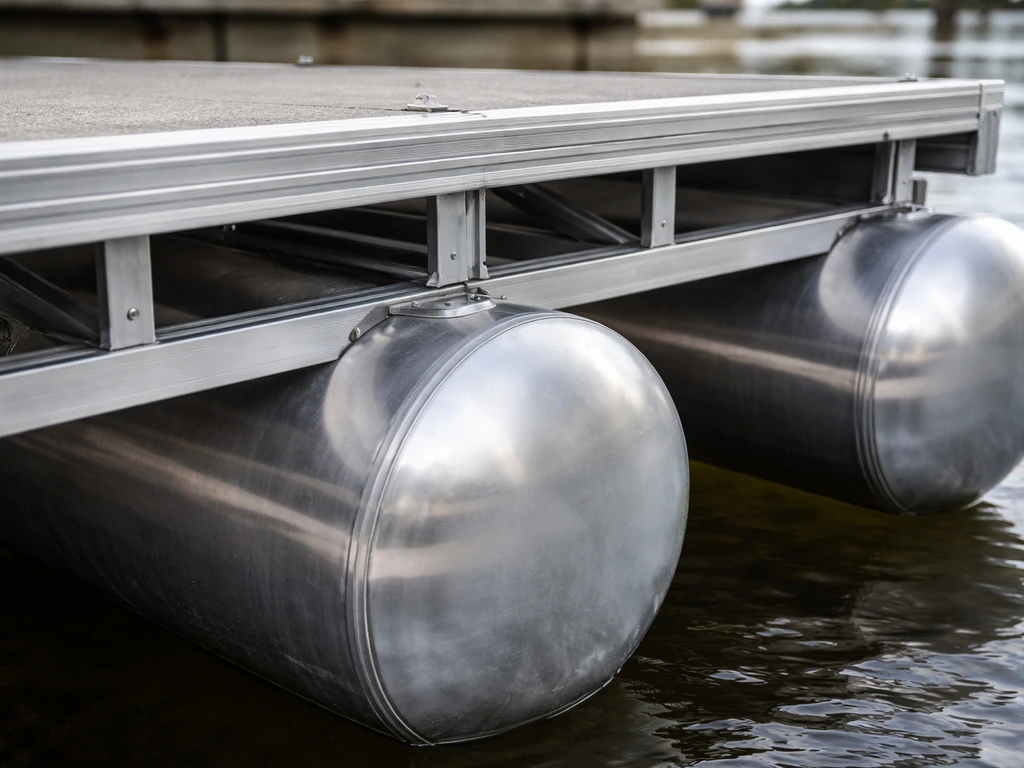
Frame and tubes
The foundation of any pontoon is its aluminum log tubes and deck frame, and AquaPatio does this part well. The standard two-tube pontoon builds use quality-gauge aluminum throughout, but the step-up iMPACT tube packages are where Godfrey puts real engineering effort. The iMPACT+ 29-inch center tube is a full-length tube (not a partial strake), and it includes an integrated motor pod. Outer tubes on that package run 27 inches in diameter. The result is a noticeably stiffer, faster, better-handling platform than a standard twin-log setup. If performance matters to you at all, paying to step up to an iMPACT package is worth considering seriously.
Deck panels and flooring
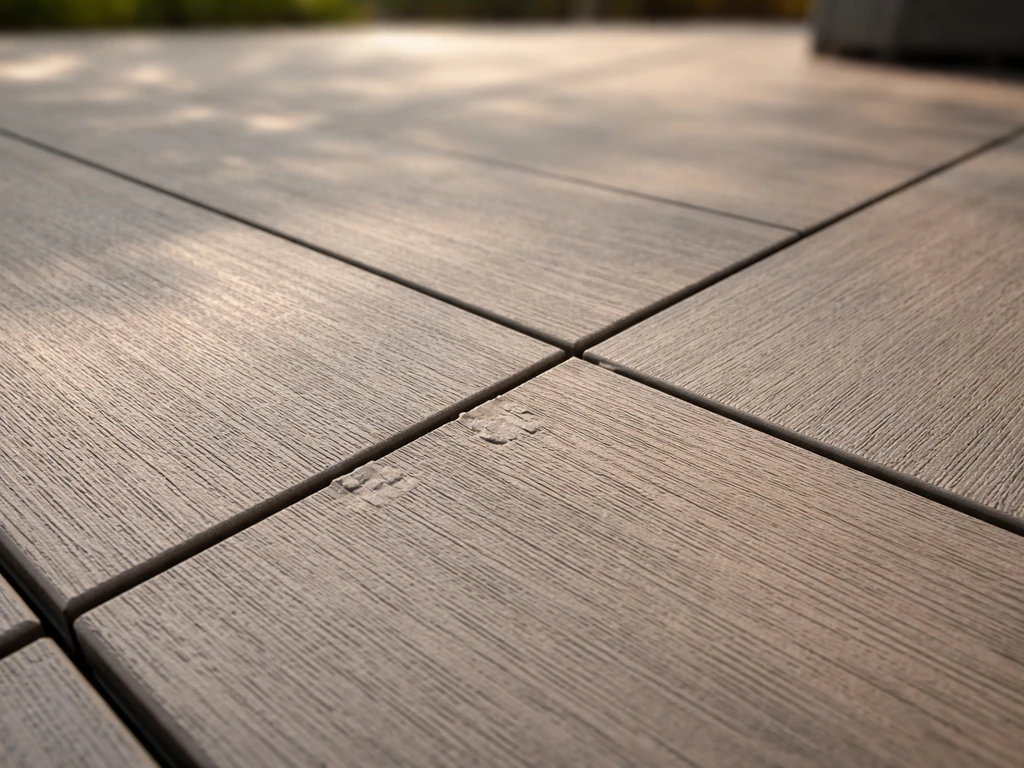
Godfrey covers AquaPatio deck panels under a "Lifetime Marine Deck PTP" repair/replace warranty, which tells you they're confident in the structural deck material. In practice, the PTP (polymer thermal plastic) deck panels hold up well mechanically. The issue that shows up repeatedly in owner forums is the vinyl flooring overlay on top of those panels. Scratching, flaking, and discoloration have been reported on models from the mid-2010s onward, and it seems to be a consistent enough complaint that it's worth asking your dealer directly about the current flooring specification and finish before you buy. This isn't unique to AquaPatio, but it's the most common frustration owners mention.
Furniture, console, and fiberglass components
On standard lounge models, seating uses cushioned vinyl upholstery over aluminum-framed furniture. It's comfortable and functional, but sun and water exposure will degrade it without proper care. Where AquaPatio separates itself on higher-end variants is in the fiberglass work: on the AP 250 XP and comparable performance builds, the helm console and elevated platform are molded fiberglass, not just wrapped aluminum. That's a meaningful construction upgrade that you see on far fewer pontoons at this price point. It adds rigidity and a finished look that holds up better than vinyl-wrapped alternatives over multiple seasons.
Performance and handling: what it's like on the water
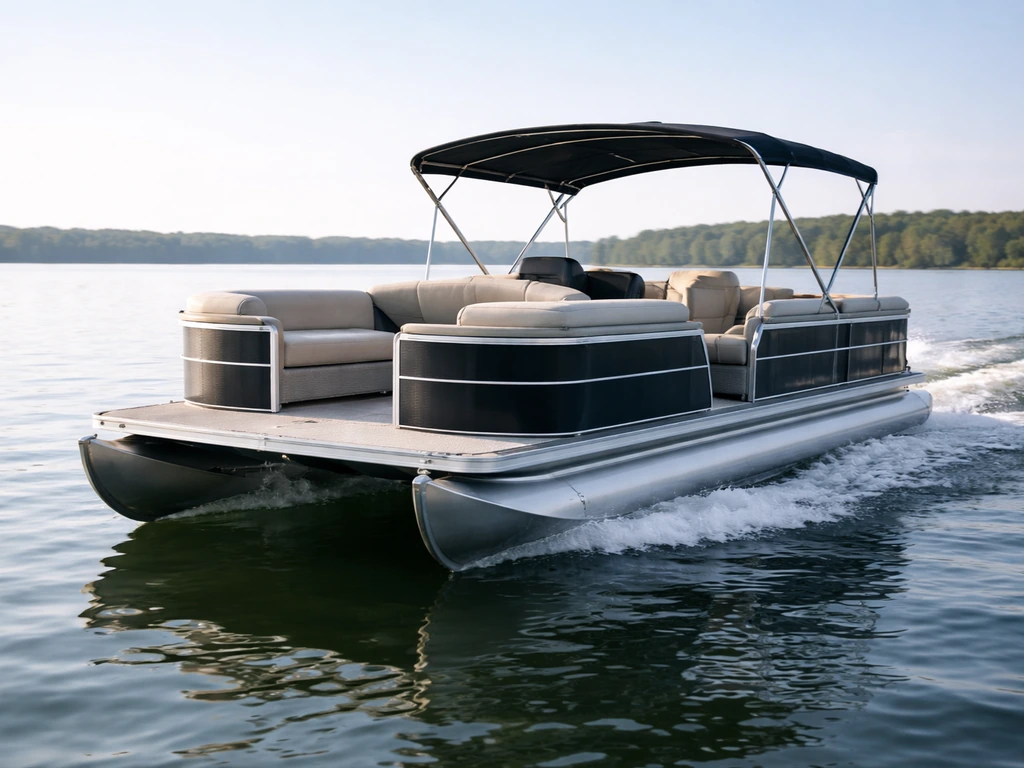
For a standard two-tube AquaPatio in the 235 or 255 class, handling is what you'd expect from a well-built lounge pontoon: stable, smooth at moderate speeds, comfortable for cruising and anchoring. These aren't speed boats, and they're not designed to be. They track predictably and are easy to drive, which is exactly what most buyers in this segment want.
Step up to the tri-toon configurations and the character changes significantly. The AP 250 XP, tested by boats.com with a 350-hp outboard, hit 60 mph in testing. The tri-toon setup improves handling over standard pontoons, but reviewers noted that hard turns produce outward-banking G-forces that can catch new drivers off guard. The recommendation is to back off slightly in aggressive cornering until you're comfortable with how the boat responds. On the performance twin-engine 256 SB variant, Yamaha's published performance bulletin recorded a 0-to-20 mph time of 3.97 seconds, which is genuinely quick for a pontoon platform. Fuel consumption data across multiple RPM bands is documented in that bulletin, which is useful if you want real-world range estimates before buying.
For most buyers, the takeaway is this: if you're buying an AquaPatio for relaxed lake cruising, any model in the lineup will do it well. If you want performance, the iMPACT+ tube package and matching horsepower are what actually unlock that capability, not just the hull length.
Durability and value over time
The AquaPatio warranty is one of the most competitive in the segment. Godfrey backs these boats with a lifetime structural warranty plus a 10-year bow-to-stern coverage. That 10-year umbrella includes flooring and canopy fabrics, furniture and upholstery, and major components. Electrical has a 5-year term. The deck panels themselves carry lifetime coverage for repair or replacement. For a pontoon you're planning to keep for 10 or more years, this warranty structure is a real asset and worth factoring into any price comparison.
In practice, longevity depends heavily on storage and maintenance habits. The vinyl flooring issues seen in owner forums are largely preventable with regular UV-protectant application and covered or indoor winter storage. Upholstery holds up much better with a quality canvas cover when the boat isn't in use. The aluminum structure itself is very durable and not a common source of complaints. The parts availability issue worth knowing: some owners on older or custom-trim models have reported difficulty sourcing replacement parts for non-standard pieces, so if you're buying a highly customized build, ask your dealer specifically about parts lead times.
Realistically, a well-maintained AquaPatio with proper seasonal care should last 15 to 20-plus years structurally. The cosmetic and soft-goods components (flooring overlay, upholstery fabric) are what typically need attention at the 7-10 year mark, and those are covered under warranty for the first decade.
Before you buy: a model-specific checklist
AquaPatio model codes can be confusing, and dealers don't always make it easy to compare exactly what you're getting. Before you finalize any purchase, work through this list:
- Confirm the exact tube package: base twin-log, iMPACT 27-inch center tube, or iMPACT+ 29-inch with integrated motor pod. The tube package affects performance, horsepower rating, and price more than almost any other variable.
- Check the seating capacity and max load rating for your specific model. The 255 ULC, for example, seats 15 with a max load of 2,865 lbs and a dry weight of 3,200 lbs. Make sure your trailer and tow vehicle are rated accordingly.
- Verify the fuel tank size. Base models vary; the iMPACT+ center tube package includes a 61-gallon tank, which is significantly larger than standard configurations.
- Ask specifically about the flooring specification: what material, what finish, and what the current warranty claim process looks like for flooring issues. Given the forum history, this is worth a direct conversation.
- Confirm horsepower rating for your tube package. Higher iMPACT packages support higher max HP, but you need the right tube to run the right engine.
- Request a copy of the Godfrey limited warranty document. The warranty covers AquaPatio specifically, and you want to see the actual terms (including any exclusions for normal wear) before signing.
- Check dealer inventory for your model year. The 2026 AP255ULC is actively listed by dealers at approximately 26 feet overall. Confirm length, beam, and rigging details match the spec sheet from godfreypontoonboats.com.
- Ask about dealer service capacity. Warranty claims are only as good as your dealer's ability to process them. Ask how long typical service turnarounds run.
- Inspect the vinyl flooring and upholstery closely on any demo or used unit. Look for edge lifting, discoloration near sun-exposed seams, and any soft spots in the deck surface.
- Factor in a quality cover. This is not optional for longevity. Budget $500-$1,500 for a fitted canvas cover if it's not included in your package.
How it compares: alternatives by budget
The AquaPatio is a mid-to-upper-tier pontoon, and its price reflects that. Here's how to think about alternatives depending on what you're willing to spend and what you're willing to give up:
| Budget Tier | Alternative to Consider | What You Gain vs. AquaPatio | What You Give Up |
|---|---|---|---|
| Budget ($20K–$35K) | SunTracker, Tahoe, or base-tier Harris | Lower upfront cost; widely available | Lighter construction, shorter warranties, fewer tube/performance options |
| Mid-range ($35K–$60K) | Bennington Q/R Series, Harris Cruiser | Comparable construction; strong dealer networks | May not match AquaPatio's fiberglass console work or tube package depth |
| AquaPatio range ($45K–$80K+) | AquaPatio 235/255 ULC with iMPACT tubes | Lifetime structural warranty; proven tri-toon performance; fiberglass components on higher builds | — |
| Upper tier ($80K+) | Manitou Aurora, Crest Caribbean RS | Premium finishes; flagship-level fit and detail | Significantly higher price; not necessarily better structural warranty |
If you're cross-shopping within the Godfrey family, the Godfrey AquaPatio and the Godfrey-related Sweetwater lineup address slightly different buyer profiles. Worth knowing: the Godfrey pontoon warranty document covers both brands under the same terms, so warranty isn't a differentiator between them.
The AquaPatio leans harder into lounge comfort and premium finish options; if you want to compare another well-regarded pontoon-style brand with a strong outdoor comfort focus, the Godfrey AquaPatio reviews sit naturally alongside other premium patio-oriented lines like those from Agio or Amazonia on the furniture side of the outdoor living market. If you are specifically shopping for patio-style comfort, reading amazonia patio furniture reviews can help you compare outdoor furniture quality and durability before you buy.
If you're shopping for outdoor comfort on a patio setting, an agio patio furniture review can help you compare style, materials, and longevity.
My honest recommendation: if you're in the $50K-$70K range and want a pontoon that's going to hold up structurally for a long time, has real warranty teeth, and offers a genuine performance upgrade path through tube packages, the AquaPatio 235 or 255 ULC with an iMPACT center tube is hard to beat for the money. Just go in knowing the vinyl flooring is the most likely point of cosmetic frustration over time, and budget for proper covered storage from day one. That single habit will extend the life of the soft goods by years. If you want a bottom-line sense of what buyers like and dislike, read the latest Akoya patio furniture reviews before choosing your seating and outdoor setup.
FAQ
How can I tell which AquaPatio tube package I’m actually buying if model names look similar?
Ask for the exact tube package name (two-tube vs iMPACT vs iMPACT+) on the buyer’s sheet, not just the model length. Two boats that both say “235” can differ dramatically in center tube diameter, whether the motor pod is integrated, and how the fuel tank is packaged, which affects handling and top-end capability.
What should I verify about the vinyl flooring before putting down a deposit?
Since the most common complaints center on the vinyl flooring overlay, confirm whether the current flooring spec uses the same overlay system as earlier mid-2010s builds, and get the dealer to show the installed flooring sample in person. If you can, ask what thickness or finish the overlay has and whether replacement is a standard service item or a special-order trim.
If I don’t have indoor storage, will the warranty still be enough to protect the flooring and upholstery?
The warranty protects structural deck panels, but soft goods outcomes depend heavily on storage. If you cannot guarantee covered or indoor winter storage, prioritize a dealer-approved winterization plan (including drying and cover type) and budget for periodic UV-protectant and spot reconditioning, because warranty coverage does not eliminate cosmetic wear from prolonged sun exposure.
What warranty details should I confirm in writing for my exact AquaPatio configuration?
Before delivery, check that your ownership paperwork lists the right coverage periods by component (lifetime structural and 10-year bow-to-stern, plus the separate electrical term). Dealers sometimes describe coverage informally, so confirm the exact inclusions for flooring, canopy fabrics, furniture, and upholstery match what you expect for your specific option package.
Are tri-toon AquaPatios difficult to drive, and what should new owners practice?
Performance tri-toon setups can feel more aggressive in hard turns, with outward-banking forces that are uncomfortable for new drivers. Practice wide, gradual turns first, keep throttle progression smooth, and consider a short on-water orientation with the dealer to learn how the boat responds at your common speeds.
How should I compare performance AquaPatio models for real-world speed and range, not just top speed?
If you’re considering the faster builds, do a horsepower and prop match check based on the exact variant (like AP 250 XP) rather than relying on generic “up to” marketing. Request the expected operating RPM range and a conservative range estimate for your typical cruising speed, because fuel burn can change a lot across RPM bands.
How do I interpret AquaPatio reviews without getting misled by mixed model setups?
When reviewing owner feedback, filter by model year range and tube package, because complaints about flooring or soft goods can cluster around specific flooring implementations. Also note whether the boat was stored covered, and whether owners mention UV care, since those habits strongly influence whether the same build ends up with scratches and discoloration.
What parts availability questions should I ask if I’m buying a custom or older-trim AquaPatio?
If your boat is heavily customized, parts availability can become a real bottleneck for non-standard trim. Ask your dealer for likely lead times for your specific options (trim pieces, cushions, specialty flooring finishes) and whether they keep spares for that package, so you can judge downtime risk if you need repairs later.
What should I check for in lounge comfort that photos often hide?
If you want the lounge models, pay attention to furniture layout and access for anchoring and boarding, not only upholstery look. Ask whether the seat frames are aluminum-framed under the vinyl and whether the dealer can show the seating construction quality under direct lighting, since comfort is strongly affected by support structure, foam density, and how seats withstand sun.
How should I budget total ownership cost over 10 to 15 years when the warranty covers structure but not cosmetics forever?
If you plan to keep the boat long term, estimate your cost of ownership beyond purchase price. Factor in typical soft-good replacement timing (often around the 7 to 10 year mark) and include maintenance supplies like UV protectant, cover care, and any expected refresh of flooring or upholstery seams when comparing AquaPatio against lower-cost competitors.
Next Article
Amazonia Patio Furniture Reviews: Buyer Guide and Checklist
Amazonia patio furniture review guide with durability, comfort, maintenance, and buyer checklist vs budget and premium s