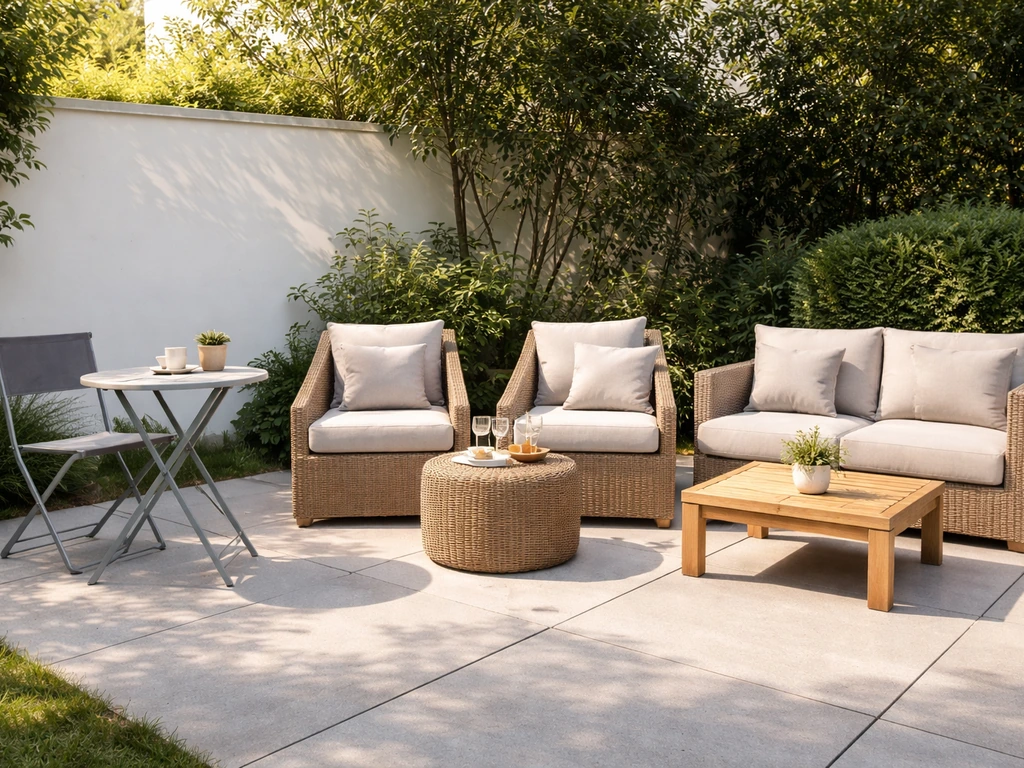
The best patio furniture right now, across most budgets and climates, comes down to a handful of standout picks: powder-coated aluminum sets for all-weather durability, all-weather resin wicker for a classic look that holds up outdoors, and sling or Sunbrella-cushioned pieces for comfort that doesn't turn into a mildew nightmare after one rainy season. At the budget end, Costway and similar retailers offer functional aluminum and steel sets in the $200 to $600 range that work fine for light use.
Consumer Reports Best Patio Furniture: How to Choose

Holly Dawson
3 Jun 2026
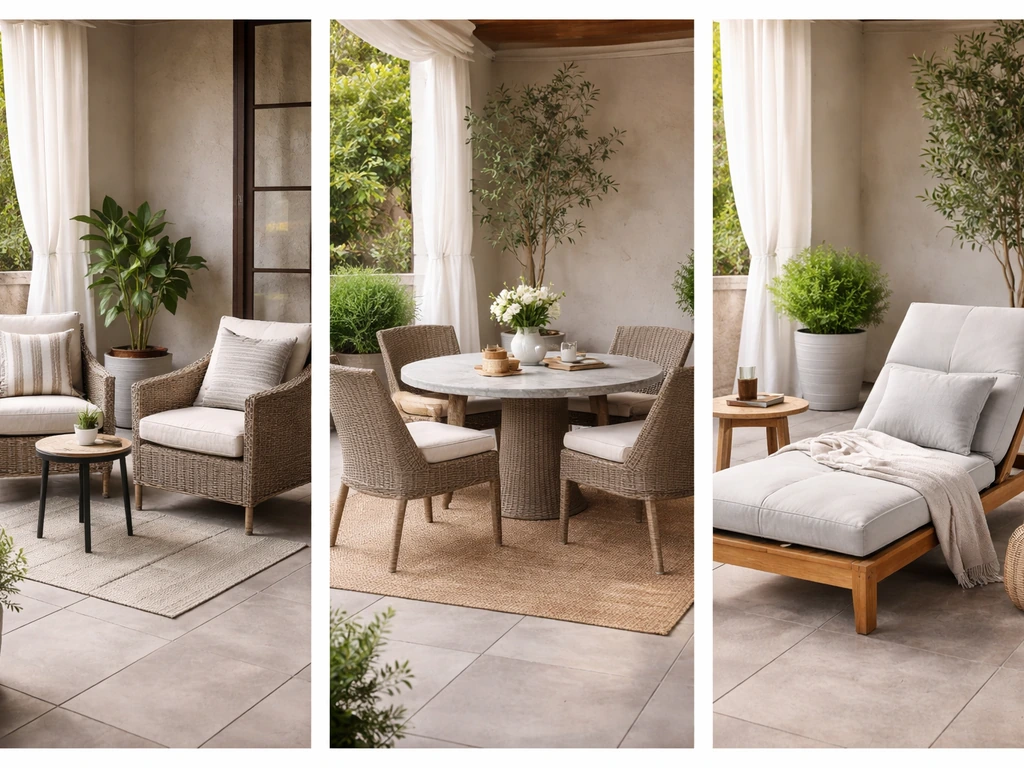
In the midrange ($600 to $1,500), brands like Hampton Bay and Polywood deliver noticeably better construction. At the premium level, Frontgate, Pottery Barn, and West Elm justify higher prices with marine-grade frames, quality cushion fabrics, and longer warranties. What follows is how to pick the right option for your space, climate, and budget without getting burned.
What 'best' actually means for patio furniture shoppers
When people search for Consumer Reports-style guidance on patio furniture, they're really asking: will this hold up, is it comfortable, and is the price honest? If you want an easy starting point, patio furniture reviews consumer reports can help you narrow down options that hold up over multiple seasons. Those are the right questions. 'Best' in outdoor furniture isn't about aesthetics first.
It's about whether the frame warps after a summer in the sun, whether the cushions stay dry enough to sit on after a morning rain, and whether the hardware is still tight after two winters in storage. A piece that looks stunning in a showroom photo but develops rust spots by September or loses its cushion firmness by year two is not a good buy at any price.
The Consumer Reports approach to evaluating outdoor furniture is worth internalizing: sit in it, pick it up, look closely at the welds, flip it over and check the hardware. These hands-on checks reveal things no product listing will tell you. A good piece of outdoor furniture should feel substantial when you lift it. Welds on metal frames should be smooth, not rough or gapped. Hardware should be stainless steel or similarly rust-resistant, not bare zinc or untreated fasteners. Powder-coat finishes should be even and chip-free. These details separate furniture that lasts five to ten seasons from furniture that looks tired after one.
Best picks by category: sets, seating, dining, and loungers
Outdoor seating sets
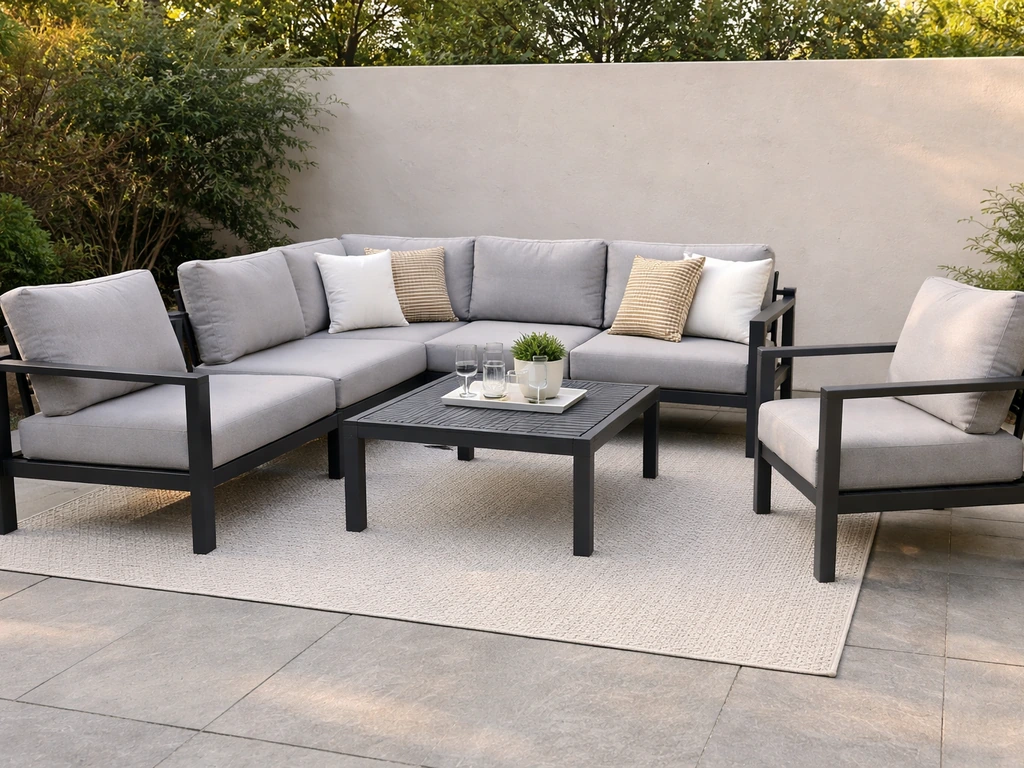
For most people, a conversation set (sofa, two chairs, coffee table) is the anchor of the patio. At the budget tier, Costway's aluminum-frame sectionals in the $300 to $500 range are a reasonable starting point, though expect thinner cushion foam (usually 3 inches or less) and a lighter frame that may need weighting down in wind.
For midrange buyers, the Hampton Bay Beacon Park or similar Home Depot exclusives in the $700 to $1,200 range offer significantly better all-weather wicker quality and thicker cushions. If you're investing at the premium level, Frontgate's resin wicker conversation sets, which typically run $2,000 and up, use hand-woven high-density polyethylene over powder-coated aluminum frames and come with Sunbrella or comparable solution-dyed acrylic cushions. That combination is genuinely worth the money if you live in a high-humidity or coastal environment.
Dining sets
Outdoor dining sets need to handle weight, moisture, and food spills simultaneously. Teak remains the gold standard for dining table surfaces because it's naturally oily, resists cracking, and ages beautifully to a silver-gray. A quality teak 6-piece dining set from brands like Smith & Hawken heritage lines or similar manufacturers runs $1,500 to $3,000.
If teak is out of budget, powder-coated aluminum table frames with a tempered glass or porcelain top are the next best choice: weather-resistant, easy to wipe down, and structurally stable. Avoid dining tables with composite or MDF surfaces marketed as 'wood-look' outdoor furniture. They absorb moisture and swell within a season or two. Polywood's recycled plastic lumber dining tables are an underrated midrange option at $800 to $1,400 because they genuinely don't rot, splinter, or need sealing, ever.
Lounge chairs and chaises
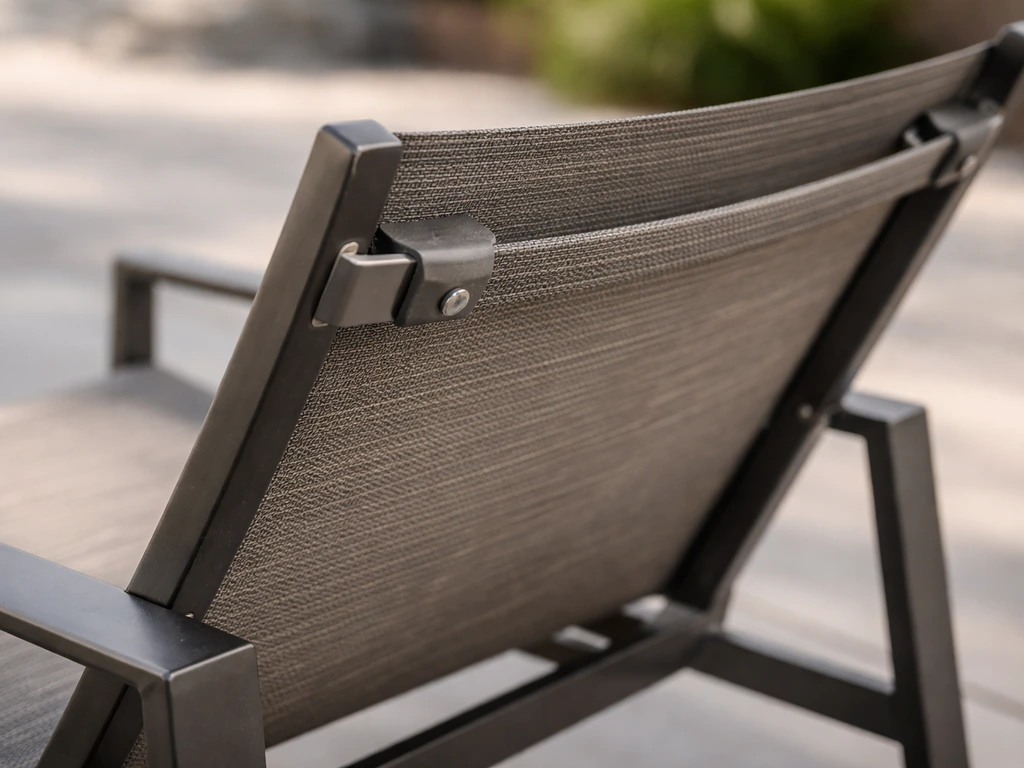
Sling chairs remain one of the smartest outdoor seating options available. The sling fabric dries fast, doesn't harbor mildew, and holds its shape for years if the fabric is a quality vinyl-coated polyester. Look for adjustable reclining positions (at least three) and frames that are either aluminum or wrought iron with rust-resistant coating. At the budget end, Mainstays and Costway sling chaises in the $80 to $150 range are fine for occasional use.
For daily outdoor lounging, Telescope Casual and Tropitone make commercial-grade sling chaises in the $400 to $800 range that are a legitimate investment. If you prefer cushioned chaises, make sure the cushion fabric is solution-dyed acrylic (like Sunbrella) rather than polyester, which fades noticeably within a year of UV exposure.
Individual chairs and accent seating
Adirondack chairs are a perennially popular single-piece option. Polywood's recycled plastic Adirondacks at around $200 to $350 each are among the best value purchases in all of outdoor furniture: fade-resistant, never need painting, hold up to freeze-thaw cycles, and come with a 20-year warranty. Wood Adirondacks look beautiful but need annual sealing or painting to avoid weathering. For swings and gliders, cast aluminum frames paired with UV-resistant sling or Sunbrella cushion fabric are the most durable combination. A porch swing or glider from a brand like Hanover or Polywood in the $300 to $700 range should last a decade with minimal maintenance.
Materials and construction: what to actually inspect before buying
Frame materials compared
| Material | Weather Resistance | Weight | Maintenance | Price Range | Best For |
|---|---|---|---|---|---|
| Powder-coated aluminum | Excellent | Light | Very low | Budget to premium | All climates, especially coastal |
| Wrought iron | Good with coating | Heavy | Low to moderate | Mid to premium | Windy areas, traditional look |
| Teak | Excellent (natural oils) | Moderate-heavy | Low to moderate | Mid to premium | Dining tables, classic style |
| Polywood (recycled plastic) | Excellent | Moderate | Very low | Budget to mid | Humid climates, zero maintenance |
| Steel (coated) | Moderate | Heavy | Moderate | Budget | Light or covered use only |
| Resin wicker over aluminum | Good to excellent | Light-moderate | Low | Mid to premium | Conversation sets, casual style |
Cushions, fabrics, and straps
Cushion quality is where most budget furniture cuts corners most aggressively. Foam density matters: outdoor cushions should use high-density foam of at least 1. 8 lbs per cubic foot, ideally with a quick-dry polyester fiberfill wrap. Anything under that compresses flat within a season of regular use.
Fabric is equally critical. Solution-dyed acrylic, which includes Sunbrella and similar brands, is woven with color throughout the fiber rather than dyed on the surface, so it resists UV fading dramatically better than standard polyester. Expect to pay more for it, but a set of Sunbrella cushions that still looks good in year four is a better value than replacing cheap polyester cushions every year or two. Sling fabric should be a heavy-gauge vinyl-coated polyester or similar.
If you can easily stretch it with two fingers, it's too thin.
One red flag Consumer Reports specifically calls out: traditional natural wicker is not suitable for outdoor use. It absorbs moisture, warps, and breaks down fast. All-weather wicker made from resin or high-density polyethylene over an aluminum or steel frame is the correct outdoor version. If a listing just says 'wicker' without specifying 'all-weather' or 'resin,' treat that as a warning sign and dig deeper before buying.
Hardware and welds
If you're shopping in a store, flip pieces over and look at the hardware. Stainless steel or galvanized fasteners are what you want. Bare zinc or uncoated screws will rust and streak within a season in any wet climate. On metal frames, run your fingers across the welds.
Smooth, consistent welds with no gaps or rough protrusions indicate better manufacturing. Rough or uneven welds are a structural risk over time, especially on weight-bearing joints like chair legs and armrests. This is one area where the heft test Consumer Reports recommends actually tells you something: a frame heavy enough to be structurally sound will feel noticeably more substantial than one that's cut from thin-gauge tubing.
Consumer Reports’ patio furniture buying guidance emphasizes this heft test because a frame that feels substantially built is more likely to be structurally sound over time heft test Consumer Reports recommends.
Weather durability and keeping things clean season to season
Rust, water, and UV fading
Rust is the primary killer of steel and iron patio furniture. Any scratches or chips in the powder coat on a steel frame are potential rust entry points. If you choose steel-frame furniture, carry a small bottle of touch-up powder-coat paint and address chips immediately. Aluminum doesn't rust, which is why it dominates quality outdoor furniture. UV fading hits cushions and wood finishes hardest. Solution-dyed fabrics resist fading significantly longer than surface-dyed or printed fabrics. Teak and other woods benefit from an annual coat of teak oil or sealant to slow weathering. Most plastic and resin furniture (including Polywood) has UV inhibitors built in at manufacturing and holds color for many years without treatment.
Mildew and moisture management
Mildew is primarily a cushion problem. Cushions stored or left outdoors in humid conditions need airflow. Look for cushions with drainage holes or mesh-backing panels that allow moisture to escape. If your cushions don't have a waterproof zipper cover or at minimum a water-resistant shell fabric, store them indoors or in a covered bin during rain. Good-quality outdoor furniture stores often carry quick-dry foam inserts that genuinely shed water faster than standard foam, and that difference is meaningful in rainy climates. For all-weather wicker, the frame itself is fine in rain, but water that pools inside hollow resin weave can degrade cheaper wicker cores over time. Look for wicker sets with solid or sealed frames underneath.
Cleaning and seasonal care
- Aluminum and resin wicker: mild dish soap and warm water with a soft brush; rinse thoroughly; do this 2 to 3 times per season
- Cushion fabric (Sunbrella and similar): spot-clean with diluted mild soap; for mildew, use a diluted bleach solution (1 cup bleach per gallon of water), apply, let sit 15 minutes, rinse fully
- Teak: clean with a teak cleaner or diluted oxalic acid solution once a year, then reapply teak oil or sealer
- Powder-coated steel or iron: wash with soapy water, inspect for chips or rust spots, touch up with matching powder-coat spray
- Polywood and recycled plastic: pressure wash, soap and water, or even a diluted bleach solution; requires no sealing or painting
- At season end: store cushions inside or in a waterproof storage box; cover hard furniture with breathable outdoor furniture covers; avoid non-breathable plastic tarps that trap moisture
Budget vs midrange vs premium: where the real value lines are
Budget patio furniture from retailers like Costway, Temu, and similar sources typically runs $150 to $600 for a set. The value proposition is access to an outdoor space at low upfront cost. The honest tradeoff is thinner tubing, lighter-gauge frames, lower-density cushion foam, and fabric that may fade noticeably within two seasons. These sets are not built for year-round heavy use or coastal weather. If you're furnishing a rental, a secondary porch you use occasionally, or you're not sure how much you'll actually use outdoor furniture, this tier makes sense. Just don't expect it to last a decade.
Midrange furniture in the $600 to $1,500 range is where quality makes a clear and visible jump. Brands like Hampton Bay (Home Depot), Better Homes and Gardens (Walmart), and Polywood operate here. Frames are heavier-gauge, welding quality is better, cushion foam is thicker and denser, and fabric options are more weather-resistant. This is the tier that makes the most sense for the majority of homeowners who will actually use their patio furniture regularly across multiple seasons.
Premium furniture from Frontgate, Pottery Barn Outdoor, and West Elm Outdoor typically starts at $1,500 for a chair and goes well into the thousands for a full set. What you're genuinely paying for: commercial-grade aluminum or marine-grade teak frames, hand-woven HDPE wicker over sealed aluminum, Sunbrella or proprietary solution-dyed fabric standard (not an upgrade), and warranties of 3 to 5 years or more. Tropitone’s Limited Consumer Warranty states that if a structural frame fails structurally within [fifteen years](https://www. tropitone.
com/warranty/tropitone-limited-consumer-warranty) under normal usage, Tropitone will repair or replace the frame at no charge (manufacturer discretion). For Tropitone specifically, warranty coverage differentiates limited commercial versus limited consumer coverage and depends on proof of purchase plus any inspection or inspection photo requirements warranty coverage depends on proof of purchase and inspection/photo requirements.
In coastal environments, hurricane-prone areas, or year-round-use climates, the premium tier frequently delivers better long-term cost per year of use than replacing midrange furniture every three to four years. It's not always the right choice, but when it is, it's not irrational.
| Price Tier | Typical Range | Representative Brands | Best Use Case | Expected Lifespan |
|---|---|---|---|---|
| Budget | $150 to $600 | Costway, Temu, Mainstays | Occasional use, rentals, covered patios | 2 to 4 seasons |
| Midrange | $600 to $1,500 | Hampton Bay, Polywood, Better Homes and Gardens | Regular seasonal use, most climates | 5 to 8 seasons |
| Premium | $1,500 and up | Frontgate, Pottery Barn, West Elm | Daily use, coastal/harsh climates, long-term investment | 8 to 15+ seasons |
Sizing your patio furniture to your actual space
This is where a lot of buyers get burned, not by quality issues but by buying pieces that don't fit or function well in their real space. Before ordering anything, measure your patio or deck and sketch a rough layout. A general rule: leave at least 3 feet of clearance around a dining table for chair pull-out, and at least 18 inches between a sofa or chair and a coffee table for comfortable leg room. Sectionals can easily overwhelm a small patio visually and physically. A 9-foot sectional on a 10x12 deck will feel claustrophobic and block traffic flow to and from the door.
Ergonomics matter more outdoors than people expect. Standard dining chair seat height is around 17 to 19 inches from the ground. Lounge chair seat height for most adults should be 14 to 17 inches with a recline option. Deep-seating conversation sets (seat depth of 22 to 26 inches) are comfortable for lounging but awkward for upright socializing or eating. If you plan to use your conversation set for entertaining, look for sets with a seat depth closer to 18 to 20 inches, which is more like indoor sofa sizing and easier to get in and out of.
Weight capacity is something most buyers skip until they need it. Standard residential patio chairs are typically rated for 250 to 300 lbs. If anyone in your household exceeds that, or if you're buying for commercial use like a vacation rental, specifically look for furniture with a 350 to 500 lb weight rating. Some sling chairs and lightweight aluminum pieces have lower ratings than they appear, so check the spec sheet, not just the listing photo.
How to read reviews and know what to trust
Expert signals vs user signals
Expert reviews (including the kind of aggregated analysis you'll find on sites like this one) are most useful for construction and materials evaluation. Experts will tell you the frame gauge, fabric type, weld quality, and how a piece performs across seasons and climates. User reviews are most useful for real-world logistics: how complex was assembly, did all the parts arrive, how was customer service when something went wrong, and does the color match the listing photo.
If you're hunting for patio furniture reviews 2016, focus on review dates and repeated durability details rather than flashy photos. Both types of signal are valuable, but they answer different questions. Don't rely solely on star ratings, which average out nuanced feedback into a single number that can hide important patterns.
Red flags to watch for in user reviews
- Multiple reports of cushions flattening, fading, or developing mildew within the first season: this points to low-density foam and poor fabric quality that no amount of care will fix
- Consistent mentions of missing hardware or parts on delivery: signals quality control issues at the manufacturer or fulfillment level
- Reports of frame warping, bending, or welds cracking within one to two years: a structural red flag that outweighs positive reviews about appearance
- Multiple reviewers mentioning rust on hardware or frame after minimal outdoor exposure: means the protective coating or material choice is inadequate
- Assembly complaints that describe stripped screws, misaligned holes, or unclear instructions: acceptable as a one-off but a pattern across reviews suggests consistent manufacturing tolerance issues
- Reviews that drop sharply in rating after the first year (look at review dates): a product with great first-month reviews and poor one-year reviews tells you the quality doesn't hold up over time
Patterns worth trusting
Reviews worth trusting are ones with specific detail rather than vague praise. 'Still looks great after three summers in Florida humidity' is useful information. 'Great product!' tells you almost nothing. When you see a consistent pattern across multiple reviewers mentioning the same positive or negative detail (cushion color held up, assembly took 90 minutes, screws stripped during setup), that's real signal. Also pay attention to review volume: a product with 2,000 reviews and a 4.2 rating is almost always a more reliable data point than one with 40 reviews and a 4.8 rating.
It's also worth checking whether the reviews you're reading are verified purchases and whether the review dates span multiple years. Patio furniture reviews written over three or more years give you a much more honest picture of durability than a surge of recent reviews that may reflect an initial production run or a specific promotional period.
If you are comparing patio furniture reviews 2022, focus on how consistent the durability and comfort feedback stays across different climates and seasons. Sites that aggregate expert and user feedback over time, tracking how patio furniture ratings evolve across seasons, give you a clearer view of long-term performance than any single review snapshot from a prior year can.
The landscape shifts enough year to year that guidance from 2020, 2022, or even 2024 may not reflect the current manufacturing quality or pricing of a given brand's lineup. If you want patio furniture reviews 2024 that reflect today’s lineup, prioritize reviews from the most recent season and cross-check the stated materials and durability details. If you're specifically looking at patio furniture reviews 2020, compare them with newer reports to see whether the brand's build quality or pricing has changed.
Your practical next steps
- Measure your outdoor space and sketch a layout before looking at any specific furniture, so you're shopping with real dimensions in mind
- Pick your primary material based on climate: aluminum or Polywood for coastal or high-humidity areas, teak or wrought iron for dry climates with a traditional aesthetic, all-weather resin wicker for most suburban patios
- Set your realistic budget tier (budget, midrange, or premium) and stick to it, factoring in whether you'll need to replace cheaper furniture sooner
- Do the heft test and weld inspection if buying in a showroom, or check for frame gauge specs (look for 0.8mm or thicker aluminum) when buying online
- Verify cushion fabric type: solution-dyed acrylic is the standard to look for; if the listing doesn't specify, ask or assume it's polyester
- Read reviews filtered by the most recent year and look for patterns in durability reports, not just first-impression feedback
- Check weight ratings if relevant, and confirm return or warranty policy before purchasing, especially from retailers where shipping large furniture back is costly
FAQ
Is “all-weather wicker” actually waterproof, and can I leave it outside year-round?
All-weather wicker is designed to handle rain and humidity, but it is not the same as sealed, fully waterproof cushioning. Leave frames outside if the underlying frame is sealed, but for cushions, choose quick-drain/mesh-backed designs and use storage covers or indoor storage in heavy storms. If water pools inside hollow resin weave, cheaper cores can degrade faster, so look for sealed/solid bases underneath.
What should I look for to prevent cushion mildew if I live in a humid climate?
Prioritize cushions with drainage holes or mesh-backing that vents moisture, and avoid “waterproof” claims that only cover the outer fabric. Also check whether inserts are quick-dry foam or have a shell that sheds water rather than holding it. When rain is frequent, plan to keep cushions slightly elevated or on a ventilated rack rather than tightly stacked on the floor.
Should I buy steel patio furniture for the patio if I’m near the ocean?
Steel can work, but coastal air accelerates corrosion, so the finish quality matters more than the price. If you go with steel or wrought iron, verify the fasteners are rust-resistant and that powder coat coverage is thick and even, then inspect for chips immediately. Consider aluminum or marine-grade teak instead if you do not want to do touch-up maintenance.
How do I tell if a powder-coated finish will chip quickly?
In-store, look for an even, consistent coat with no thin spots or visible metal peeking at edges and weld lines. Run your fingernail lightly over corners and transitions, you should not feel rough bare areas. At home, understand that damage usually starts where metal contacts happen, like table edges, so use touch-up paint promptly on chips.
Is solution-dyed acrylic always worth paying for versus regular polyester?
If you get strong UV exposure (full sun, south-facing patios) solution-dyed acrylic usually holds color far longer, so it is often cheaper over time. Polyester may look fine at first but tends to fade more quickly and can feel rougher sooner. A practical check is to look for dense fabric, thicker pile, and a brand description that specifies solution-dyed, not just “fade-resistant.”
What weight rating should I trust for patio chairs and loungers?
Use the listed weight capacity for the specific chair model, not the “set” rating, since sling frames and lightweight aluminum pieces can vary. For households with heavier users or for rentals, look for 350 to 500 lb ratings and confirm whether the rating assumes proper use (for example, normal sitting position). If a chair feels light or wobbly in-store, do not rely on the spec alone.
Do I need to store or cover furniture in winter even if it’s labeled all-weather?
Cushions and fabric components usually need extra protection because they stay damp longer during freeze-thaw cycles. Frames can tolerate exposure better, but covers help reduce accelerated wear from salt air and debris. If you can only do one thing, store cushions indoors or in a ventilated bin, and keep them off the ground to avoid moisture transfer.
How can I avoid buying the wrong size, especially for conversation sets?
Do a seat-in-place test: measure your available footprint and also account for people standing up and chair movement. Deep seating that feels comfortable can block access when people are eating or moving around. As a rule of thumb, plan clearance for walkways and pull-out behavior, then compare the seat depth to whether you want upright dining or relaxed lounging.
What’s the difference between conversation sets and dining sets in durability needs?
Dining sets get more concentrated wear from spills, dropped utensils, and constant movement, so the table top material matters as much as the frame. For example, avoid “wood-look” composite or MDF tops outdoors because they can swell after repeated wetting. Choose tempered glass, porcelain, or sealed surfaces, and consider that chair arms and legs also see more frequent impacts.
Are higher review counts always better for choosing patio furniture?
Higher volume helps, but you also want consistent themes across time. A product with many reviews can still mask a manufacturing change, if most reviews came from one season or a narrow production period. Prefer reviews that mention welds, cushion thickness, fade timing, and assembly difficulty, and look for repeated issues like stripped screws across multiple months.
Should I trust star ratings if I care about long-term durability?
Star ratings can hide patterns, because they average opinions that may differ in what “good” means. Use ratings as a starting filter, then rely on review text that specifies durability timelines (for example, after one rainy season, after two summers) and the same failure points (hardware rust, cushion flattening, zipper failure). Also check whether reviews are verified purchases.
Is it worth paying more for premium furniture warranties?
Warranties can be valuable, but only if they cover the parts that typically fail (frames, cushions, upholstery seams) and if the warranty includes repair or replacement rather than vague “coverage.” If you buy midrange or budget, plan on doing minor maintenance like touch-ups for chips, replacing cushion inserts sooner, and using covers to reduce UV and moisture exposure.
Next Article
Patio Furniture Ratings: How to Read Reviews and Buy Smart
How to interpret patio furniture ratings to spot true value, durability, comfort, and weather resistance across budget t