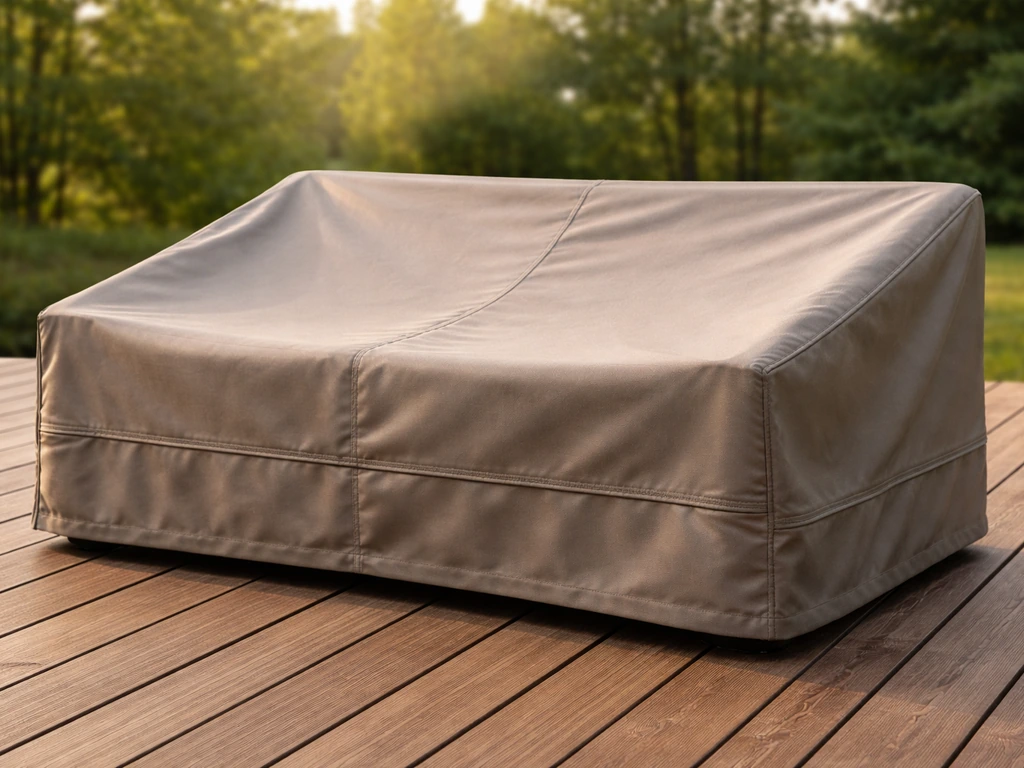
Empire patio furniture covers are genuinely worth considering, especially the StormBlock Platinum line, which uses 1200 denier polyester with a 100% waterproof treatment, double-stitched seams, built-in straps and buckles, and sewn-in air vents. For most climates and furniture types, they deliver solid weather protection at a mid-range price starting around $54.99. That said, fit matters enormously with any patio cover, and there are real user complaints about sizing, windy-day performance, and long-term durability that are worth knowing before you buy.
Empire Patio Furniture Covers Reviews: Best Guide to Fit and Durability

Holly Dawson
10 Jun 2026
What Empire patio furniture covers are and which styles to look at
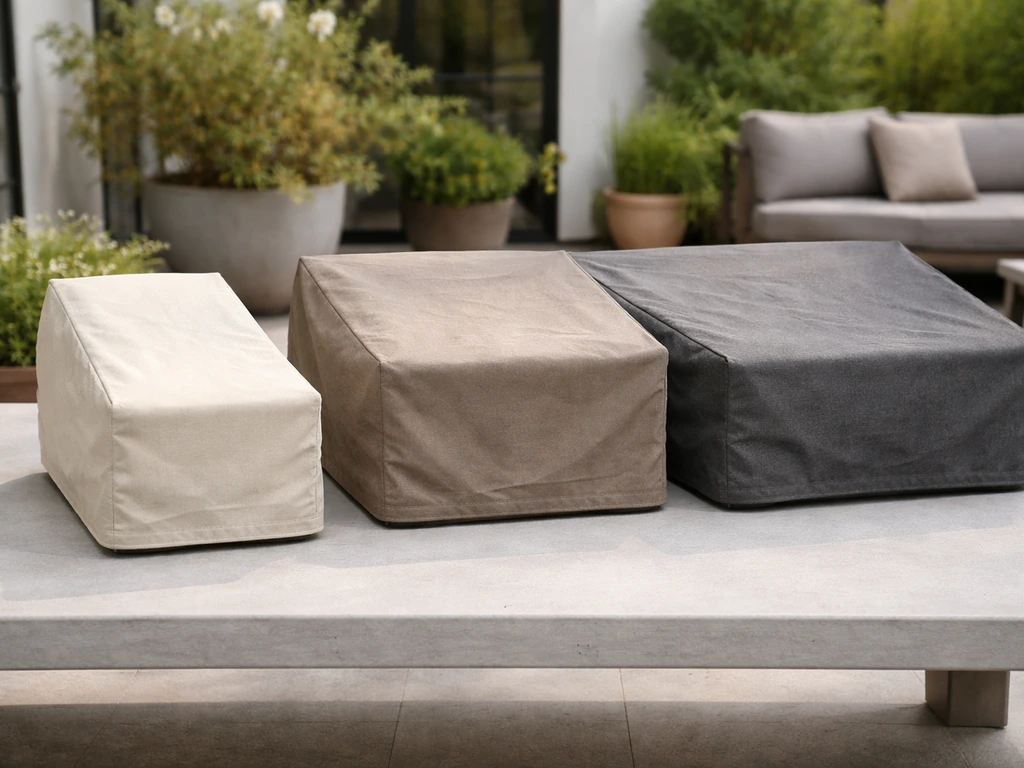
EmpireCovers is a dedicated outdoor cover brand, not a furniture company that throws covers in as an afterthought. Their patio seating cover catalog is organized by furniture type: chairs, chaise lounges, outdoor sofas, and ottomans/side tables. Within each category, they offer several material tiers under their own branding: Classic (entry-level), Select (mid-range), StormBlock Signature, and StormBlock Platinum. The Platinum line is their flagship and the one most reviews are talking about when people discuss Empire covers.
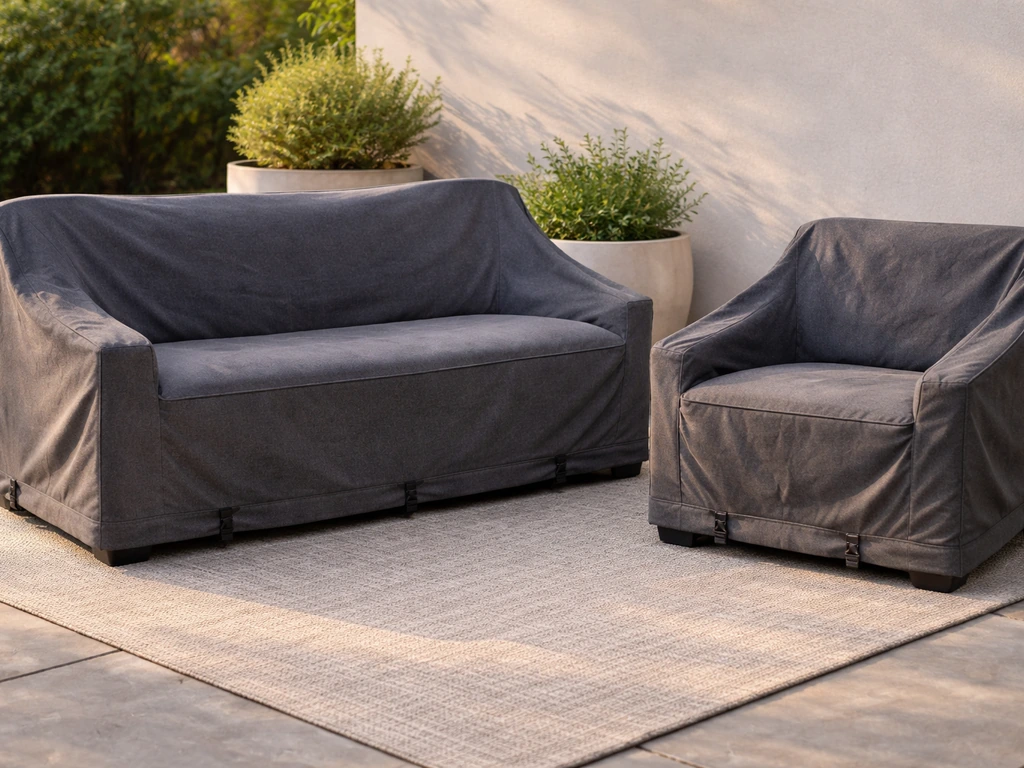
If you have a standard patio chair or a sectional sofa, there is a cover in the lineup for you. The sofa covers come in Small, Medium, Extra Large, and even extra-extra-large sizes. Chaise lounge covers run from Medium through Extra Large plus a Double Chaise option for side-by-side loungers. This range of styles and sizes is one of Empire's actual strengths compared to big-box brands that offer only one or two generic sizes per category.
Material and design breakdown: what you're actually getting
Fabric and waterproofing
The StormBlock Platinum line uses 1200 denier polyester treated with Empire's proprietary StormBlock coating, which the brand claims makes it 100% waterproof. The StormBlock Signature tier steps down to 600 denier polyester with the same UV-resistant coating and StormBlock treatment, still claiming full waterproofness. Denier is a measure of fabric thread weight and density: 1200D is noticeably heavier and more puncture-resistant than 600D. If you live somewhere with heavy rain, hail, or serious sun exposure, the Platinum's heavier fabric is worth the price difference. For mild or seasonal climates, the Signature holds up fine.
Fit, closure, and wind security
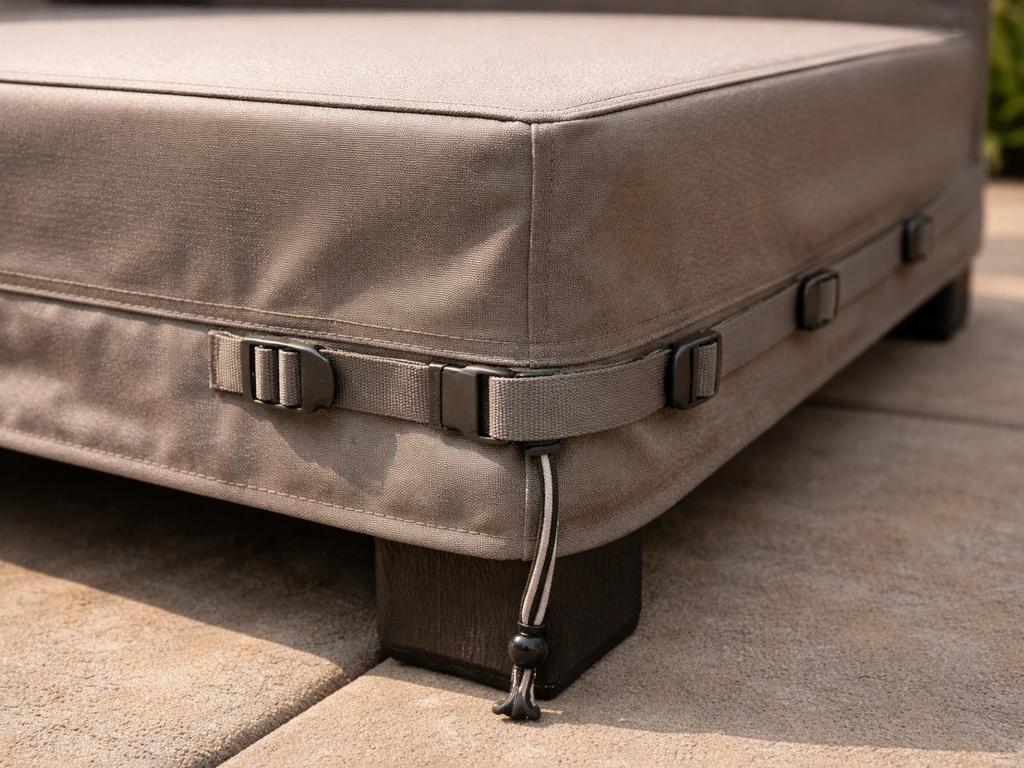
This is where Empire puts in real engineering compared to cheaper generic covers. The Platinum sofa and chair covers include 4 built-in straps and buckles that wrap around the furniture legs, an elastic hem for baseline security, and a lock-cord hem that cinches tighter for a more custom grip. The double-stitched seams aren't just a quality detail, they create a more contoured shape that hugs the furniture instead of billowing out. On ottoman and side table covers, Empire uses four sewn-in interior straps that tie to the furniture legs directly.
Venting and condensation control
Both the Signature and Platinum lines include sewn-in air vents positioned to allow airflow while blocking direct rain entry. This matters more than most buyers realize. A fully sealed waterproof cover with no ventilation traps condensation underneath, which leads to mold, mildew, and rust on metal frames faster than light rain exposure would. Empire's venting design is a genuine plus, and it's a feature that cheaper covers in the budget category often skip entirely.
How to measure your furniture and pick the right size
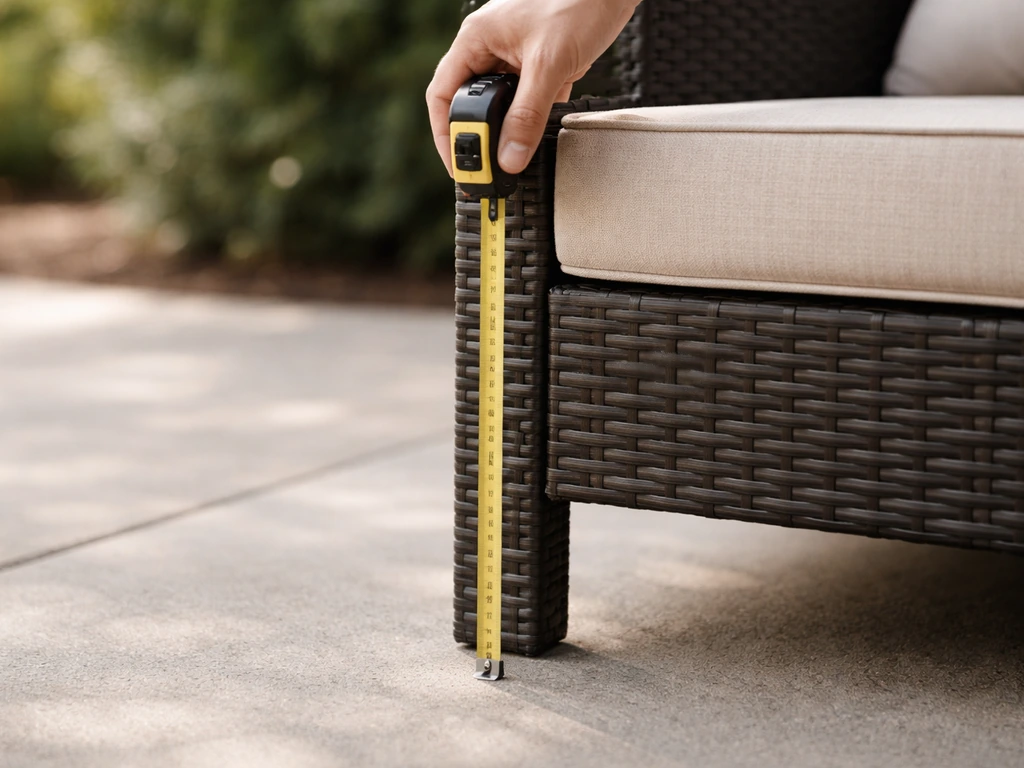
Getting the size wrong is the single most common reason patio cover buyers leave negative reviews, and it's almost always avoidable. Empire's own sizing guidance is consistent across their product pages: measure height from the top of the furniture's back to the ground, width from edge to edge across the back, and depth from the front of the seat to the backrest. Match those three numbers against the cover's listed dimensions, and buy the next size up if you are between sizes.
- Measure height: top of the back cushion or frame down to the ground. Include any legs in this measurement.
- Measure width: edge to edge across the widest point of the furniture's back.
- Measure depth: front edge of the seat to the back of the backrest (not including armrests).
- Compare all three numbers to the cover's stated dimensions and aim for a cover that matches or slightly exceeds each measurement.
- If your furniture is between sizes, go larger, not smaller. A cover that is slightly oversized can be secured with the lock-cord hem and straps. A too-small cover will pop off in wind and fail at the seams over time.
For reference, Empire's sofa covers run: Small (31"H x 74"W x 31"Deep), Medium (37"H x 79"W x 37"Deep), and Extra Large (35"H x 88"W x 36"Deep). Chaise lounge covers include Medium (30"H x 27"W x 80"Deep), Large (35"H x 35"W x 74"Deep), Extra Large (36"H x 36"W x 86"Deep), and Double Chaise (32"H x 64"W x 80"Deep). Write your furniture's three measurements down before you click anything.
How Empire covers actually perform: weather, UV, and durability
Rain and water resistance
The 100% waterproof claim on the Platinum line holds up well in reviews for moderate to heavy rain. The StormBlock treatment combined with double-stitched seams means water doesn't seep through at stress points the way it does on cheaper single-stitched covers. Users in rainy climates like the Pacific Northwest and Southeast consistently report furniture staying dry after extended rain events. Where complaints appear is at pooling: if the cover sags in the middle due to an imperfect fit, water pools and the constant weight stress eventually works on the seams.
Wind performance
Wind is where Empire covers get mixed reviews. The 4 straps, buckles, and lock-cord hem do a solid job in moderate wind. But Empire's own warranty documentation is honest about this: in high winds, the company advises using additional rope or gust guards through the cover's tie-down grommets and explicitly warns not to rely only on the elastic hem in severe conditions. That's a reasonable disclaimer, but it does mean that if you're in a coastal or high-wind region, you should plan on supplementing the built-in hardware with extra tie-downs rather than assuming the cover handles everything solo.
UV and sun protection
The UV-resistant coating across both Signature and Platinum lines claims to prevent fading of the cover itself and, by extension, protects the furniture underneath from sun damage. In practice, the 1200D Platinum holds its color noticeably longer than the 600D Signature in high-UV climates like the Southwest. Both outperform cheap polyester covers from discount retailers over a full season, but neither is indefinite protection. After two or three full summers of intense sun exposure, some users report the UV coating starts to break down and the covers begin to fade or show minor surface cracking.
What real users like and what they complain about
The positives
- Furniture stays visibly dry even after overnight rain, which is the basic test any cover needs to pass and Empire consistently passes it.
- The strap-and-buckle system is genuinely more secure than covers that rely only on elastic hems or drawstrings.
- The sewn-in vents actually work: users with metal-framed furniture report less rust and mold buildup compared to previous covers without ventilation.
- The contoured, double-stitched shape looks noticeably better than baggy generic covers and doesn't flap noisily in light breezes.
- Sizing options are wide enough that most standard and oversized furniture shapes can find a reasonable match.
The complaints
- Sizing runs inconsistent across some categories: buyers with furniture right at the edge of a size range frequently report the cover is either slightly too tight or looser than expected.
- Straps on some units fail at the buckle connection point after repeated use through one or two seasons, particularly on covers used daily rather than seasonally.
- In sustained high winds (above 30-40 mph), the built-in straps alone are not sufficient without additional tie-downs, which the brand acknowledges but buyers sometimes miss.
- Putting the cover on solo when it is cold outside is awkward because the heavier 1200D fabric is stiffer in cold temperatures.
- A handful of users report seam failures or surface cracking after two-plus years, suggesting the lifespan is realistically 2 to 4 years under heavy use rather than indefinite.
Cleaning, maintenance, and realistic lifespan
Empire covers are not high-maintenance, but ignoring them entirely shortens their life. The basic routine is straightforward: brush off debris after storms, rinse with a garden hose when visibly dirty, and use mild soap and a soft brush for any mildew spots. Do not put them in a washing machine or pressure wash them, as both will degrade the StormBlock waterproof treatment faster than normal weathering. After washing, let the cover air dry completely before folding and storing, or you will create the exact mold conditions the vents are designed to prevent.
For long-term care, check the straps and buckles at the start of each season. If a buckle is cracking or a strap looks frayed, replace it before it fails mid-storm. Reapplying a fabric waterproofing spray like 303 Fabric Guard every season or two helps extend the coating's effectiveness, especially if you're in a high-UV or high-rainfall climate. With this level of upkeep, a StormBlock Platinum cover realistically lasts 3 to 5 years. Without any maintenance, expect 2 to 3 years before waterproofing noticeably degrades.
Is Empire worth the price compared to other cover options?
Empire sits solidly in the mid-range tier. At $54.99 and up for the Platinum line, it is more expensive than the generic polyester covers sold by budget brands (typically $15 to $30) but considerably less than premium covers from brands like Treasure Garden or specialty outdoor cover lines from Frontgate or Pottery Barn (which can run $100 to $200+). The question is whether the mid-range price point delivers mid-range performance or better.
| Tier | Price Range | Material | Key Features | Best For |
|---|---|---|---|---|
| Budget (generic brands, Costway, Temu) | $15 to $30 | 300-600D basic polyester | Elastic hem only, no vents, single stitch | Mild climates, occasional use, short-term coverage |
| Empire StormBlock Signature | $35 to $55 | 600D polyester with StormBlock treatment | UV coating, vents, straps, elastic hem | Moderate climates, seasonal use |
| Empire StormBlock Platinum | $55 to $90 | 1200D polyester with StormBlock treatment | 100% waterproof, 4 straps/buckles, lock-cord hem, vents, double stitch | Year-round use, rainy or high-UV climates |
| Premium (Treasure Garden, Frontgate, Duck Covers Elite) | $90 to $200+ | 600-1200D with advanced coatings or solution-dyed fabric | Superior UV resistance, reinforced hardware, often longer warranties | High-wind coastal climates, premium furniture protection |
For most homeowners with mid-range outdoor furniture in a typical climate, the StormBlock Platinum is the practical sweet spot. You get real waterproofing, real wind security, and proper ventilation without overpaying for premium branding. If you have expensive furniture in a harsh coastal or high-wind environment, it is worth looking at dedicated premium cover brands like Treasure Garden alongside Empire before deciding. Budget covers are genuinely not adequate for year-round exposure in most climates, regardless of what the product listing says. Other cover options worth comparing, including Duck Covers and broader outdoor patio furniture cover roundups, are worth a look if you want to cross-shop the full range before committing. If you are specifically looking for duck covers patio furniture reviews, you can cross-check how those models handle rain, wind, and fit issues compared with Empire.
Bottom line: if you measure your furniture correctly, pick the right size from Empire's catalog, and use the built-in straps properly (with supplemental tie-downs in high-wind areas), Empire covers deliver reliable protection that justifies their price. The common complaints are mostly avoidable. The ones that aren't, like strap buckles wearing out after two seasons, are worth factoring into your budget by treating Empire as a 3 to 5 year cover rather than a forever purchase.
FAQ
How do I choose between two Empire cover sizes if my measurements are close?
Measure with the furniture in the exact “covered” position, for example reclining chairs locked back and cushions removed or left on, because a cover fit can change by several inches. If your measurements land between two sizes, choosing the larger size reduces sagging (pooling water) and seam stress, which is a common trigger for early leaks in user reports.
What is the safest way to secure an Empire cover in high-wind conditions?
Empire’s built-in straps help in moderate wind, but in coastal or gust-prone areas you should add at least two extra tie-down points using rope or gust guards through the tie-down grommets. Avoid relying on the elastic hem alone, because severe gusts can pull the fabric taut then loosen it again, stressing seams over time.
Do the sewn-in air vents always prevent condensation and mildew?
Air vents are designed to reduce condensation, but they only work if the cover is not overly tight in a way that blocks airflow. When installing, position the cover so vents are unobstructed and the hem sits evenly, otherwise condensation can still form underneath and accelerate rust on metal legs.
What should I do if I notice pooling or sagging after a few rains?
If your cover is sagging in the middle, water can pool even when the fabric is waterproof. The fix is to tighten using the lock-cord hem, ensure straps are wrapped correctly around the legs, and consider moving from your current size to the next larger if you are between sizes.
What’s the best cleaning routine without damaging the waterproof coating?
Do not pressure wash or machine wash, because both can degrade the waterproof treatment and shorten the cover’s life. For spot cleaning, rinse with a garden hose and use mild soap with a soft brush, then fully air dry before storing to avoid recreating condensation and mold conditions.
Is it okay to fold and store the cover right after it’s been rinsed?
If you store the cover while it is even slightly damp, mildew risk increases sharply. Store it only after it is completely air dry, and keep it in a cool, ventilated space, because folded moisture gets trapped in the same areas vents are meant to keep dry.
How often should I reapply a waterproofing spray, and how do I know it’s time?
Reapply waterproofing only when you see early signs like reduced water beading, damp interior after light rain, or fabric darkening after drying. Follow the spray instructions exactly and test on a small, hidden area first, since repeated coating without cleaning can reduce breathability around the vent areas.
What maintenance checks should I do before the first big rain of the year?
Check buckles and straps at the start of each season because early cracking or fraying can fail mid-storm. Replace worn components before the rainy season, since a single failing strap can lead to localized sagging that causes seam stress and pooling.
Will a higher-denier cover stop fading permanently, or does it eventually wear out in sun?
Yes, but be realistic about expectations. The 1200 denier Platinum typically fades more slowly than 600 denier Signature in high-UV sun, yet both can eventually fade after several intense summers, especially if the cover is left uncovered during peak sun or sits under reflective heat sources.
If my cover leaked during a windy storm, is it a waterproofing problem or a fit problem?
The common “wind flap then leak” pattern usually means the cover is shifting, not that the fabric instantly fails. If the cover moves, recheck size, strap placement around legs, and hem tension, then add supplemental tie-downs in gusty areas to prevent repeated fabric stress.
If the cover fails early, how can I troubleshoot whether it’s my install or a product defect?
Most Empire complaints tie back to sizing or inadequate securing, but if your straps and dimensions match and you still see seam issues, prioritize fabric inspection for punctures or stress points where fabric is stretched. Document the damage timing, then contact support, because replacement decisions can depend on whether the issue came from user-accessible wear versus an installation mismatch.
Next Article
Patio Furniture Cover Reviews: Best Picks by Weather Need
Review-based guide to best patio furniture covers by weather, fit, durability, and maintenance from budget to premium pi