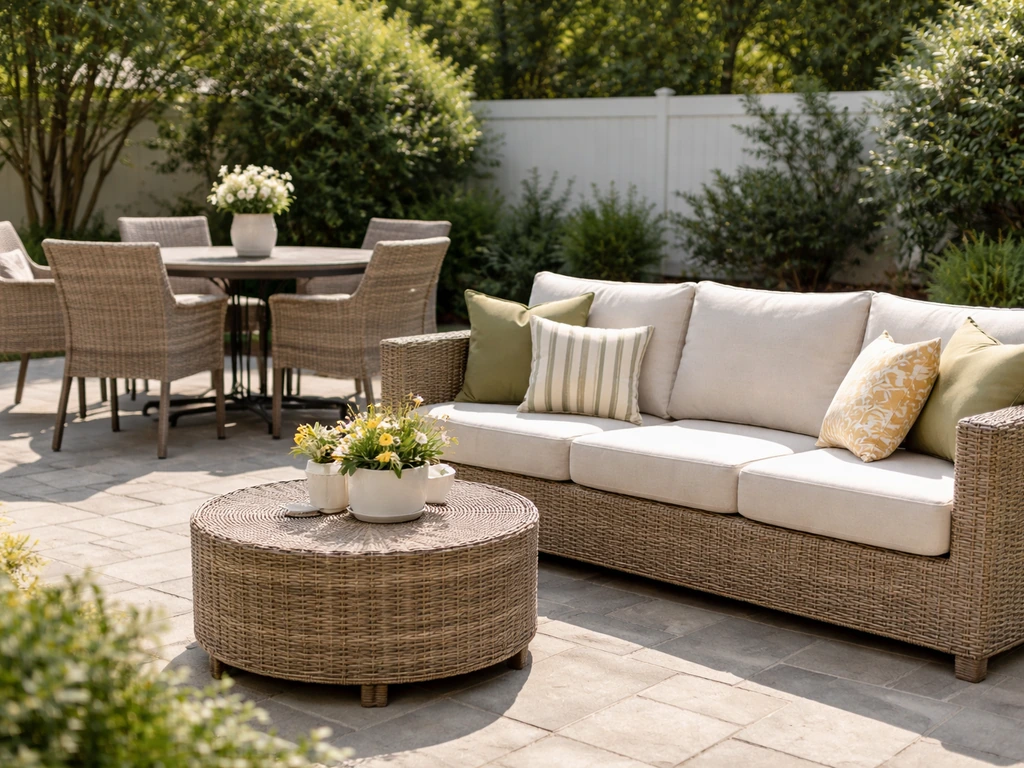
Patio furniture ratings can genuinely help you predict whether a set will still look good after three seasons of sun, rain, and winter storage, but only if you know how to read them. A 4.3-star average on its own tells you almost nothing about whether the frame will rust, whether the cushion foam will collapse by July, or whether the welds will crack after one freeze-thaw cycle. The ratings that actually matter focus on materials, build quality, and long-term performance, and those signals are buried inside the reviews themselves, not in the headline number.
Patio Furniture Ratings: How to Read Reviews and Buy Smart

Holly Dawson
1 Jun 2026
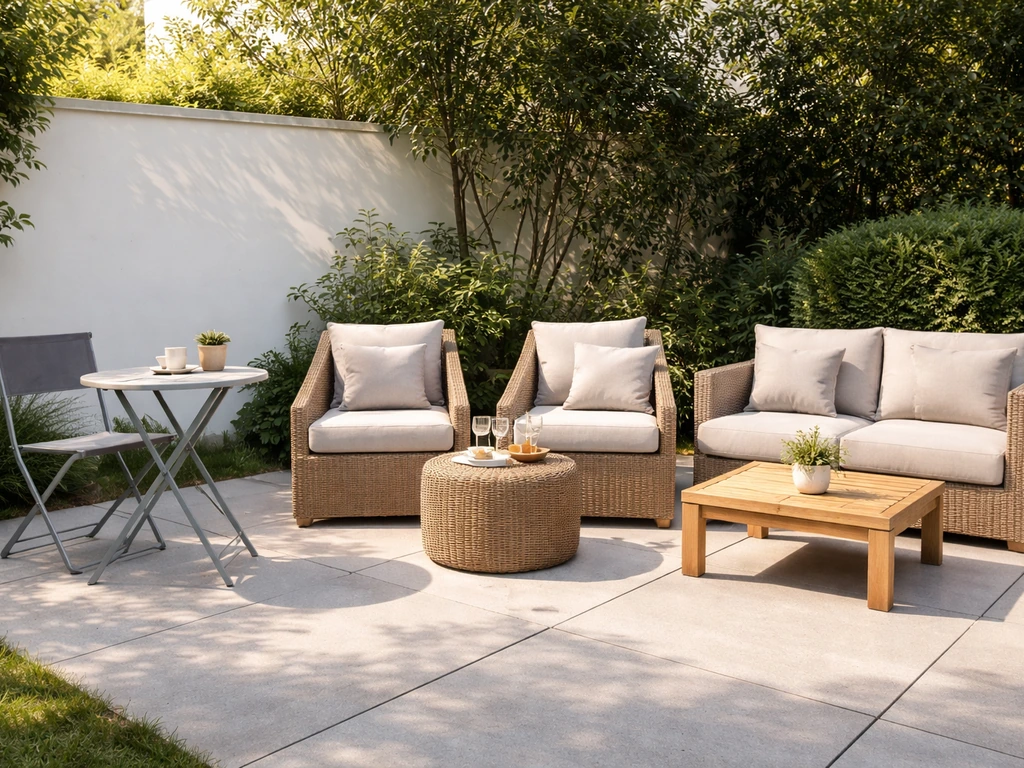
What patio furniture ratings actually mean (and what they're hiding)
Star ratings on platforms like Amazon are not simple averages. Amazon uses a machine-learned model that weights reviews based on verified purchase status, recency, and how other users rate the helpfulness of a review. A product with 400 reviews and a 4.2 score could be hiding a cluster of recent 2-star complaints about rust or broken welds that got buried because they're newer and haven't been voted up yet. That's a meaningful gap between the displayed number and the real performance story.
Review platforms like Trustpilot and Yelp have their own sorting logic too, Trustpilot weighs recency, length, and detail when deciding which reviews surface first, while Yelp's recommended sort factors in recency and user voting. In practice, this means the reviews you see first on any platform are a curated sample, not a complete picture. You need to actively sort by "most recent" and read the 1- and 2-star reviews to find the pattern of real-world failures.
The most useful signal in any patio furniture rating isn't the star number, it's the ratio of structural complaints to cosmetic ones. A complaint about a color being slightly different from the photo is noise. A complaint about a weld cracking after two months, a frame rusting through the powder coat after one summer, or cushion covers shrinking after the first wash is signal. When you see five or more people describing the same structural failure, treat it as a near-certainty that you'll experience it too.
The rating criteria that actually predict outdoor performance
Not all quality indicators carry equal weight for outdoor furniture. These are the factors worth focusing on when you're reading ratings and reviews:
Frame material and rust resistance
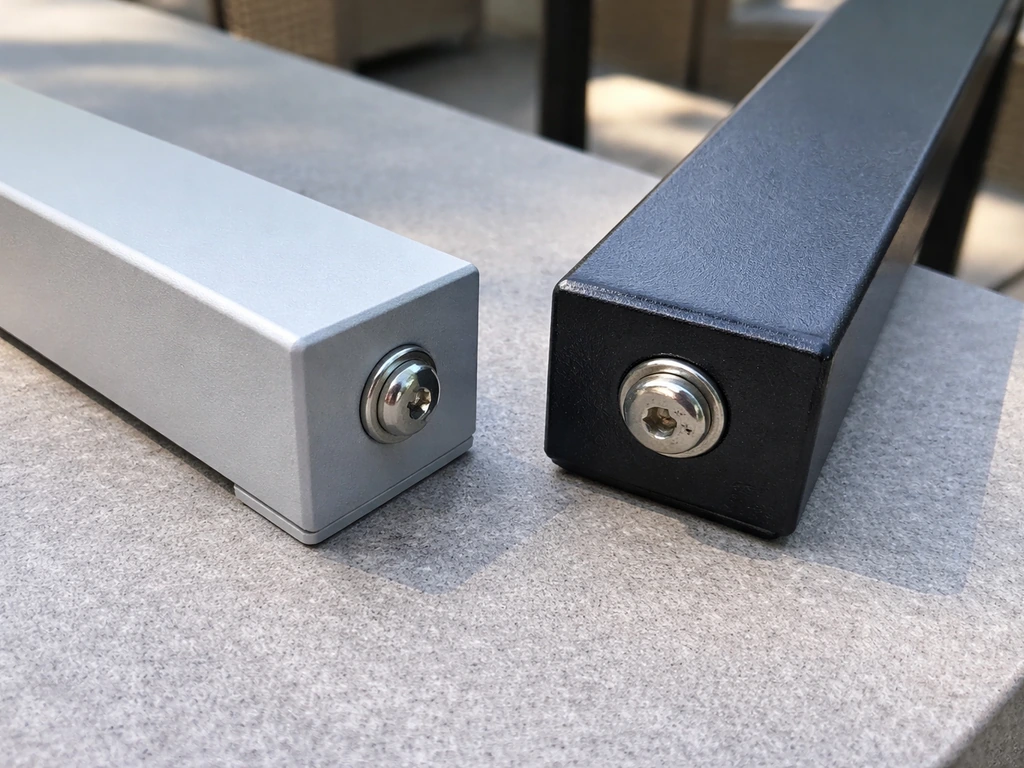
Aluminum is the gold standard for outdoor metal frames, it's naturally rust-proof, lightweight, and holds powder coat finishes well. Solid steel is heavier and more rigid, but it absolutely must have a quality powder coat or galvanized finish or it will rust, often within one to two seasons in humid climates. When reviews mention rust appearing "within the first year" on a steel frame, that's a sign of inadequate coating, not just bad luck. Cast aluminum (found in mid-to-premium sets) is thicker and stronger than tubular aluminum and resists corrosion extremely well over many years. Wrought iron is heavy and durable but genuinely does rust without maintenance, so consistent positive ratings for wrought iron furniture should mention how easy it is to touch up and re-seal.
Wicker and resin weave quality
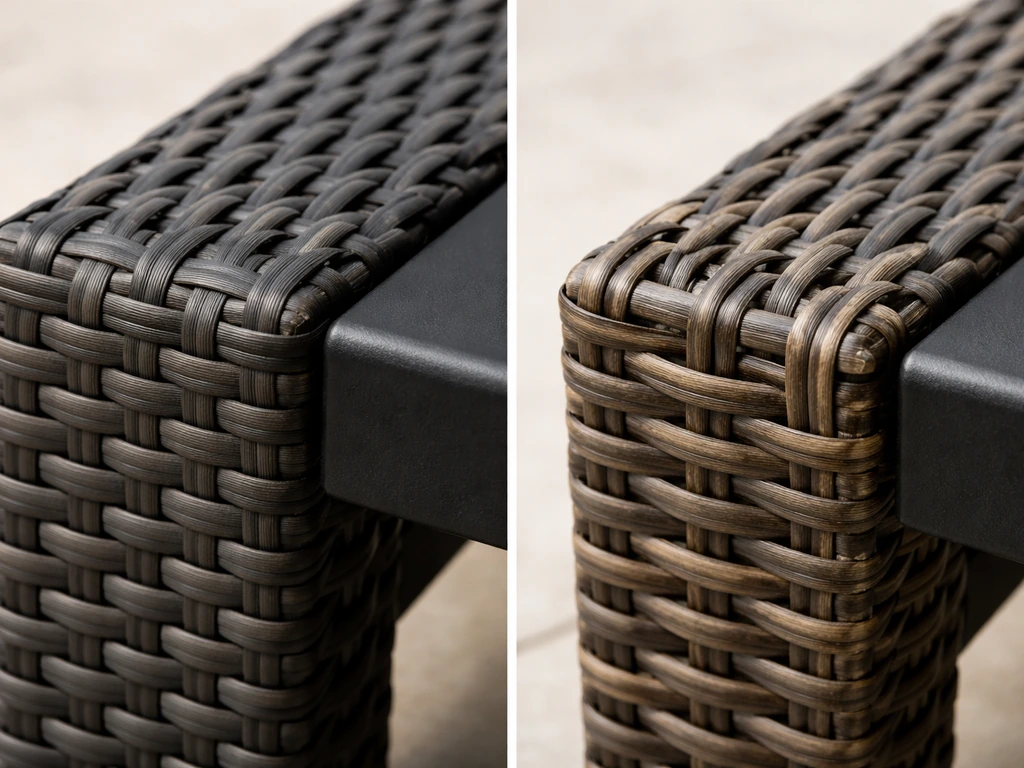
"Wicker" in most modern outdoor furniture means resin wicker (also called HDPE or all-weather wicker) wrapped around a metal frame. High-quality resin wicker has a tight, consistent weave, UV inhibitors baked into the material, and a dense feel that resists cracking and fading. Cheaper versions, common in budget sets from brands like Costway, tend to have thinner strands, looser weaves, and no UV protection, which means brittleness and color fade within two to three seasons. When ratings mention "fading" or "cracking weave," check the wicker grade in the specs before writing off the whole category.
Cushions: foam density and fabric grade
Cushion quality is one of the most consistently underrated factors in patio furniture ratings. Foam density (measured in pounds per cubic foot) determines how long a cushion holds its shape, anything under 1.5 lb/ft³ tends to compress and flatten quickly under regular use. Outdoor-grade fabric should be solution-dyed (meaning the color goes all the way through the fiber, not just on the surface), water-resistant, and rated with a high UV-fade resistance. Sunbrella is the most recognized name in outdoor performance fabric and is a genuine indicator of quality when listed in specs. Reviews that mention "cushions went flat in one season" or "fabric faded to grey by August" are pointing at foam and fabric failures, not just styling disappointments.
Build quality and stability
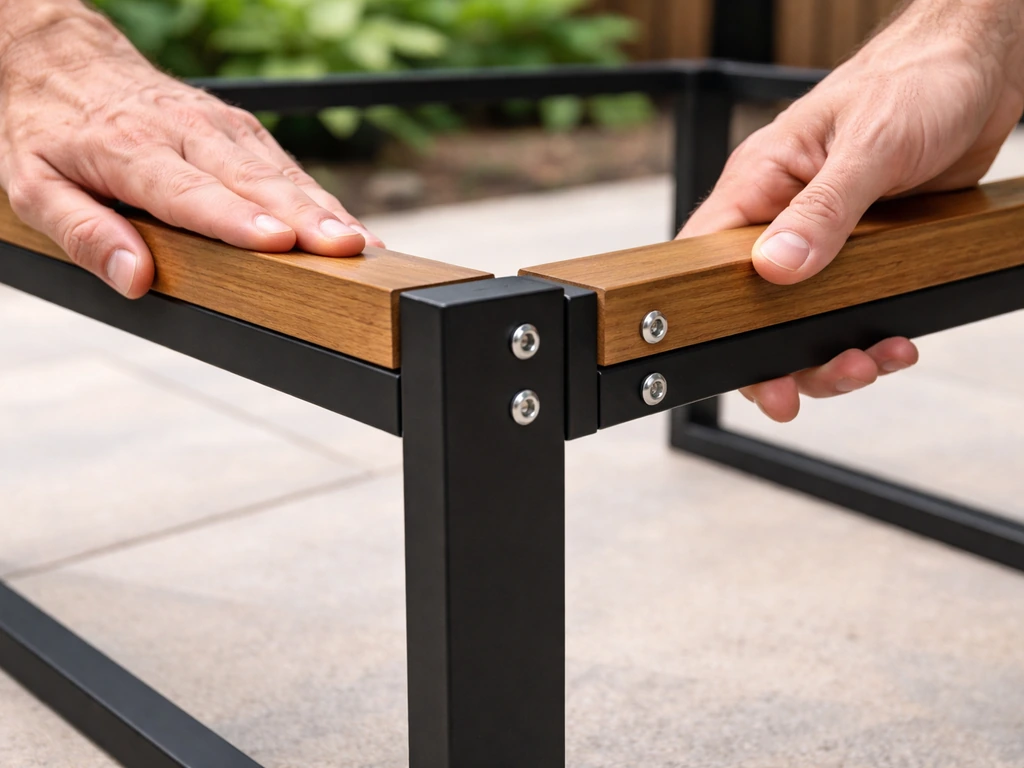
Wobble and flex on delivery are early warning signs of structural issues down the road. Well-rated furniture at every price point should describe frames that feel solid, connections that don't rattle, and hardware that doesn't strip during assembly. Reviews that praise "easy assembly" but then note "some wobble" deserve a second look, loose joints that wobble on day one tend to fail or loosen further after weather cycling. Heavy-gauge aluminum or steel, tight-tolerance hardware, and full-length cross bracing in the base are the construction details that produce consistently positive long-term ratings.
Best-rated patio furniture by category
Patio sets (sectionals and conversation sets)
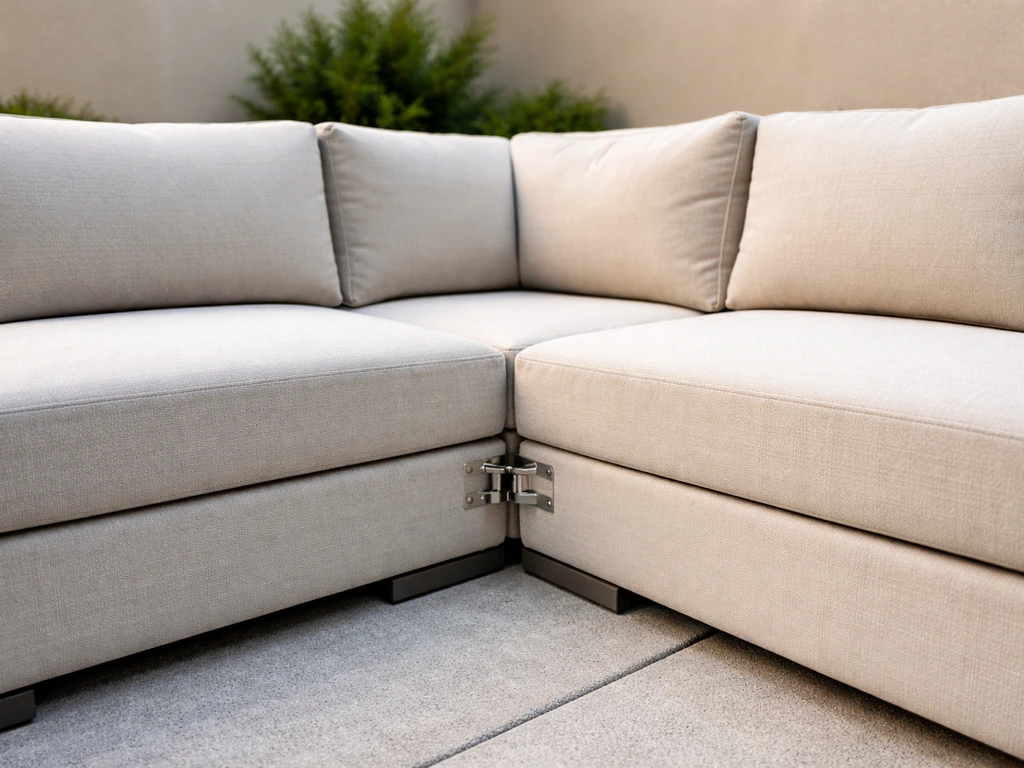
Sectional and conversation sets earn high ratings when the modular pieces connect securely and the cushions are thick enough to make the configuration genuinely comfortable. The best-rated sets in this category use powder-coated aluminum frames with HDPE wicker, include cushions with removable and machine-washable covers, and offer at least five-piece configurations starting around $600 to $900 at mid-range. Look for reviews that specifically mention cushion thickness (3 to 5 inches is the sweet spot) and frame stability when the pieces are connected. Sets rated 4.4 stars and above with 200-plus reviews tend to have earned their scores across multiple ownership seasons.
Dining sets
For outdoor dining, ratings should prioritize tabletop durability and chair stability under weight. A tempered glass top is easy to clean but vulnerable to wind and impact; a slatted aluminum or teak top is more forgiving and tends to earn better long-term ratings in windy climates. Chair ratings should mention comfortable seat depth (at least 17 to 18 inches) and no flex or movement under 200-plus pounds. Dining sets with stackable chairs rate higher for practicality because storage is a real-world concern most star ratings don't address directly.
Lounge chairs and chaise lounges
Lounge and chaise furniture ratings live or die on two things: recline mechanism durability and cushion thickness. Rust in the pivot point or adjustment mechanism is the most common long-term complaint in this category. Aluminum frames with stainless steel hardware at the adjustment points rate significantly better over three-plus seasons than steel frames with zinc or painted hardware. For chaises specifically, look for ratings that mention whether the adjustment locks hold position under real use weight.
Patio swings
Swing ratings require extra scrutiny on the hanging hardware and frame weight capacity. A swing rated at 500-plus pounds with stainless or galvanized chain hardware earns consistently better long-term reviews than lighter-capacity models. Weather-resistant frame material matters more for swings than almost any other category because they're typically left outdoors year-round. Reviews should mention whether the canopy fabric holds up to UV and rain, since canopy replacement is a hidden long-term cost that rarely shows up in initial star ratings.
Brand and price-tier comparisons: budget to premium
| Price Tier | Representative Brands | Typical Frame Material | Cushion Quality | Expected Lifespan | Rating Reliability |
|---|---|---|---|---|---|
| Budget ($150–$500) | Costway, Temu, Yaheetech | Thin-gauge steel or tubular aluminum, basic powder coat | Low-density foam, polyester fabric, no UV rating | 1–2 seasons with maintenance | Star ratings often inflated; check 1–2 star reviews carefully |
| Mid-Range ($500–$1,500) | Hampton Bay, Christopher Knight, Better Homes & Gardens | Powder-coated aluminum or thicker steel, some cast aluminum | Medium-density foam, solution-dyed polyester or entry-level Sunbrella | 3–5 seasons | Ratings generally reliable at 4.0+ with 100+ reviews |
| Upper-Mid ($1,500–$3,500) | West Elm, CB2, Crate & Barrel | Solid or cast aluminum, FSC-certified teak options | High-density foam, Sunbrella or comparable performance fabric | 5–8 seasons | Expert reviews supplement user ratings well here |
| Premium ($3,500+) | Pottery Barn, Frontgate, Restoration Hardware | Cast aluminum, solid teak, powder-coat baked finishes | High-density foam, Sunbrella standard, down-blend options | 8–15+ seasons | User reviews sparse; expert and editorial ratings more meaningful |
At the budget end, brands like Costway and Temu produce furniture that can look impressive in photos and earn decent initial ratings from buyers who've only had the pieces for a few weeks. The real test comes in season two. The most common failure points are rust on steel hardware, cracking resin wicker, and cushion foam that compresses to a fraction of its original thickness. If you're buying in this tier, treat it as a short-term solution and factor in a two-to-three year replacement cycle.
Mid-range brands like Hampton Bay and Christopher Knight hit a sweet spot for value, they use better materials than budget lines without the premium price markup. Ratings for these brands are generally more trustworthy because the review pools are large enough to smooth out one-off complaints. West Elm and CB2 at the upper-mid level offer genuinely better construction and longer cushion life, and they tend to earn consistent long-term ratings from owners who've kept the furniture for five or more years. Pottery Barn and Frontgate at the premium end are built to last a decade-plus, but the user review sample size is often smaller, so editorial and expert ratings carry more weight at that price point.
Reading user reviews vs. expert reviews: finding the real signal
User reviews and expert ratings serve different purposes and have different blind spots. User reviews give you the most honest picture of real-world assembly experience, long-term durability, and customer service quality, but they're also subject to recency bias, initial enthusiasm, and the occasional incentivized review. Expert ratings (from editorial sources, dedicated furniture review sites, and consumer advocacy publications) tend to be more consistent on construction quality and materials but often lack long-term ownership perspective. Consumer advocacy sources like Consumer Reports and related patio furniture reviews can help you cross-check which brands deliver consistent outdoor performance over time.
The best approach is to triangulate: use expert assessments to shortlist based on construction quality and materials, then dive into user reviews to find failure patterns. Specifically, filter for reviews from owners who have had the furniture for at least one full outdoor season (spring through fall) or through a winter. If the review pool is mostly within the first 30 days of ownership, you're reading first impressions, not performance data. Reviews from outdoor furniture can also be found on dedicated resources and consumer-oriented publications, and the type of in-depth comparison reviews you'd find alongside topics like consumer reports patio furniture roundups are far more useful for filtering by material quality than raw star scores alone.
Common red flags to look for across user reviews include: "arrived with rust spots," "welds cracked after first winter," "cushions deflated quickly," "hardware stripped during assembly," and "frame wobbles under normal use." When any one of these phrases shows up in 10 percent or more of the reviews, treat it as near-certain. Common green flags include: "still looks new after two summers," "cushion covers washed perfectly," "frame has no rust after three years," and "held up through a harsh winter with a cover."
Spotting inflated ratings and review manipulation
Budget-tier products, especially those from newer brands on Amazon and similar marketplaces, are the most susceptible to inflated ratings from early verified purchases that don't reflect long-term use. A product with 500 reviews but a heavily front-loaded distribution (80 percent five-star, very few three-star or two-star reviews) often indicates an incentivized review campaign or a product that hasn't been owned long enough to reveal its failures. Healthy, trustworthy review distributions for outdoor furniture tend to look more like a bell curve shifted toward 4 and 5 stars, with a visible and consistent minority of lower ratings that describe specific, honest issues.
Maintenance, warranties, and long-term value
The true cost of patio furniture includes maintenance, and ratings rarely capture that fully. Here's a practical breakdown of what to expect by material and what good warranties actually look like:
Do covers actually matter?
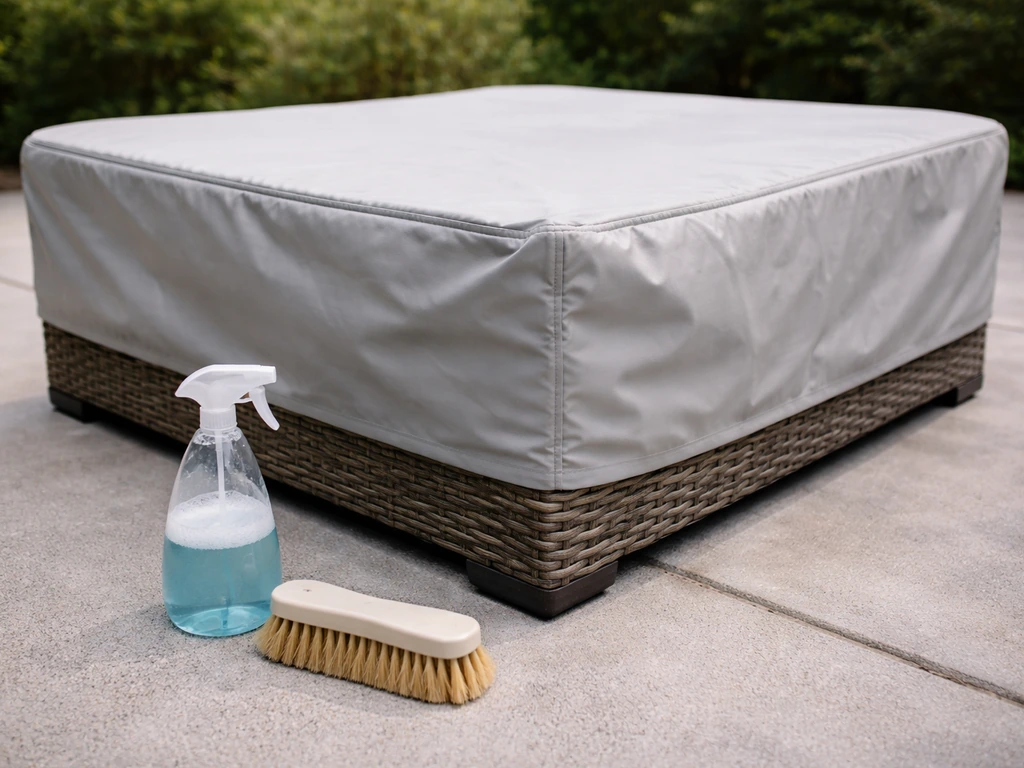
For most materials, yes, covers extend life meaningfully. Powder-coated aluminum and resin wicker fare reasonably well without covers in mild climates, but in areas with harsh winters, intense UV, or heavy rain, a quality cover (look for 600-denier polyester or above with waterproof coating and vents) can double the effective lifespan of a mid-range set. Wrought iron and untreated steel absolutely need covers when not in use. Teak is the exception, it weathers gracefully without covers and develops a silver-grey patina that many people prefer, though teak oil or sealant preserves the original warm honey color if that's what you want.
Cleaning and seasonal maintenance
Aluminum and resin wicker need a mild soap and water wash once or twice a season and a rinse of any debris from the wicker weave channels. Metal furniture with visible scratches in the powder coat should be touched up with spray paint or a cold galvanizing compound before rust gets a foothold. Cushion covers rated for outdoor use should be washed according to manufacturer guidelines, most are machine-washable on cold with air drying, and doing this once a season keeps mildew and fade from building up. Furniture with Sunbrella fabric specifically can be spot-cleaned with a diluted bleach solution without damaging the fabric, a feature that genuinely earns its premium pricing.
What good warranties tell you
A warranty is one of the most honest signals of a manufacturer's confidence in their own product. Budget brands from Temu or similar marketplaces typically offer 30 to 90 days and cover only defects on arrival, which tells you everything about their expected lifespan. Mid-range brands like Hampton Bay offer one to two year limited warranties on frames. Premium brands like Frontgate and Restoration Hardware offer three to five year or even lifetime frame warranties, and that commitment reflects real construction quality. If a brand can't or won't tell you specifically what the warranty covers (frame? fabric? hardware?), that's a red flag worth weighing against the price.
| Material | Cover Needed? | Annual Maintenance | Expected Lifespan | Warranty Benchmark to Look For |
|---|---|---|---|---|
| Powder-coated aluminum | Recommended for harsh winters | Soap and water wash; touch up chips | 10–20 years | 3+ years on frame |
| Resin/HDPE wicker | Recommended in intense UV climates | Soap and water; check for cracking | 5–10 years (quality) / 2–3 years (budget) | 1–3 years on frame and weave |
| Wrought iron | Strongly recommended | Annual rust inspection and touch-up paint | 20+ years with maintenance | 1+ year minimum |
| Solid teak | Optional (weathers naturally) | Annual oiling or sealing if preserving color | 20–30 years outdoors | 2+ years on frame |
| Steel (non-galvanized) | Strongly recommended | Inspect powder coat; address rust spots | 3–5 years with maintenance | 1 year minimum |
| Sling fabric (chairs) | Not required | Wipe clean; replace slings at 5–7 years | 7–12 years (frame) | 2+ years on frame and sling |
Your practical checklist for using ratings to buy smart today
Ratings are a starting point, not a verdict. Use this process every time you're evaluating a patio furniture purchase:
- Check the review count first — a 4.8 rating with 12 reviews means almost nothing; aim for at least 80 to 100 reviews before trusting the average.
- Filter by most recent and read the 1- and 2-star reviews specifically. Count how many describe the same structural issue (rust, wobble, broken welds, flattened cushions). If it's more than 5–10 percent of reviews, treat it as a product-level problem.
- Look up the frame material in the specs. If it says 'iron' or 'steel' with no mention of powder coat gauge or galvanizing, budget for covers and touch-up paint from day one.
- Check the cushion fabric for the words 'solution-dyed,' 'Sunbrella,' or a specific UV-fade rating. 'Polyester' alone is not a quality indicator outdoors.
- Find at least two or three reviews from owners who have had the furniture through at least one full outdoor season or winter. These are the reviews that predict your experience.
- Check the warranty terms specifically — frame vs. fabric vs. hardware coverage, and how you actually make a claim.
- Compare the price and specs against one product in the next tier up. Sometimes $150 to $200 more buys you a meaningfully better frame material and a longer warranty that changes the total cost of ownership over five years.
- Plan for covers and cleaning supplies at purchase. Budget about $50 to $150 for quality furniture covers and factor that into your total cost.
The furniture market moves quickly, and review landscapes shift year over year as brands update their manufacturing. What earned high ratings in 2022 or 2024 may have changed by now, either improved due to customer feedback or quietly downgraded in materials while keeping the same model name. That's why checking for recent reviews and not relying on older aggregated scores is especially important for outdoor furniture buying decisions today. For more up-to-date guidance, use patio furniture reviews 2024 to compare how different materials hold up after real seasons. If you want to replicate what buyers saw around 2018, look for patio furniture reviews from that year and compare them with the most recent updates before deciding recent reviews. If you’re comparing options from 2016, use the same method to spot common failure patterns mentioned in newer reviews patio furniture reviews 2016. If you are searching for patio furniture reviews 2022, focus on patterns in durability and structural complaints rather than the star average.
FAQ
Why can a patio furniture set have a 4.5-star rating but still fail quickly for me?
Look beyond the displayed star average and check whether the recent reviews mention the same specific failure mode (rust through coating, weld cracking, foam collapse). Then confirm the timeline, for example, “within 6 months” or “after one winter” tends to predict quicker failure than complaints that show up only after several years.
Do patio furniture review sorting options actually change what I should trust?
Yes. In review feeds, the “helpful” and “most recent” filters change the slice of reviews you see, which can hide clusters of structural complaints. If you only read the default sort, switch to most recent, and also scan the 1- and 2-star reviews for repeated keywords like rust, wobble, deflated, or cracked.
How old should patio furniture reviews be to be useful?
It matters, especially for outdoor metal and cushions. For patio furniture, a review from someone who owned the set through at least one full outdoor season (spring to fall) or through a winter is more predictive than reviews from the first 30 days, which often reflect arrival quality rather than weather durability.
Can a brand with mostly positive patio furniture ratings still be unsafe or low quality?
It is possible if the defect is rare, but it is also a sign of a “distribution problem” like incentivized early reviews or too-short ownership periods. A safer approach is to look for whether the structural complaint ratio you care about is still present among the 2-star reviews, not just the overall average.
Why do patio furniture ratings look inconsistent between “the same” product on different pages?
Check the product model name and variant details. Some retailers reuse the same listing title while changing frame material, cushion fabric, or hardware. Ratings can look inconsistent when different versions are grouped together under one page, so compare the listed specs you’re buying (aluminum vs steel, HDPE vs unspecified resin, cushion fabric type).
Are wobble or flex reports on day-one assembly reviews a real red flag?
Yes. If a review says “assembly was easy” but also mentions wobble, loose joints, or stripped hardware, treat that as a structural signal, not a minor inconvenience. Loose or low-tolerance connections usually worsen after weather cycling, so look for follow-up reviews that mention rattle or looseness weeks later.
How should I interpret rust mentions if the reviews don’t say the whole frame is rusted?
If the complaint mentions rust on frames or hardware, it is higher risk than a cosmetic issue. Many buyers also forget that steel rust can start at connection points and hardware first, even if the powder coat looks fine, so prioritize reviews that specify where rust appears.
What cushion-related details in patio furniture ratings actually predict when seats will go flat?
Cushion “flatness” often comes from foam density, cover heat retention, and whether covers were washed incorrectly. If reviews mention cushions going flat quickly and also mention retaining a smell or never drying after rain, it can indicate water retention and foam quality issues, not just normal aging.
Do patio furniture covers really help, or can they make things worse?
Covers extend lifespan, but only if they fit properly and ventilate. A cover that traps moisture can accelerate mildew and fabric fading. Look for reviews describing how the furniture stayed dry under the cover in real weather, not just general statements that “we used a cover.”
Which patio furniture categories hide durability issues most often in reviews?
Yes, especially for dining sets and loungers. For dining, prioritize chair stability under weight and seat depth mentioned in reviews. For lounge chairs, watch for rust in pivot points or adjustment mechanisms, since those are the parts that typically fail after repeated repositioning.
What review distribution pattern should I treat as suspicious?
Be cautious when the review pool is heavily front-loaded with 5-star ratings and you see very few 3- and 2-star reviews. For outdoor furniture, a healthier sign is a more consistent spread of ratings that includes specific complaints about material failures, not just “looks great” comments.
How can I judge warranty quality from patio furniture ratings and warranty text?
A warranty can be useful even when you never use it, but the key detail is coverage specificity. If the warranty clearly states what it covers (frame vs fabric vs hardware) and the duration matches the price tier, that usually aligns with better construction confidence.
What hidden long-term costs are most often missed when people only look at patio furniture ratings?
Compare ratings to the cost of the hidden replacements mentioned in reviews, like canopy replacement, cushion replacement, or hardware-only parts. If many reviews praise the look but complain about canopy wear or replacement needs within a short time, your “true cost” will be higher than star ratings suggest.
Do patio furniture ratings mean the same thing in every climate?
It depends on your climate, storage method, and how consistently you maintain. If you live in a humid area or have heavy freeze-thaw cycles, prioritize rust and joint-failure mentions. If you store in a covered area and clean cushions seasonally, you may tolerate certain cosmetic issues longer, but you should not ignore repeated structural complaints.
How can I tell if reviewers are only commenting on appearance instead of durability?
Yes. Some furniture “still looks good” because covers or styling hide early breakdown, while maintenance issues can prevent visible failure until later. When possible, prioritize reviews that mention long-term feel changes like cushion firmness loss, wobble development, or rust spots after cleaning.
Next Article
Patio Plus Outdoor Furniture Reviews: What to Buy
Unbiased patio plus outdoor furniture reviews guide to buy sets and pieces by material, durability, comfort, value, and