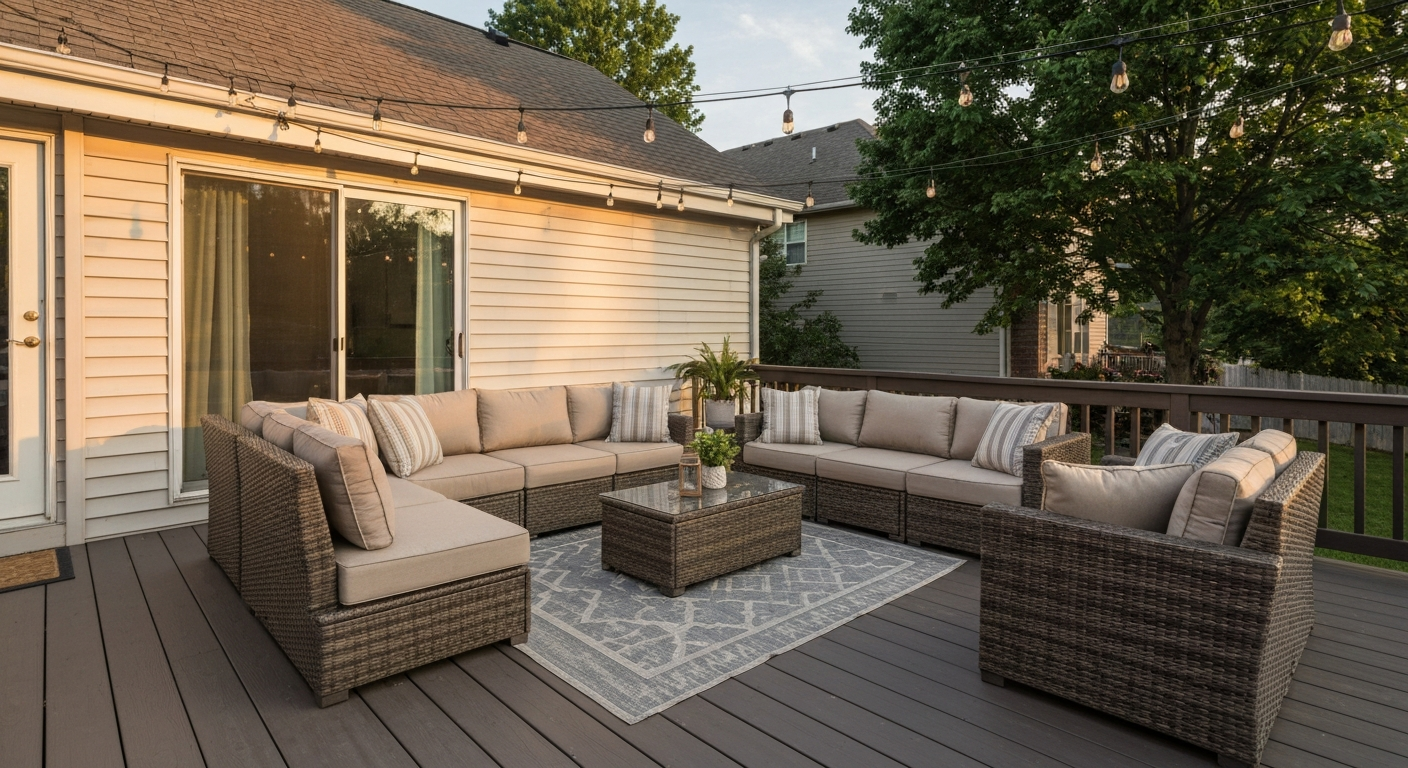
The best patio furniture for you right now depends on three things: your climate, your space, and how much you actually want to maintain it. If you want the short version: for most people shopping in 2026, a powder-coated aluminum or all-weather resin wicker set in the $400–$900 range (think Costway, Better Homes & Gardens, or Keter) delivers the best balance of durability, looks, and value.
Patio Furniture Review Guide: Compare Sets, Materials, Value

Holly Dawson
29 Apr 2026
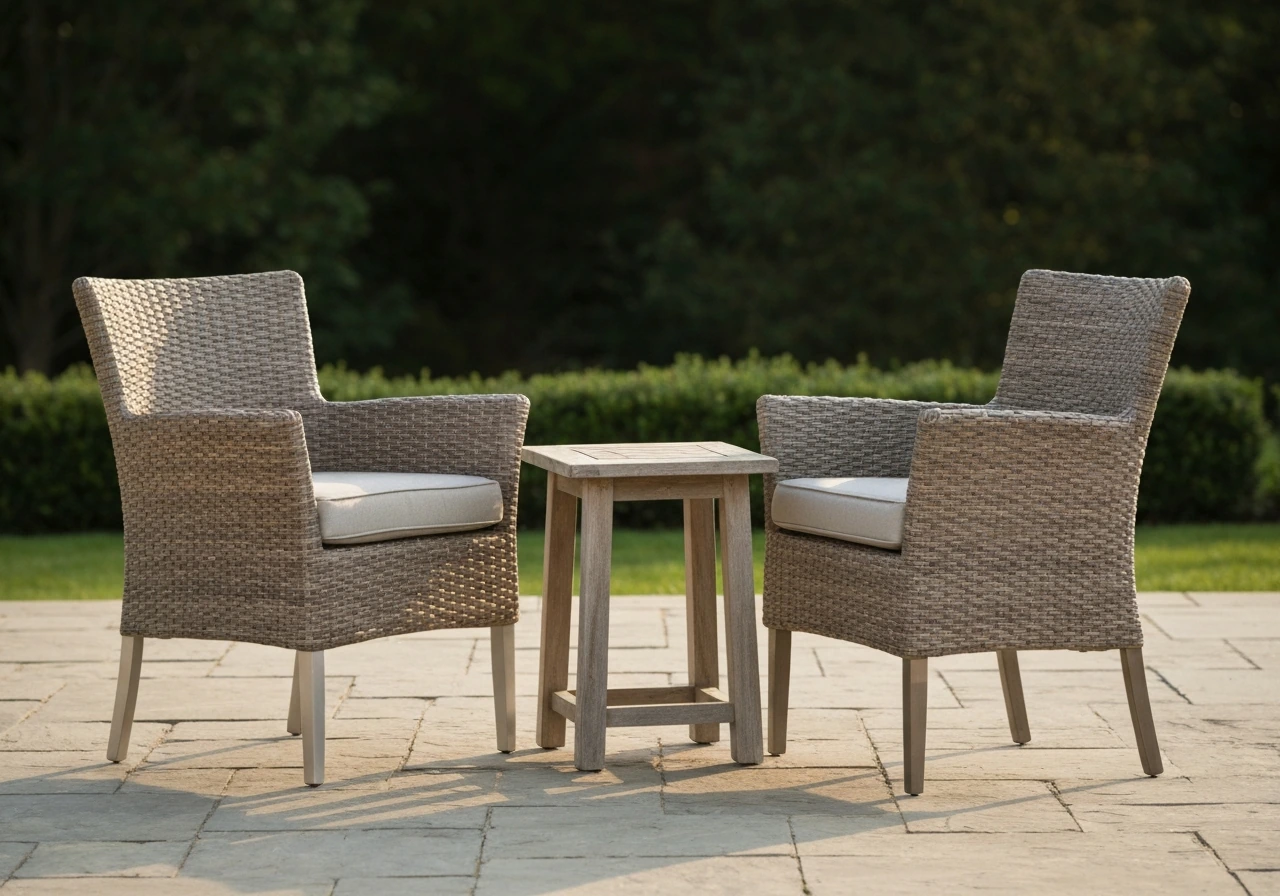
If you have the budget and want something that lasts 10+ years with minimal fuss, Polywood, West Elm Outdoor, or Frontgate are worth the premium. The sections below will walk you through exactly how to read patio furniture reviews, what signals to trust, and how to avoid the traps that leave buyers with rust spots and sagging cushions by summer two.
If you're planning a patio festival soon, the best patio festival furniture reviews can help you pick pieces that stay comfortable and look good through long events. If you want to shortcut that process, patio furniture rehab reviews can also reveal which brands hold up after repairs and refinishing.
How to Use Patio Furniture Reviews to Choose Fast
Most people scan star ratings and stop there. That's how you end up with a set that looks stunning in product photos and falls apart after one winter. The reviews that actually help you are the ones written 6–18 months after purchase, because that's when finish failures, cushion compression, and hardware rust show up. If you’re considering a patio furniture rehab project, the best patio furniture rehab reviews can help you spot which materials and finishes actually hold up after repairs. When you're reading through a product's review section, you're essentially running a crowdsourced weather test.
Here's how to use reviews as a decision filter rather than a decoration. Search for the product name plus your climate type: humid, coastal, desert, or freeze-thaw. Buyers in Florida will tell you things about rust and mildew that Minnesota shoppers never mention. Second, filter for one-star and two-star reviews and look for patterns. One person complaining about a missing bolt is a shipping fluke. Ten people mentioning that the powder coat chips at the weld points is a real design flaw. Third, cross-reference expert review scores with user scores. When they diverge sharply (experts love it, users hate it), that usually means the product looks and feels great fresh out of the box but degrades faster than expected.
One more thing: pay attention to who's reviewing. A person reviewing a $200 budget set and complaining it's not as sturdy as their old Frontgate pieces is comparing apples to mangoes. The most useful reviews compare against similar price-tier competitors, which is exactly the approach this site takes.
Your Buying Checklist Before You Touch a Single Review
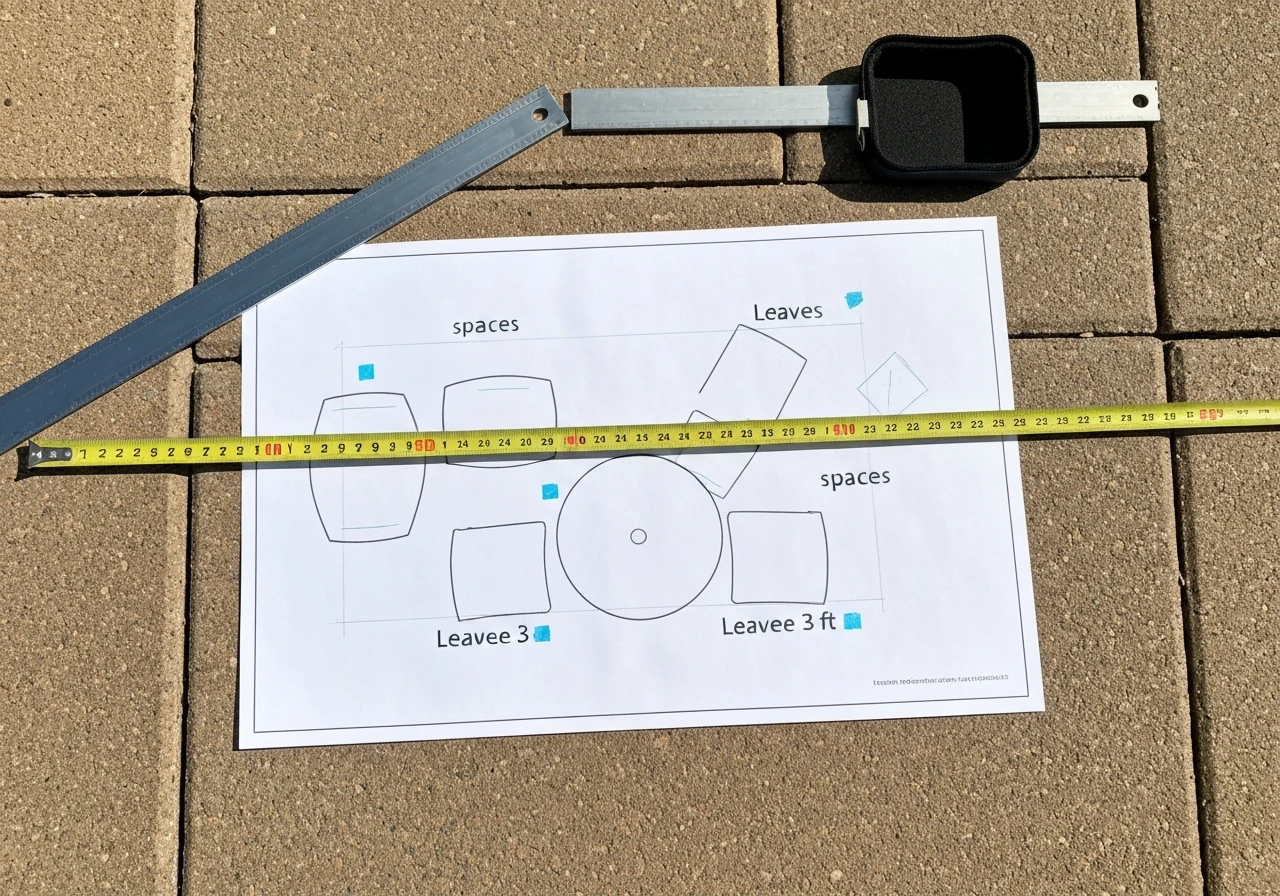
Before you spend an hour reading reviews, answer these four questions. They'll cut your shortlist in half immediately.
Space
Measure your patio or garden area and leave at least 3 feet of clearance around each piece for comfortable movement. A 5-piece sectional that looks perfect online can turn a 10x12 deck into an obstacle course. Sketch your space roughly to scale before you start, and look for sets that include dimensions in the product listing. Review complaints about furniture being "smaller than expected" are almost always a measurement failure on the buyer's end, but some brands do use camera angles that exaggerate scale, so always double-check the specs.
Climate
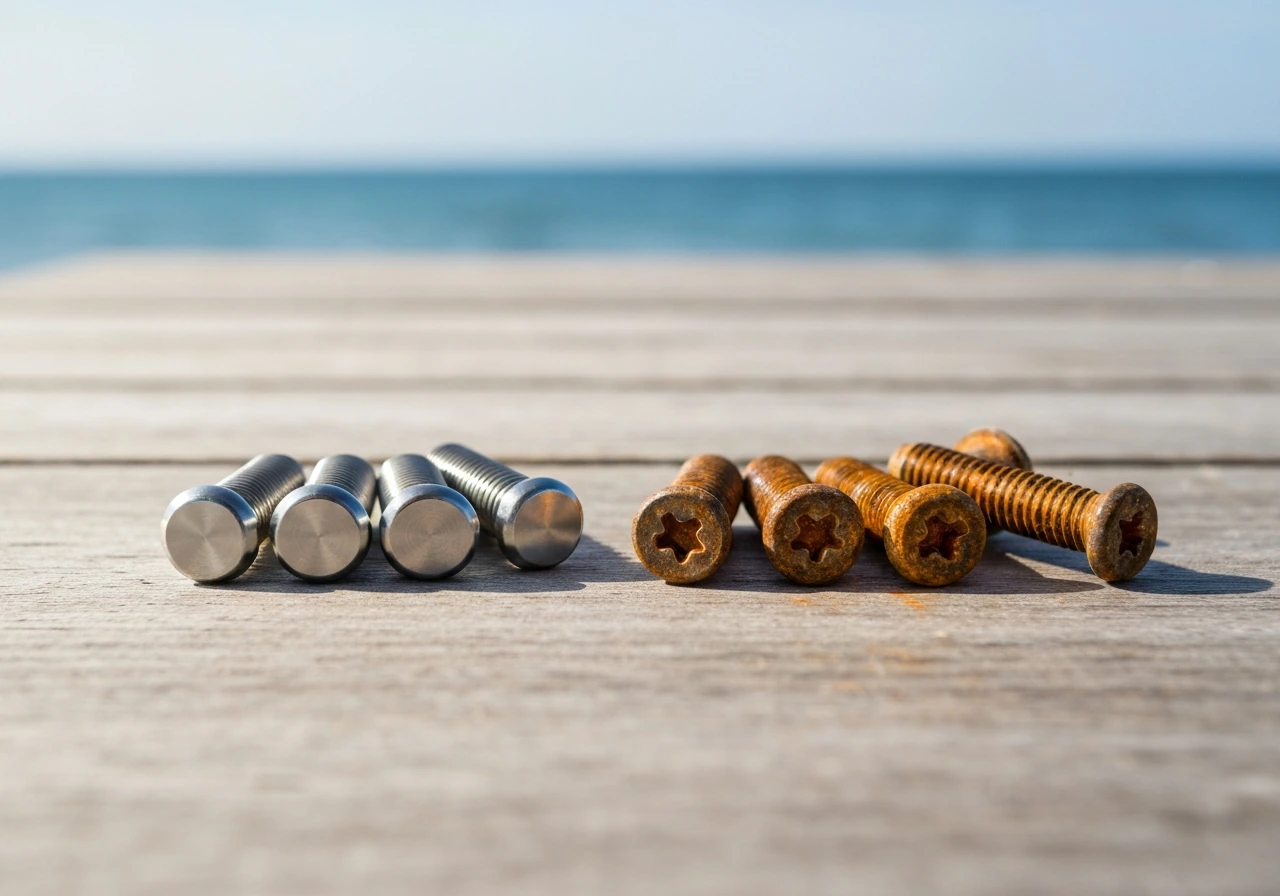
This is the most underrated factor in any patio furniture decision. Coastal buyers need corrosion-resistant fasteners (stainless steel or aluminum, never bare steel) because salt air will rust standard hardware in one season. Consumer Reports specifically flags this, recommending stainless-steel or aluminum fasteners and warning against sharp, unfinished edges that accelerate corrosion. High-UV climates (the Southwest, Florida) destroy cheap cushion fabric fast. Freeze-thaw zones crack and warp certain woods and resins if the finish isn't sealed properly. Match your material choice to your actual weather, not the product photo's tropical backdrop.
Comfort
Comfort in outdoor furniture is trickier than indoors because you're balancing firm support (so cushions don't immediately compress) with weather resistance (which often means denser, less plush foam). Deep-seat sets with 4-inch-plus cushions feel luxurious day one but check reviews at the 12-month mark for sagging. Sling-style chairs solve this neatly: Polywood's All-Weather Sling, for example, is marketed as moisture- and fade-resistant with a 3-year warranty, meaning the brand itself acknowledges that fabric performance is a real concern worth backing officially.
Style
Trends shift, but your patio is a long-term investment. Stick to a style that matches your home's exterior architecture rather than chasing what's popular this season. Neutral powder-coat colors (slate, charcoal, sand) age better than trendy bolds and are far easier to accessorize with cushions and throw pillows year over year. If you're on a tight budget, prioritize a durable neutral frame and spend a bit more on replaceable cushions in your preferred color.
Material and Construction: What Review Ratings Are Really Telling You
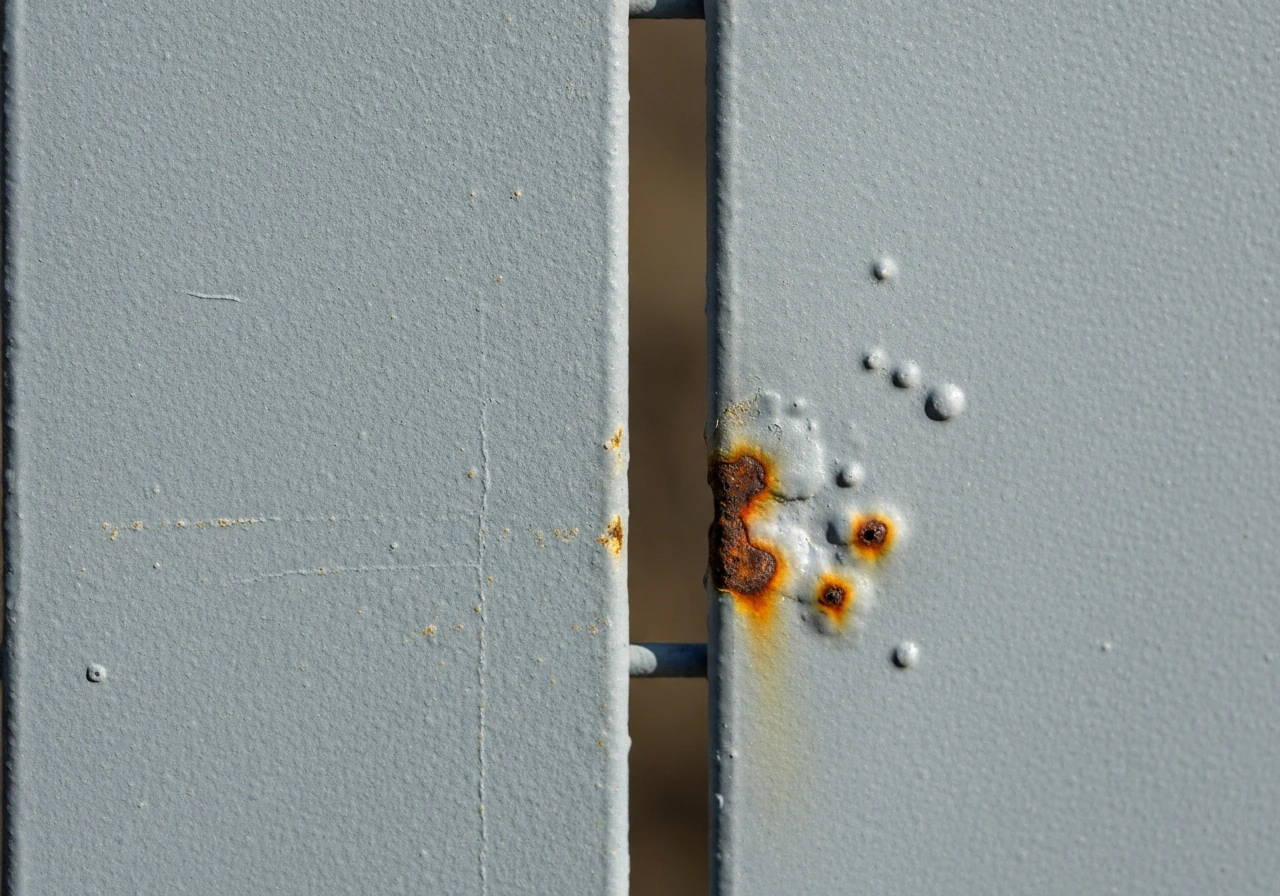
Most negative reviews are actually material complaints in disguise. "Rust appeared after one season" means the steel wasn't powder-coated well or the fasteners weren't stainless. "Color faded by July" means the cushion fabric wasn't solution-dyed. "Feels wobbly" means the frame welds or joint hardware are underengineered. Understanding this lets you read between the lines of any rating.
| Material | Best Climate Fit | Durability (with care) | Maintenance Level | Typical Price Range |
|---|---|---|---|---|
| Powder-coated aluminum | All climates, especially coastal | Excellent (10+ years) | Low | $300–$2,500+ |
| All-weather resin wicker | Most climates; avoid extreme UV zones | Good (5–8 years) | Low-moderate | $250–$1,500 |
| Polywood / HDPE lumber | All climates; excellent freeze-thaw | Excellent (15–20 years) | Very low | $400–$3,000+ |
| Teak wood | All climates; premium option | Excellent (20+ years with oiling) | Moderate-high | $800–$5,000+ |
| Steel (powder-coated) | Dry/moderate climates; avoid coastal | Good (5–10 years) | Moderate | $200–$1,200 |
| Softwood (pine, acacia) | Dry climates; covered storage needed | Fair (3–7 years) | High | $150–$800 |
West Elm's outdoor line makes a point that aluminum doesn't rust and that their metals are powder-coated for weather resistance. That's actually useful buying guidance for any brand: when you see rust complaints in reviews for an aluminum-framed product, you're almost always looking at a hardware failure (bare steel screws or bolts) rather than the frame itself. Always check whether the fasteners are stainless or aluminum, not just the frame material.
For wicker sets, the distinction between resin wicker and natural wicker is critical. Natural wicker deteriorates outdoors in a single wet season. Every reputable outdoor brand uses synthetic resin wicker, but cheaper sets use thinner weaves over weaker steel frames. Review complaints about wicker unraveling at the edges are almost always a cheap-frame problem, not a weave problem: when the frame bends slightly under weight, the wicker pulls away at stress points.
On finishes: Lowe's warranty documentation actually spells out what finish failure looks like in warranty terms (blank" rel="noopener noreferrer">peeling, blistering, cracking) versus what's considered normal wear (general fading, surface rust on steel). That distinction matters when you're reading reviews. A reviewer complaining that their steel chair has surface rust after three years isn't describing a defect in most warranty frameworks; it's describing normal steel behavior outdoors. Reviewers who complain about a powder coat that's peeling or blistering after one season, though, are describing a genuine finish failure that a quality product shouldn't exhibit.
Sets vs Individual Pieces: Which Approach Makes More Sense?
This is one of the most common decision points in any patio furniture review search, and the answer is less obvious than most buying guides admit. Sets win on visual cohesion and upfront cost per piece. Individual pieces win on flexibility, replacement ease, and the ability to mix quality tiers.
If you have a defined outdoor dining or lounge area and want everything to match without effort, a furniture set makes perfect sense. Most 4-7 piece sets from mid-tier brands include the table, chairs, and sometimes a loveseat or coffee table at a combined price that's 15–30% less than buying equivalent individual pieces. The trade-off: if one chair breaks or one cushion gets destroyed, you're often stuck ordering a single replacement that doesn't quite match the original color after the line is updated.
For garden settings specifically (think irregular layouts, planting borders, mixed-use yards) individual pieces give you much more control. A pair of Adirondack chairs around a fire pit, a standalone bench near the garden bed, and a small bistro set on the patio can all coexist with different materials and even different brands as long as you keep finishes and color families consistent. This approach also lets you invest more in the pieces you'll actually use daily and spend less on accent pieces.
One practical rule: if you're shopping budget to mid-range, start with a set because the per-piece value is hard to beat. If you're investing at the premium tier (Frontgate, Pottery Barn, or Polywood), consider building piece by piece because those lines tend to carry consistent finishes across seasons, and you'll get better long-term flexibility.
Value Across Price Points: Budget to Premium, Honestly Compared
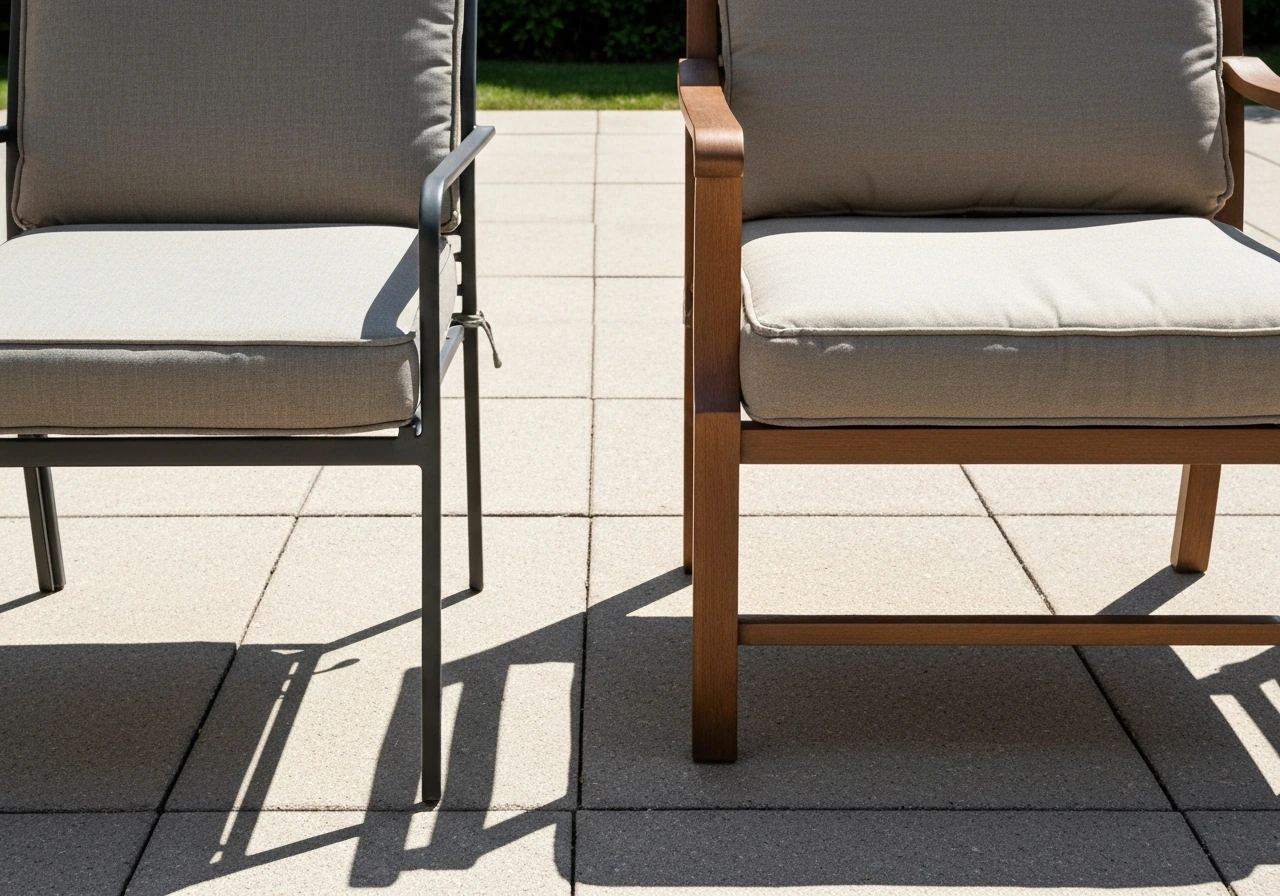
The patio furniture market in 2026 spans an enormous range, and the correlation between price and quality is real but not linear. Spending more does buy durability, but the biggest quality jump happens between the under-$300 tier and the $400–$900 tier, not between mid-range and premium.
Budget Tier: Under $400
Brands like Costway, Gymax, and Temu-sourced sets live in this space. You can find decent-looking resin wicker or steel sets here, but the honest review picture is mixed. Frame welds are thinner, cushion foam compresses fast, and powder coats are thinner (often showing chips within 18 months of outdoor use). That said, for a covered porch, a seasonal rental property, or someone who plans to store everything properly in the off-season, budget sets can deliver solid value per year of use. Just go in expecting to replace them in 3–5 years, and budget accordingly.
Mid-Range Tier: $400–$1,200
This is where the best value per dollar lives. Brands like Hampton Bay (Home Depot), Better Homes & Gardens (Walmart), Keter, and mid-line Polywood pieces all fall here. Frames are meaningfully thicker, powder coats are more consistently applied, and cushions typically use higher-density foam. Review scores for sets in this range tend to be much more stable at the 12-month and 24-month marks compared to budget sets. If you're looking for a set that lasts 6–10 years with reasonable care, this is your sweet spot.
Premium Tier: $1,200 and Up
West Elm, Pottery Barn, Frontgate, and Polywood's higher-end lines occupy this space. You're paying for material quality (often genuine teak, marine-grade aluminum, or premium HDPE lumber), cushion fabrics with real performance credentials (Sunbrella or solution-dyed equivalents), and better finish consistency. Frontgate's care documentation specifically mentions solution-dyed cushion fabric as a feature, and Sunbrella makes the same claim: solution-dyeing runs color through the fiber itself rather than coating the surface, so it genuinely outlasts surface-dyed alternatives in UV-heavy environments. The warranties also reflect the confidence difference: Polywood's residential warranty covers structural failure and fade on woven inserts for five years, with sling fabric covered for three. Budget brands rarely offer anything close to that.
| Price Tier | Representative Brands | Expected Lifespan | Best For | Biggest Risk |
|---|---|---|---|---|
| Under $400 | Costway, Gymax, Temu sets | 3–5 years | Covered porches, rentals, seasonal use | Thin powder coat, fast cushion wear |
| $400–$900 | Hampton Bay, Better Homes & Gardens, Keter | 6–10 years | Most homeowners; best value tier | Variable cushion quality by product |
| $900–$1,500 | Mid-line Polywood, Threshold (Target), Outer | 8–12 years | Buyers wanting longevity without full premium | Assembly complexity, shipping damage |
| $1,500+ | West Elm, Pottery Barn, Frontgate, teak specialists | 12–20+ years | Long-term investment, high-use spaces | High upfront cost; cushion replacement costs |
Accessories That Make or Break How Your Furniture Actually Performs
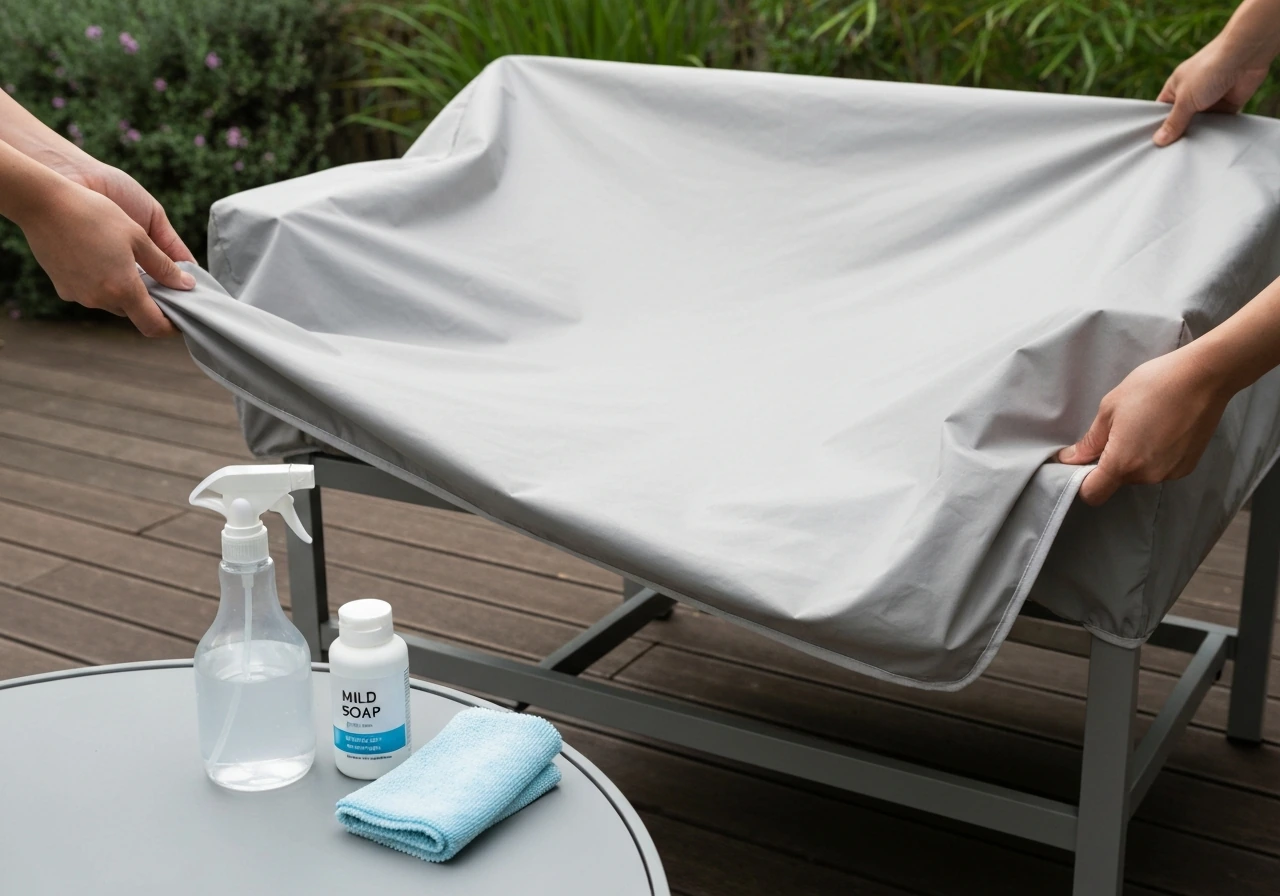
The furniture frame is only half the story. Covers, cushions, and basic care products have an outsized effect on how long any set lasts regardless of price tier, and they're the most common place where buyers leave money on the table. If you want to compare products beyond the furniture itself, browse patio furniture supplies reviews to find cover, cushion, and care options that actually hold up.
Covers
A quality outdoor furniture cover is one of the highest-ROI purchases you can make. Consumer Reports has consistently emphasized that using covers off-season protects against fading and finish damage, and Frontgate's own care guidance reinforces that targeted cover use minimizes fading over time. A $40–$80 cover set can add years to a $600 furniture investment. The key is fit: a loose cover that traps moisture underneath is worse than no cover at all, because it creates a warm, damp microclimate that accelerates mold on cushions and corrosion at weld points. Buy fitted covers sized to your specific set, not universal tarps.
Cushions
Cushion quality is where budget sets most frequently fail, and it's also where you can upgrade independently. If you have a solid frame but disappointing cushions, replacing them with aftermarket Sunbrella-covered cushions or solution-dyed alternatives is often worth it. Sunbrella's solution-dyeing technology (color dyed through the acrylic fiber, not surface-coated) is the industry standard for fade resistance, and it's directly relevant when you see "color faded fast" complaints in reviews: that's almost always a surface-dyed fabric issue, not an inherent problem with outdoor cushions in general. West Elm's outdoor cushion line also positions their products specifically for outdoor comfort longevity, which is worth noting when comparing cushion quality across brands.
Care Products
For metal frames: a light wipe-down with mild soap and water at the start and end of each season, plus a touch-up with matching spray paint on any chips before they spread, is all most powder-coated aluminum or steel sets need. For teak: annual application of teak oil or sealer keeps the wood from drying out and cracking (though many people prefer to let teak go gray naturally, which is also fine if the wood is properly dried). For resin wicker: avoid pressure washing at high pressure since it can force water into the weave and warp the underlying frame over time.
Maintenance, Durability, and the Real Long-Term Costs
Patio furniture buying guides almost never talk honestly about long-term costs, which is a mistake because total cost of ownership is often more important than sticker price. Here's what you should realistically expect across material types.
- Powder-coated aluminum: Nearly zero maintenance beyond seasonal cleaning. Occasional touch-up paint on chips. Cushions are the main replacement cost (plan for one full cushion replacement every 4–6 years if using standard foam, or every 7–10 years with Sunbrella-grade fabric).
- Resin wicker over aluminum frame: Low maintenance on the frame. Wicker itself can unravel at stress points after 5–8 years; some brands sell repair kits, but replacement is usually the more practical path at that stage.
- Polywood / HDPE: Almost zero maintenance. No painting, no sealing, no staining. Wash with soap and water. The premium upfront cost is largely offset by near-zero lifetime maintenance spend.
- Teak: The most maintenance-intensive quality option. Budget $30–$60/year for sealer or oil and the time to apply it. Unprotected teak still survives outdoors but turns silver-gray and can develop surface cracking.
- Softwood sets (acacia, pine): Highest maintenance category. Annual sealing or painting is non-negotiable. Skip a season in a wet climate and you're looking at significant wood degradation.
- Steel (not stainless): Surface rust is normal wear under most warranties (confirmed in standard warranty exclusion language from major retailers). Budget for touch-up paint annually and expect more intensive attention at weld points in humid climates.
The most common expensive mistake is buying a low-maintenance-looking set at budget pricing and then skipping covers and seasonal care because the set "seems durable." Budget steel sets in particular need more proactive care than premium aluminum sets, not less. When you read reviews complaining about rapid deterioration on cheap sets, the underlying story is almost always deferred maintenance meeting thin finishes.
One final note on where to shop: beyond the major brands, the patio furniture retail landscape includes specialized channels worth knowing about. Liquidators and specialty outdoor furniture retailers sometimes carry overstock or discontinued lines from premium brands at significant discounts, which can change the value equation meaningfully. If you are considering liquidators, look for patio furniture liquidators reviews to see how their discounts hold up after delivery, assembly, and the first season.
If you're comparing specific brand experiences, it's worth reading focused reviews on niche brands and retailers alongside the big-box options covered here. If you want an example of how to compare brand-level experiences, look for patio kingdom furniture reviews that include real long-term performance details focused reviews.
The bottom line is this: match your material to your climate, use covers consistently, and read the 6-month-plus reviews rather than the day-one reactions. These anmutig patio furniture reviews focus on real-world durability, comfort, and how the finishes hold up over the seasons. Do those three things, and you'll filter out 90% of the "looks great, performs poorly" traps that generate all those one-star reviews you've been scrolling through.
FAQ
How can I tell if a negative patio furniture review is about manufacturing, shipping, or real long-term durability?
It helps to read the review with a “time since purchase” filter. If complaints cluster at 0–3 months (wobble, uneven cushions, missing parts), treat them as quality control and shipping issues, not weathering. If complaints cluster at 9–18 months (rust spots, coating peeling, fabric fading), treat them as finish and material durability signals.
What review patterns should I look for to avoid overreacting to one bad experience?
Use pattern matching, not isolated anecdotes. A single person saying their bolt rusted is often an outlier, but multiple reviews describing the same component failing (for example, screws at arm joints, table leg caps, or weld points) suggests a design or material mismatch. Also note whether the reviewer mentions leaving the set uncovered or in wet ground contact, since that can exaggerate hardware problems.
How do I compare true maintenance effort across materials using patio furniture review text?
Look for “maintenance required” details that go beyond general care tips. For example, powder-coated aluminum often needs only seasonal cleaning and early touch-up on chips, while teak typically needs annual oil or sealing if you want to keep color and reduce cracking. If a review only says “it’s low maintenance” without specifying what they actually did, treat it as a marketing claim.
Do reviews from people who use patio furniture covers actually mean the same thing, or can storage habits skew results?
For covered storage, many brands still expect off-season cleaning before covers go on. If a reviewer says they used a cover but stored the furniture in a damp area or left mildew on cushions, their experience may not reflect the furniture’s core quality. Prioritize reviews from people who note full off-season cover use, indoor storage, or at least dry, ventilated conditions.
When wicker reviews mention unraveling, how can I tell whether it’s the wicker or the frame?
Yes. For wicker, ask whether the failure is at the weave ends, the edges, or the stress points near armrests and chair bases. Unraveling at the edges often points to cheaper synthetic wicker and a thinner weave, but pulling away where the frame flexes usually indicates a weak frame that bends and breaks the fit. Use review photos of the corners and weld/joint areas.
If an aluminum patio set still gets rust in reviews, what’s the most likely cause?
Don’t just check whether the frame is “aluminum” or “steel.” Confirm the fasteners are stainless steel or aluminum, and look for reviews mentioning rust around bolts, not just rust on the frame itself. If rust is localized to joints and hardware, it usually implicates hardware, not the powder coat system.
How do I evaluate cushion comfort complaints that show up over time?
Treat cushion comments like a timeline. If reviewers mention “compresses quickly” or “bottoming out,” look for whether they also mention cushion thickness, foam type, and how they rotate or fluff cushions. A set can feel comfortable initially, but if multiple reviewers cite sagging at the 12-month mark, that’s a real durability flag even if the fabric fades slowly.
Are “fading” complaints and “getting wet” complaints coming from the same cushion problem?
If a reviewer can’t name their cushion fabric type, it’s safer to infer by what they describe. “Color faded quickly” usually points to surface-dyed or lower UV-resistance fabrics, while “wetting, staying damp, mildew smell” points to water-absorption and drainage issues. Also check whether they mention leaving cushions outside during rain versus using covers.
How do I estimate total cost of ownership from a patio furniture review page?
Yes, and it changes how you should budget. A set that costs less upfront but needs more proactive care, replacement cushions, or earlier replacement due to finish failure will have higher total cost over 4–6 years. Compare review timelines (for example, finish failures at 12 months vs 36 months) and include the cost of a fitted cover, plus any expected cushion replacement.
How should I use “smaller than expected” reviews without assuming the brand is always at fault?
A safe approach is to verify clearance and measurements twice: check listed seat depth, table height, and arm width, then compare to your walking paths. If reviews say “smaller than expected,” confirm whether the reviewer measured their space using the product’s dimensions, or just relied on photos. If you’re between sizes, prioritize the set that reviewers report fitting their stated yard or deck dimensions.
What should I pay attention to when reviews describe comfort, beyond “soft” vs “firm”?
Many reviews look like they’re about comfort, but they can actually be about posture mismatch. Deep-seat sets may feel great for lounging but can become uncomfortable for everyday dining, while sling chairs might feel firm until broken in. If reviews mention back support, seat angle, or “great for relaxing but not for meals,” use that to judge whether the set matches your intended use.
For event-heavy use, what review details matter most compared to everyday backyard use?
If you’re buying for a patio festival or frequent events, prioritize reviews mentioning breathability, speed of drying after rain, and how the furniture looks after hours of sitting. Also check whether people mention color transfer on cushions or frames (light fabrics can show staining faster), and whether tables wobble under setup traffic (moving chairs, loading/unloading).
Next Article
Top Home Space Patio Furniture Reviews: Best Picks & Buying Guide
Top Home Space patio furniture reviews: top picks, brand comparisons, ratings, buying checklist & care tips.