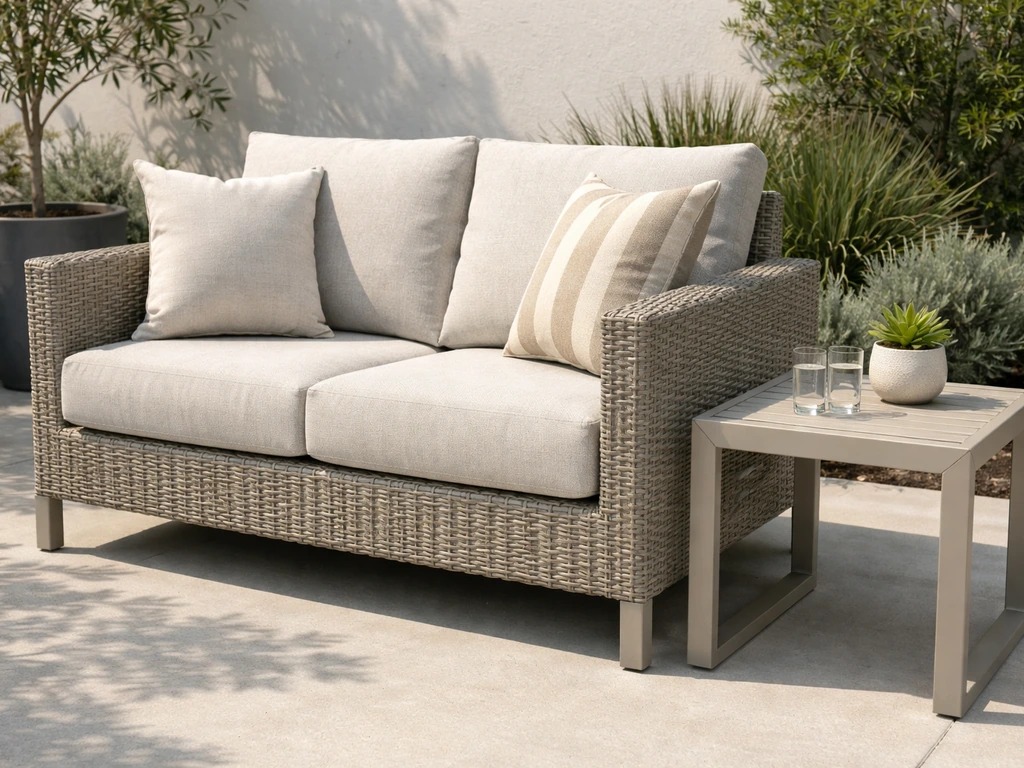
If you need patio furniture today, here is the honest answer: powder-coated aluminum frames with Sunbrella or solution-dyed acrylic cushions give you the best balance of durability, weather resistance, and low maintenance across almost every climate and budget tier. Whether you spend $400 at Costway or $4,000 at Frontgate, the frame material and cushion fill are the two specs that will determine whether your set looks good in three years or falls apart in one. Everything else, including brand name, finish color, and style, comes second.
Article Patio Furniture Review: How to Choose Today

Holly Dawson
14 Jun 2026
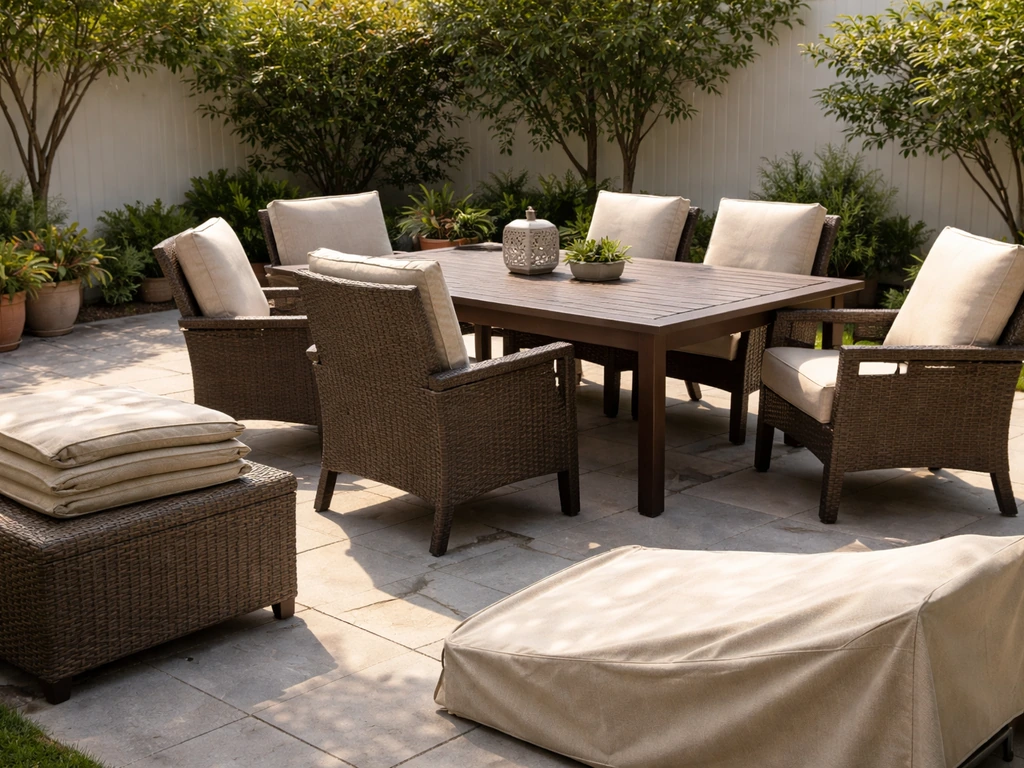
What great patio furniture actually looks like
Great outdoor furniture does three things well: it holds up to your local weather without constant intervention, it stays comfortable enough that you actually use it, and it looks good long enough to justify the price. Those three things are connected. A set that rots or rusts inside two seasons was never a good deal, no matter how cheap it was. And a set that looks stunning in the showroom but turns your cushions into a mold farm after one rainy week is a failure, regardless of how premium the brand is.
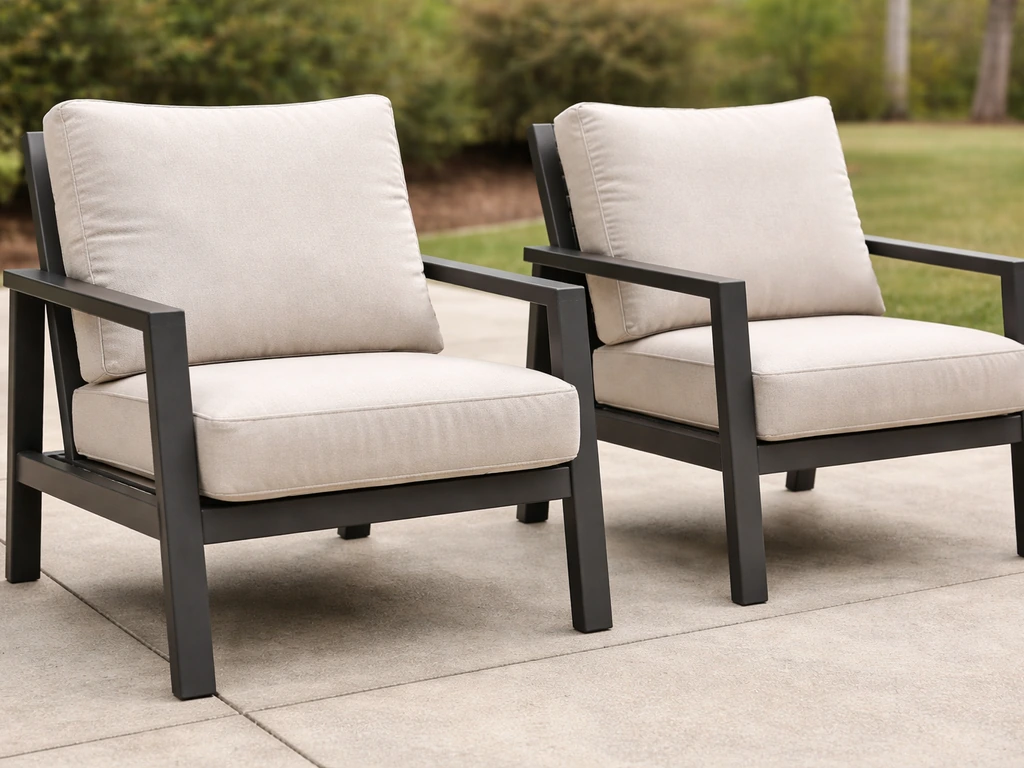
Comfort is mostly about cushion depth, seat height, and back angle. A dining chair needs a flatter, firmer seat (around 17 to 18 inches high) so you can eat comfortably. A lounger or deep-seating sofa needs thick cushions, usually 4 to 5 inches, and a reclined back. Swings and gliders are their own category: the motion itself absorbs some comfort shortfall, but you still want cushions at least 3 inches thick with proper drainage foam if they live outdoors full-time.
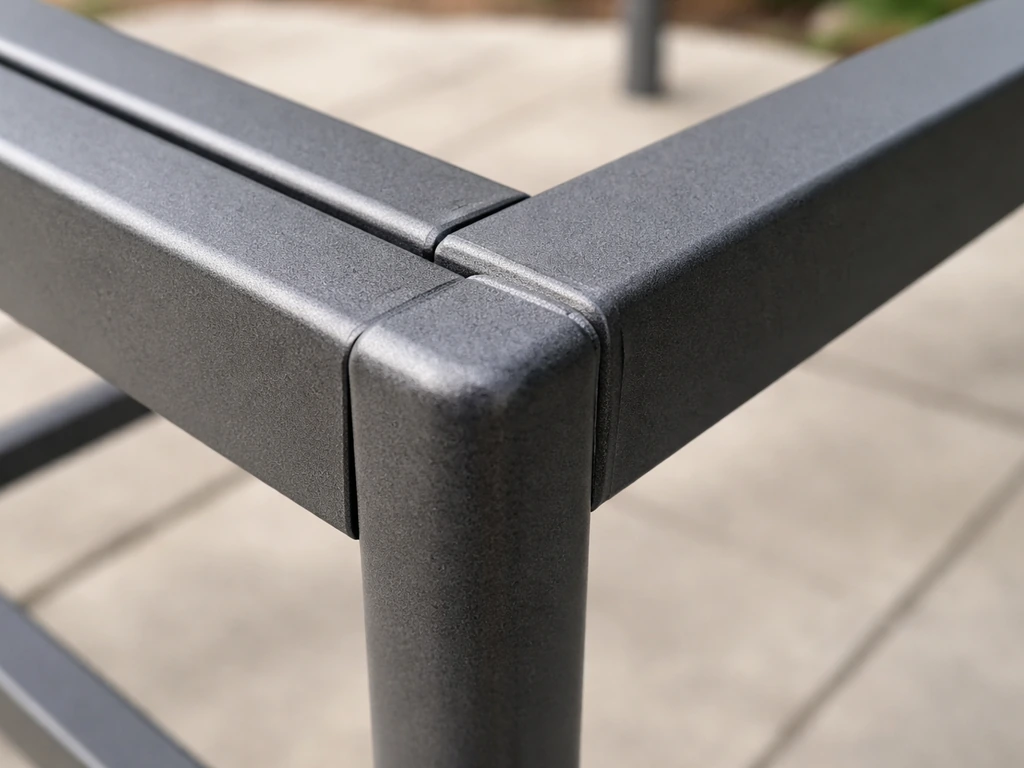
Durability comes down to frame construction and finish. A frame that flexes when you sit down, wobbles at the joints, or shows bare metal at weld points is going to fail. Weather resistance is about surface treatments and fabric choices. Powder-coated finishes resist rust and chipping far better than painted steel. Fabrics made from solution-dyed acrylic, like Sunbrella, lock color into the fiber itself rather than applying it as a surface dye, which is why they hold up to UV exposure and rain in a way that standard polyester simply cannot match over multiple seasons.
Materials and construction: what to compare before you buy
Frame materials
| Material | Rust/Rot Risk | Weight | Typical Lifespan | Best For |
|---|---|---|---|---|
| Powder-coated aluminum | Very low | Light | 10+ years | Most climates, coastal included |
| Steel (painted or powder-coated) | Moderate (chips expose bare metal) | Heavy | 3–7 years | Dry climates, covered patios |
| Teak | None (natural oils) | Heavy | 20+ years with oiling | Any climate, premium budgets |
| Eucalyptus | Low | Moderate | 5–10 years with oiling | Mid-range wood alternative |
| Resin/synthetic wicker over aluminum | Low (frame), Low (resin) | Light-Moderate | 5–10 years | Casual aesthetics, most climates |
| Natural rattan/wicker | High (rot) | Light | 2–4 years outdoors | Covered porches only |
Powder-coated aluminum is the go-to for most buyers for a reason: it is rust-proof, lightweight enough to move around, and holds a finish well. The Lowe's warranty documentation draws a clear line between aluminum frame coverage and other frame types, and Frontgate backs its aluminum, teak, and wicker frames with a 10-year structural warranty for residential use, which tells you something about how confident quality manufacturers are in these materials when they are built right. Steel is heavier and cheaper to manufacture, but even powder-coated steel will eventually chip at joints and edges, especially if you move it often, and bare steel plus moisture is a rust problem waiting to happen.
Cushions and fabrics
This is where the biggest performance gap between budget and premium furniture shows up. Sunbrella fabric is made from 100% solution-dyed acrylic, meaning the color is baked into the fiber before it is woven, not printed on top. That process makes it genuinely fade-resistant and UV-protective in a way that holds up over years of sun exposure. You will find Sunbrella on mid-tier and premium sets; when you see it listed as a spec, it is a meaningful signal of cushion quality.
The fill inside the cushion matters just as much as the cover fabric. Polyester fiber fill is cheap and initially soft, but it absorbs and holds moisture slowly, which means cushions left outside after rain stay wet for a long time and become a mold risk. Reticulated open-cell foam, often called Dry-Fast foam, is engineered to drain water rapidly so the cushion dries out quickly after exposure. Foamite describes its Qik-Dri outdoor foam concept as designed to shed moisture such as rain, dew, mist, and fog to help prevent moisture from getting trapped in conventional outdoor foam Dry-Fast foam is engineered to drain water rapidly. If your cushions live outside full-time without a cover, Dry-Fast foam is not a luxury, it is a necessity. For covered patios or sets you bring in seasonally, standard foam with a quality acrylic cover will do fine.
Mesh seating, typically PVC or vinyl-coated polyester, is worth considering for dining chairs and loungers in humid climates. It is breathable, dries immediately, and quality mesh products include antimicrobial agents to resist mildew and mold. You never have to worry about cushion storage with a mesh seat, which is a real practical advantage in rainy regions.
Finishes and hardware

Check the hardware. Stainless steel or marine-grade aluminum bolts and screws will not rust. Zinc-plated or generic steel hardware will. On budget sets especially, the frame might be aluminum but the assembly hardware is cheap steel, and six months of exposure will leave rust streaks down your furniture legs. It is a small detail that manufacturers rarely advertise, but you can often spot it in close-up product photos or user review photos.
Budget vs. premium brands: what you actually get at each price tier
The honest truth is that the gap between a $500 budget set and a $3,000 premium set is real but not always proportional to the price difference. Here is how the tiers actually break down.
Budget tier: Costway, Temu, and similar value retailers
Sets from Costway, Temu, and comparable budget-direct brands typically run $200 to $600 for a 4 to 6-piece set. The frame is usually thin-gauge steel or basic aluminum, and the cushion covers are polyester, not acrylic. If you want to narrow choices fast, reading topbuy patio furniture reviews can help you spot which models people actually rated after real use. The upside is obvious: low cost, decent initial aesthetics, and fast shipping. The downside is equally clear: thinner metal means more flex and faster fatigue at welds, polyester cushion covers fade within one to two seasons in direct sun, and fiber-fill cushions hold moisture. These are fine for a covered porch, a rental property, or someone who wants to furnish a space cheaply and replace in a few years. They are not a good investment for an uncovered deck in a high-UV or rainy climate.
Mid-tier: Wayfair, Amazon Basics brands, Costco, and Aldi
The $600 to $1,500 range is where you start seeing heavier-gauge aluminum frames, better powder-coat quality, and occasional Sunbrella or solution-dyed acrylic cushion options. Costco's seasonal patio offerings often punch above their price point on frame quality. Aldi's patio sets, covered in dedicated reviews on this site, follow their usual playbook: excellent value during the selling window but limited stock and no reorder availability. If you are specifically looking at Aldi patio furniture from 2019, check how its materials held up after at least one full outdoor season Aldi patio furniture 2019 review. If you are comparing Aldi options, an aldi patio set review can help you spot which models hold up better after real-world use Aldi's patio sets. At this tier, always check cushion fill specs before buying. Many sets in this range still use polyester fiber fill even when the frame quality justifies better.
Premium tier: West Elm, Pottery Barn, Frontgate, and Restoration Hardware
Spending $1,500 to $5,000-plus gets you heavier frames, certified teak or quality aluminum with thicker welds, Sunbrella cushions as standard, better hardware throughout, and meaningful warranty backing. Frontgate's 10-year structural warranty on aluminum, teak, and wicker frames is genuinely industry-leading and reflects real confidence in construction. Pottery Barn and West Elm offer 30-day return windows on most items (with a shorter 7-day window for Quick Ship upholstery at Pottery Barn), which gives you reasonable time to evaluate a set in your actual space. The risk at the premium tier is paying for aesthetics and brand markup rather than proportional durability gains. Always verify the cushion fill spec even at this price point, because some premium-looking sets still use inferior foam.
| Tier | Typical Price (4-6pc set) | Frame Quality | Cushion Fabric | Warranty | Best For |
|---|---|---|---|---|---|
| Budget (Costway, Temu) | $200–$600 | Thin steel or basic aluminum | Polyester | Minimal or none | Covered porches, short-term use, rental properties |
| Mid-tier (Costco, Wayfair, Aldi) | $600–$1,500 | Heavier aluminum, better powder coat | Polyester to acrylic mix | 1–3 years | Most homeowners, semi-covered or seasonal use |
| Premium (West Elm, Pottery Barn, Frontgate) | $1,500–$5,000+ | Heavy-gauge aluminum, teak, quality wicker | Sunbrella or equivalent acrylic | Up to 10 years (Frontgate) | Full sun exposure, long-term investment, design-forward spaces |
How to read patio furniture reviews without getting misled
Online reviews for patio furniture are more polluted than almost any other home category, because the products are seasonal, returns are expensive, and manufacturers have strong incentive to inflate early ratings. Research on review fraud has documented how fake review networks work: paid reviewers create accounts, write positive reviews in coordinated bursts, and skew rating distributions in ways that are hard for average shoppers to spot. If you want to double-check what real owners say, restaurant patio furniture com reviews can help you spot patterns like long-term rusting, cushion fading, and comfort complaints that engineered specs sometimes miss. If you want to compare options quickly, look for simply patio furniture reviews that summarize durability, comfort, and maintenance in plain terms review fraud. The signals of a suspicious review pattern include sudden spikes in 5-star ratings around a product launch, clusters of very short reviews with similar phrasing, and profiles that have reviewed only one product.
Here is how to filter for honest signal. First, sort by most recent and read 1 and 2-star reviews specifically. Budget furniture failures are almost always visible within the first season, so any product with more than a year of sales history will have honest durability feedback in the low ratings. Second, look for reviews that include photos, especially photos taken after 6 to 12 months of use. A set that still looks good after a full outdoor season is a meaningful data point. Third, be skeptical of review scores on products with fewer than 50 reviews or where the rating distribution is unusually polarized (all 5s and 1s with almost nothing in between, which is a classic fraud signal). Fourth, check retailer reviews separately from brand-site reviews. A product might have curated reviews on the brand's own site but much more candid feedback on a third-party retailer.
Warranty language is also a review of sorts. A brand that offers a 10-year structural warranty is making a contractual claim about durability. A brand that offers no warranty or a 90-day limited warranty is telling you something about how long they expect the product to last, or how much they trust it.
Matching furniture to your actual use case
Dining sets
Dining sets need firm seats, stable tables, and easy cleaning. Mesh or sling chairs are ideal here because there are no cushions to store or dry out. If you want cushioned dining chairs, opt for solution-dyed acrylic covers with quick-dry foam and make sure there is drainage at the base of the seat. Table tops matter: powder-coated aluminum, tempered glass with a frame, or teak are all good. Avoid painted wood table tops at budget price points because the finish degrades fast in outdoor conditions.
Deep-seating lounge sets
This is the category where cushion quality makes the biggest difference. Deep-seating sofas and chairs with thin, fiber-fill cushions feel uncomfortable within the first year as the fill compresses and shifts. Go for at least 4 inches of foam fill, preferably Dry-Fast reticulated foam if the set lives in full weather exposure. Sunbrella fabric on the cover is worth the premium here because you will be looking at and touching these cushions every time you sit outside.
Swings and gliders
Patio swings and gliders take a different kind of structural stress than static furniture because the joints and hardware experience repetitive load cycles. At the budget tier, swing frames often use thin steel tubing that fatigues at welds within two to three seasons. Look for thick-gauge steel or cast aluminum swing frames with commercial-grade chain or cable. Cushions for swings should use Dry-Fast foam or mesh inserts, since they are nearly impossible to bring inside every time it rains. Brands like Yardbird have built a reputation specifically around outdoor seating quality, and that kind of brand specialization is worth noting when comparing swing and lounge options. For more specific swing and lounge picks, see yardbird patio furniture reviews that break down real-world comfort and build quality.
Climate and exposure fit
- Full sun, hot and dry climates (Southwest US): UV-resistant acrylic fabrics are non-negotiable. Powder-coated aluminum or teak frames. Avoid dark-colored metals that retain heat.
- Humid, rainy climates (Southeast US, Pacific Northwest): Dry-Fast foam cushions, mesh seating alternatives, stainless hardware, and breathable covers. Resin wicker over aluminum frames holds up better than natural materials.
- Coastal/salt air: Marine-grade aluminum or teak only. Salt accelerates corrosion on steel and low-grade aluminum. Rinse furniture regularly with fresh water.
- Cold climates with freezing winters: Plan for seasonal storage or quality covers. Teak and heavy aluminum handle freeze-thaw cycles better than painted steel. Cushions must come inside.
- Covered patios and screened porches: More flexibility on materials since UV and rain exposure is reduced. Budget frames hold up better here. Natural wicker is viable in this setting.
Covers and maintenance: protecting what you paid for
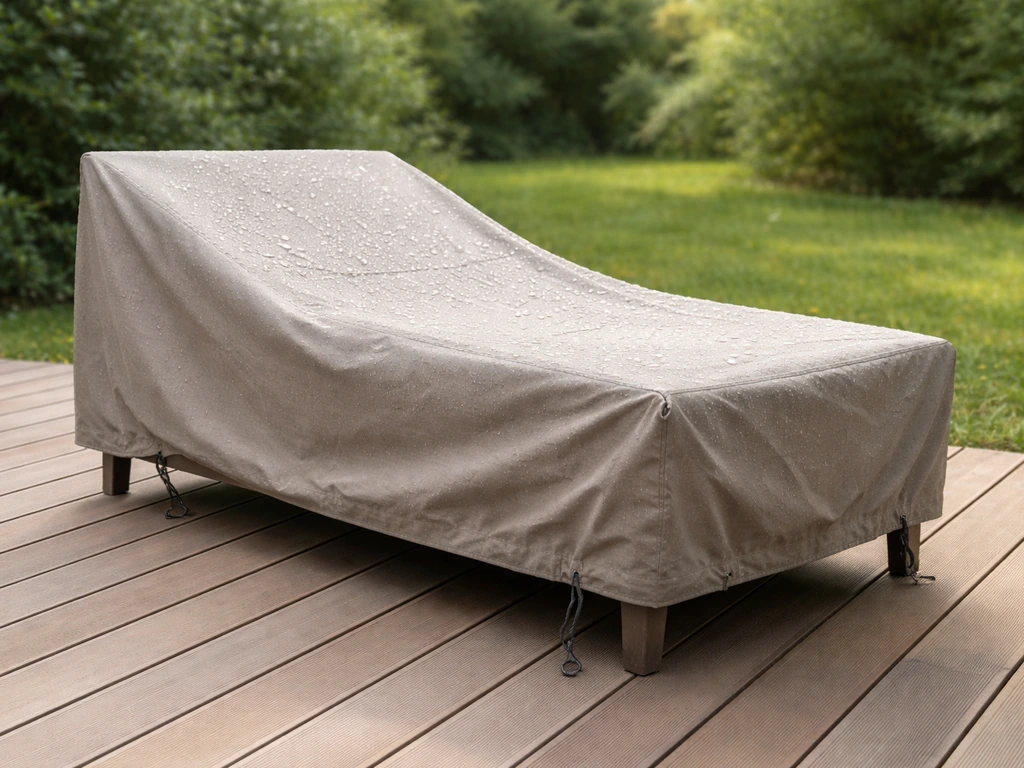
The single biggest maintenance mistake people make is covering furniture that is still wet or damp. Trapping moisture under a cover creates exactly the warm, dark, humid environment that mold and mildew need. Always let furniture dry completely before covering, ideally in the sun for a few hours after rain. This applies to both cushions and frames.
A quality outdoor cover should be both waterproof and breathable. Fully waterproof but non-breathable covers trap condensation under them on temperature-swing nights, creating the same mold problem you were trying to avoid. Breathable covers vent moisture while still blocking rain, which is the right balance for year-round use. Restoration Hardware uses breathable, stain-resistant fabric in their furniture cover line that is also mold, mildew, and fade resistant. That is the spec standard to aim for regardless of brand.
For frames, rinse aluminum and resin wicker with mild soap and water at the start and end of each season. Teak needs annual oiling (teak oil or a teak sealer) to maintain its golden color; if you prefer the silver-gray weathered look, you can skip oiling but the wood is still structurally sound. Steel frames need inspection every season for chips or bare spots in the powder coat; touch up with outdoor metal paint immediately to prevent rust from spreading. Cushion covers with Sunbrella fabric can be scrubbed with a bleach-and-water solution (the manufacturer specifically endorses this) without damaging the fabric, which is one of its real practical advantages over cheaper materials.
On lifespan: a budget steel-frame set in a covered space, maintained well, might last five to seven years. A quality aluminum or teak set with Sunbrella cushions, covered in off-season and rinsed regularly, can realistically last 10 to 15 years. The math on spending more upfront often works out when you factor in replacement frequency.
Your shortlist checklist: what to do right now
Use this checklist to narrow from browsing to buying. Work through it in order and you will eliminate most of the bad options before you spend a dollar.
- Define your use case first. Dining, lounging, swinging, or a mix? Count how many seats you actually need, not how many you might want someday.
- Measure your space with tape before looking at any product. Include clearance for chair pull-out (at least 3 feet behind dining chairs) and walking paths around the set.
- Identify your climate risk. Coastal salt air, high UV, heavy rain, or freezing winters each point to different material priorities. Refer to the climate section above.
- Set a real budget including covers. A $1,000 set without covers is less protected than an $800 set with a $80 cover included in the plan.
- Filter by frame material first. Powder-coated aluminum or teak for full exposure. Steel is acceptable for covered or indoor-outdoor spaces only.
- Check cushion fabric spec. Look for Sunbrella or solution-dyed acrylic on the cover. For full-outdoor cushions, confirm Dry-Fast or reticulated open-cell foam fill.
- Read reviews strategically. Sort by lowest rating, filter for photos, and look for reviews posted at least 6 months after purchase. Flag any suspicious rating spike patterns.
- Compare warranty terms. A 3-year or longer structural warranty on frames is the floor for mid-tier and above. Frontgate's 10-year warranty is the benchmark for premium.
- Check return policy before ordering. Pottery Barn gives 30 days for most items (7 days for Quick Ship upholstery). West Elm and Frontgate have their own windows. Know your return timeline before the truck arrives.
- Add a matching cover to your cart at the same time. Measure the specific set dimensions, not a generic size, and choose breathable waterproof fabric. Covers extend frame and cushion life significantly.
- If still undecided between two sets, choose the one with the better frame material and upgrade cushions later. Frame replacement is not practical; cushion upgrades are relatively easy.
If you are still stuck on which brand to start with: for most budgets and climates, a powder-coated aluminum frame set in the $800 to $1,500 range with solution-dyed acrylic cushions is the practical sweet spot. It gives you real durability without the price premium of teak or full Frontgate-tier construction. If your space is fully exposed and you plan to keep the furniture for a decade or more, stretch to Frontgate or Pottery Barn for the warranty and material quality. If you are furnishing a rental, a covered porch, or just testing out a layout, Costway and Costco's seasonal offerings are honest value with appropriate expectations. Whichever tier you choose, the frame, fabric, and foam specs matter more than the brand name on the tag. If you want a quick way to compare options, read over patio furniture reviews to see which cushion materials and frame types hold up best over time.
FAQ
How do I tell if a “powder-coated aluminum” set actually has sturdy joints and not just a coated shell?
Look for weld quality and joint design in photos, thick corner plates, and whether the set uses sealed fittings or visible bare metal at stress points. If the product description is vague about “aluminum” but doesn’t specify frame thickness or construction details, confirm in user photo reviews whether weld seams stay intact after 6 to 12 months.
Is Sunbrella worth it if my patio is mostly shaded?
Shading reduces UV exposure, so polyester may last longer, but humidity and rain still affect mildew risk. If your cushions stay outside year-round, prioritize Dry-Fast reticulated foam and good drainage even in a shaded area, because mold problems are driven by moisture, not just fading.
What cushion fill should I choose if I can never bring cushions inside, even during heavy rain?
Choose cushions designed to dry fast, Dry-Fast or open-cell reticulated foam, and ensure the base has drainage rather than a solid sealed bottom. Also verify whether the cushion covers are solution-dyed acrylic and whether the foam is described as quick-drying, because normal foam can stay wet for days under covers.
How much cushion thickness is “enough” for comfort, and when is thicker actually a downside?
For deep-seating sofas and loungers, 4 to 5 inches is a strong target, thinner cushions tend to compress and lose comfort quickly. Thicker cushions can feel better but may take longer to dry after rain, so if you cannot cover or store them, you should trade thickness for quick-drying foam and proper drainage.
Do mesh or sling chairs work in very rainy climates if I don’t want storage?
Yes, mesh or sling seating is typically a better fit because it drains and dries quickly, and you avoid cushion fill entirely. If you are buying mesh for humid areas, look for listings that mention antimicrobial treatment or mildew resistance, and check that the mesh is tensioned firmly so it does not sag over time.
What patio furniture material should I avoid if I live by the ocean or in salty air?
Avoid sets that rely on zinc-plated or generic steel hardware, even if the frame is aluminum, because salt accelerates corrosion and leaves streaking. For coastal use, prioritize marine-grade stainless or marine-grade aluminum fasteners, and consider rinsing the frame more often during the season to remove salt residue.
Should I put outdoor covers on furniture every time it rains?
No. The common mistake is covering damp furniture, which traps moisture and speeds mold growth. Let frames and cushions dry completely first, ideally after rain, and then cover using a breathable waterproof cover if you need year-round protection.
How can I tell if an outdoor cover is truly breathable?
If the cover description only claims “waterproof” with no mention of ventilation, breathability, or moisture venting, assume it is likely to trap condensation. A practical test is to look for structured airflow design, mesh vents, or explicitly stated breathable fabric, and avoid fully sealed plastic-like materials for temperature-swing climates.
What’s the safest way to clean Sunbrella cushions without damaging the fabric over time?
Use gentle scrubbing and the recommended bleach-and-water method only as directed, then rinse thoroughly so residue does not build up. If you notice darkening around seams, it often comes from trapped grime, focus cleaning there rather than soaking the entire cushion repeatedly.
Why do some “good” review sets still fail quickly in real life?
Many failures are hardware and maintenance related, rust streaks from non-marine fasteners, cushions that dry slowly due to poor drainage, and covers that trap moisture. When reading reviews, prioritize photos taken after months of outdoor exposure and pay extra attention to joint wobble and weld seam issues rather than only fade complaints.
What warranty language should I look for if I care about long-term lifespan?
Distinguish between structural frame coverage and upholstery or cushions coverage. A 10-year structural warranty matters for frame integrity, but check whether cushions or fabric are covered separately and whether exclusions apply for outdoor exposure, staining, or improper care.
Are returns and warranties better for protecting myself than paying for premium materials?
They help, but they do not replace material choices. A return window is most valuable for discovering issues quickly, wobble, poor cushion comfort, or fading, while a long warranty protects against construction failures over years. If you cannot store or maintain the set properly, durability specs still matter more than return policy.
Next Article
Yardbird Patio Furniture Reviews: Honest Pros, Cons, and Picks
Yardbird patio furniture reviews: real pros, cons, durability, comfort, rust resistance, and best picks vs budget and pr