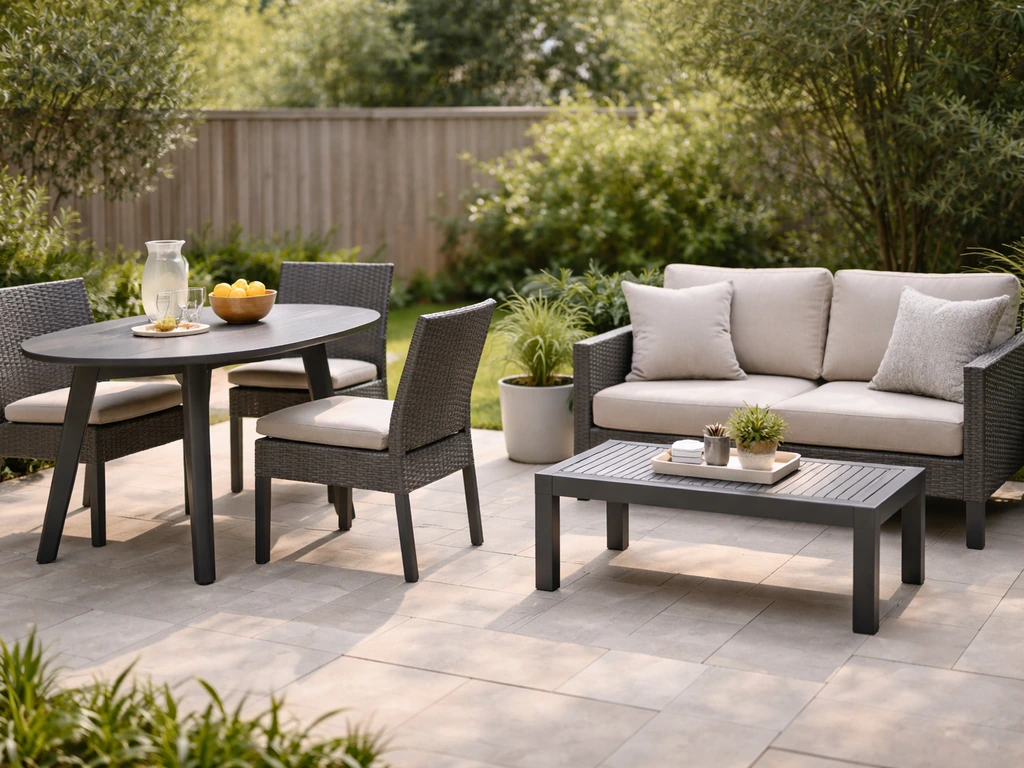
Simply Patio furniture holds up reasonably well for the price, but how it performs against brands like Yardbird, OVE, and even Aldi's seasonal finds depends entirely on what you prioritize: frame longevity, cushion quality, warranty depth, or keeping the credit card happy. This guide cuts through the marketing and gives you honest, structured ratings across each of those dimensions, so whether you're furnishing a 100-square-foot apartment balcony or a full restaurant patio, you'll know exactly what you're buying and what you're giving up.
Simply Patio Furniture Reviews: Top Picks, Brands & Buying Guide

Holly Dawson
29 Jul 2026
Who this guide is for and how to get the most out of it
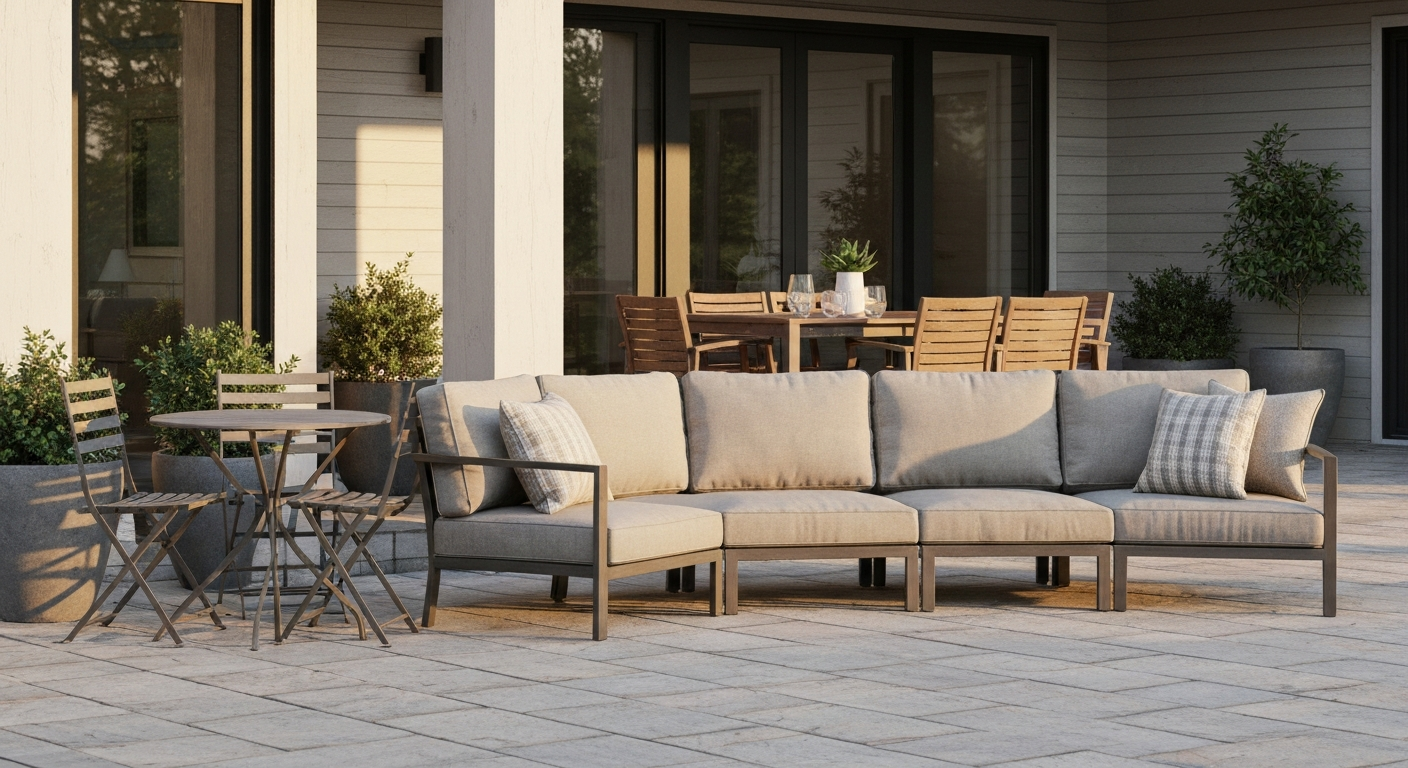
This article is built for homeowners, renters, and small-business buyers who want a straight read on outdoor furniture quality without wading through affiliate-stuffed listicles or brand PR. If you've searched 'simply patio furniture reviews' hoping to find a trustworthy breakdown of what's actually worth your money, this is the resource. For a detailed comparison and hands-on scoring across brands and price tiers, see our article patio furniture review. The first sections deliver fast top picks with clear rationale. The brand mini-reviews go deeper on Yardbird, OVE, TopBuy, and Aldi, including how to interpret older seasonal entries. The buying guide sections that follow cover materials, construction red flags, and layout planning, and they're designed to be useful whether you're buying now or just researching your next season's purchase.
Our top picks
Best overall: Yardbird Passage collection
Yardbird's Passage series is the pick I'd send a friend to without hesitation. The powder-coated aluminum frames are genuinely rust-resistant, the Sunbrella cushion covers are replaceable and hold color through seasons of UV exposure, and the brand's warranty documentation is actually readable and enforceable. It sits at a mid-to-upper-mid price point, which stings up front, but the materials and build justify it when you compare it against similarly priced sets that use lesser-grade welds and cheaper fill.
Best budget: Costway outdoor sets
Costway occupies a specific, useful niche: furniture you don't feel bad about replacing in three to five years. The one-year limited warranty is thin, and some customer feedback on Trustpilot flags delivery and part-quality inconsistencies, but for a covered porch or a dry climate, Costway's PE wicker sets deliver solid value at under $400 for a four-piece. Manage expectations around the cushion foam density and you won't be disappointed.
Best premium: Frontgate Laguna or Edington collections
Frontgate's aluminum and teak collections come with a 10-year structural frame warranty, and that number is meaningful because the company actually publishes the coverage terms clearly on its product pages. The finish quality is noticeably different in person: thicker powder coat, tighter weave on resin wicker, heavier cushion cores. If you're outfitting a permanent outdoor living space and want to buy once, this is the tier where the math on cost-per-year starts to make sense.
Best commercial/restaurant-ready: POLYWOOD commercial-grade HDPE
POLYWOOD's poly-lumber (HDPE) chairs and tables carry a 20-year limited residential warranty and are built to take the abuse a restaurant or hotel patio dishes out daily. HDPE doesn't splinter, rust, or require sealing, and the furniture stacks easily for off-hours storage. The aesthetic is more casual than a fine-dining room wants, but for cafes, breweries, food halls, and resort pools, it's the most defensible commercial choice at a mid-level price point. For detailed comparisons and user reviews of restaurant-ready patio sets, see restaurant patio furniture com reviews.
Best for small spaces: Telescope Casual or equivalent cast-aluminum bistro sets
Two-piece bistro sets in cast or extruded aluminum are the workhorses of small balconies and tight urban patios. A 24-inch round table with two folding or stacking chairs clears about 36 square inches of usable space minimum and can be pushed against a railing when not in use. Telescope Casual's casting quality and finish hold up better than most competitors at this size class, and the stacking function is something you'll actually use if you share your space with rain covers or building management rules.
Best swings and covers: Sunnydaze Decor swings, Classic Accessories covers
For freestanding porch swings, Sunnydaze Decor offers a decent balance of steel frame stability and cushion quality in the $300 to $500 range. On covers, Classic Accessories' Ravenna and Veranda lines use a solution-dyed polyester with a PVC backing that consistently outperforms cheaper single-layer covers in independent testing for waterproofing and UV resistance. Both are available at major retailers with straightforward return windows.
Top picks at a glance: scorecard
Scores below are on a 1-to-5 scale. Performance reflects comfort and real-world usability. Durability reflects frame and fabric longevity under standard outdoor exposure. Value reflects price-to-quality ratio within the tier. Aesthetics reflects design range and finish quality. Warranty reflects coverage length and clarity of terms. Assembly reflects ease of setup based on instruction quality and part count.
| Brand / Pick | Performance | Durability | Value | Aesthetics | Warranty | Assembly |
|---|---|---|---|---|---|---|
| Yardbird Passage (Best Overall) | 4.7 | 4.6 | 4.2 | 4.5 | 4.4 | 4.0 |
| Costway 4-Piece Wicker (Best Budget) | 3.5 | 3.2 | 4.6 | 3.4 | 2.8 | 3.6 |
| Frontgate Laguna/Edington (Best Premium) | 4.9 | 4.9 | 3.8 | 4.9 | 5.0 | 4.2 |
| POLYWOOD Commercial HDPE (Best Commercial) | 4.3 | 5.0 | 4.4 | 3.6 | 5.0 | 4.8 |
| Telescope Casual Bistro (Best Small Space) | 4.2 | 4.4 | 4.0 | 4.1 | 4.0 | 4.7 |
| Sunnydaze Decor Swing (Best Swing) | 4.0 | 3.8 | 4.2 | 3.8 | 3.5 | 3.4 |
| Classic Accessories Ravenna (Best Cover) | 4.5 | 4.3 | 4.5 | 4.0 | 3.8 | 5.0 |
How we rate: methodology and score aggregation
Every score in this guide is built from at least three source types: manufacturer specifications (warranty terms, material grades, ASTM-referenced test data where disclosed), third-party editorial reviews from publications like Consumer Reports, Bob Vila, The Spruce, and Good Housekeeping, and aggregated post-purchase user feedback from Trustpilot, Google Reviews, and verified marketplace reviews on Amazon, Wayfair, and Overstock. We weight long-form editorial testing more heavily than star-rating averages because editorial reviewers typically document assembly time, measure actual dimensions, and test the furniture through multiple weather conditions.
Here is what each rating dimension specifically measures. Performance covers ergonomics, seat depth, back support, and how comfortable the piece is for extended use. Durability accounts for frame material, finish type, weld or joint quality, and known failure points identified in user reports and lab testing references such as ASTM B117 salt-spray and ASTM G154 UV-weathering protocols, both cited in BIFMA's 2025 outdoor furniture whitepaper as relevant test standards. Value is assessed relative to competitors at the same price tier, not in absolute dollars. Aesthetics scores design variety, finish consistency, and how the furniture photographs relative to what arrives at the door. Warranty scores both the length of coverage and the clarity and enforceability of the published terms. Assembly scores the quality of instructions, the number of fasteners required, and how frequently customer complaints cite assembly frustration as a negative experience.
One important caveat: marketplace platforms like Trustpilot and Amazon reviews contain incentivized and unverified submissions. We cross-reference rating patterns against volume, recency, and complaint-theme consistency to filter out anomalous spikes. BBB complaint records are a secondary check for brands where warranty enforcement or delivery issues appear repeatedly in user forums. See BBB, TEMU (complaints and message about returns/warranty issues) for consumer complaints documenting recurring issues with returns, delivery, and warranty enforcement on Temu marketplace listings BBB — TEMU (complaints and message about returns/warranty issues).
Brand mini-reviews: Yardbird, OVE, TopBuy, and Aldi
Yardbird
Yardbird has built a strong reputation in the $1,000 to $3,000 outdoor furniture segment by pairing powder-coated aluminum frames with genuine Sunbrella fabric cushions and publishing clear warranty and FAQ documentation on its own site. For more detail, see our dedicated yardbird patio furniture reviews for model-by-model comparisons, long-term user feedback, and photo-documented assembly notes. Sunbrella's solution-dyed acrylic is designed to resist UV fade and mildew, and Glen Raven (the manufacturer) backs it with limited warranties ranging from 5 to 10 years depending on the product line, a meaningful signal of fabric confidence. In practice, Yardbird customers report good cushion longevity and responsive customer service, though a handful of reviews note that assembly hardware occasionally arrives incomplete, a worth-knowing frustration at this price point. Compared to similarly priced competitors, Yardbird's frame-to-cushion quality ratio is among the better values in the mid-premium tier.
- Pros: Genuine Sunbrella fabric, solid powder-coated aluminum frame, transparent warranty terms, wide style range
- Cons: Assembly hardware occasionally missing or inconsistent, price is firmly mid-premium, delivery lead times can stretch during peak season
- Best for: Homeowners making a 7-to-10-year investment in an outdoor living space
OVE Decors
OVE Decors sits in the accessible mid-range and sells heavily through Overstock, Wayfair, and similar platforms. Their patio sets typically list a one-year limited manufacturer warranty, and the product pages on major retailers document materials and dimensions clearly enough for informed comparison. In practice, OVE's wicker sets use PE resin over a steel frame, which is a standard construction for this tier. The steel frame underneath the wicker is the durability variable to watch: without adequate powder coating or galvanizing, steel frames in wicker sets begin to show rust at the feet and welds within two to three seasons in humid or coastal climates. OVE's finishes are adequate for moderate climates but less reliable for high-humidity or seaside use. At the price point (typically $500 to $900 for a four-to-five piece set), OVE represents fair value provided you store or cover the furniture through winter and aren't near salt air. For a deeper look at performance, warranty, and real-user feedback, check out ove patio furniture reviews.
- Pros: Mid-range price, available through major retailers with buyer protections, clear product specs on listing pages
- Cons: Steel underframe vulnerable to rust in coastal/humid climates, one-year warranty is thin for the investment, cushion quality is functional rather than exceptional
- Best for: Buyers in dry or temperate climates who will store furniture seasonally
TopBuy
TopBuy is more of a white-label marketplace brand than a traditional furniture company, which shapes exactly how you should approach buying from them. Their products appear on Wayfair, Walmart, and Best Buy Canada, and warranty terms vary significantly by listing, ranging from 90 days to one year. The material specs documented on individual product pages are your primary source of truth, and those specs need to be read carefully because the same product category (say, a wicker daybed) can show meaningfully different weight limits, frame materials, and shipping weights across listings. For budget buyers comfortable with the variability of marketplace purchasing, TopBuy pieces can deliver acceptable short-term value. For anyone expecting a clear warranty process or consistent quality, the structural ambiguity is a genuine risk. Always verify the seller, warranty terms, and return window on each specific listing before purchasing. For more detailed information and model-by-model comparisons, see our TopBuy patio furniture reviews.
- Pros: Low entry price, available through protected retail platforms (Wayfair, Walmart), some pieces offer solid short-term value
- Cons: Warranty inconsistency across listings, white-label construction makes quality control unpredictable, customer service varies by seller
- Best for: Buyers who treat the purchase as semi-disposable and prioritize short-term budget over long-term durability
Aldi (including how to read older seasonal reviews)
Aldi's patio furniture arrives and disappears through its 'Aldi Finds' program, sold under rotating brand names like Gardenline, SOHL, and Huntington Home. Because Aldi doesn't maintain long-term product pages, reviews from 2019 or earlier exist almost entirely in Reddit's Aldi Finds community threads, personal blogs, and archived forum posts. That 2019 data is still worth reading because Aldi's supplier relationships and product construction tend to repeat across seasons, but you need to treat it as a directional reference rather than a definitive spec sheet. For detailed community impressions, consult an Aldi patio furniture 2019 review in archived Aldi Finds threads and Reddit discussions. A Gardenline wicker set from 2019 reviewed on Reddit tells you something meaningful about the general construction tier and cushion quality you can expect from a similar Aldi wicker offering today, but the specific dimensions, colors, and pricing will differ. For a focused comparison and up-to-date user feedback on recent Aldi offerings, see our aldi patio set review.
The pattern across Aldi patio reviews, including historical threads and more recent community posts, is consistent: the value-per-dollar is genuinely strong for covered or semi-sheltered use, the cushions are thin by premium standards, and the frames (typically steel or tubular aluminum) show wear sooner than you'd like if left fully exposed year-round. Assembly is generally straightforward. If you catch an Aldi patio set on release day, it's a solid buy for a covered porch or seasonal balcony. If you're outfitting a permanent outdoor room, look at the tier above.
- Pros: Exceptional price-to-quality ratio within its tier, available in-store so you can inspect before buying, fast sell-through signals strong community validation
- Cons: No sustained product support, warranty limited and hard to enforce post-sale, specs and availability are entirely seasonal
- Best for: Budget-conscious buyers with covered patios and a willingness to replace every few years
Materials guide: what you're actually sitting on
Aluminum
Powder-coated aluminum is the best all-around frame material for most buyers. It doesn't rust, it's light enough to move easily, and good powder coating resists chipping and UV degradation for years. Cast aluminum is heavier and more ornate; extruded aluminum is lighter and more modern. Both hold up well in coastal and humid climates. The variable is coating quality: cheap powder coat chips within a season; properly applied and cured finish should survive over a decade. Look for a coating thickness stated in manufacturer specs and any reference to ASTM B117 salt-spray testing, especially if you're near the coast.
Steel
Steel is heavier than aluminum and cheaper to produce, which is why it appears frequently in budget and mid-range sets. Galvanized or powder-coated steel resists rust adequately in dry inland climates. In humid or coastal environments, steel underframes on wicker sets are a known failure point: moisture reaches the metal through gaps in the weave and starts corrosion at welds and feet. If you're in Florida, the Gulf Coast, or anywhere with sustained humidity and salt air, prioritize aluminum frames over steel, even if it means spending more.
Teak and eucalyptus
Teak is the gold standard for outdoor hardwood: its natural oils resist rot, insects, and weather with minimal maintenance. Grade A teak (from the heartwood, tight grain, uniform color) is expensive and commands premium prices at Frontgate, Pottery Barn, and West Elm. Eucalyptus is a legitimate FSC-certified alternative that performs similarly for less money, though it requires periodic oiling to maintain appearance and resist drying in low-humidity climates. Both materials silver naturally over time without oiling; that's an aesthetic preference, not a structural problem. Expected lifespan for quality teak with basic care is 20-plus years outdoors.
Wicker and resin
Natural wicker is beautiful and terrible for outdoor use: it dries, cracks, and mildews. Nearly all modern 'outdoor wicker' is PE (polyethylene) resin woven over a metal frame, which is the right construction for outdoor use. Better PE resin is UV-stabilized and thicker, and it will feel stiffer and more substantial in your hand. Cheap PE wicker is thinner, brittle at temperature extremes, and fades faster. The frame underneath (aluminum vs. steel, as discussed) is often the longer-term durability constraint.
HDPE poly lumber
High-density polyethylene lumber (as used by POLYWOOD) is made primarily from recycled milk jugs and similar HDPE plastics, and it's one of the most genuinely low-maintenance outdoor materials available. POLYWOOD backs its lumber with a 20-year limited residential warranty, which is one of the most meaningful manufacturer commitments in the outdoor furniture space. HDPE doesn't splinter, absorb moisture, rot, or need sealing. The limitation is aesthetic: it reads as casual or utilitarian, which is perfect for commercial patios, poolside, and family decks but less suited to formal entertaining spaces.
Fabrics and cushion fills
Cushion fabric is where outdoor furniture sets succeed or fail in year two. Solution-dyed acrylic (Sunbrella being the benchmark brand) resists UV fade and mildew because the color is embedded in the fiber rather than applied as a surface dye, and it's been tested under ASTM G154 UV-weathering protocols that simulate years of sun exposure in accelerated timeframes. For an overview of ASTM G154 fluorescent UV exposure testing and how vendors apply it to fabrics and plastics, see the UV Weathering / ASTM G154 overview (test-equipment vendor resource). Polyester and olefin fabrics are cheaper and widely used at budget-to-mid-range price points; they fade faster and are more susceptible to mildew without regular cleaning. For cushion fill, quick-dry foam (open-cell or reticulated foam cores) is significantly better than closed-cell foam in wet climates because it allows water to drain and the cushion to dry rather than staying saturated. Any listing that doesn't specify the fill type is almost certainly using the cheaper version.
| Material | Rust/Rot Resistance | UV Resistance | Maintenance Level | Typical Lifespan | Best Climate Fit |
|---|---|---|---|---|---|
| Powder-coated aluminum | Excellent | Good-Excellent | Low | 15-25 years | All climates including coastal |
| Powder-coated steel | Moderate | Good | Low-Medium | 5-12 years | Dry inland climates |
| Grade A teak | Excellent | Excellent | Low-Medium | 20+ years | All climates |
| Eucalyptus | Good | Good | Medium | 10-15 years | Most climates; oil in dry regions |
| PE resin wicker (over aluminum) | Good-Excellent | Good | Low | 8-15 years | Most climates |
| PE resin wicker (over steel) | Moderate | Good | Medium | 5-10 years | Dry/temperate climates |
| HDPE poly lumber | Excellent | Excellent | Very Low | 20+ years | All climates, ideal commercial |
| Sunbrella acrylic fabric | Excellent (mildew) | Excellent | Low | 10+ years | All climates |
| Polyester/olefin fabric | Moderate | Moderate | Medium | 3-6 years | Covered/temperate only |
Construction cues: what separates a quality build from a pretty photo
The single most reliable indicator of outdoor furniture quality is weld or joint execution. On metal frames, look at every junction point: a clean, consistent weld bead that's been ground smooth and fully powder-coated (no bare metal at the edges) tells you the manufacturer invested in both fabrication and finishing. A rough, visible slag line or bare metal spot at a weld is where corrosion starts, and it starts fast. On furniture you can inspect in person, run your fingers across every joint. On online purchases, request close-up photos of welds specifically, or look for editorial reviews that photograph joints rather than just finished lifestyle shots.
Fasteners matter more than most buyers realize. Stainless steel or marine-grade hardware stays rust-free; zinc-plated or uncoated steel screws and bolts will rust and seize, making future disassembly difficult and leaving stain tracks on frames. Budget furniture almost universally uses cheaper fasteners as a cost-cutting measure. You can upgrade fasteners yourself (a $20 bag of stainless bolts from a hardware store), which is actually one of the best maintenance moves you can make on a mid-range set at the time of assembly.
For sling and strap chairs, look at the attachment hardware: plastic or nylon snap connections fail under UV exposure within a few seasons, while aluminum or stainless rivets hold much longer. For suspension systems on swings, verify the rated weight capacity accounts for dynamic load (swinging motion adds momentary force well above static weight), and check that chain or rope connections use carabiners or swivel hooks rated to at least double the stated capacity.
- Frames: Aluminum over steel for coastal/humid climates; check wall thickness on tubular sections (thicker = more rigid)
- Welds and joints: Smooth, fully coated welds signal quality; bare metal or rough slag at joints signals budget shortcuts
- Fasteners: Stainless or marine-grade hardware resists rust and seizing; zinc-coated hardware is a compromise you'll notice in year two
- Slat spacing on dining and lounge pieces: Consistent, even spacing indicates better manufacturing tolerances
- Foot caps and glides: Plastic feet trap moisture against metal frames; rubber glides or adjustable leveling feet are a quality marker
- Suspension systems on swings: Rated dynamic weight capacity matters; verify chain/rope and hook ratings independently
Sizing, layout planning, and making the most of small spaces
Before you order anything, measure your usable patio area twice and mark out the furniture footprint with tape on the ground. A common and expensive mistake is buying a dining set sized for the room photo on the product page without accounting for chair pull-out clearance: you need at least 36 inches behind each pulled-out chair for comfortable movement, which means a six-person dining table with chairs on all sides typically requires a minimum patio area of roughly 12 by 12 feet. A four-person set drops that to about 10 by 10 feet. If your space is smaller than that, a round bistro table with two chairs and a small loveseat or bench opens more flow than a matched sectional ever will.
For small patios and balconies specifically, the most functional approach is layered multifunctional furniture: a folding or stackable bistro set, a narrow side table that doubles as a planter stand, and a compact loveseat with removable cushions that can be stored inside during off-season. Avoid deep sectionals on tight spaces; the visual mass crowds the area and the pieces are heavy to move for cleaning or reconfigurations. Vertical elements (a tall planter, a wall-mounted shelf) draw the eye up and make a small patio feel more intentional.
Porch swings require more planning than most buyers expect. A standard two-person porch swing needs a ceiling or beam height of at least 8 feet, a clearance of 14 to 20 inches between the back of the swing and the wall behind it, and a minimum of 2 feet of clearance on each side. Freestanding swing frames solve the ceiling-mount problem but require more footprint (typically 7 to 9 feet long) and harder ground or a patio pad for stability. If you're adding a swing to a small space, a hanging egg chair or single-person hanging chair uses a much tighter footprint and can hang from a single ceiling mount or freestanding bracket.
- Measure the patio area and mark furniture footprints with painter's tape before ordering anything
- Account for chair pull-out clearance (36 inches minimum behind chairs) in dining layout planning
- On balconies under 80 square feet, prioritize folding, stacking, or wall-mounted pieces over full sets
- For swings, verify ceiling height (8 feet minimum), rear clearance (14-20 inches), and structural attachment point rated for dynamic load
- Use furniture covers sized to the piece, not generic covers; ill-fitting covers trap moisture against frames in wet climates
- Separate cushion storage (indoors or in a deck box) extends cushion life dramatically, regardless of fabric grade
How to choose by price tier and use case
Budget buyers (under $500 for a set) should target covered patios, seasonal use, and dry climates. Costway, Aldi's Gardenline/Huntington Home seasonal finds, and entry-level Wayfair sets offer real value here. Expect to replace cushions or the whole set within four to six years. Mid-range buyers ($500 to $1,500) have the widest selection and the most variable quality: this is where brand differentiation matters most. OVE Decors, mid-tier Yardbird, and Telescope Casual all live here, and the spread in actual build quality is larger than the spread in price. Read editorial reviews and look hard at frame and fastener specs before committing. Premium buyers ($1,500 and up) should expect long warranties (10 years or more on frames), premium fabric options like Sunbrella, and furniture that appreciates in appearance rather than deteriorating. Frontgate, top-tier Yardbird, Pottery Barn Outdoor, and West Elm are the names to compare at this level. Commercial buyers should evaluate HDPE poly lumber and heavy-gauge powder-coated aluminum as the two most defensible material choices for high-traffic outdoor use.
| Price Tier | Typical Budget | Best Materials | Expected Lifespan | Best Use Case | Representative Brands |
|---|---|---|---|---|---|
| Budget | Under $500/set | PE wicker over steel, powder-coated steel | 3-6 years | Covered porch, seasonal, dry climate | Costway, Aldi Finds, Temu (with caution) |
| Mid-range | $500-$1,500 | PE wicker over aluminum, extruded aluminum | 7-12 years | Semi-permanent patio, moderate climate | OVE Decors, TopBuy (select), mid-tier Yardbird |
| Premium | $1,500-$4,000+ | Teak, cast aluminum, Sunbrella fabric | 15-25+ years | Permanent outdoor room, all climates | Yardbird, Frontgate, Pottery Barn, West Elm |
| Commercial | Varies by volume | HDPE poly lumber, heavy-gauge aluminum | 20+ years | Restaurant, hotel, resort, high-traffic | POLYWOOD, Telescope Casual, Grosfillex |
A few honest final thoughts
The best patio furniture is the set that fits your actual climate, space, and maintenance tolerance, not the one with the most impressive lifestyle photography. For a detailed comparison and buying guide, see our best patio furniture review. If you're in a humid coastal region, aluminum and HDPE are worth every extra dollar over steel-framed alternatives. If you have a covered, shaded porch in a temperate climate, Aldi's seasonal finds and mid-range PE wicker sets offer more value than the premium tier can justify. The brands reviewed here, whether Yardbird with its strong warranty documentation, OVE with its accessible mid-range positioning, TopBuy with its marketplace variability, or Aldi with its seasonal-only availability, all have a legitimate place in someone's buying decision. The key is matching the brand's real-world performance profile to your specific situation rather than buying based on brand name or price tag alone.
FAQ
Which industry standards and lab tests should we consult or run to evaluate outdoor/patio furniture performance?
Primary standards: BIFMA Outdoor Furniture Whitepaper (OF‑2025) for overall test guidance and pass/fail framing; ASTM B117 (salt spray) for accelerated corrosion of metal finishes; ASTM G154 (fluorescent UV exposure) for accelerated UV/weathering of fabrics and coatings. Secondary/related protocols: ISO 9227 (alternative salt spray), relevant ASTM textile standards for colorfastness and mildew. Action: cite the standard documents, describe test parameters (hours/cycles, acceptance thresholds), and either run tests at an accredited lab or report results from third‑party labs/vendors that publish data.
What primary manufacturer and brand sources are required to verify specs, warranties and materials?
Gather manufacturer product pages and official warranty documents for each brand/model (example sources: Yardbird warranty/FAQ pages, Frontgate product pages showing 10‑year frame warranties, POLYWOOD materials/warranty pages, Sunbrella fabric pages). For white‑label/marketplace brands (TopBuy, Temu sellers), capture seller listing pages and contact sellers for written warranty terms. Action: archive product pages (screenshots/Wayback), record exact warranty language, and note any differences between retail-sold and manufacturer-direct listings.
Which retail and marketplace sources should we scrape or snapshot for up-to-date pricing, specs and customer Q&A?
Snapshot product pages on major retailers and marketplaces: Amazon, Wayfair, Overstock, Home Depot, Lowe’s, Wayfair listings (TopBuy), Overstock (OVE Decors), retailer product pages for Costway, etc. Use price-history tools (CamelCamelCamel for Amazon) when available. Record dimensions, weight limits, materials lists, SKU differences, and retailer-specific return/warranty windows. Action: save timestamps/URLs, compare cross-retailer specs to identify white‑label variations.
How should we use independent testing and editorial sources to validate performance and inform methodology?
Reference independent labs and testing organizations (Consumer Reports for lab testing & buying guidance; accredited test labs that run ASTM/ISO protocols). Use home‑publication reviews (BobVila, The Spruce, Good Housekeeping) for hands‑on assembly, ergonomics and aesthetic notes. Action: synthesize lab test results with hands‑on reviews; when relying on third‑party tests, cite test date, scope and lab accreditation.
What role do user reviews and complaint databases play, and how do we evaluate their reliability?
Use large-sample consumer feedback sources (Trustpilot, Google Reviews, Amazon reviews, BBB complaints, Reddit threads) to identify recurring failure modes (corrosion, split welds, cushion mildew, delivery/warranty friction). Vet reliability by: (1) looking for recurring, independently corroborated complaints; (2) filtering out likely fake/rewarded reviews (patterned language, sudden spikes); (3) cross‑checking with dated photos and repair attempts. Action: quantify common complaint themes and cite representative verified examples.
How do we handle seasonal/episodic brands like Aldi and marketplace sellers like Temu when historical documentation is sparse?
For Aldi 'Aldi Finds' or similar limited‑run items: compile community archives (Reddit Aldi Finds threads, blog posts, forum reviews), local sales flyers, and occasional third‑party writeups. For Temu and similar marketplaces: capture seller listings, order/test sample units where feasible, and gather post‑purchase reliability reports from complaint platforms. Action: disclose the limits of archival data, avoid definitive longevity claims for episodic products, and label such mini‑reviews as 'seasonal/limited documentation.'
Next Article
Ove Patio Furniture Reviews: Best Sets and What to Buy
Ove patio furniture reviews with unbiased tips on best sets, materials, comfort, durability, weather resistance, and val