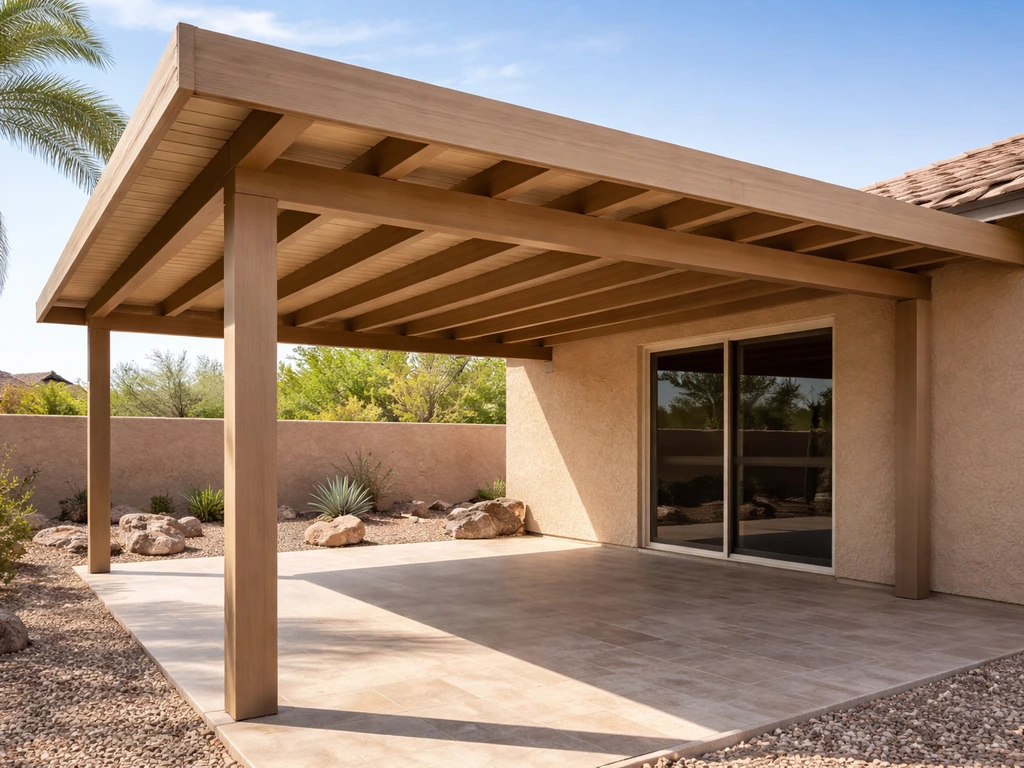
Equinox patio covers are motorized, louvered aluminum roof systems built to give you real control over sun, shade, and rain on your patio. When the louvers close, they interlock and channel water into integrated perimeter gutters that drain down the posts, creating what Equinox markets as a watertight roof. They're engineered products, not simple shade sails or polycarbonate panel kits, and they sit firmly in the premium tier of outdoor structure pricing. If you're researching Equinox because you want a set-it-and-adjust-it solution that handles four-season weather without you lugging a cover out of storage, that's exactly what these systems are designed to do. The honest caveat: the experience you get depends heavily on the installer you choose, and the warranty has more layers to it than the headline number suggests. Equinox's warranty overview booklet states that Equinox Louvered Roof Systems are backed by a blank" rel="noopener noreferrer">20-year limited warranty. Louvers and support components are warranted for 10 years from installation for defects in materials and workmanship under normal use, while power components are warranted for 3 years with batteries excluded and the warranty not transferable the warranty has more layers to it than the headline number suggests..
Equinox Patio Covers Reviews: Best Options and Buyer Guide

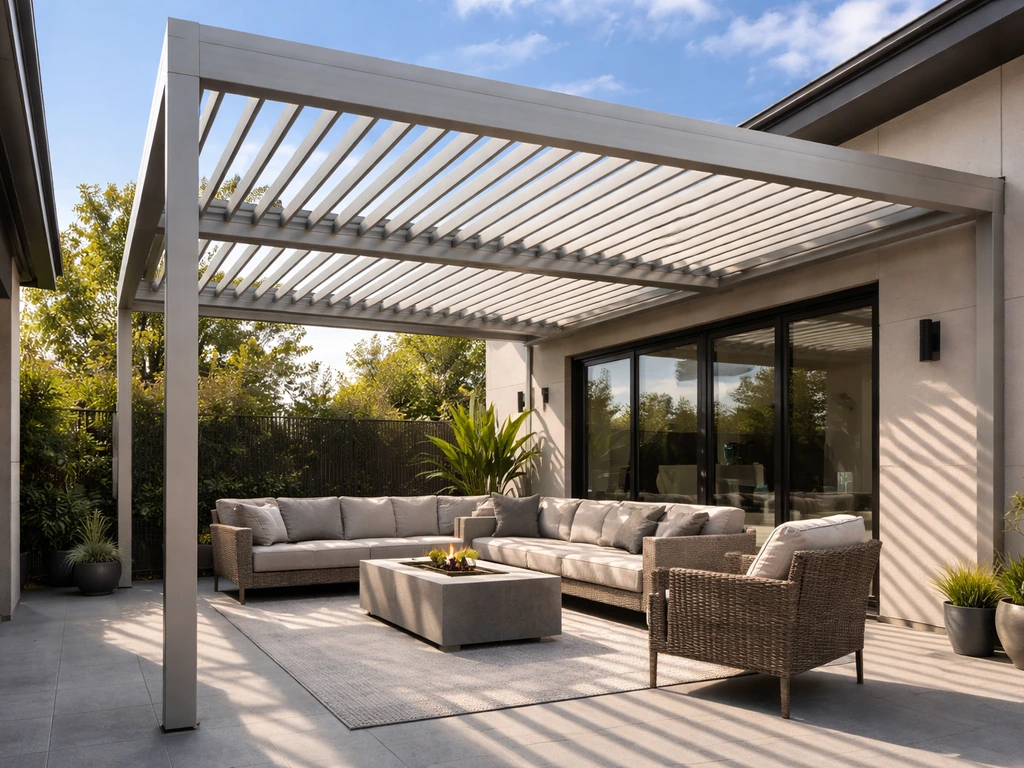
What an Equinox patio cover actually includes (and what to verify)
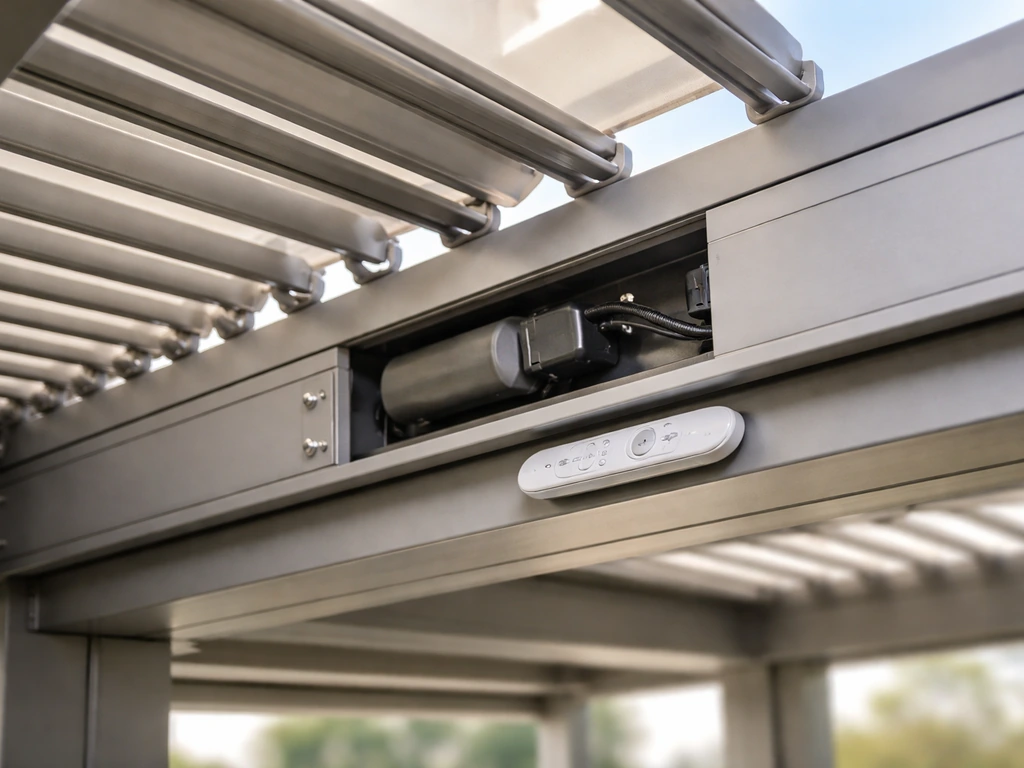
The core Equinox product is the Equinox Louvered Roof System, a fully engineered aluminum structure with motorized rotating blades (louvers) that you control via remote. The system ships as a kit with structural beams, posts, gutters, louver blades, a motor, link bar, actuator, electronic controls, and a remote. That's the full package. What it does not include is site-specific engineering, permits, concrete footings, wall ledger hardware customized to your home, or labor. All of that is handled by your dealer or installer.
Before you assume a quote covers everything, verify exactly what's in the scope. A common frustration from buyers is the gap between the system price and the fully installed price once permits, footings, and wall attachment work are added. Also confirm the louver orientation options being offered for your specific layout. Equinox installation guidance includes specific recommendations (such as orienting closing direction toward the east or south for optimal light control), and a good installer will walk you through that at the design stage, not after the concrete is poured.
- Confirm the quote is for a fully installed system, including footings, permits, and wall attachment hardware
- Ask which color/finish options are available and whether custom RAL colors carry a lead-time premium
- Verify whether the system needs to attach to your home's structure or can stand free (this affects permitting and load requirements)
- Clarify what control options come standard: basic remote, wall switch, smartphone app, or smart-home integration
- Ask if the quoted system includes a wind sensor or rain sensor, as those are sometimes optional add-ons
Materials, construction, and build quality: what the reviews actually say
Equinox builds the entire structural system from 100% extruded aluminum. That's important because extruded aluminum is dimensionally consistent, resists rust inherently, and holds tight tolerances for moving parts like the louver blades. Compared to the roll-formed or welded aluminum you'd see in budget patio cover kits from retailers like Costway, the extruded construction genuinely does perform better over time, particularly for anything with moving components that need to align correctly year after year.
The powder-coat finish is the one material area where Equinox gets consistent scrutiny in reviews. Powder-coat on aluminum is durable, but it is not immune to chalking, fading, or black streaking from environmental runoff. Equinox's own warranty card explicitly calls out black streaking on beams and louvers as a known phenomenon and excludes it from warranty coverage under normal weathering. That's not a defect, it's a material reality of aluminum outdoor structures, but it's worth setting expectations around. If you're in a high-humidity coastal area or under significant tree canopy, plan to rinse the structure a few times a year. If you're comparing options, reading evergreen patio fire pit reviews can help you understand how these outdoor setups perform season after season.
The motor and control hardware are the other build-quality theme that comes up repeatedly. The motor, solar panel, link bar, and electronic controls are the components most likely to need attention over the life of the system. Equinox warranties these separately (more on that in the warranty section below), which is an implicit acknowledgment that they operate on a different lifespan expectation than the aluminum frame. Buyers who have had smooth experiences consistently credit careful motor programming during installation. The Equinox installation manual (EQU-024) includes specific steps for programming remote channels and verifying actuator direction, and skipping or rushing those steps is where motor issues tend to originate.
How Equinox handles sun, rain, wind, and snow
Sun and shade
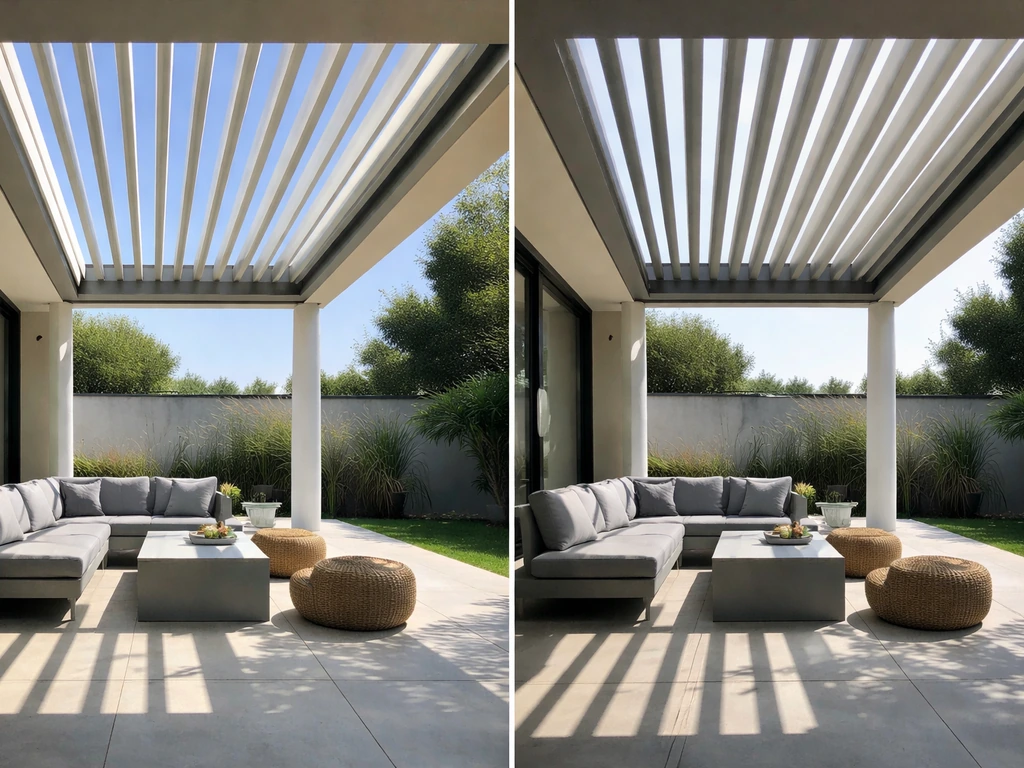
This is where the louvered system genuinely shines over fixed patio covers. You can go from fully open (letting in sky and airflow) to angled positions that block direct sun while maintaining ventilation, to fully closed for solid shade. The motorized operation means you can adjust mid-meal as the sun moves without getting up. Fixed polycarbonate or solid aluminum covers can't do any of that, and pergola-style covers with fabric inserts require manual effort. If sun control flexibility is your primary reason for looking at this category, Equinox delivers.
Rain performance
When closed, the louver blades interlock and direct water into hidden perimeter gutters that drain down through the posts. In practice, this works well in moderate to heavy rain for keeping the patio space dry. The important nuance: Equinox's own warranty explicitly states that louvers are not guaranteed to be weather-tight, and dealer guidance notes that hard rain hitting porous or stucco walls at the point where the system attaches can still allow some water infiltration near the perimeter. The system manages rain well in the open field of the covered area; the connection points to your house wall are the vulnerability, and that's largely an installation quality issue rather than a product defect.
Wind behavior
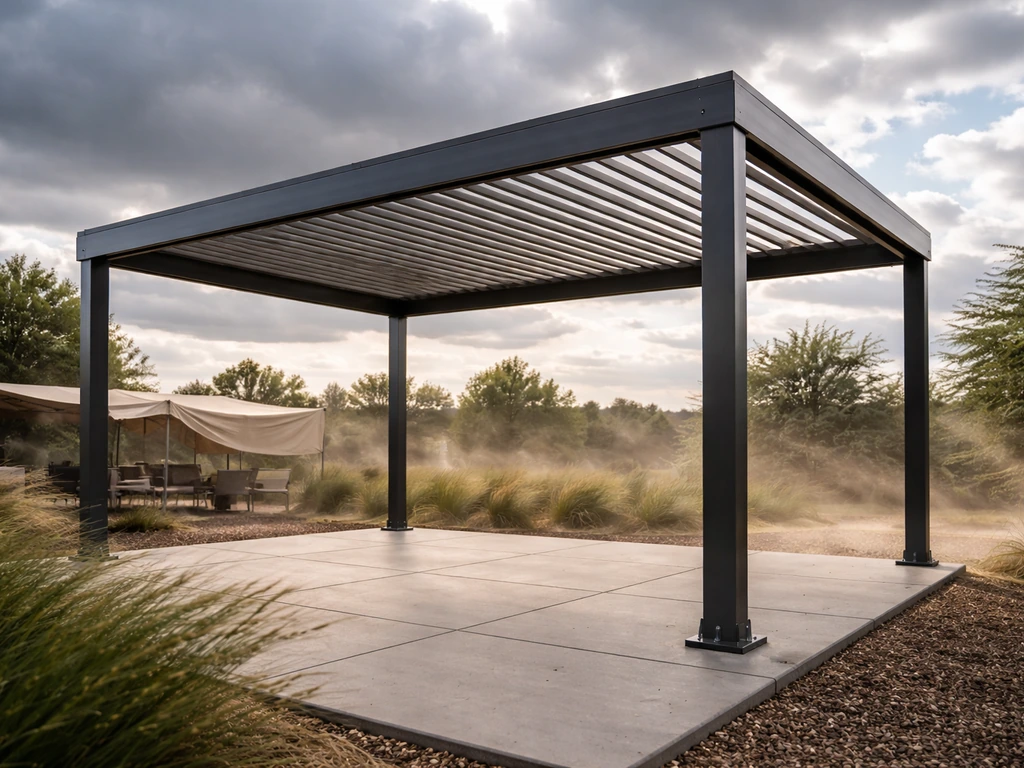
Louvered aluminum systems are generally better in wind than fabric pergola covers or polycarbonate panels because aluminum doesn't flex, flap, or delaminate. Equinox systems are engineered structures, so they're designed to meet load requirements, but actual wind ratings vary by configuration, span, and local building code. In high-wind zones, you'll want to confirm the engineer-stamped drawings for your specific layout cover the wind speeds common in your area. Optional wind sensors that automatically close louvers when wind picks up are worth considering if you're in a reliably breezy climate.
Snow and cold climates
Snow load is the question buyers in northern climates should ask directly and specifically. The system's ability to handle snow depends on your specific configuration's structural engineering, not a generic product rating. Equinox as a system can be engineered for snow load, but you need the engineer's calculations for your actual structure to confirm this. If you're in a climate that regularly sees heavy snowfall, get that documentation before signing anything.
Long-term durability outlook
Extruded aluminum doesn't rust and doesn't rot, so the structural frame has a realistic lifespan measured in decades if it was installed correctly. The motor and controls are the components most likely to need replacement over a 15-20 year ownership period, which is why tracking those separately from the structural warranty matters. Buyers who report the best long-term experiences tend to be those who did a thorough cleaning and inspection annually and had a responsive local dealer to call if the motor or remote developed issues.
Installation: what the process actually looks like and where things go wrong
Equinox louvered roof kits are not DIY products. Dealer guidance is consistent and explicit on this: the system is designed for experienced trade installers. The installation involves structural framing, motorized moving components, a drainage system, electrical/control wiring, and in most jurisdictions, permits and inspections. Equinox publishes a detailed installation manual (EQU-024) that includes motor programming, actuator direction verification, and remote channel steps. That's not a document you hand to a general handyman and expect a smooth result.
Where installation issues show up in reviews: motor programming errors that cause louvers to bind or not fully close, perimeter flashing or wall attachment done without proper weatherproofing, and post footings that weren't deep or wide enough for the local frost line or soil condition. These aren't design flaws in the Equinox system; they're installer execution issues. But because the system is sold through a dealer network, the dealer's installation quality directly determines whether your review is five stars or a service nightmare. If you are looking for weatherwood patio cover reviews, compare how different materials, finishes, and installer practices perform in the same real-world conditions. This is the most important variable in the whole purchase decision, and it's one most buyers underweight when they focus only on comparing product specs.
A practical way to vet an installer: ask for references from projects completed at least two years ago (not last month), and specifically ask those references about how the dealer handled any post-installation issues. A louvered roof system that's worked perfectly since day one is easy to be happy with. You learn a dealer's real quality in how they respond when something needs adjustment.
Equinox pros, cons, and honest value assessment
| What Equinox does well | Where it falls short or requires caution |
|---|---|
| 100% extruded aluminum frame resists rust and warping long-term | Premium pricing: typically 15-30% above mid-market louvered alternatives |
| Motorized louver adjustment gives genuine, effortless sun/shade/airflow control | Motor and electronic components have a shorter warranty life (3 years) than the frame |
| Integrated gutter system manages rain effectively in the covered area | Louvers are not warranted to be fully weather-tight; wall attachment points are a weak spot |
| 20-year headline warranty (with important tier distinctions underneath) | Warranty is not transferable, which can affect resale value or contractor relationships |
| Engineered system with published installation documentation and load engineering | Not a DIY product; installer quality is the dominant variable in real-world outcomes |
| Low ongoing maintenance for the aluminum structure itself | Black streaking and powder-coat weathering are excluded from warranty coverage |
| Adjustable louver orientation options allow fine-tuned light and privacy control | Permitting, footings, and wall attachment add cost and complexity not always reflected in initial quotes |
On value: Equinox sits at the premium end of the louvered patio cover market. If your alternative is a fabric-insert pergola kit from a mid-market retailer or a basic polycarbonate panel cover, the comparison isn't really apples to apples. Equinox is a motorized architectural system; those are shade accessories. The more relevant comparison is against other engineered louvered roof systems. Brands like StruXure come up in the same conversations, and buyer experiences in those comparisons consistently come back to installer relationship quality and local dealer service support rather than product feature differences. If you're also considering fixed-panel alternatives, brands like Timberline patio covers or Crown patio covers offer solid constructed options at lower price points, though without the motorized adjustability that's Equinox's core differentiator.
Before you buy: the practical checklist
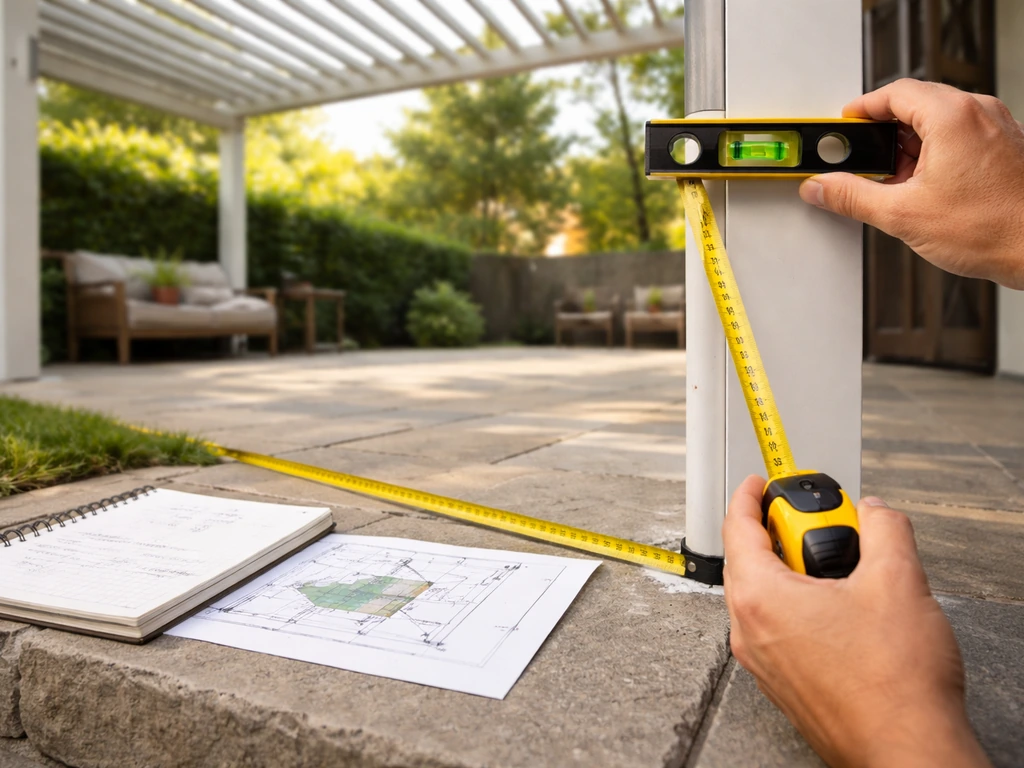
Run through this before you sign a contract or put down a deposit. These are the specific things that create buyer regret when they're skipped. If you want to compare outcomes before committing, you can also look at crown patio covers reviews for how other patio cover buyers describe real-world installation and performance tradeoffs.
- Measure your actual patio dimensions carefully, including overhead clearances and any roofline obstructions; confirm the quoted system dimensions match with at least a few inches of margin
- Verify whether your planned attachment point is structural (a ledger into framing, not stucco over foam) and that your installer accounts for weatherproofing at that junction
- Ask your installer for permit documentation specific to your project before work begins, not as an afterthought
- Get the engineer-stamped drawings that confirm wind and snow load ratings for your specific configuration and local code requirements
- Read the full warranty terms, not just the headline number: understand the 10-year structural vs 3-year power component split, confirm batteries are excluded, and note that the warranty is non-transferable
- Ask your dealer directly what the process is if the motor or controls need service after year three, including parts availability and typical repair costs
- Request two-plus-year-old installer references and ask those homeowners specifically about any post-installation service calls
- Confirm whether optional sensors (wind, rain) are included or add-ons, and whether smart-home integration is available for your control ecosystem
- Account for the full installed cost in your budget: system, permits, footings, wall attachment, electrical if needed, and any landscaping or concrete work displaced by post placement
- Plan a basic annual maintenance routine: rinse the frame and gutters, inspect the motor housing, check louver blade alignment, and note any early signs of streaking or finish wear before they become larger issues
If you're still narrowing down whether a premium motorized louvered system is the right direction at all, it's worth comparing against other patio cover categories. Fixed louvered or solid aluminum covers like those from brands in the Timberline or Crown patio cover space offer structural durability at a lower investment, though you give up the adjustability. Flex-style pergola systems offer more design flexibility but less weather protection. Equinox makes the most sense when weather control versatility and a long-term installed structure (rather than a furniture-grade accessory) are what you actually need.
FAQ
How do I confirm whether an Equinox quote is likely to include the full installation scope, not just the roof kit?
Ask the dealer for a written breakdown that separately lists site engineering, permit handling, concrete footings or anchoring method, wall ledger hardware, electrical connection details (hardwire vs. solar components), and labor for wiring, motor programming, and final louver calibration. If those items are missing or only described vaguely, the “system price” will almost always be followed by change orders.
Are Equinox louvers actually watertight in heavy rain, or should I plan for some seepage at the wall connection?
Plan for the possibility of minor infiltration near the perimeter where the system attaches to your home, especially during hard rain that drives sideways toward stucco or porous wall surfaces. Even if the main covered area stays dry, request a specific plan for flashing, sealants, and water management at the wall interface, since warranty language may not cover wall-connection leakage.
What louver orientation should I request for my patio, and why does it matter?
Request the dealer to review your actual sun path and layout and then state the louver closing direction they are using for light control, including whether the closing direction aims toward east or south in your case. Orientation affects glare reduction, heat buildup, and how effectively the louvers block direct sun while keeping ventilation.
Which components are most likely to need service first, motor, controls, or the aluminum frame?
The aluminum frame is typically the long-life element, while the motor, link bar, electronic controls, and related hardware are the parts most likely to need replacement or adjustment over a 15 to 20 year period. When comparing dealer quotes, ask who covers labor for motor or actuator troubleshooting, not just the parts warranty.
How can I prevent motor or louver binding problems that show up in reviews?
During installation, confirm that the installer follows remote channel programming and actuator direction verification steps from the manual, then test open-close travel limits multiple times before final payment. Ask for a demonstration that the louvers fully close without rubbing, and schedule a follow-up adjustment if any binding is detected during the first week of use.
What wind and snow documentation should I ask the dealer to provide before buying in a high-wind or snow-heavy area?
Ask for engineer-stamped drawings or calculations that match your specific configuration, span, and local code loads. Do not rely on a generic product rating, and request confirmation of the design wind speed and snow load values relevant to your address, including any recommended upgrades like automatic wind-sensor closure if offered.
How do powder-coat issues like black streaking affect the real-world warranty and upkeep?
If black streaking occurs on beams and louvers, it may be treated as normal weathering and excluded from warranty coverage, so plan routine rinsing rather than expecting a finish replacement. If you live near coastlines, under trees, or in humid areas, tell your dealer and ask whether they recommend specific maintenance intervals for preventing chalking and streaking.
Can I use Equinox with my existing patio foundation, or will I likely need new footings?
Most systems require site-specific anchoring and footings based on soil conditions and local frost depth, so existing supports may not be acceptable. Ask the installer to identify whether they will use new engineered footings, retrofit to existing concrete, or require site testing, and ensure that the quote explicitly includes any footing or footing adjustment work.
What should I ask references when vetting an installer for Equinox patio covers reviews?
Ask references about post-install response time, how issues were diagnosed (especially motor or drainage-related problems), and whether their system needed reprogramming or alignment adjustments within the first months. Also ask what they experienced during rainy conditions and whether the wall attachment held up without additional water management work.
Is it safe to treat Equinox like a DIY-friendly kit if I have experience with metal structures?
Not in general. The installation involves structural framing, moving louver components, drainage design, and electrical/control wiring plus permits in many areas. If you hire a contractor, confirm they are experienced with motorized engineered roof systems and that they plan to fully test louver travel, drainage flow paths, and remote operation before sign-off.
Weatherwood Patio Cover Reviews: Buyer Guide for 2026
Weatherwood patio cover reviews and 2026 buyer guide on quality, fit, install tips, weather durability, and value vs alt