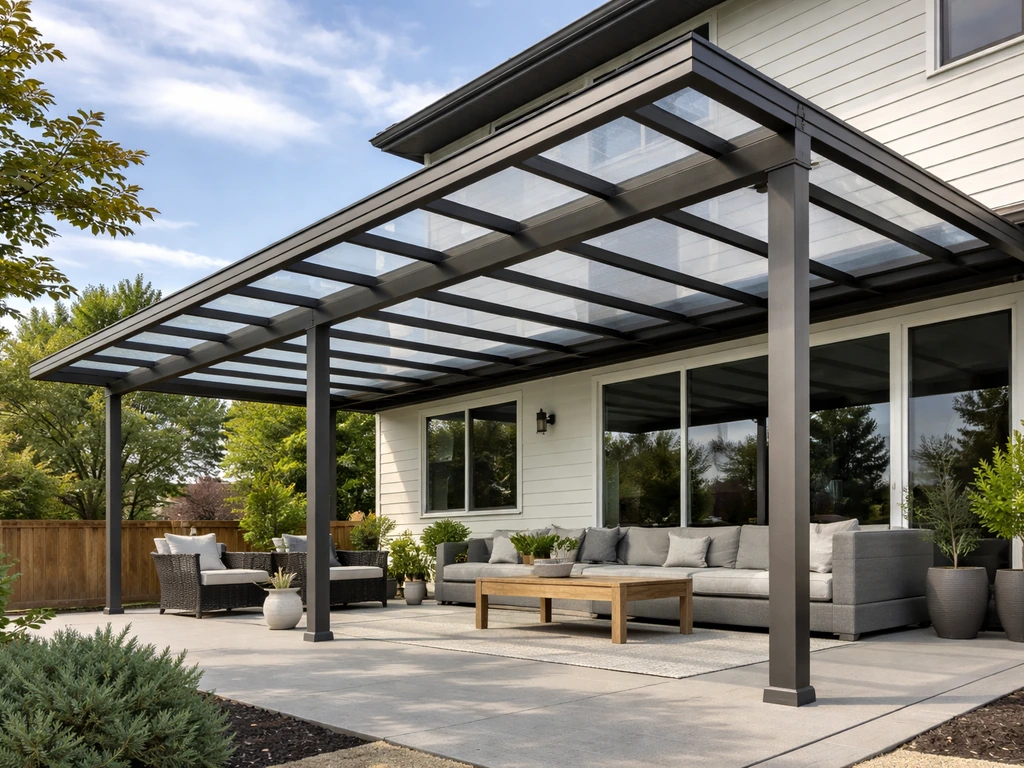
Timberline Patio Covers is a professional contractor based in the Greater Puget Sound area of Washington State, not a boxed kit or consumer product line you can order online. They build custom, professionally installed patio cover systems for Seattle-area homeowners, and their reviews are legitimately strong: a 97% satisfaction rate on materials quality, 93% on workmanship, and 129 out of 148 surveyed customers saying they would recommend the company.
Timberline Patio Covers Reviews: Build, Weather, Value

Holly Dawson
31 May 2026
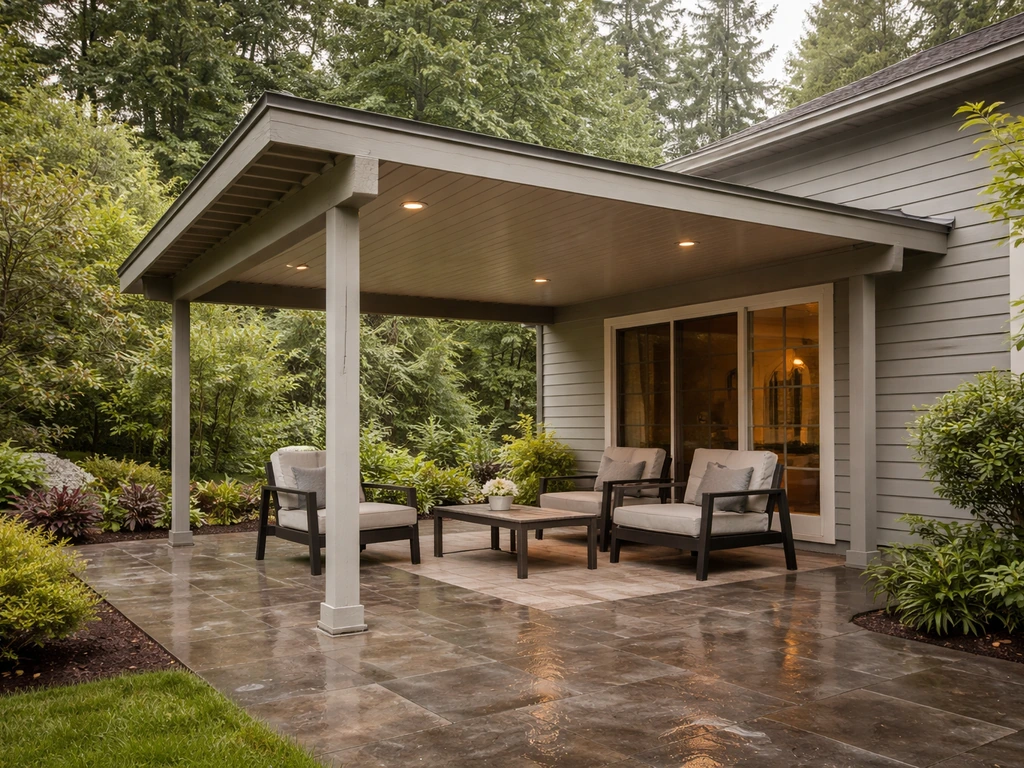
If you are in their service area and want a high-quality, custom-built patio cover, the feedback strongly supports them as a solid choice. If you are also considering Weatherwood patio covers, it helps to compare weatherwood patio cover reviews alongside local contractor feedback so you can judge quality and durability realistically. If you are outside the Pacific Northwest or searching for a DIY kit product, you will need to look at other options.
What Timberline patio covers actually are
Before you spend time reading reviews, it helps to know exactly what you are evaluating. Timberline Patio Covers, LLC is a locally owned contractor that has been operating in the Greater Puget Sound region since 2009. They are a division of the PCF Group, headquartered in the Arlington/Renton, WA area, and they build custom patio cover systems on-site rather than shipping pre-fabricated kits to your door.
Their service catalog includes attached patio cover construction (where the structure connects directly to your home), free-standing patio cover construction, and full outdoor enclosure projects. There are no SKU numbers, no standard model lines with fixed panel dimensions, and no comparison shopping on a product page. Every project is custom-scoped. This distinction matters enormously because it shifts the review question from 'is this product well made?' to 'is this contractor worth hiring?'
For homeowners specifically in the Seattle metro area, Timberline is a direct competitor to other local patio cover installers. If you are elsewhere and stumbled on the name while researching patio cover brands, you are looking at the wrong thing. You may want to look at alternatives like Equinox or Crown patio cover systems, which operate as manufacturer product lines with broader national distribution.
What the reviews actually say about durability, materials, and build quality
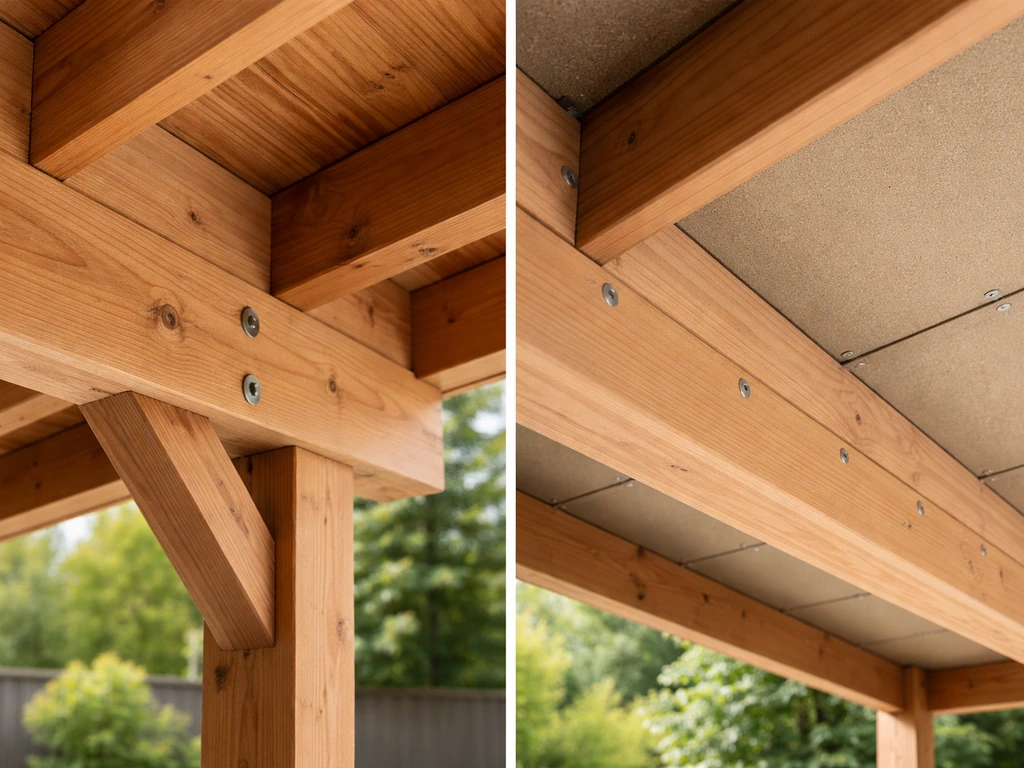
The review data on Timberline comes primarily from GuildQuality, Houzz, and Angi, and the picture that emerges is consistently positive with a few nuances worth paying attention to. If you are also looking for evergreen patio fire pit reviews, you can compare top-rated fire pit models and match them to your outdoor setup and patio cover style. On GuildQuality, where satisfaction is measured across specific categories, materials quality scores 97% and workmanship scores 93% across 148 verified reviews. That is not marketing copy: GuildQuality is a third-party survey platform, and those numbers reflect real customer responses after project completion.
The Houzz project gallery reinforces the build quality angle. Completed projects show gable-style roofed patio covers with features like integrated skylights, ceiling fans, outdoor kitchens, heaters, and TV mounts. These are not lightweight pergola frames. The structures shown are sealed, fully roofed assemblies designed to handle year-round Pacific Northwest weather, which tells you something about how Timberline approaches materials selection and framing. One reviewer noted the work is 'expensive, but extremely high quality,' which is the most direct cost-quality summary in the available feedback.
Weather performance in a tough climate
Seattle's climate is genuinely demanding for outdoor structures. You are dealing with persistent rain from October through April, occasional snow and ice, marine winds off Puget Sound, and UV exposure in the summer months. Timberline builds specifically for this environment, which is reflected in both their project designs and customer outcomes.
The gable-style rooflines visible in their Houzz project photos are a practical engineering choice for rain shedding, not just aesthetics. A pitched gable directs water away from the structure and prevents pooling, which is the right call for high-rainfall climates. Their sealed, roofed assemblies (some with screens and full enclosures) indicate the structures are designed to handle the full range of PNW conditions rather than just providing light shade.
Specific snow load or wind uplift ratings are not published in their accessible customer-facing materials, which is worth noting. If you are in an area with heavy snow accumulation or high sustained winds, ask Timberline directly about how they engineer for those loads before signing a contract. Custom contractors should be able to provide this information on request, and any reputable builder in the Pacific Northwest will have those calculations built into their designs.
Installation process and compatibility
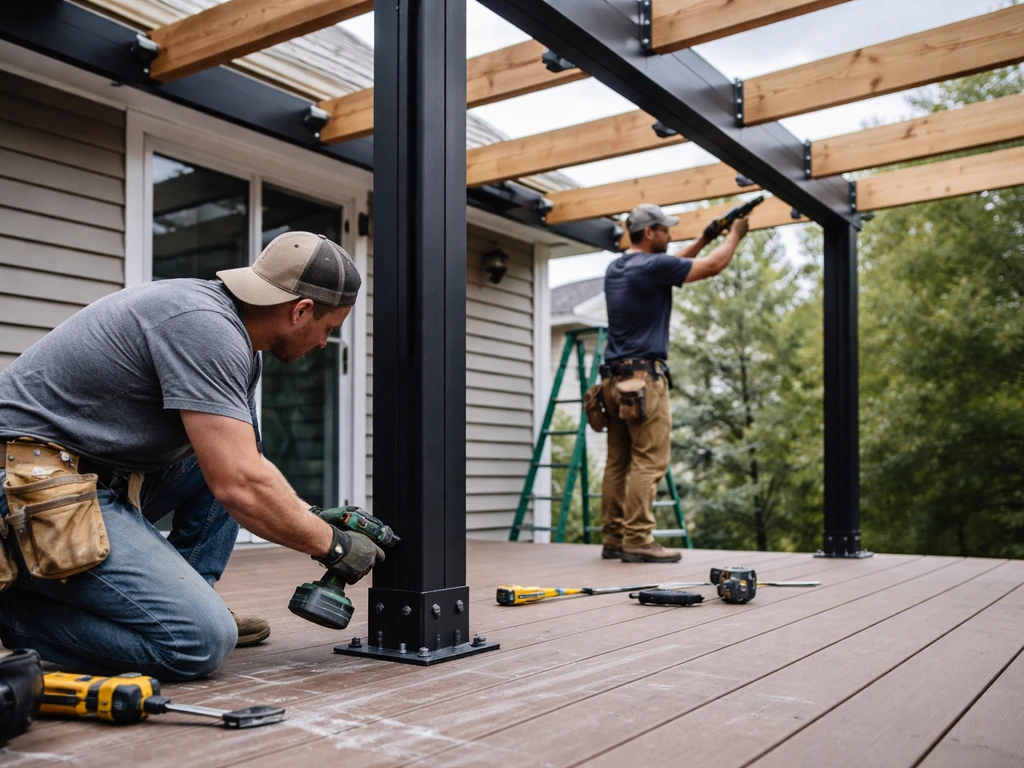
Because Timberline is a professional installation service, there is no DIY component here. The GuildQuality data rates their installation crew at 93% for being organized and professional, which is a meaningful signal. In contractor review platforms, crew professionalism scores often drop once a project actually starts (when scheduling, jobsite cleanliness, and communication issues tend to surface), so holding 93% across 148 reviews is genuinely solid.
Their installations cover both attached and free-standing configurations, which gives you flexibility depending on your home's layout. Attached covers connect directly to the house roofline or a ledger board, while free-standing structures work with existing hardscape, concrete pads, or post placements in a yard or lawn area. If your home has a specific roofing height or non-standard eave configuration, this is a conversation to have with them during the estimate phase rather than after the project starts.
One practical note: the GuildQuality data includes an 83% score for 'Clean and Safe' on job sites. That is the lowest-rated category in their feedback, and while it is still a passing grade, it does suggest some customers noticed cleanup or safety protocol inconsistencies during installation. Not a dealbreaker, but worth mentioning to your project manager upfront if a tidy jobsite matters to you.
Design options and how they look with different patios
Timberline's Houzz portfolio spans multiple architectural styles. You can see craftsman-style gable covers attached to traditional Pacific Northwest homes, rustic deck covers with exposed beam details, and modern flat-profile roofed structures with clean lines, integrated LED lighting, and sleek post hardware. The fact that they offer both attached and free-standing configurations means they can work with almost any existing patio footprint.
Add-on options visible in completed projects include skylights (great for letting in natural light while keeping rain out), ceiling fans, outdoor heaters, speakers, screens for insect control, and full outdoor kitchen integrations. This flexibility is one of the genuine advantages of working with a custom contractor versus buying a fixed product line. You are not constrained to whatever sizes a manufacturer pre-builds. The tradeoff is that you are also not getting a predictable price sheet or instant comparison shopping.
Value for money: what you are really paying for
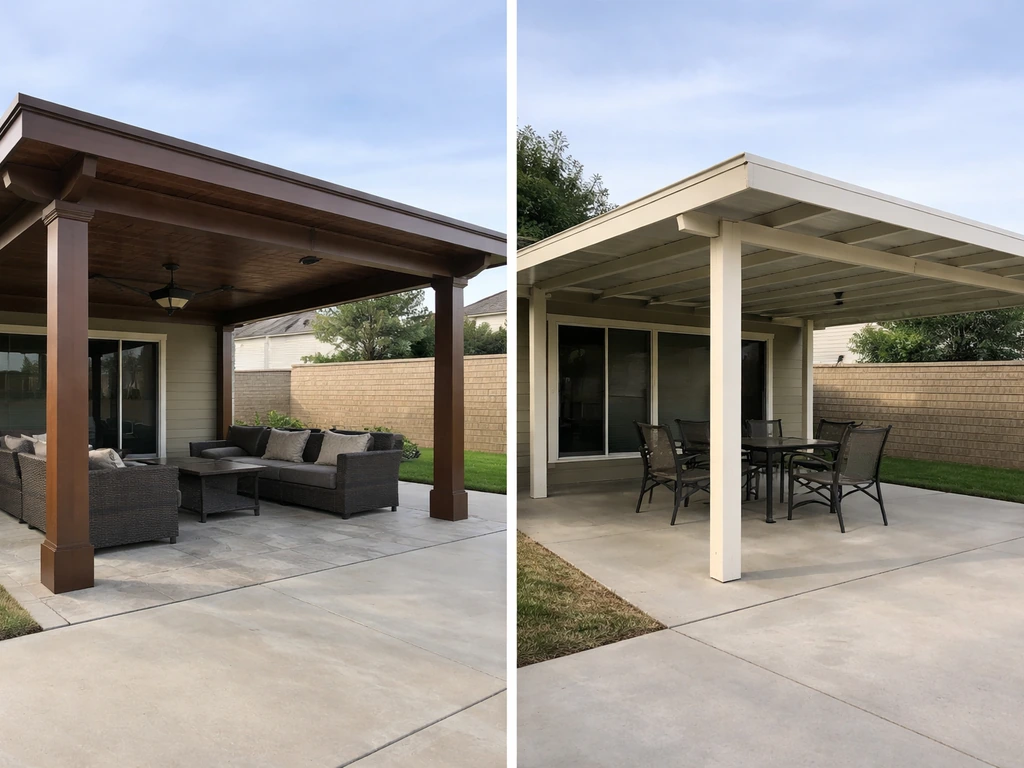
The most direct value comment in the available reviews is that Timberline is 'expensive, but the work is extremely high quality.' That tracks for a custom contractor in a high cost-of-living metro area. You are not paying for a product in a box: you are paying for custom engineering, professional installation, premium materials, and a long-term structural addition to your home.
No specific pricing figures are published in their accessible materials, and that is typical for custom contractors who need to quote based on project scope, site conditions, and material selections. For comparison, prefabricated patio cover systems from brands like Equinox or Crown typically run from a few thousand dollars for basic louvered systems up to $15,000 or more installed.
For comparison, prefabricated patio cover systems from brands like Equinox or Crown typically run from a few thousand dollars for basic louvered systems up to $15,000 or more installed. Like equinox patio covers reviews, you can often use brand-level feedback to sanity-check what kit-style pricing looks like before you decide between prefab and a custom contractor.
A fully custom build with skylights, fans, an outdoor kitchen, and screens in a Seattle-area market will almost certainly sit at the higher end or beyond that range.
If your primary driver is keeping costs low, a prefabricated kit or a simpler pergola system may serve you better. For more detail on how real homeowners rate options in the Seattle area, check flex patio pergola reviews before you commit to a design patio cover. If you want something that looks like it belongs on your house, handles real Pacific Northwest weather, and comes with verified workmanship, Timberline's pricing is consistent with what you would expect from a top-tier regional contractor.
Maintenance and long-term upkeep
This is where things get interesting, and it is the one area where the reviews surface a legitimate gotcha. At least one Houzz reviewer flagged that painting the patio cover after installation was required to keep the warranty valid, and Timberline did not handle the painting as part of the project. The reviewer noted that the company provided a paint recommendation but left the owner to complete the work. If you assumed a turnkey installation included all finish work, this would be a frustrating and potentially expensive surprise.
Before signing a contract, get explicit written clarity on exactly what is and is not included in the installation scope, especially regarding finish coatings, paint, and any owner-action requirements tied to warranty coverage. This is standard advice for any contractor engagement, but the Timberline reviews make it especially relevant here.
Beyond the painting question, long-term maintenance for a custom roofed patio cover in the Pacific Northwest typically involves periodic inspection of fasteners and flashing (especially where the cover attaches to the house), cleaning of gutters or drainage channels if the roof includes them, and checking wood members for moisture damage or rot at post bases. Sealed roofed systems like those Timberline builds are generally more weather-resistant than open pergola frames, but they are not zero-maintenance structures, particularly given Seattle's rainfall levels.
Who should hire Timberline, and who should look elsewhere
Timberline Patio Covers is a strong match for a specific type of homeowner. Here is how to think about whether they are right for you:
- You are in the Greater Seattle or Puget Sound area and want a professionally built, custom patio cover that is engineered for Pacific Northwest weather
- You want a structure that can be upgraded with skylights, fans, heaters, screens, or an outdoor kitchen rather than a basic kit cover
- You value verified workmanship (93%) and materials quality (97%) over the lowest possible price
- You are comfortable with a contractor-based process: getting quotes, scoping the project, and managing a home improvement engagement rather than ordering a product
- You want a result that looks architecturally matched to your home rather than a generic off-the-shelf appearance
On the other hand, Timberline may not be the right call if any of these apply to you:
- You are outside the Pacific Northwest service area (they do not ship or install beyond their regional footprint)
- You want a DIY kit you can assemble yourself over a weekend
- Budget is the primary decision driver and you need to stay under a few thousand dollars all-in
- You expect a fully turnkey project where every finish detail (including painting) is handled without any owner follow-up
- You need published specifications like snow load ratings or wind uplift numbers before committing to a contractor conversation
Next steps before you call for a quote
If Timberline looks like the right fit, a little preparation will make the quoting process go more smoothly and help you evaluate their proposal against competitors. Measure your patio dimensions carefully, including the distance from your home's eave to the outer edge of your desired coverage, and note your roofline height where an attached cover would connect. If your patio has an existing concrete pad, deck, or hardscape, note those dimensions and the material type since they affect post placement options.
When you get your quote, ask specifically about what is and is not included in the contract scope: finish painting, gutters, flashing, post footings, electrical rough-in for fans or lights, and warranty terms with all required owner actions spelled out. Compare the quote against at least one other regional contractor and, if budget allows, consider getting a comparison quote for a prefabricated louvered or solid-roof system like those offered by other patio cover brands. That will give you a concrete sense of whether the custom route is worth the premium for your specific project.
Finally, cross-check their GuildQuality and Houzz reviews yourself, not just the aggregate scores. Read the actual comment text for patterns around project communication, timeline accuracy, and post-installation follow-up. The 129-out-of-148 recommendation rate is strong, but understanding why the other 19 customers hesitated will tell you as much as the positive scores do.
FAQ
Do Timberline patio covers have specific snow load and wind uplift ratings I can request?
Ask for the exact structural design basis for your address (snow depth, ground snow load, and wind conditions) and whether the drawings include snow drift or uplift considerations at the connection to the house. Timberline is a custom contractor, so they should be able to provide engineering details or summary calculations during quoting.
What should I clarify about painting, stains, and warranty requirements before signing?
Get the finish scope in writing by listing each surface, coating type, and who is responsible (contractor vs homeowner). Reviews indicate at least one case where painting after installation was needed for warranty validity, so confirm whether paint, stains, or sealants are included, and whether you must complete them within a set timeframe.
How do attached covers handle roofline details and water intrusion around the house connection?
For Seattle-area attached covers, confirm what they will verify onsite, including your home’s ledger connection method, flashing integration, and whether any roof penetrations are required. If you have an unusual eave or existing siding details, bring photos to the estimate, and ask how they plan to prevent water intrusion at the interface.
Does Timberline include electrical work for fans, heaters, or TV mounting, or is that on the homeowner?
If you want electrical features like fan or heater wiring, ask whether they include only rough-in, only mounting hardware, or full electrical work. Also ask about permitting and inspections, since some electrical tasks may require a licensed electrician depending on your plan and local requirements.
What should I do if jobsite cleanliness is a concern based on the reviews?
The lowest-rated category in the feedback is “Clean and Safe,” so treat cleanup as a scheduling and accountability item. Ask for a jobsite protection and debris removal plan, daily cleanup expectations, and how they’ll handle nails, offcuts, and any exterior landscaping protection during post installation.
How can I ensure the quote includes add-ons like skylights, screens, and gutters instead of leaving gaps?
Yes, because their systems are custom-scoped, you can and should request a written scope checklist covering gutters or drainage channels, flashing, skylights, screens, and included trim work. If it is not explicitly listed, assume it is not included and you will be quoted again.
How do I compare Timberline quotes against other contractors without getting misled by different scopes?
If you want to compare cost fairly, ask each contractor for the same deliverables: materials specification, roof panel type, framing size approach, attachment method details, and an allowance list for extras. For Timberline, focus on what is built versus what is recommended but not included (like painting), since that impacts the real all-in cost.
What should I look for when reading the non-recommended reviews?
Your best next step is to read individual review text looking for repeating themes like change orders, missed milestones, and follow-up responsiveness. The aggregate recommendation rate is strong, so the 19 non-recommendations are most useful for spotting practical risk areas for your situation.
What maintenance should I expect long-term in the Puget Sound climate, and what should Timberline provide?
Plan for periodic checks, especially at house connections, fasteners, and flashing. Ask Timberline for a simple maintenance checklist specific to your design (attached vs free-standing, whether gutters are included, and whether you have skylights), so you know what to inspect each season.
If Timberline is expensive, what cost-saving options are reasonable without reducing weather performance?
If your budget is tight, ask whether there is a “value engineering” option that keeps structural and weatherproofing priorities while reducing extras (like integrated heaters, skylights, or full enclosures). Also consider whether you can start with the core roofed structure and add electrical or screens later if that fits warranty and installation planning.
Next Article
Crown Patio Covers Reviews: Durability, Fit, and Value
Crown patio cover reviews on durability, weather and wind performance, fit, install ease, and value vs budget and premiu