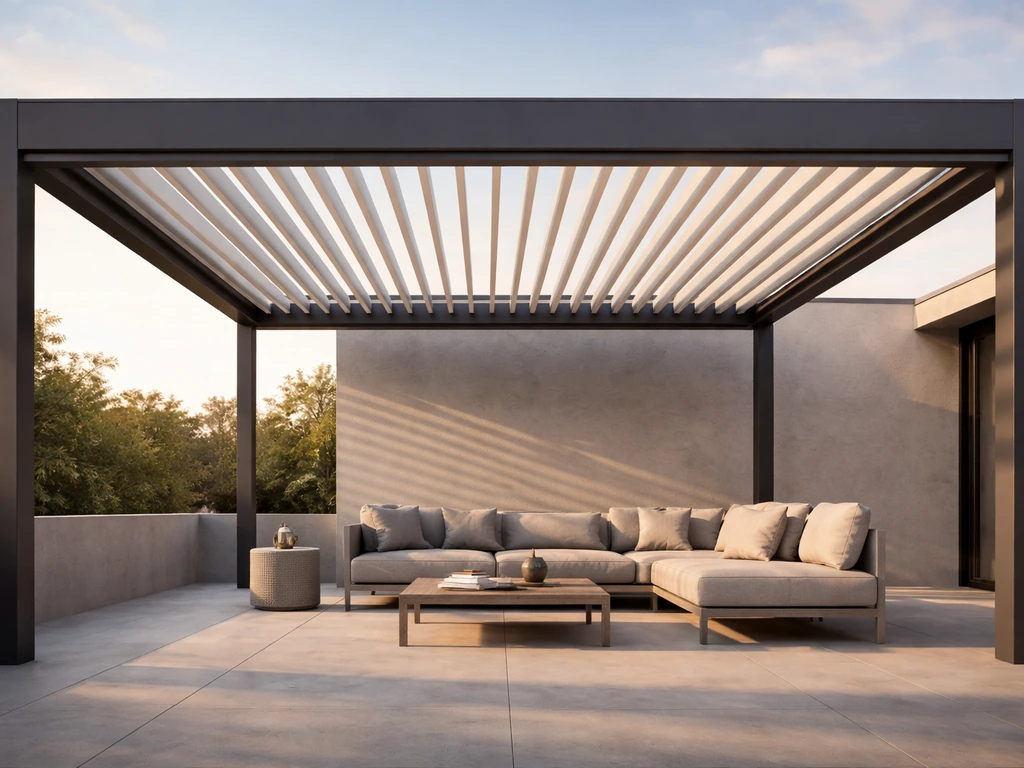
FlexPatio makes the motorized pergola most people are searching for when they type 'flex patio pergola reviews.' The brand's flagship line, the POWER+ Gen 2, starts around $4,499 and delivers a louvered aluminum roof you control with a remote, built-in drainage, and an 80 MPH wind resistance rating. It sits in a middle tier between cheap Costway-style canopy pergolas and full custom installations from premium brands. For most homeowners who want serious shade control without hiring a contractor to build something permanent, it delivers real value. But there are genuine caveats around fulfillment, anchoring complexity, and long-term parts availability that you should know before clicking 'buy.'
Flex Patio Pergola Reviews: Buyer Guide, Pros and Cons

Holly Dawson
20 May 2026
What 'FLEX Patio Pergola' Actually Means and Which Model You're Looking At
FlexPatio is the brand name, not a generic descriptor for a flexible canopy product. On Wayfair, Amazon, and the brand's own site (FlexPatio.com), products appear as 'FlexPatio POWER+ Motorized Pergola' or 'FlexPatio D POWER+ Motorized Pergola.' The lineup splits into two main lines: the POWER+ and the POWER+ PRO, each available in Gen 1 and Gen 2. Gen 2 is the version worth buying if you're shopping in 2026, since it's the one with the updated engineering specs, better accessory compatibility, and the published 80 MPH wind rating.
The easiest way to confirm which model you're looking at is to check for three things on the product page: the model label (POWER+ vs POWER+ PRO), the generation (Gen 1 vs Gen 2), and the size/post configuration. The POWER+ Gen 2 comes in sizes from 10'x10' up to 13'x20', with 4-post layouts on smaller footprints and 6-post layouts on larger ones. The POWER+ PRO Gen 2 claims significantly higher performance, up to 165 MPH wind resistance and 50 PSF snow load depending on configuration, placing it in near-commercial territory. If the listing you're looking at doesn't clearly state the generation and has no spec block mentioning wind or snow ratings, you're likely looking at Gen 1 or a third-party reseller with incomplete information.
One more thing to watch: FlexPatio uses a 'Standard Sizes' vs 'Extended Sizes' selector on their product pages. Buyers frequently mismatch their intended footprint with a different post count or structural configuration when they switch between these options without reading carefully. Confirm the size, confirm the post count, and confirm it's Gen 2 before you proceed.
The Real Pros and Cons From FlexPatio Reviews
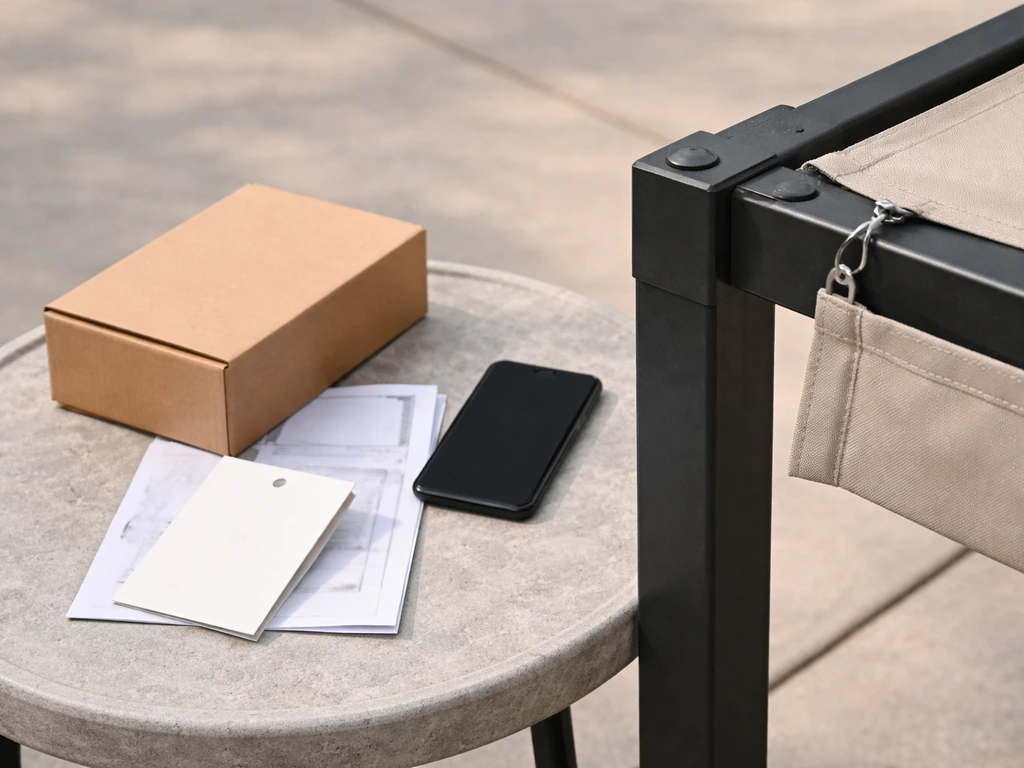
Across Trustpilot reviews, editorial features, and third-party writeups, a consistent picture emerges. If you want more buyer feedback beyond spec sheets, check equinox patio covers reviews as a related comparison before you commit FlexPatio reviews. The praise is real, but so are the complaints, and they tend to cluster around the same issues regardless of the reviewer. Trustpilot review excerpts also commonly mention that the pergola arrives well packed and that the assembly instructions are clear and easy to follow blank" rel="noopener noreferrer">clear and easy assembly instructions and good packaging.
What Buyers Consistently Like
- Remote-controlled louvers that genuinely adjust shade and ventilation on demand, not just open/close
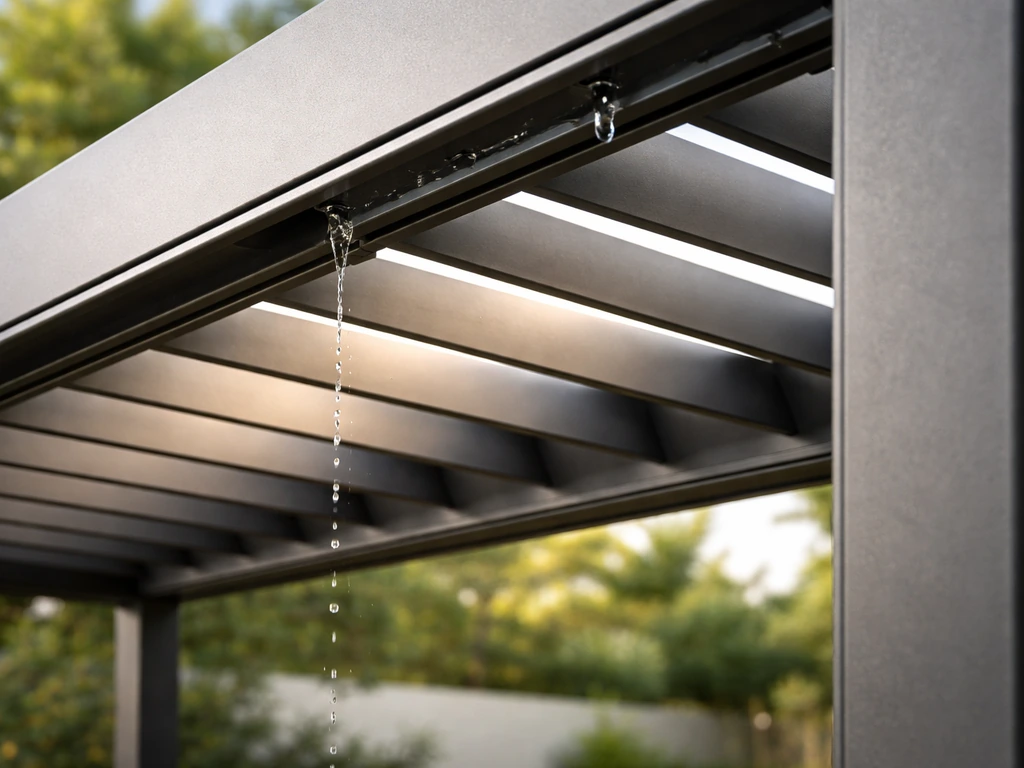
- Built-in drainage channels that route rainwater through the posts instead of pooling or dripping through the canopy
- Packaging quality: reviewers frequently mention the structure arriving well-protected and parts organized
- Assembly instructions described as clear and logical, which is not a given in this product category
- Power outlets integrated into the posts, useful for outdoor speakers, string lights, or phone charging
- Aluminum frame that resists the surface rust you see on steel-framed budget competitors within the first season
Where Reviews Get Critical
- Delivery delays and communication gaps during fulfillment: this is the most recurring low-star theme on Trustpilot, and it applies even for buyers who ultimately loved the product
- Price sensitivity: at $4,499 and up, some buyers feel the value case isn't fully made until they've lived with it through a full season
- Anchoring requirements being underestimated: the install manual has real steps and structural leveling demands; this is not a two-person afternoon project for everyone
- Accessory costs add up: full weather enclosure using roller shades (mesh, UV-resistant, with an 8% openness factor) requires additional purchase beyond the base unit
- Warranty activation friction: you must register within 30 days of purchase and provide installation photos to make a valid warranty claim, which catches people off guard
Materials, Build Quality, and How It Handles Sun, Rain, and Wind
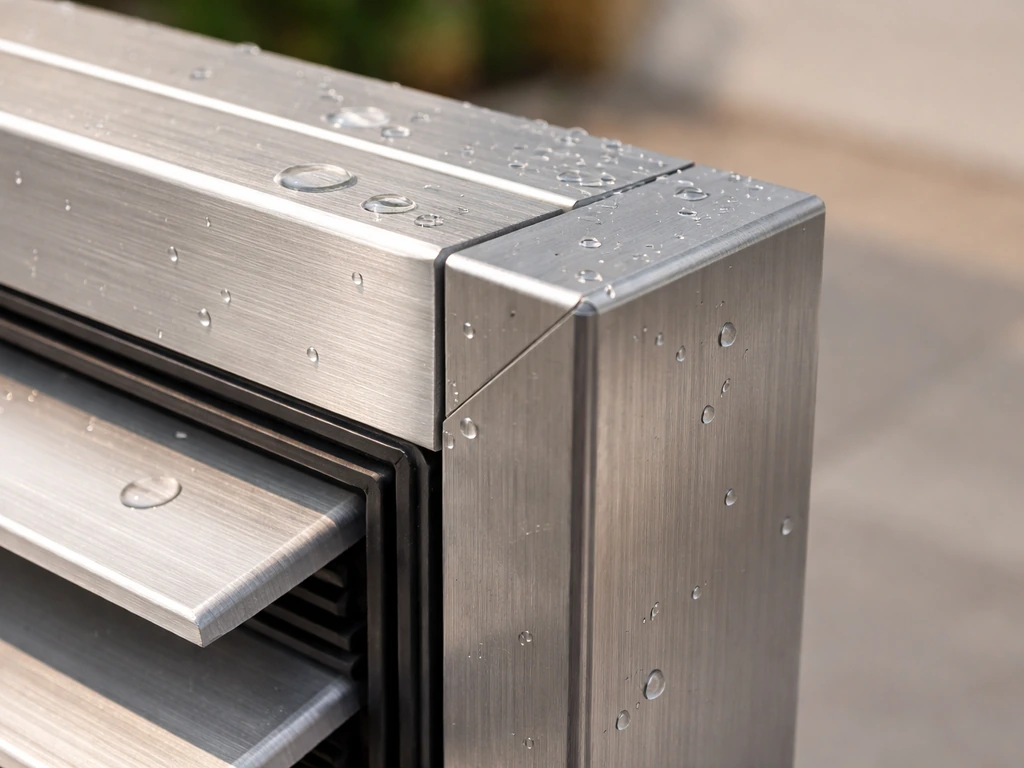
The POWER+ Gen 2 frame is 6063-T5 aluminum with an anti-corrosion coating. That's the same alloy grade used in architectural applications, not the thinner extrusions you get in budget pergolas from Costway-tier brands. It won't rust, and the coating holds up against UV exposure better than powder-coated steel. FlexPatio's own comparison materials point out that steel-framed competitors will eventually rust and that polycarbonate roofs (common on gazebo-style competitors) offer only basic weather protection. That's a fair distinction.
On rain performance, the motorized louvers close to form a waterproof seal rated IP67, meaning the electrical components are protected against water ingress even in sustained rain. The drainage system routes water through the posts to the ground, so you don't get the sagging waterlogged canopy problem common with fabric-roof pergolas. For sun coverage, the louvered design lets you fine-tune the angle rather than committing to full shade or full sun, which is a genuine functional advantage over fixed-roof structures.
Wind performance is rated at 80 MPH for POWER+ Gen 2, which covers most residential weather events in the continental US. FlexPatio notes the product is 'ideal for mild climate regions,' which is honest framing: if you're in a hurricane-prone zone or regularly deal with 90+ MPH gusts, the PRO Gen 2 or a permanently attached structure is the safer call. The 80 MPH figure assumes proper anchoring, which brings us to installation.
Assembly and Installation: What It Actually Takes
FlexPatio's marketing claims 'plug-and-play installation in under 3 hours.' The reality from the installation manual and third-party installer accounts is more nuanced. The manual walks through post installation, base cover placement, structural leveling, electrical connections, and louver alignment. It's DIY-possible, but it's not the same category of easy as assembling a basic furniture set.
The post and base installation step is the most critical one. Third-party installers who have worked with the POWER+ system consistently emphasize secure anchoring and structural leveling as the two places where DIY projects go wrong. A third-party installation services page describes the POWER+ system installation as DIY-friendly while emphasizing secure anchoring and structural leveling, including scenarios involving concrete anchoring. If the posts aren't plumb and the base isn't anchored properly, the louver alignment drifts and the drainage doesn't route correctly. Concrete anchoring is the most stable option, especially for freestanding setups on a patio slab. If you're placing it on pavers or a deck, you'll want to confirm your substrate can handle the anchor hardware.
Tools required go beyond a basic screwdriver set. The 13'x13' installation guide specifies a full tool list, and you'll want a level, a drill, appropriate anchor hardware for your surface, and ideally a second person for post raising. Budgeting for a handyman or professional installer if you're not comfortable with structural leveling is a reasonable call at this price point. HandyBuddy and similar services specifically list FlexPatio POWER+ as a product they support, which tells you the install market has recognized this product's complexity.
Long-Term Durability: Rust, Fading, Sagging, and Parts
The 6063-T5 aluminum frame is genuinely rust-proof, not just rust-resistant. Unlike galvanized or powder-coated steel frames that develop surface rust at fastener points and cut edges within two to three seasons, aluminum doesn't oxidize the same way. The frame should look clean for the life of the product assuming you don't physically damage the coating.
Fading is more nuanced. The frame itself holds color well, but the optional roller shade accessories (mesh fabric, UV-resistant per FlexPatio's claims) will experience some color shift over years of direct UV exposure. That's true of any outdoor fabric at this price tier. Replacing shade panels as accessories rather than the entire structure is the right model, and FlexPatio does sell them separately.
Sagging is not a structural concern with an aluminum louvered roof, but louver alignment drift can happen over time if fasteners loosen. This is the mechanical equivalent of sagging and tends to show up if the initial installation wasn't perfectly level. The fix is re-leveling and re-tightening hardware, which is manageable but requires returning to the installation manual. Keeping the manual and your installation photos (which you'll need for warranty purposes anyway) is genuinely useful for this.
Warranty coverage is 3 years on components including the power outlet and LED strip lighting. That's a reasonable window for electrical components, though shorter-lived than what some premium pergola brands offer. The registration requirement within 30 days of purchase is strict, and the requirement to submit installation photos to file a claim means your documentation habits matter. Register immediately, photograph the installation before you add any accessories, and keep the purchase confirmation.
Value Check: Who Should Buy FlexPatio and When to Look Elsewhere
At $4,499 for the POWER+ Gen 2 10'x10', FlexPatio occupies a real middle ground in the pergola market. It's not a budget product, but it's not a premium custom build either. Here's how it stacks up across the main tiers you'd actually compare.
| Tier | Example Products | Frame Material | Roof Type | Wind Rating | Approx. Price | Best For |
|---|---|---|---|---|---|---|
| Budget | Costway, Temu-style canopy pergolas | Steel (powder-coated) | Polyester fabric canopy | Not rated / low | $300–$900 | Temporary shade, low-stakes outdoor use |
| Mid-range (FlexPatio) | FlexPatio POWER+ Gen 2 | 6063-T5 aluminum | Motorized louvered aluminum | 80 MPH | $4,499+ | Homeowners wanting permanent-feeling shade control with DIY install |
| Premium | West Elm, Pottery Barn, Frontgate custom pergolas | Hardwood or premium aluminum | Fixed or fabric, often custom | Varies | $8,000–$20,000+ | Buyers prioritizing aesthetics, warranty service, and material prestige |
FlexPatio is the right call if you want motorized shade control, you're comfortable with a real installation project, and you're not in a hurricane zone. It genuinely outperforms budget steel-framed pergolas on longevity and weather function, and it's far more accessible than a premium custom build. The functional gap between FlexPatio and a $15,000 Frontgate pergola is real but mostly aesthetic and service-related, not structural. Crown patio covers reviews can help you compare how different patio cover styles handle sun, rain, wind, and long-term durability.
Skip FlexPatio and look elsewhere if: you need something up this weekend with minimal tools, you're in a high-wind coastal area and need the PRO specs, or you want the design pedigree of a West Elm or Pottery Barn piece as a visual anchor for your outdoor space. If you're also comparing Timberline patio covers, it helps to read timberline patio covers reviews for notes on build quality, installation, and long-term parts support covered patio systems. Also worth noting: if you're researching covered patio systems more broadly, brands like Equinox and Timberline operate in the louvered roof category too, and Crown and WeatherWood cover more traditional patio cover styles, each with their own tradeoff profiles. Crown patio covers reviews can help you compare how those more traditional patio cover styles perform and what buyers like or dislike.
Buying Checklist Before You Order a FlexPatio Pergola
Use this checklist to avoid the most common purchase mistakes buyers report after the fact. If you're also shopping for an outdoor focal point like a fire pit, these evergreen patio fire pit reviews can help you compare safer, longer-lasting options.
- Measure your patio footprint precisely, including clearance from walls, fences, and overhead obstructions. FlexPatio sizes run from 10'x10' to 13'x20', but coverage area differs from post-to-post spacing. Confirm which dimension is the roof coverage and which is the post footprint for your chosen size.
- Identify your surface type: concrete slab, pavers, wood deck, or ground. Anchoring requirements differ by surface, and some substrates need additional hardware or a professional anchor assessment.
- Check your local wind zone. The POWER+ Gen 2 is rated for 80 MPH. If your region regularly sees storms above that threshold, step up to the PRO Gen 2 or contact FlexPatio directly about configuration options.
- Confirm you are selecting POWER+ Gen 2 (not Gen 1) and check whether you want Standard or Extended Size options. These are different structural configurations, not just cosmetic sizes.
- Count your posts: 4-post for smaller footprints (10'x10', 10'x13'), 6-post for larger configurations. This affects both anchoring points and the installation time estimate.
- Budget for accessories separately if you want side enclosure. Roller shades and privacy panels are add-ons. The base unit is louvers only.
- Register the warranty within 30 days of purchase. Take and store installation photos before adding any accessories. You will need them for any warranty claim.
- When reading reviews, filter for these signals of credibility: photos showing an installed unit (not just the box), mentions of a specific size/model, and reviews written after at least one full season of use. Dismiss reviews that only describe delivery experience without discussing the actual product.
- If a Wayfair or third-party marketplace listing shows the FlexPatio name but doesn't list the generation, wind rating, or snow load in the specs, contact the seller to confirm. Listings with incomplete specs are often Gen 1 inventory or reseller stock with outdated product information.
- Get a rough install time estimate based on your experience level. FlexPatio's 'under 3 hours' claim is a best-case marketing figure. A first-time installer on a 13'x13' model with concrete anchoring should realistically plan for a full day.
FAQ
How do I tell if I’m looking at FlexPatio POWER+ Gen 2 versus Gen 1 when the listing title is vague?
Don’t rely on the title alone. Open the product page and confirm the three fields together, model label (POWER+ vs POWER+ PRO), generation (Gen 1 vs Gen 2), and the sizing and post configuration (4-post versus 6-post). If the page lacks a spec block that states wind or snow ratings, treat it as Gen 1 or an incomplete reseller listing.
Is FlexPatio truly water resistant, or can I expect leaks around the electrical areas?
The louvers are rated to form a waterproof seal (IP67) for water protection around electrical components, but the drainage routing still matters. If your posts aren’t level or your base anchors don’t match the manual, water can pool at seams or channels, which increases the chance of long-term seepage.
Can I install the pergola on pavers or a deck instead of a patio slab?
You can, but anchoring changes the difficulty. Concrete anchoring is the most stable for freestanding use, while pavers and decks need substrate checks to ensure the hardware is supported. If the installer or manual doesn’t specify compatible anchoring for your surface, plan on using a professional or a surface reinforcement approach.
What’s the biggest DIY risk people run into with FlexPatio?
Structural leveling and secure anchoring. If posts are not plumb or the base isn’t anchored tightly, louver alignment can drift, drainage routing can become uneven, and the unit may look like it has “sag” over time even though the roof doesn’t sag like a fabric canopy would.
Do I need to re-tighten hardware later, or is it set-and-forget?
It’s closer to “set-and-check.” Over time, hardware can loosen if the installation wasn’t perfectly level. If the louvers begin to sit slightly off or drainage paths look inconsistent, re-leveling and re-tightening hardware is the typical fix, and it requires referring back to the installation instructions.
How strict is the warranty process, and what should I document?
It’s strict about registration timing and photo submission. Register within 30 days, and photograph the installation before adding accessories so you can show mounting details during a claim. Keep the purchase confirmation as well, because warranty handling often depends on it.
Are the fabric shade accessories replaceable without replacing the whole pergola?
Yes. The structure is built for longevity, but optional roller shade panels can show UV-driven color shift over years. FlexPatio sells shade accessories separately, so you typically replace the panels rather than the entire roof system.
Is 80 MPH wind resistance enough if I live near the coast or get strong gusts?
80 MPH covers many residential events, but location matters. If you’re regularly seeing 90+ MPH gusts or you’re in a hurricane-prone area, you should consider the PRO line or a permanently attached structure rather than relying on the standard POWER+ Gen 2 figure.
What happens if I choose the wrong “Standard Sizes” versus “Extended Sizes” option?
You can end up with an unintended footprint or mismatched post configuration, which affects both clearance and anchoring plan. Because it also impacts louver alignment and drainage paths, double-check the exact size and post count before ordering, especially if you’re switching between those selectors.
Does the aluminum frame ever rust at fastener points like steel does?
Aluminum doesn’t oxidize the same way as steel, so you generally won’t see the same fastener-point rust you might get with steel frames. That said, physical coating damage can expose areas, so avoid scraping during installation and keep debris from rubbing on edges.
Will I get the “plug-and-play under 3 hours” install experience?
Only if your substrate, leveling, and anchoring plan are straightforward and you have the right tools and help. Third-party accounts describe it as DIY-capable but not like furniture assembly. If you lack proper anchor hardware for your surface, or you need to correct leveling during post raising, it will likely take longer.
If I can’t complete installation myself, what should I ask an installer before they start?
Ask whether they’ve installed the POWER+ system specifically, how they plan to anchor for your patio surface (slab, pavers, or deck), and how they will verify plumb leveling for louver alignment. Also confirm they follow the installation manual steps for electrical connections and base cover placement, not just the visual layout.
Next Article
Top Home Space Patio Furniture Reviews: Best Picks & Buying Guide
Top Home Space patio furniture reviews: top picks, brand comparisons, ratings, buying checklist & care tips.