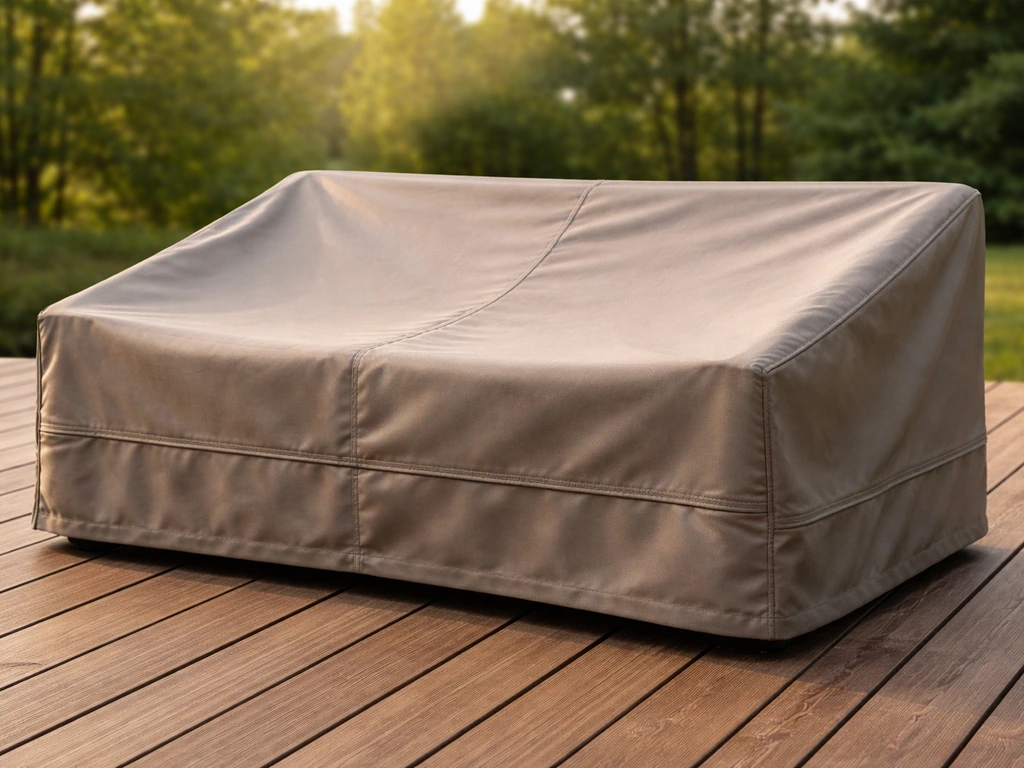
The best outdoor patio furniture set for you depends on three things you need to nail down before reading a single review: your climate, how much you actually use your patio, and what you're willing to do for maintenance. If you get heavy rain and intense UV, an all-weather powder-coated aluminum frame with Sunbrella-grade cushions is almost always the right call. If you're in a mild, dry climate and want something that looks stunning, teak or high-end resin wicker hold up beautifully. Budget sets from Costway or Temu can absolutely work for light-use patios if you store or cover them seasonally, but they won't survive neglect the way premium lines from Frontgate or Pottery Barn will. Here's how to use reviews the right way and make a confident call today. If you want, you can also check outdoor patio supplies reviews to compare common complaints and see what consistently holds up over time how to use patio furniture reviews.
Outdoor Patio Furniture Reviews: How to Choose Best Sets

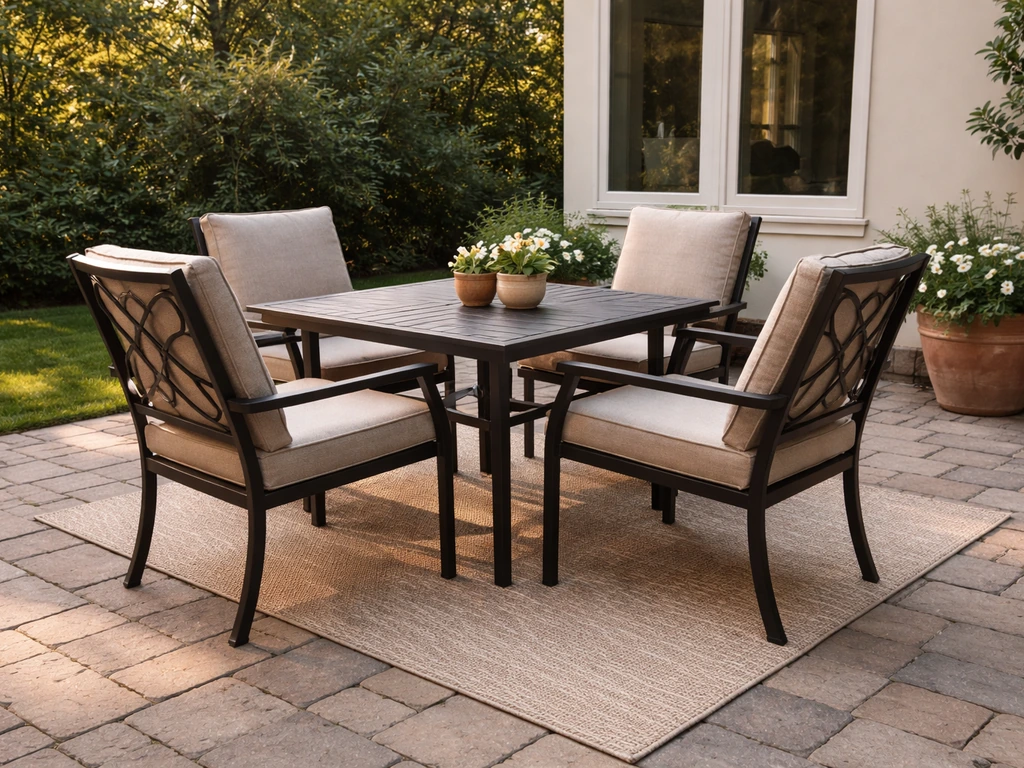
How to Use Patio Furniture Reviews to Pick the Best Set

Most people scan star ratings and stop there. That's a mistake. A 4.7-star score on a set with 12 reviews tells you almost nothing, especially compared to a 4. When you use patio furniture reviews the right way, you can spot which sets hold up over time instead of relying on hype. 3-star set with 2,000 verified purchases. Consumer Reports makes exactly this point: products with only one or two reviews are far more susceptible to fabricated feedback, while high sales volume makes it much harder to game the ratings. So start by filtering for review volume, not just score.
Beyond that, look at what reviewers are actually complaining about. Vague praise means little. Specific complaints about wobbling chairs after a season, rust spots appearing within months, or cushion covers fading fast are the signals that matter. Wayfair's Verified program takes this seriously, using a 10-point inspection that combines expert evaluation with return rates, ratings patterns, and real performance data to flag genuinely reliable products. It's a useful shortcut when you're shopping on a large platform and want a second opinion on what's actually worth buying.
When reading reviews, prioritize ones that mention time. A review written 18 months after purchase telling you the frame still looks new is worth 10 glowing reviews written the day the box arrived. Also look for reviews from people in your climate: someone in Florida dealing with year-round humidity and UV has a completely different durability experience than someone in Seattle with persistent rain and cool temps.
- Filter by review count first: 100+ reviews is a meaningful baseline; 500+ is better
- Sort by most recent to see if quality has changed with newer manufacturing batches
- Read 3-star reviews: they're usually the most honest and specific
- Look for time-stamped durability feedback (anything 12+ months after purchase is gold)
- Cross-reference ratings from retailer sites with independent review aggregators
- Check if the brand has a verified or vetted label on the platform you're shopping
Material-by-Material Durability: What Holds Up in Sun, Rain, and Wind
Material is the single most important variable in outdoor furniture longevity. Every other factor, including price, brand name, and cushion quality, runs downstream from this decision. Here's how each major material actually performs in the real world.
Aluminum
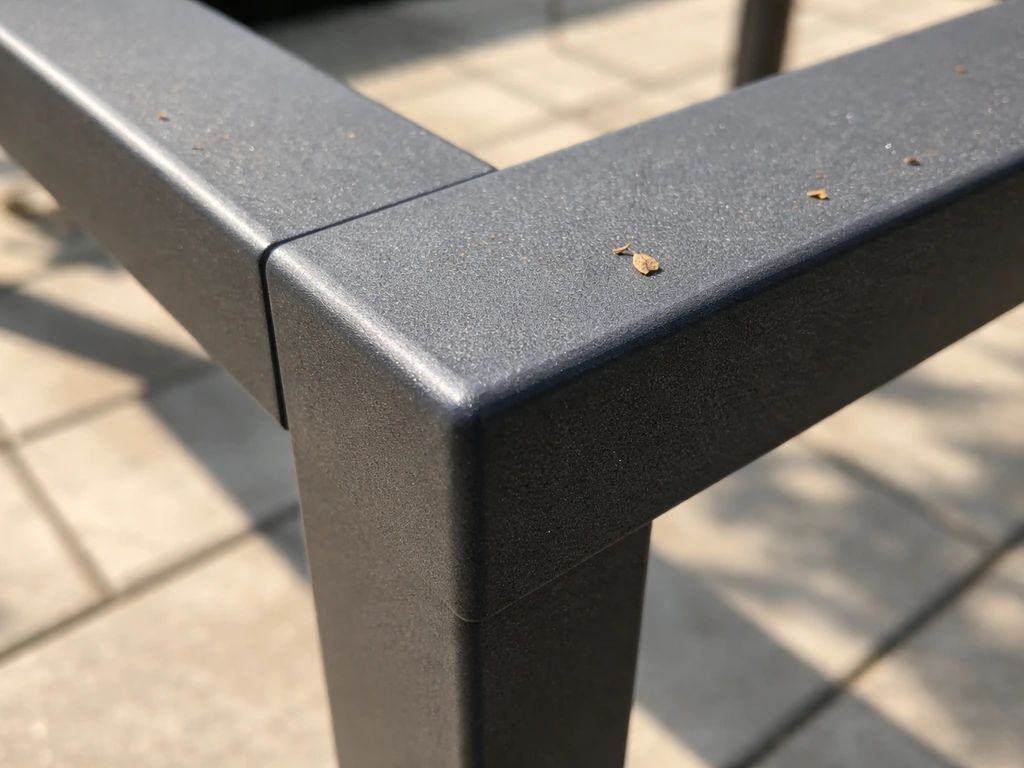
Powder-coated aluminum is the most versatile all-weather frame material available right now. It won't rust, it's lightweight enough to move around easily, and quality powder coating resists UV fading for years. The catch is weld quality: cheaper aluminum sets use thin-gauge tubing with poor weld joints that flex and loosen over time. High-end aluminum frames, like those from Frontgate and Brown Jordan, use thicker extrusions and precision welding that genuinely last a decade or more. When a set markets itself as 'aluminum' without specifying gauge or finish, treat that as a yellow flag.
Teak and Hardwood
Teak is the gold standard for wood outdoor furniture because of its naturally high oil content, which resists water absorption and rot. But there's a persistent myth worth correcting: teak oil does not extend the structural life of teak furniture. According to Teak Culture's care guides, oiling is purely a cosmetic choice to maintain the warm honey color. If you let teak weather naturally, it turns a silver-gray and stays structurally sound for decades. You'll need to oil it every two to three months during the outdoor season if you want to keep that original color, and always let it air dry completely before re-oiling. Budget 'eucalyptus wood' sets are often marketed as a teak alternative: they can perform reasonably well but typically need more consistent sealing and maintenance.
Resin Wicker and PE Wicker
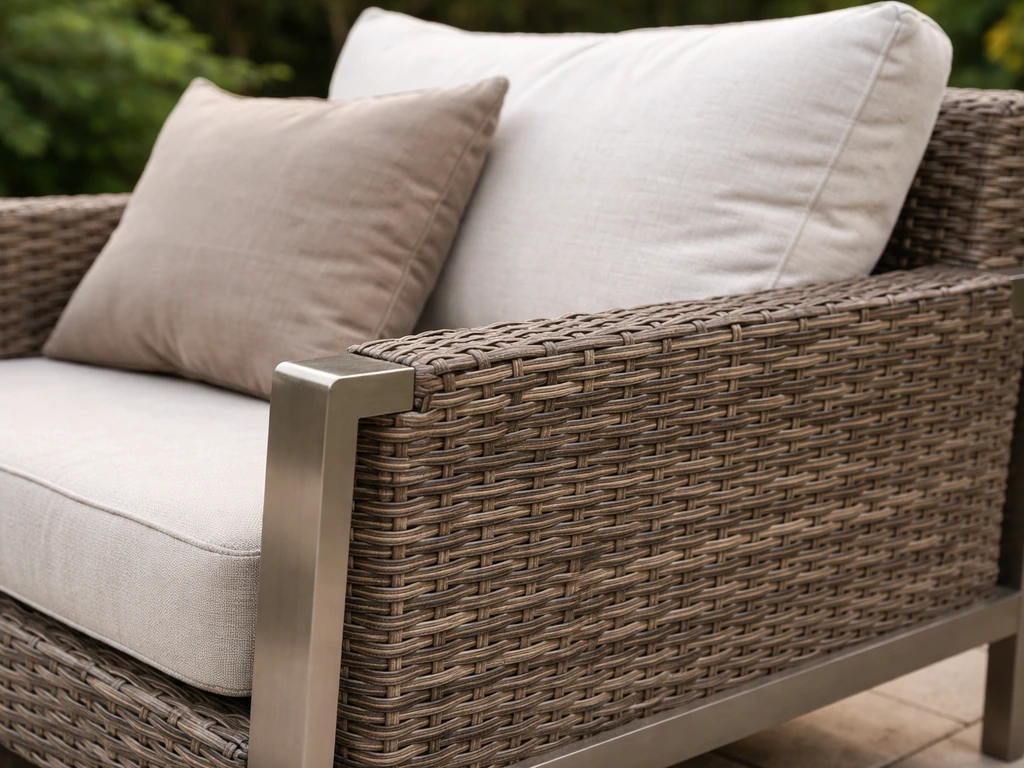
All-weather wicker sold today is almost always made from polyethylene (PE) plastic weaving over an aluminum or steel frame. High-density PE wicker, like what Gloster and some Brown Jordan lines use, is UV-stabilized and handles weather well without cracking or fading for several years. Cheaper PE wicker found on budget platforms can become brittle and crack within one or two seasons if left in constant direct sun. Natural rattan wicker is a completely different product and is not suitable for outdoor use without serious weather protection. If a listing says 'wicker' without specifying PE or HDPE, assume it's the cheaper grade.
Steel and Cast Iron
Steel and cast iron are heavy, stable, and can look great, but rust is the constant battle. Even galvanized or powder-coated steel will eventually rust if the coating is scratched or chipped and left unprotected in wet climates. Steel sets are more forgiving in dry climates, but if you're anywhere with regular rain or coastal salt air, aluminum wins by a significant margin for long-term durability. Budget steel sets from places like Costway or Home Depot's private-label lines are fine for covered patios or dry regions but need prompt touch-up paint on any scratches and seasonal covering.
POLYWOOD and Recycled Plastic Lumber
POLYWOOD and similar recycled high-density polyethylene (HDPE) lumber products are genuinely impressive for all-weather resilience. POLYWOOD explicitly positions their furniture as designed to stay outside in heavy rain, high humidity, and intense sun without concern, and in practice that claim holds up. These sets won't crack, splinter, or need painting. The tradeoff is aesthetics: some people find the look too utilitarian for a curated patio space, and the pieces tend to be heavier than aluminum. But for no-fuss, all-weather durability, especially at coastal properties, recycled plastic lumber is hard to beat.
| Material | Rust/Rot Resistance | UV Resistance | Maintenance Level | Best Climate Fit |
|---|---|---|---|---|
| Powder-coated aluminum | Excellent | Good to Excellent | Low | All climates |
| Teak / hardwood | Very good | Good (grays naturally) | Medium (oiling if color matters) | Mild to moderate rain |
| PE / HDPE resin wicker | Good (frame-dependent) | Good (quality-dependent) | Low to medium | All climates (quality PE) |
| Steel (powder-coated) | Fair (scratches rust) | Good | Medium to high | Dry / covered patios |
| POLYWOOD / recycled HDPE | Excellent | Excellent | Very low | All climates, coastal |
Comfort and Build Quality: What to Check Before You Buy
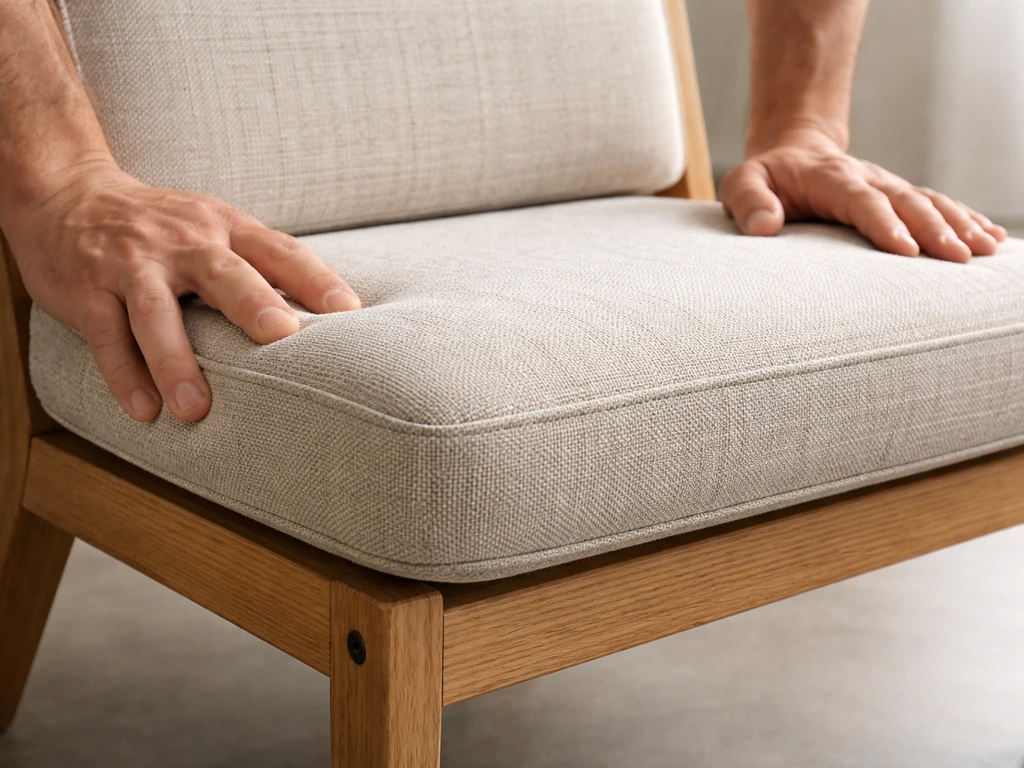
A set can look perfect in photos and still be miserable to sit in. Comfort and build quality are the two areas where budget brands most frequently disappoint, and where review-reading pays off most.
Frames and Joinery
Wobbly chairs are one of the most commonly cited failure signs in patio furniture reviews, alongside cracked frames and rust spots. The culprit is almost always poor joinery: thin-walled tubing connected with cheap screws instead of welded joints, or plastic connectors that degrade in UV. When shopping, look for sets that specify welded aluminum construction and hardware made from stainless steel or zinc-plated bolts. If you can see the set in person, push down on a corner of the table and watch the frame: any flex or creaking is a sign the joinery won't survive seasons of real use.
Cushion Construction and Fabric
Cushion quality is where budget sets most visibly cut corners. Cheap polyester fill compresses and clumps within a season, and bargain-grade fabric fades and traps mildew. The standard to measure against is Sunbrella: solution-dyed acrylic that resists UV fading, dries quickly, and can be cleaned with a diluted bleach solution (one teaspoon of dishwashing liquid and one teaspoon of bleach per cup of water) without damaging the fabric. High-end brands like Gloster design their outdoor cushions so that water cannot penetrate the cushion filling under normal conditions, which significantly reduces mold risk in the core. If a set lists fabric as '100% polyester' with no performance rating, expect fading and mildew within one to two seasons in high-UV or humid environments.
Hardware and Rust Resistance
Hardware is the sleeper issue in outdoor furniture. Even a quality aluminum frame can develop rust staining if the connecting hardware is plain steel. Look for sets that specify stainless steel hardware or marine-grade fasteners. Also, water trapped inside damaged cushions can migrate to frame joints and accelerate rust or rot, which is why cushion cover integrity matters beyond just comfort. If your cushion covers start to crack or separate at the seams, replace them promptly rather than letting moisture work its way into the frame contact points.
Budget vs. Premium Brands: What You're Actually Paying For
The honest answer is that the price gap between a $400 Costway set and a $3,000 Pottery Barn set is real, but not always proportional to quality. Here's what actually changes as you move up the price ladder.
Budget Tier: Costway, Temu, and Similar
Sets in the $200 to $600 range from Costway and comparable retailers can deliver decent value for covered patios, light seasonal use, or anyone willing to bring cushions inside and cover frames year-round. Costway's warranty is a one-year limited coverage for manufacturing defects in home-use environments, which is typical for this tier. The coverage is basic, excluding accidental damage and unauthorized repairs, so you're largely on your own after that first year. Build quality varies significantly between product lines, so reading reviews carefully (especially for time-delayed feedback) matters more here than at any other price point. Think of budget sets as a two-to-four-year investment with proper care, not a ten-year piece.
Mid-Range Tier: Wayfair, Home Depot, and Lowe's House Brands
The $600 to $1,800 range is where things get interesting. Large retailers in this space typically offer at least a one-year limited manufacturer warranty on outdoor furniture (including aluminum frames and fabric components), and many of the better-performing sets in this range use genuine powder-coated aluminum frames with PE wicker or Sunbrella-grade cushions. Wayfair's Verified program adds a useful filter here: those badges reflect actual return rates and performance evaluations, not just marketing. This tier is where you find the best value-to-quality ratio if you're willing to do a little research.
Premium Tier: West Elm, Pottery Barn, Frontgate, Restoration Hardware
Above $2,000, you're paying for better materials (thicker aluminum extrusions, genuine teak, high-grade PE wicker), better cushion fills, better hardware, and often better design aesthetics. But warranties don't necessarily scale with price. West Elm's outdoor furniture carries a one-year limited warranty covering manufacturing defects, and weather-related damage may not be covered unless explicitly stated. Frontgate and similar premium brands often offer better warranty terms, but you should always read the fine print. What you genuinely get at this price point is longer structural life (often 10-plus years for quality teak or aluminum), better cushion performance, and pieces that hold their visual appeal season after season.
| Price Tier | Representative Brands | Expected Lifespan (with care) | Warranty Typical | Best For |
|---|---|---|---|---|
| Budget ($200-$600) | Costway, Temu, AmazonBasics | 2-4 years | 1 year limited | Covered patios, light seasonal use |
| Mid-Range ($600-$1,800) | Wayfair, Home Depot, Lowe's brands | 5-8 years | 1 year limited | Most homeowners, value seekers |
| Premium ($1,800-$5,000+) | Frontgate, Pottery Barn, West Elm, Restoration Hardware | 10+ years | 1-5 years (varies) | Long-term investment, frequent use |
Style and Size Matching: Getting the Look and Layout Right
The most common mistake people make isn't picking the wrong material, it's buying a set that's the wrong scale for their space. A seven-piece sectional that looks proportional in a showroom or product photo can overwhelm a 10x12-foot patio and leave no room to move around it. Before you buy anything, measure your usable patio space and account for at least 36 inches of clearance around each furniture piece for comfortable movement.
Style matching matters more for patios than people expect because outdoor furniture exists in a visual context that includes your home's exterior, landscaping, and even your neighbors' yards. Modern powder-coated aluminum with clean lines and neutral-colored Sunbrella cushions works in almost any setting. Teak and natural hardwood reads as warm and traditional. PE wicker in natural brown tones bridges contemporary and classic well. Brightly colored powder-coated frames (popular from brands like Fermob) work beautifully in gardens but can feel jarring against certain architectural styles.
- Measure your patio and mark out furniture footprint with tape before buying
- Plan for 36 inches of clearance around dining tables and at least 18 inches between lounge chairs
- Choose a frame finish that echoes or complements your home's exterior palette
- Sectionals work best on square or L-shaped patios with 14+ feet on the longest side
- Bistro sets (two chairs plus a small table) are the best solution for patios under 6x8 feet
- Consider sightlines from inside your home: the furniture will be visible year-round
For seating layout, think about how you actually use your patio. If you host dinner parties regularly, a dining set with six or eight seats is the priority. If your patio is mostly for morning coffee and reading, two lounge chairs with a side table will serve you better than a full sectional that sits empty. Conversation sets (low coffee table surrounded by chairs and a loveseat) work well for evening entertaining where you want seating that faces inward.
Maintenance and Weatherproofing: Cleaning, Covers, and Long-Term Care
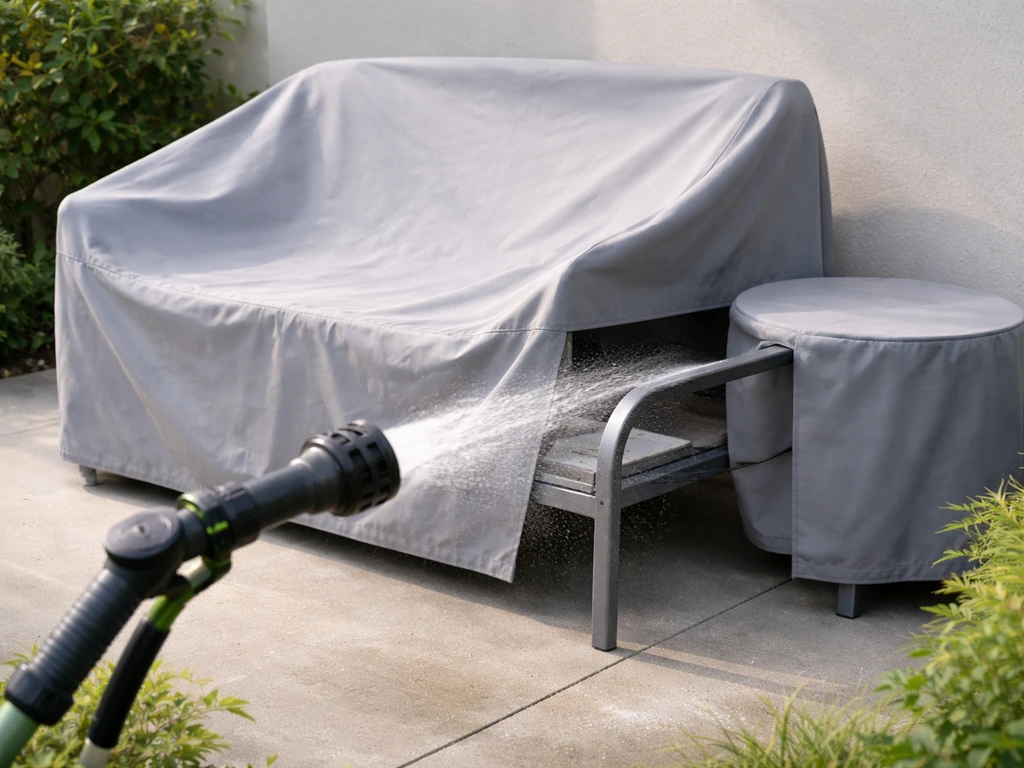
No outdoor furniture is truly maintenance-free. The difference between a set that lasts 10 years and one that looks beat up after three is almost always maintenance consistency, not initial price. Here's what each material actually needs.
Aluminum and Metal Frames
Powder-coated aluminum needs very little: rinse with a garden hose a few times per season, use mild soap for stubborn dirt, and inspect annually for chips in the powder coat. Touch up any chips promptly with matching touch-up paint to prevent the underlying aluminum from oxidizing. Steel frames need the same care but demand faster attention to any scratches: even a small chip left unaddressed in a wet climate will develop rust spread within months.
Teak and Wood
Rinse teak with clean water to remove surface dirt, let it air dry completely, and re-oil every two to three months during the outdoor season if you want to maintain the original warm color. If you let it go gray naturally, just keep it clean. Don't use abrasive scrubbers, which can damage the grain. Teak oil is cosmetic, not structural protection, so skipping it won't cause your furniture to rot or fail structurally.
PE Wicker
Clean PE wicker with mild soap and warm water, rinse thoroughly with a garden hose, and let it dry completely before putting cushions back or covering it. The weave can trap debris, so a soft brush helps get into the gaps. Check the frame joints seasonally: most wicker furniture fails at the frame (often steel) rather than the weave itself, so look for early rust signs at connection points.
POLYWOOD and Recycled Plastic
POLYWOOD and similar HDPE pieces are about as low-maintenance as outdoor furniture gets. Use mild soap and water, and avoid abrasive scrubbers or polishing compounds that can dull the surface. If you need to use bleach for mold or staining, wear chemical-resistant gloves and follow dilution guidelines carefully. These pieces can genuinely stay outside year-round in most climates without significant degradation.
Cushions and Covers
Cushion care is the most overlooked maintenance category. For mold and mildew on Sunbrella or similar performance fabrics, a solution of one teaspoon of dishwashing liquid plus one teaspoon of bleach per cup of water will clean it effectively without damaging the fabric. Always let cushions dry fully in the sun before storing or covering. Investing in fitted furniture covers is worth it for any set you plan to keep more than a season or two: good covers prevent UV degradation on frames and dramatically reduce how often you need to clean cushions. Make sure covers are breathable rather than solid plastic, which can trap moisture and accelerate mold.
Best-Fit Picks by Patio Use Case
Rather than naming a single 'best' set (which would be meaningless without knowing your patio), here are honest recommendations by use case based on the criteria that actually show up in long-term reviews. For more specific guidance, you can also use patio 1 outdoor furniture reviews to compare real customer experiences before you buy. Many shoppers also compare outer patio furniture reviews to spot build-quality issues and material choices that match their climate and maintenance habits.
Small Spaces and Apartments
For balconies and small patios under 8x10 feet, look for folding or stackable chairs paired with a small bistro table. Powder-coated aluminum is ideal here because you can bring it inside easily if needed, and it won't add problematic weight to a balcony. Budget sets from Costway work fine in this scenario because storage is usually close and exposure is limited. A mid-range aluminum bistro set from a Wayfair Verified line in the $200 to $400 range is often the sweet spot.
Regular Entertaining
If you host four or more people regularly, prioritize an eight-piece dining set with a quality aluminum or teak frame and Sunbrella or equivalent cushions. This is the use case where investing in the mid-to-premium range pays off most clearly: cheap chairs that flex and creak under frequent use frustrate guests and fail faster. Pottery Barn and Frontgate dining sets perform well in this category, and their cushion quality shows up clearly in long-term reviews. If budget is a constraint, a mid-range aluminum dining set with separately purchased Sunbrella cushions can match premium performance at a lower cost.
All-Weather and Low-Maintenance Needs
If you want to leave furniture out year-round with minimal intervention, POLYWOOD or powder-coated aluminum with Sunbrella cushions is your answer. POLYWOOD specifically is designed to handle heavy rain, humidity, and direct sun without concern, and real-world reviews from coastal and high-humidity climates consistently back that up. Pair any all-weather set with breathable covers for the cushions during extended non-use periods, and you can genuinely go seasons without any meaningful maintenance effort.
Aesthetic-First Buyers with a Covered or Semi-Covered Patio
If your patio has a roof, pergola, or deep overhang, you have more material freedom. Teak looks stunning and ages gracefully. High-end PE wicker from brands like Gloster brings a curated resort feel. Even quality steel or cast iron can work in a covered setting without the rust risk that makes it impractical in exposed locations. This is where West Elm and Restoration Hardware sets genuinely earn their price premiums: the design quality and material finish are visibly superior, and under cover, you'll get maximum lifespan from the investment.
Your Quick Checklist Before You Buy
Use this before you commit to anything. If you can answer every item confidently, you're ready to buy. If any of them expose a gap, fill it in first.
- Measure your patio and mark the furniture footprint: does it leave 36+ inches of clearance?
- Identify your climate type: high UV, frequent rain, coastal salt air, or mild and dry?
- Choose your frame material based on climate and maintenance willingness (see material table above)
- Confirm cushion fabric rating: look for Sunbrella, solution-dyed acrylic, or equivalent performance spec
- Check hardware specs: stainless steel or zinc-plated fasteners, not plain steel
- Read at least 10 reviews from buyers in similar climates, filtered to the most recent and most critical
- Verify warranty coverage and what it actually excludes (weather damage, modifications, normal wear)
- Budget for covers: quality fitted covers add $50 to $200 but meaningfully extend set lifespan
- Decide on a maintenance routine before you buy: if you won't oil teak every two to three months, choose aluminum instead
- Confirm return/exchange policy before purchase, especially for large sets bought online
If you want to go deeper on specific segments, individual brand reviews for lines like Outer, Patio Renaissance, and Patio Plus each have their own performance stories worth reading when you're narrowing down to a specific aesthetic or retailer. The core principles above apply universally, but the brand-specific details matter once you're comparing two finalists side by side.
FAQ
How many reviews is “enough” for outdoor patio furniture reviews to be reliable?
Use review volume as the first filter, but set a minimum threshold (for example, at least 50 total reviews for the set). Then check that the most common complaints appear in multiple reviews and not just one long outlier. If there are very few reviews but the product has lots of recent sales, the score may still be skewed, especially for new releases.
Should I trust a high rating when the negative reviews are all about delivery or missing parts?
Delivery and missing-piece complaints are useful, but they are not the same as durability issues. Prioritize negatives that describe performance after use (wobble, rust, fading, mildew), not only shipping damage. If most negatives are packaging-only, the construction may be fine, but confirm parts availability and whether the brand sells replacements.
What’s the best way to tell if a set’s cushions will mildew in my climate?
Look for reviews written after sustained humidity or for people who mention storing cushions outdoors or in damp seasons. Also check if reviewers describe mildew spots on the inside seams or just surface discoloration. Cushion covers that crack early, zippers that fail, or covers that do not fully shed water are frequent early warning signs.
Do I need waterproof covers even for all-weather materials like aluminum, PE wicker, or POLYWOOD?
You still benefit from using breathable covers, especially for extended periods (weeks to months) when rain and humidity linger. Breathable covers reduce trapped moisture near seams, hardware, and cushion interiors. For foam or performance fabrics, keeping cushions covered is particularly important, since the filling can hold dampness longer than the frame.
How can I evaluate whether “wicker” is actually durable for outdoor patio furniture reviews?
Require clarification on the resin type, look for mentions of polyethylene (PE) or high-density PE (HDPE), and treat listings that only say “wicker” as likely lower-grade. In reviews, confirm whether users describe cracking or fading after at least one summer of direct sun. Also check whether failures are reported at the frame joints rather than the weave.
Is teak oil worth it, given that teak oil does not protect the structure?
Oiling is mainly for color maintenance, and you should expect to reapply on a schedule during outdoor season. If you prefer the silver-gray look, you can skip oiling and focus on rinsing and air-drying. If you do oil, let surfaces fully dry between applications to avoid uneven sheen and sticky spots.
What’s the most overlooked durability issue besides rust and fading?
Hardware and seam integrity. Even durable frames can develop problems when connecting fasteners are low-grade steel or when cushion covers tear and let water migrate into joints. In reviews, look for mentions of loose hardware, missing replacement parts, and early zipper or seam failure rather than only surface rust or fabric color changes.
How should I use outdoor patio furniture reviews if I plan to keep the set uncovered?
Adjust your expectations and filter for long-term, weather-exposure reviews (people who left furniture outdoors year-round). Prefer materials noted for staying outside and look for cushion care details that match your plan, since uncured moisture and trapped humidity are a major mildew trigger. If reviews mention cover use making a difference, factor that in even if you intend to leave it uncovered.
What should I check for comfort that reviews might not mention clearly?
Look for comments about seat depth, back support, and whether cushions feel firm versus collapsing over time. If reviewers mention “sagging,” “flat,” or “hard after a few months,” that often indicates fill compression. Also confirm whether arms and table edges feel comfortable for longer sitting, not just whether the set looks good.
Are folding or stackable sets always worse quality for small patios?
Not always, but mechanisms (hinges, locking points, and alignment) can be the weak spot. In reviews, watch for wobble at the joints, loose locks, and rust at hinge areas. If you will frequently move chairs in and out for weather, prioritize stainless or protected hardware and reviews that mention smooth operation after repeated folding.
How do I choose the right size layout using patio furniture review guidance?
Measure your usable space and plan for walking paths, aim for about 36 inches of clearance around furniture for comfortable movement. Then validate scale using review photos from real homes when available. A frequent mistake is buying a “7-piece” set that forces elbows and shins against adjacent pieces, even if the set fits the floor plan.
Do more expensive outdoor patio furniture sets always come with better warranties?
Not automatically. Higher price often correlates with better materials, but warranty terms can still be limited (like one-year coverage) or exclude weather-related damage depending on the brand. In reviews, check whether people describe successful replacement experiences for parts like cushions, fasteners, or frames, not just whether a warranty exists.
Patio Furniture Cover Reviews: Best Picks by Weather Need
Review-based guide to best patio furniture covers by weather, fit, durability, and maintenance from budget to premium pi