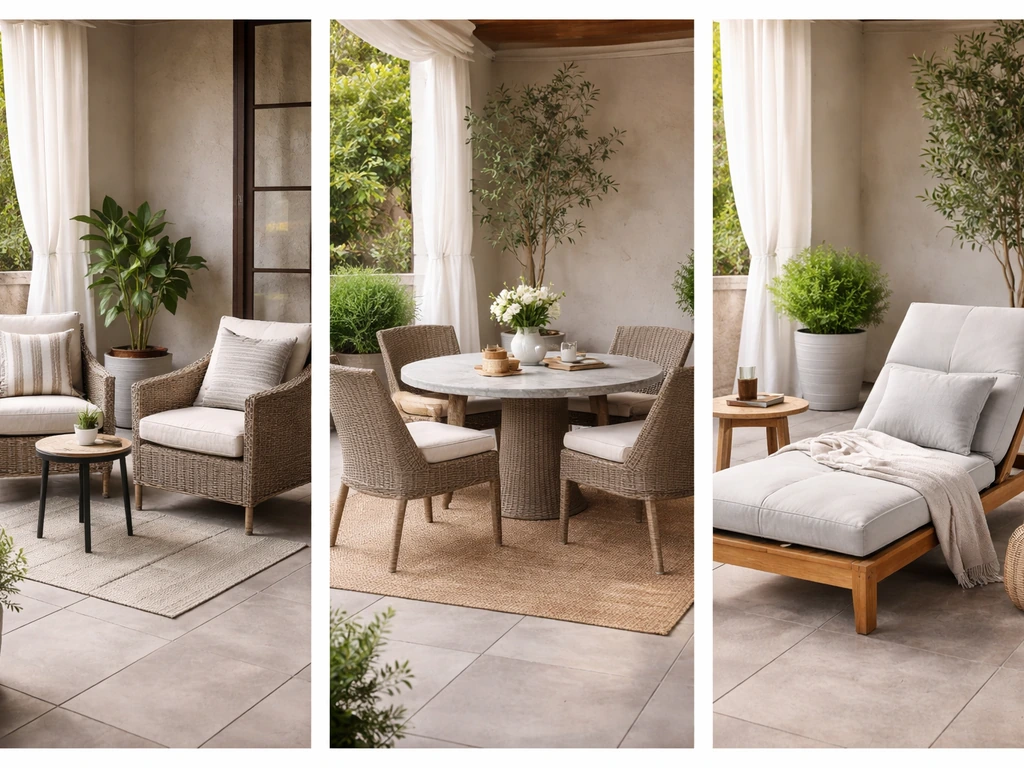
The best patio furniture reviewed in 2020 came down to a few consistent winners: powder-coated aluminum or steel frames, all-weather resin wicker, and Sunbrella-grade cushion fabric. Sets from Hampton Bay, Hanover, and Brown Jordan Outdoor held up repeatedly in expert roundups, while budget picks from Costway earned solid short-term ratings but showed material tradeoffs over time. If you are shopping today using 2020 review data as your reference point, the core lessons still hold: frame material and finish quality predict longevity more than brand name or price tag, and a set that scored well in 2020 durability tests is a reliable template for finding a current equivalent.
Patio Furniture Reviews 2020: Best Sets, Materials, and Value

Holly Dawson
17 Jun 2026
What patio furniture reviews from 2020 should actually help you decide
When people search for 2020 patio furniture reviews, they are usually trying to do one of two things: find a specific model they heard about that year, or use older review data as a reality check on a current purchase. Both are smart moves. The 2020 buying season was unusual because COVID-era demand spiked, which meant bestseller lists were shaped partly by what was in stock rather than purely what was best. That context matters. High review counts on Amazon that year often reflected pandemic-driven volume, not necessarily long-term satisfaction.
What 2020 reviews are genuinely good at telling you is how specific materials performed after one to three seasons of real outdoor exposure. Reviewers who bought in spring 2020 had lived with their furniture through at least one full winter by the time follow-up reviews landed. Those later reviews, particularly one-star updates mentioning rust, fading, or broken welds, are where the real signal lives. Use 2020 review threads as a durability audit, not just a popularity snapshot. Reviews from that period for sets from 2022 or 2024 collections that share the same frame specs are directly applicable today. For a fresh look, you can also compare these durability takeaways with patio furniture reviews 2024 to see whether the same materials and failure points show up in current models.
How to read patio furniture reviews like an expert
Expert reviews and user reviews measure completely different things, and knowing which to trust for what question saves a lot of headaches. Editorial roundups from outlets like Good Housekeeping or Reviewed prioritize lab-tested or professionally evaluated criteria: frame straightness, weld quality, cushion density, and fabric UV resistance. Those picks tend to favor mid-to-premium sets because those sets pass objective construction checks. User reviews on Amazon or Home Depot's site tell you about real-world experience: how hard assembly was, whether hardware was missing, how cushions smell out of the box, and critically, how the set looks and feels after six months of actual weather. If you are comparing older buying patterns, you can also cross-check results from patio furniture reviews 2018 to spot consistent build or comfort trends over time.
The trap with high star ratings is that a 4.5-star rating on a set with 3,000 reviews can mask a consistent 15 percent one-star rate. Filter specifically for one-star and two-star reviews and look for patterns. If ten people mention the same weld cracking or the same cushion cover zipper failing, that is a product defect, not bad luck. Also pay attention to verified-purchase badges and photo uploads. Photos of rusted frames after a single rainy season are more useful than five paragraphs of enthusiastic prose from someone who just unboxed the set.
For expert signals, the key phrase to look for in 2020-era roundups is 'powder-coated steel' or 'rust-resistant aluminum.' When Reviewed's 2020 roundup called out the Hampton Bay powder-coated steel coffee table specifically for its weather-friendly finish, that was a deliberate quality signal, not filler copy. Similarly, when Forbes Vetted describes selections as 'customer-loved, best-selling' from brands like Frontgate or Pottery Barn, that phrasing tells you they are weighting popularity and brand reputation alongside objective testing. Both approaches have value, but they answer different questions.
What to ignore in reviews

- Reviews posted within the first two weeks of ownership (too early for durability signals)
- Ratings that focus entirely on aesthetics without mentioning materials or weather performance
- Five-star reviews that read like product descriptions (often incentivized or templated)
- Any review that doesn't mention the reviewer's climate or whether the furniture is covered or uncovered seasonally
- Star averages on discontinued 2020 SKUs where follow-up season reviews may have dragged the rating down after the original buzz faded
Best patio furniture types from 2020: sets, loungers, swings, and covers
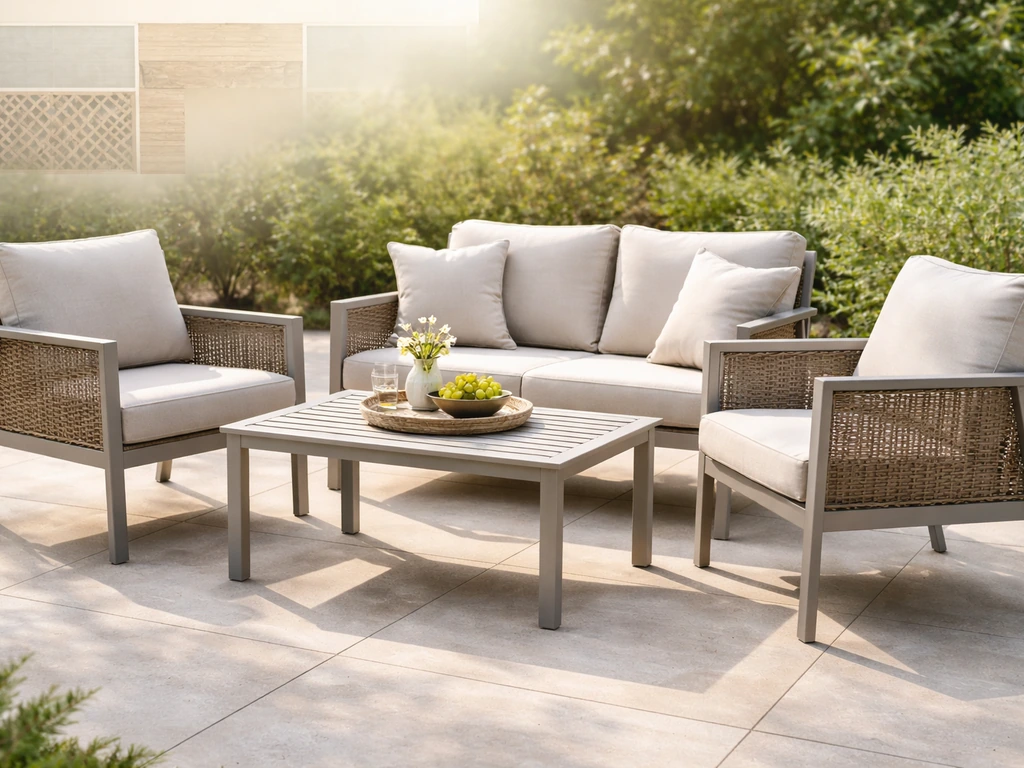
Conversation sets and sectionals dominated 2020 buying guides. The standard winning configuration was a three-piece or five-piece set with a powder-coated steel or aluminum frame wrapped in resin wicker, paired with thick cushions (at least 3.5 inches) in a weather-resistant fabric. Hampton Bay and Hanover were the most consistently recommended mid-range names, while higher-end guides pointed to sets from Frontgate and Brown Jordan for buyers willing to spend over one thousand dollars for frames with lifetime finish warranties.
Outdoor dining sets in 2020 split into two camps based on expert input. Bistro-style two-to-four-person sets were recommended by designers for small balconies and urban patios, prioritizing space efficiency over lounging comfort. Larger six-to-eight-person dining sets with extendable tabletops rated highest for families, with teak and powder-coated aluminum both earning strong marks. Eater's June 2020 guide leaned toward designer-curated bistro picks, which is a useful reminder that aesthetic fit matters alongside durability when you are furnishing a visible outdoor space. Eater’s June 2020 guide highlights designer-curated bistro picks for outdoor dining sets, emphasizing aesthetic fit along with durability Eater's June 2020 guide leaned toward designer-curated bistro picks.
Outdoor swings and swing beds had a strong 2020 showing driven partly by pandemic-era backyard focus. The most reviewed swings that year were freestanding canopy swings with steel frames and polyester canopy fabric. These rated well for comfort and aesthetics initially, but follow-up reviews flagged rust at the frame joints and canopy fabric fading within two seasons for budget versions. If you want a swing today based on 2020 evidence, look specifically for models with a galvanized or powder-coated steel frame and a UV-stabilized canopy. That combination addressed the most common failure points from that era's reviews.
Patio furniture covers were a frequently overlooked category in 2020 roundups but generated some of the most passionate user reviews. Heavy-duty polyester covers with a 210D to 600D fabric rating, double-stitched seams, and adjustable straps were rated far above flimsy single-layer covers that blew off or trapped moisture. The recurring lesson: buying a quality cover for your set is not optional if you want that set to survive more than two winters without significant fading or frame surface damage.
Budget vs premium: what you actually get at each price point
The price landscape in 2020 mapped almost perfectly to material quality tiers, and that relationship has not changed much. Here is what the review evidence consistently showed across the spectrum.
| Price Tier | Typical Brands | Frame Material | Cushion Quality | Expected Lifespan | Review Verdict |
|---|---|---|---|---|---|
| Under $300 | Costway, Temu, generic Amazon sellers | Thin steel, often bare or lightly coated | 2-inch polyester fill, basic polyester fabric | 1-2 seasons outdoors uncovered | Good for covered patios or seasonal use; rust and fading common after year one |
| $300-$700 | Hampton Bay, Hanover, Sunnydaze | Powder-coated steel or lightweight aluminum | 3-inch fill, some weather-resistant fabric options | 3-5 seasons with moderate care | Best overall value tier; most 2020 'best pick' recommendations landed here |
| $700-$1,500 | Telescope Casual, Windham Castings, mid-tier West Elm | Cast aluminum or thick tubular aluminum | 4-inch fill, Sunbrella or equivalent UV fabric | 5-8 seasons | Strong durability scores; worth the jump from mid-range if you have an uncovered patio |
| $1,500+ | Frontgate, Pottery Barn, Brown Jordan, high-tier West Elm | Cast aluminum, teak, or marine-grade polymer | Custom fill, Sunbrella standard | 10+ seasons with basic maintenance | Justified for permanent outdoor rooms; review complaints at this tier are almost always about delivery or assembly, not product quality |
The budget tier from brands like Costway earned real enthusiasm in 2020 from apartment dwellers and renters who needed a quick, affordable setup. And for covered patios or sunrooms where direct weather exposure is minimal, those sets still make sense today. The problem comes when buyers treat a $250 set the same way they would treat a $1,200 set: leaving it uncovered through freeze-thaw cycles, expecting the frame to resist rust without any maintenance. The set is not the problem; the expectation mismatch is. Premium brands like Frontgate and Pottery Barn earned their prices in 2020 reviews mostly through frame and finish longevity, not through dramatically more comfortable cushions at the point of purchase.
Materials and build quality: what reviewers were actually testing
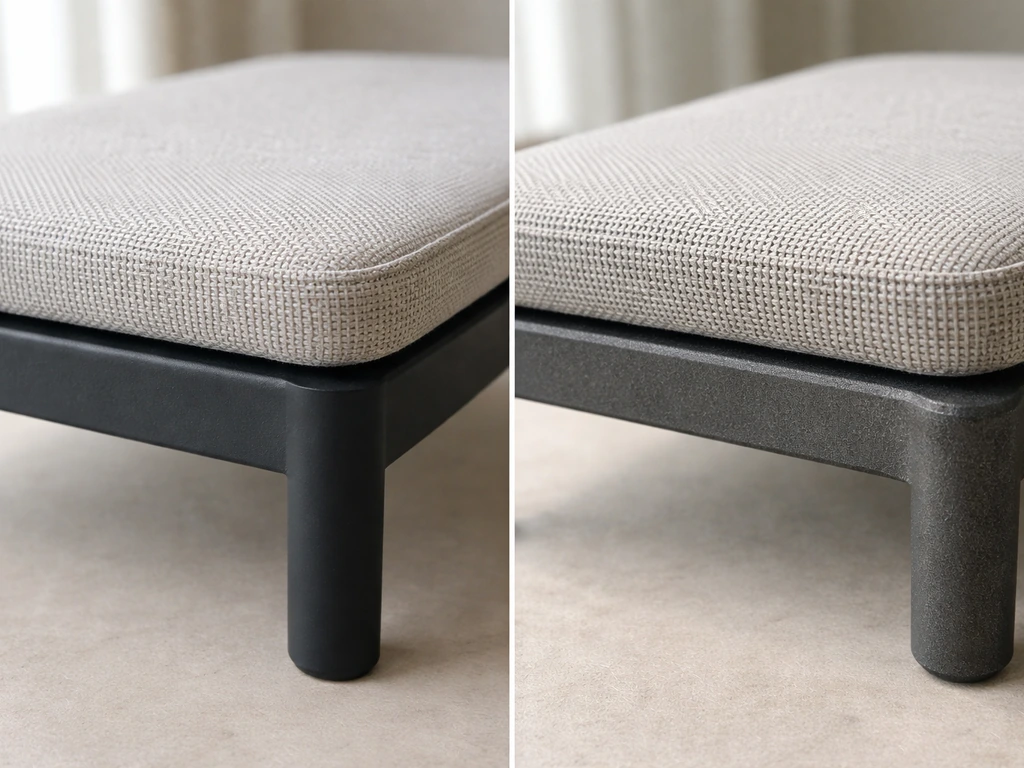
Frame material is the single most important variable in outdoor furniture longevity, and it was the most consistent predictor of long-term review scores in 2020. Powder-coated steel is heavier and cheaper to produce than aluminum, which makes it common in the value tier. The powder coat protects against rust, but once it chips (from dragging, stacking, or impact), the bare steel underneath starts corroding fast. Cast aluminum does not rust at all, which is why it dominates the premium segment and why ten-year-old aluminum patio sets still look presentable while steel sets from the same era often do not.
Resin wicker was the dominant aesthetic in 2020 and generated some of the most informative review data. All-weather resin wicker is a polyethylene weave over a metal frame, and the quality range is enormous. High-density polyethylene (HDPE) wicker resists UV degradation, cracking, and moisture far better than cheaper PVC-based weaves. The telling review signals: cheap wicker starts discoloring or cracking at the weave intersections within two seasons. Quality wicker holds its color and flexibility for five or more years. Reviewers who photographed their sets after two seasons provided the most useful comparison data in this category.
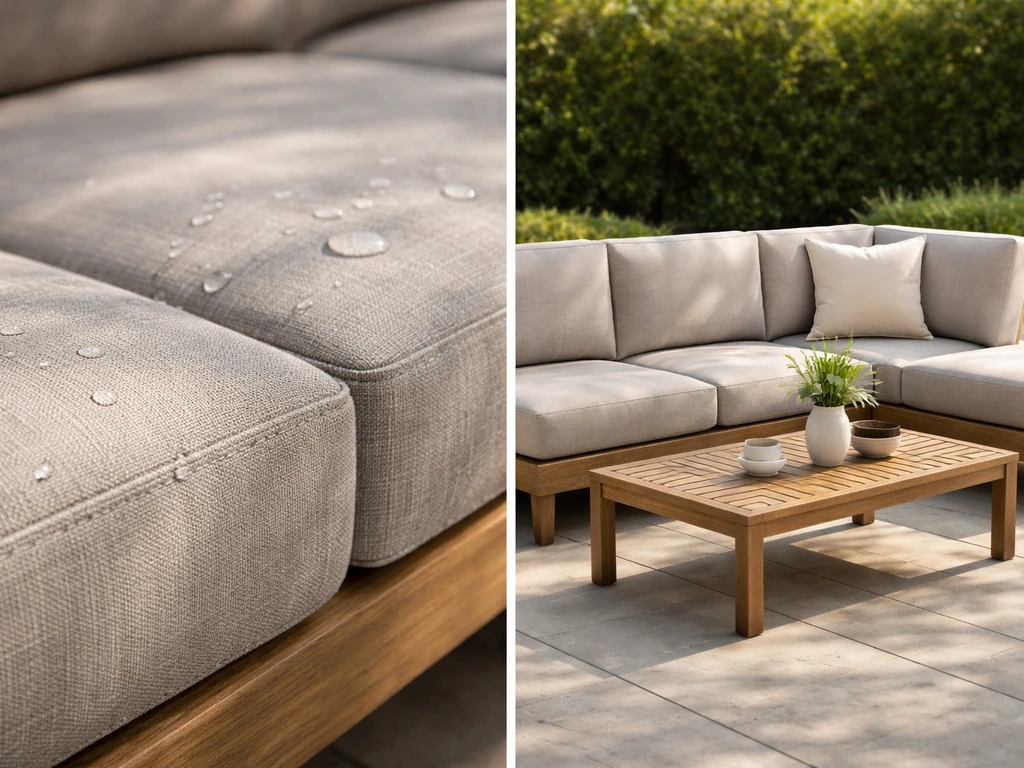
Cushion fabric is where the gap between editorial recommendations and user satisfaction tends to be widest. Expert guides correctly pointed to Sunbrella fabric as the gold standard in 2020, and that recommendation still holds. Sunbrella is solution-dyed acrylic, which means the color is locked into the fiber rather than printed on the surface. It resists fading, mold, and mildew far better than standard polyester. But many 2020 sets in the mid-range tier came with polyester cushions labeled 'water-resistant' rather than genuinely waterproof or fade-resistant. Users who left those cushions outdoors through summer found them faded and musty by fall. If your cushion tag does not say Sunbrella or equivalent solution-dyed acrylic, bring cushions inside when not in use.
Key material specs to check before you buy
- Frame: look for cast aluminum (no rust) or powder-coated steel with a warranty on the finish
- Wicker: confirm HDPE over PVC; HDPE feels slightly waxy and is more flexible when you bend a strand
- Cushion fill: 3.5 inches minimum for seating comfort; 4 inches for loungers
- Cushion fabric: Sunbrella, Outdura, or solution-dyed acrylic for uncovered patios; standard polyester is fine for covered spaces
- Hardware: stainless steel or galvanized hardware resists corrosion; zinc or bare steel bolts will show rust staining on cushions within a season
- Tabletop material: tempered glass, aluminum slatted tops, or teak rate best for weather resistance; untreated natural wood requires annual sealing
Maintenance, warranty, and the real long-term cost
One thing 2020 reviews were consistently bad at capturing upfront was total cost of ownership. A $400 conversation set that requires $60 in covers every two years, $30 in touch-up paint for rust spots each spring, and replacement cushions at $80 after three seasons has a very different five-year cost than a $900 set that needs only an annual wipe-down. When you do the math, the mid-range and premium tiers often cost less over five years than the budget tier, especially in wet or humid climates.
Warranty terms from 2020-era product listings reveal a lot about manufacturer confidence in their own materials. Budget sets typically offered one-year limited warranties covering defects only. Mid-range brands like Hampton Bay offered three to five years on the frame. Premium brands like Frontgate and Brown Jordan offered lifetime or ten-year frame warranties, which in practice means you can get replacement hardware and frame parts without paying full replacement cost. That warranty depth matters particularly if you are buying a large sectional where one broken frame weld would otherwise mean replacing an expensive set.
For teak specifically, the maintenance conversation is worth having directly. Teak furniture rated very highly in 2020 for raw durability, and those ratings are deserved. But teak needs annual cleaning and oiling if you want to maintain its golden-brown color. Left untreated, it weathers to a silver-gray patina that many buyers actually prefer, but some are surprised by. Budget teak-look sets using eucalyptus or acacia also showed up in 2020 roundups; both are solid alternatives at lower price points but require the same annual oiling regimen or they will crack and check within three to four seasons in dry climates.
Annual maintenance by material type
| Material | Annual Tasks | Time Required | Cost Per Year (Approximate) |
|---|---|---|---|
| Powder-coated steel | Inspect for chips, touch up with rust-inhibiting paint, rinse frame | 1-2 hours | $15-$30 |
| Cast aluminum | Rinse, occasional wax coat for finish protection | 30 minutes | $0-$10 |
| Resin wicker (HDPE) | Hose down, mild soap scrub, inspect weave for cracks | 1 hour | $0-$5 |
| Teak or acacia wood | Clean with teak cleaner, apply teak oil or sealer | 2-3 hours | $20-$50 |
| Sunbrella cushions | Spot clean, air dry, store or cover in off-season | Minimal | $0 |
| Polyester cushions | Bring inside when not in use, store off-season | Ongoing | $0-$80 for replacement covers |
How to pick your patio set fast: a checklist and shortlist strategy
If you are using 2020 review data to make a purchase today, most of the specific SKUs from that year are discontinued. But the performance lessons map directly onto current collections because frame specs and material grades have not changed meaningfully at most price tiers. The strategy is to identify the material combination that earned the best 2020 reviews for your use case, then find a current equivalent using those same specs as your filter. If you are specifically tracking patio furniture reviews 2016, the same durability-focused approach will help you spot which materials actually held up 2020 reviews.
- Define your primary use case first: dining, lounging, casual conversation, or a mix. This determines whether you need a dining set, sectional, or mixed configuration.
- Decide whether your patio is covered or fully exposed to weather. Fully exposed patios require Sunbrella cushions and aluminum or HDPE frames. Covered patios open up more material options.
- Set a realistic budget for the full setup including a cover, not just the furniture price.
- Search for the specific frame material (cast aluminum, powder-coated steel) and cushion fabric (Sunbrella or solution-dyed acrylic) in your budget range. Use these as non-negotiable filters.
- For any set you are considering, read reviews filtered to one and two stars first. Look for patterns in failure modes: rust, broken welds, fading fabric, missing hardware.
- Check the warranty on the frame specifically. Three years minimum for mid-range; five or more for premium. A manufacturer with no frame warranty is telling you something.
- Verify cover compatibility before purchasing. Measure your set dimensions and confirm a matching cover is available. Generic covers often trap moisture; a set-specific cover is worth the extra cost.
- Cross-reference against review roundups from 2022 or 2024 that updated similar picks. If a brand's equivalent current model scores well in recent reviews using the same frame specs, you can buy with confidence that the 2020 performance lessons translated forward.
The shortlist approach that worked best in 2020 and still works today is to start with two or three sets that meet your material requirements, then use user reviews to eliminate the one with the most consistent complaints about assembly difficulty or hardware quality. Assembly problems and missing hardware show up fast in early reviews and are usually a supply chain quality control issue that repeats across production runs. The set with the cleanest assembly review pattern typically reflects better overall manufacturing attention, which correlates with the frame and finish quality you actually care about long-term. If you are looking for patio furniture reviews 2022, focus on whether the frame and finish quality holds up after a couple of seasons, not just on first-impression ratings.
It is also worth noting that patio furniture ratings and broader consumer report-style evaluations that covered 2020 picks have since been updated with multi-year durability data. Reviews from 2022 and 2024 roundups that reference sets introduced in 2020 give you the most complete picture: initial expert recommendations validated or contradicted by two to four seasons of real-world user experience. Using both the original 2020 review context and those later follow-up evaluations together is the fastest way to make a confident purchase today.
FAQ
How can I tell from the product listing whether a set is likely to match the 2020 Sunbrella-grade cushion performance?
Look for “solution-dyed acrylic” or “Sunbrella-equivalent” on the cushion tag, and treat “water-resistant” polyester as a red flag. If the tag is vague or missing, plan to store cushions when not in use, because 2020-era reviews commonly reported fading and musty odor on that kind of fabric after one summer.
What’s the biggest practical reason powder-coated steel sets can fail sooner than expected?
Powder-coated steel is durable only until the coating is compromised. If a set uses steel with powder coat, inspect for thick, even coverage and shop for replacement-touch-up paint availability. After any chipping (from dragging or stacking), bare spots corrode faster, which was a common failure pattern in 2020 user updates.
If I buy a budget patio set and use a good cover, can I expect it to last like premium sets from 2020?
Yes, but only when the storage reduces direct rain exposure and moisture buildup. If you leave a set outside, even under a cover, you can still get trapped humidity that accelerates rust on steel and mildew on cushions. For best results, use breathable fit (vents if available), clean and dry cushions before covering, and don’t cover wet furniture.
Are there specific review timing cues in 2020 patio furniture reviews that help separate hype from real durability?
Pay attention to the “verified purchase” filter plus photo review timing. Earlier reviews reflect unboxing and assembly, while later reviews (after at least one full winter or one full hot season) reveal weld cracking, rust spread, zipper failure, and frame wobble. In 2020 data, those later updates were where durability signal was strongest.
How should I evaluate resin wicker quality if I cannot find detailed weave material specs?
Choose based on your weather and sun exposure, not just the material name. HDPE resin wicker generally holds color and flexibility better than cheaper PVC-style weaves, but the underlying metal frame still matters. If you see “resin wicker” without “HDPE” or with a very low price, expect more discoloration at weave intersections after 1 to 2 seasons, as many 2020 reviewers reported.
What warranty details should I check to estimate real long-term value when comparing sets?
Look for two things: a warranty that covers frame components beyond one year, and whether “lifetime” applies to the frame finish and parts rather than only manufacturing defects. In 2020 listings, deeper warranty terms often correlated with easier replacement of hardware and frame sections, which matters most for larger sectionals.
What should I watch for when using 2020 reviews to buy an outdoor dining set with an extendable tabletop?
Dining-table sizing is about usable clearance, not just seats. For extendable tables, verify the extension length and whether the mechanism is accessible without lifting heavy sections, because 2020 complaints often involved difficult extension hardware and misaligned top alignment. If you have small patios, measure walkway and door clearance with the table fully extended.
What are the most common 2020 swing failure points I should screen for before buying?
For swings, prioritize a galvanized or powder-coated steel frame and UV-stabilized canopy fabric, then check the joint areas and stress points in the photos. 2020 follow-ups frequently called out rust at frame joints and faster canopy fading on lower-end versions. Also confirm whether the canopy is removable and how it’s anchored, since hardware quality affected durability.
If I’m choosing between two sets, what’s the best order to compare materials, frames, and cushions?
Use frame material as the primary screen, then confirm cushion construction. For example, if cushions are “water-resistant” but not solution-dyed or explicitly fade-resistant, plan for seasonal storage. 2020 reviews showed that even well-built frames can look disappointing when cushions fade quickly or develop mildew.
How do I find a true “current equivalent” if the exact 2020 SKU is discontinued?
When comparing 2020 review data to a current model, don’t rely on brand name alone. Match the frame construction approach (aluminum vs steel), finish type (powder coat quality), and cushion fabric category (solution-dyed acrylic vs generic polyester). If the current set changes those core specs, 2020 scores become a weaker predictor.
What’s the smartest way to use user reviews to eliminate the worst manufacturing-quality options?
Cross-check for repeatable assembly complaints early in the review history. If multiple early reviewers report missing hardware or finicky alignment, it often indicates a recurring production issue rather than isolated bad luck. The set with the cleanest early assembly pattern in 2020 reviews typically aligned better with the long-term frame and finish quality.
How should I maintain patio furniture covers to avoid the moisture-trap problems some users saw in 2020?
The most realistic expectation is to treat covers as maintenance support, not as a substitute for proper care. To improve outcomes, rinse off pollen and salt residue, remove covers during dry windy days to prevent moisture trapping, and replace covers that sag or tear. In 2020, cover quality strongly influenced long-term appearance and surface damage because it controlled moisture exposure.
What’s the difference between “durable teak furniture” and “teak that stays looking golden” over time?
Teak is durable but requires an annual routine if you want to keep its color. If you enjoy the silver-gray look, cleaning is still important, but oiling is optional. If you are buying teak-look alternatives like eucalyptus or acacia, expect check-cracking or dryness unless you oil on a similar schedule, which matched many 2020 maintenance surprises.
Next Article
Consumer Reports Best Patio Furniture: How to Choose
Get Consumer Reports style picks for patio furniture, with durability, comfort, weatherproofing, and value checks by bud