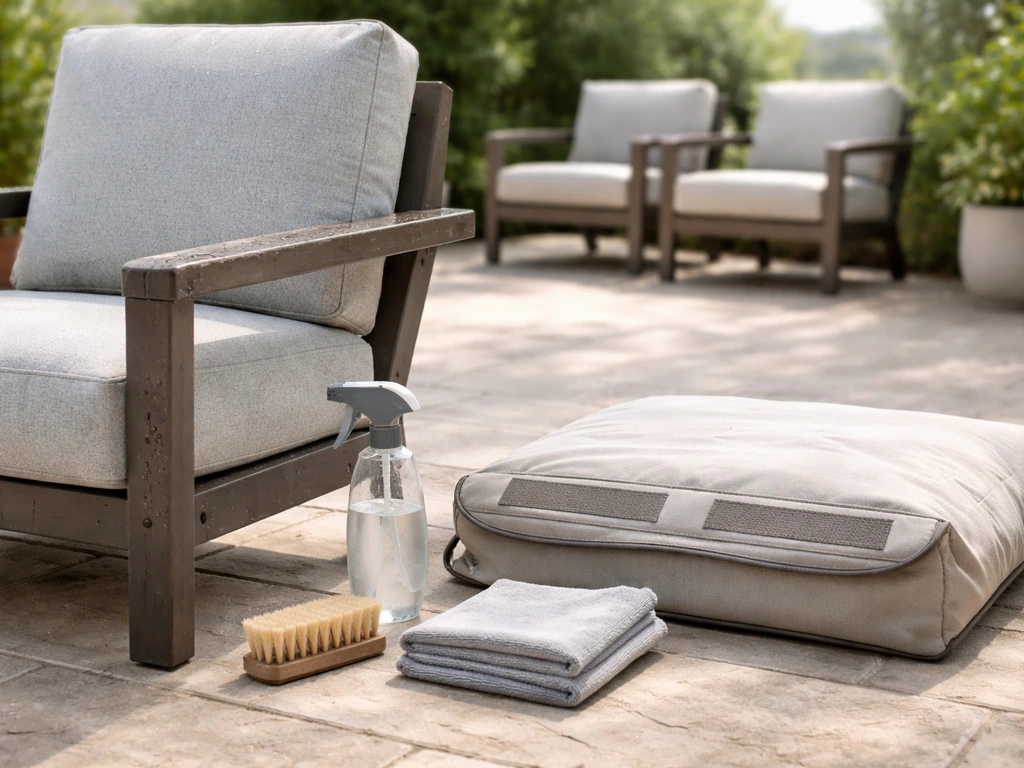
Patio Direct replacement cushions are series-matched, made-to-order outdoor cushions designed to fit specific patio furniture frames by construction type, dimension, and attachment style. To buy the right one, you need four measurements (width, length, thickness, and corner/edge style), the correct series number for your fill preference, and a clear read on whether your chair needs ties, no ties, or a sling-compatible cushion. Get all four right and these cushions fit cleanly, hold their loft, and last several seasons. Miss one and you are stuck with a return that comes with real financial consequences.
Patio Direct Replacement Cushions Reviews: Fit, Comfort, Durability

Holly Dawson
10 Jul 2026
What Patio Direct replacement cushions actually are
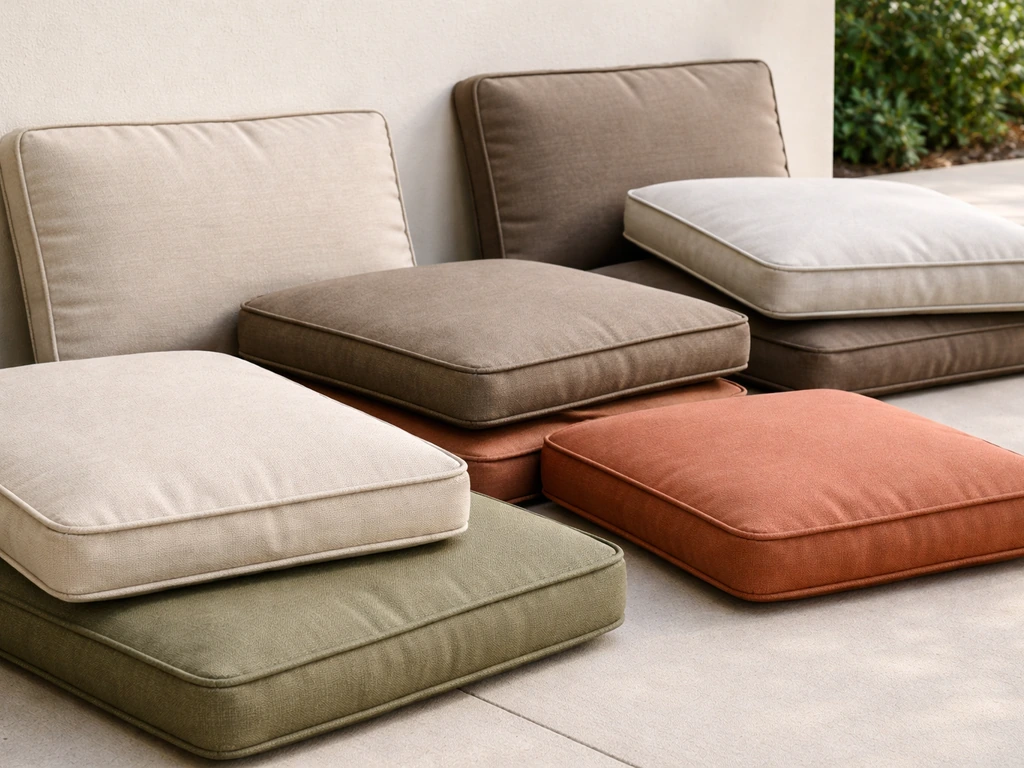
Patio Direct (also branded as AmericanCushions) is a US-based replacement cushion maker that builds cushions to match specific outdoor furniture collections rather than selling purely generic sizes. That distinction matters a lot when you are shopping. Their [catalog is organized into numbered series (100, 150, 200, 250, 300, 450, 500, 550, 600, 650, 680, 700, 800, and 900)](https://www. patiodirectonline.
com/replacement_cushions. htm), and each series represents a different construction method, fill material, and typical loft. The 200 series, for example, uses [4 oz polyester batting with cushion cartridges](https://www. patiodirectonline.
com/pd200cushions. htm) and runs about 3. 5 to 4 inches thick, while the 800 series uses a 1-inch or 2-inch foam core wrapped in 2 oz polyester batting and lands closer to 1. 5 to 2 inches thick.
Those are very different feels underfoot, so matching the series to your original cushion's construction is not optional.
The brand also makes cushions for PVC sling-type frames where the cushion sits inside an open-weave vinyl-coated polyester sling rather than resting directly on a frame. Those are listed separately as PVC Modern and PVC Classic cushions, and they reference specific part numbers tied to seat and back configurations. If your chair has a sling support, you need to match the cushion to that sling system specifically, not just the outer dimensions.
The measurement checklist you need before ordering
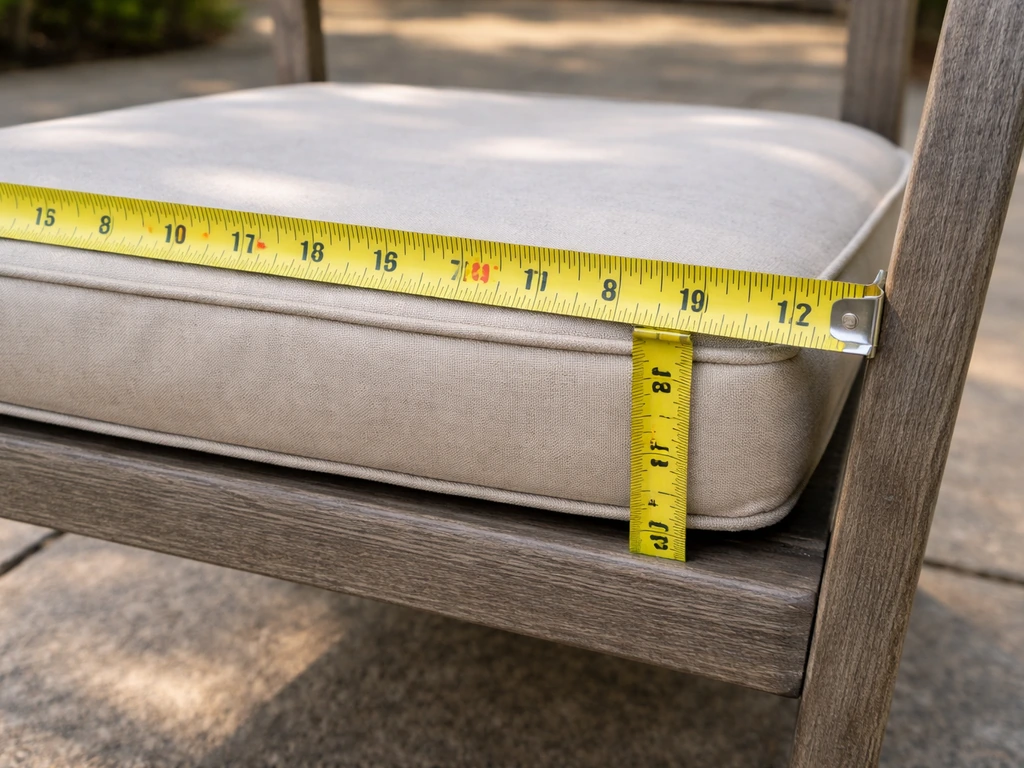
Use a flexible tape measure and measure the existing cushion when it is laid flat and uncompressed. If the original cushion is gone, measure the seat frame opening instead and subtract about half an inch per side for clearance. Here is what to record:
- Width (W): Measure at the widest point, side to side. Patio Direct lists width first in its dimension format, and the width corresponds to where the stuffing seam runs, so getting this right affects how the cushion aligns in the frame.
- Length (L): Total length when laid flat. On cushions with a seat and back section (listed together), the parenthetical dimension breaks out seat depth and back height separately. Record both.
- Thickness: Measure top to bottom at the thickest point, not at a compressed corner. This tells you which series construction matches your original loft.
- Corner and edge style: Note whether corners are rounded, square, or notched (trapezoid cuts are common on angled seat pads). Also identify whether the edge seam is a knife edge (flat, no boxing) or a boxed edge (a separate fabric panel around the perimeter).
- Attachment style: Count ties if present, note their placement (corner only vs corner plus center), and check whether your frame has attachment points that require ties, loops, or no ties at all. Some round and D-shaped cushion options come with no ties by design.
- Seam orientation: For ottoman and bench pads, note where the main stuffing seam runs because reversing width and length will put that seam in the wrong spot.
Patio Direct's own FAQ notes that customers can ask about changing dimensions or adding modifications like buttons, which means if your frame is unusual, contacting them directly with your measurements is a legitimate path. Their AmericanCushions email contact is the right starting point if the series page alone does not give you a clear match.
How to read Patio Direct cushion reviews like a useful filter
Reviews for replacement cushions fall apart when you treat them as simple star ratings. Reading patio set reviews the right way helps you spot whether the cushions actually fit your frame and hold up after real use. A reviewer who ordered the wrong size and gave one star is not telling you anything about the product itself. The useful reviews are the ones that confirm the actual dimensions received, describe the foam or fill feel after a season, and say whether the ties held or the seams stayed intact. Here is how to sort the signal from the noise.
Comfort and fill quality
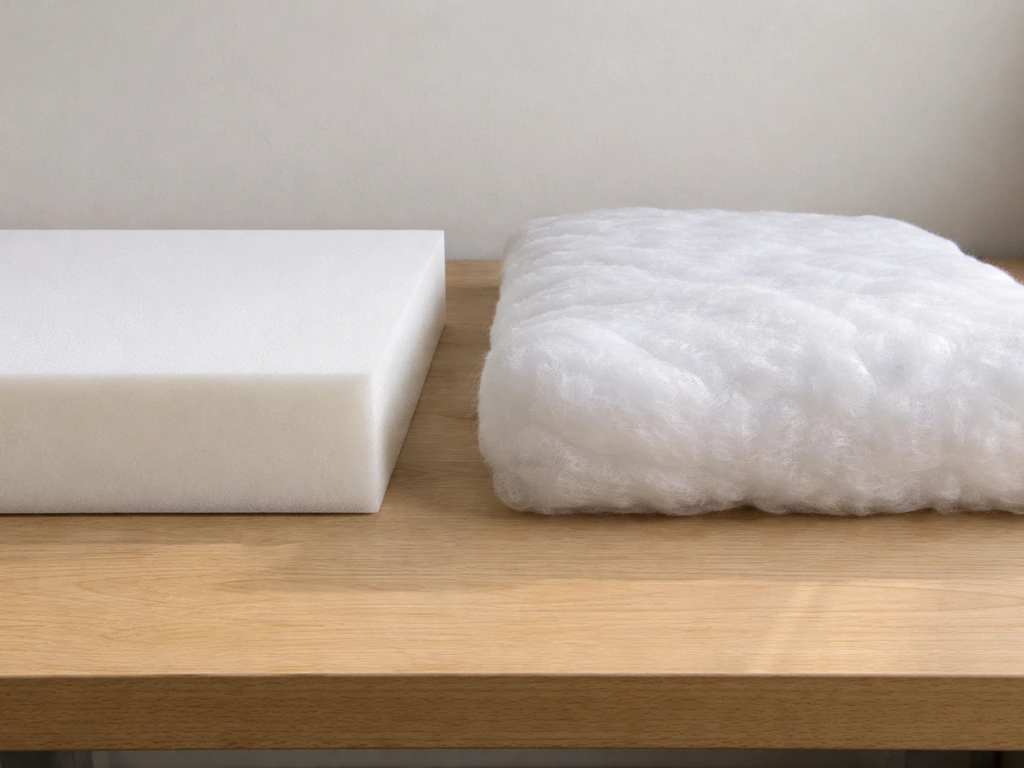
Foam-core cushions (like the 500/550 series at 3.5-inch foam) should feel supportive and bounce back after sitting. Polyester-batting-only cushions (like the 200 series) will feel softer and more relaxed but compress more over time. In reviews, watch for language like 'went flat after one summer' on batting-only cushions or 'stiff at first but broke in nicely' on foam-core models. Both are normal and expected given the construction, but they signal different use cases. If you are also shopping for a citronella candle for patio evenings, check dedicated patio essentials citronella candle reviews to compare burn time, scent strength, and smoke output. If you want lasting support for dining chairs you sit in daily, foam-core is worth the extra cost.
Fit accuracy
The most valuable review detail is when someone states the exact dimension they ordered and confirms it matched their frame. Look for reviews that mention the series number alongside a specific chair brand or model. If multiple reviewers on a listing confirm the same frame compatibility, that is strong evidence. Conversely, clusters of complaints about cushions being too wide, too thick, or sitting too high in the frame are red flags that either the listing dimensions are off or a popular frame model runs slightly outside the listed spec.
Durability over time
Look specifically for reviews written after at least one full outdoor season. A three-week review on comfort is nearly useless. If you are shopping for the most comfortable patio chairs review, focus on seat thickness, foam rebound, and whether the cushion series matches your chair frame. What you want to know: did the fabric fade noticeably by the end of summer?
Did the seams hold after repeated wet-dry cycles? Did the foam or batting rebound consistently? Reviewers who mention fading are signaling that the fabric grade may not have strong UV stabilizers. Those who note mildew or a persistent musty smell after rain are pointing to a drainage or drying time problem.
Both are real and common with any outdoor cushion brand.
Material and construction: what to look for
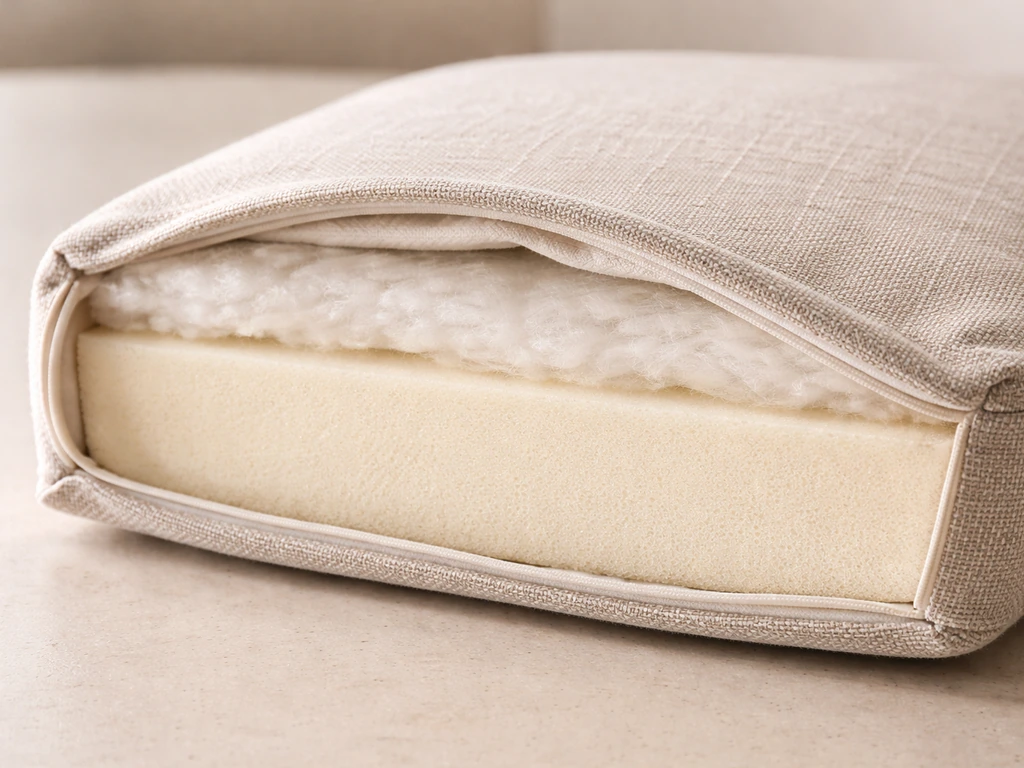
Patio Direct cushions vary by series in their internal build, and understanding those differences lets you predict how a cushion will perform rather than waiting to be surprised. Here is a breakdown of the key construction variables and what they mean in practice.
| Construction element | What to look for | What reviewers often flag |
|---|---|---|
| Foam core | Density and thickness (e.g., 3.5" foam in 500/550 series); higher density = more lasting support | Sagging or permanent compression after one season points to low-density foam |
| Polyester batting | Weight in ounces (2 oz vs 4 oz); heavier batting = more initial loft but compresses faster | Flatness by mid-summer is common with batting-only fills in high-use chairs |
| Fabric type | Solution-dyed acrylic (most UV-resistant), polyester blends (adequate), PVC-backed fabrics (heaviest, waterproof) | Fading and pilling mentioned most often on lighter polyester blends |
| Seam style | Knife edge (simple, less bulk) vs boxed edge (structured, holds shape better on deep seats) | Seam separation at corners is the most common failure point in reviews |
| Stitching | Double-stitched or serged seams handle outdoor stress far better than single-stitch | Thread fraying and seam gaps appear in reviews after heavy rain exposure |
| Zippers | Rust-resistant or nylon coil zippers are essential outdoors; brass or plain steel corrode fast | Stuck or rusted zippers are a recurring complaint, especially after first winter storage |
One distinction worth understanding before you buy: some shoppers only need a replacement cover (the outer fabric shell) because the foam inside is still good. Others need the entire cushion replaced. Patio Direct sells complete cushions rather than covers alone, so if your foam core is fine and you just want fresh fabric, you may be looking at the wrong product category entirely. That mix-up accounts for a surprising number of 'wrong product' reviews across the replacement cushion category broadly.
Weather resistance and real-world maintenance
No outdoor cushion is fully weatherproof, and Patio Direct cushions are no exception. UV exposure and how often you actually clean them are the two biggest variables in how long they last, and both are entirely within your control.
UV fading
Fabric color and fiber type determine how fast fading happens. Solution-dyed acrylics (like Sunbrella-style fabrics) have color locked into the fiber itself and resist fading for several seasons under direct sun. Standard polyester fabric is dyed on the surface and fades noticeably faster. If you live somewhere with intense summer sun, check the listing to confirm the fabric is solution-dyed. If reviewers mention fading by the end of season one, the fabric is almost certainly a surface-dyed polyester.
Water repellency and drying time
Water-repellent fabric sheds light rain but is not waterproof. After a heavy storm, water will saturate the fill, and drying time can realistically be a full day or longer in humid conditions. Some reviewers report cushions taking a week or more to dry fully if they were left flat on the furniture. The practical fix is standing cushions on edge after rain so both faces get airflow, or leaning them against the furniture back in direct sunlight. Cushions left lying wet in shaded spots are almost certain to develop mildew, regardless of the brand.
Mildew and cleaning
Mildew is the most common long-term complaint with any outdoor cushion. The preventive steps are straightforward: store cushions under a furniture cover or in a dry space when not in use for extended periods, and do not let wet cushions sit in contact with the ground or each other. For cleaning, a solution of mild dish soap and warm water applied with a soft brush handles most surface dirt. For mildew spots, a diluted white vinegar solution (one part vinegar to four parts water) is effective without damaging most outdoor fabrics. Rinse thoroughly and let dry completely in the sun before storage or re-use. Avoid pressure washers, which can force water deeper into the fill and loosen stitching.
Troubleshooting common fit and compatibility problems
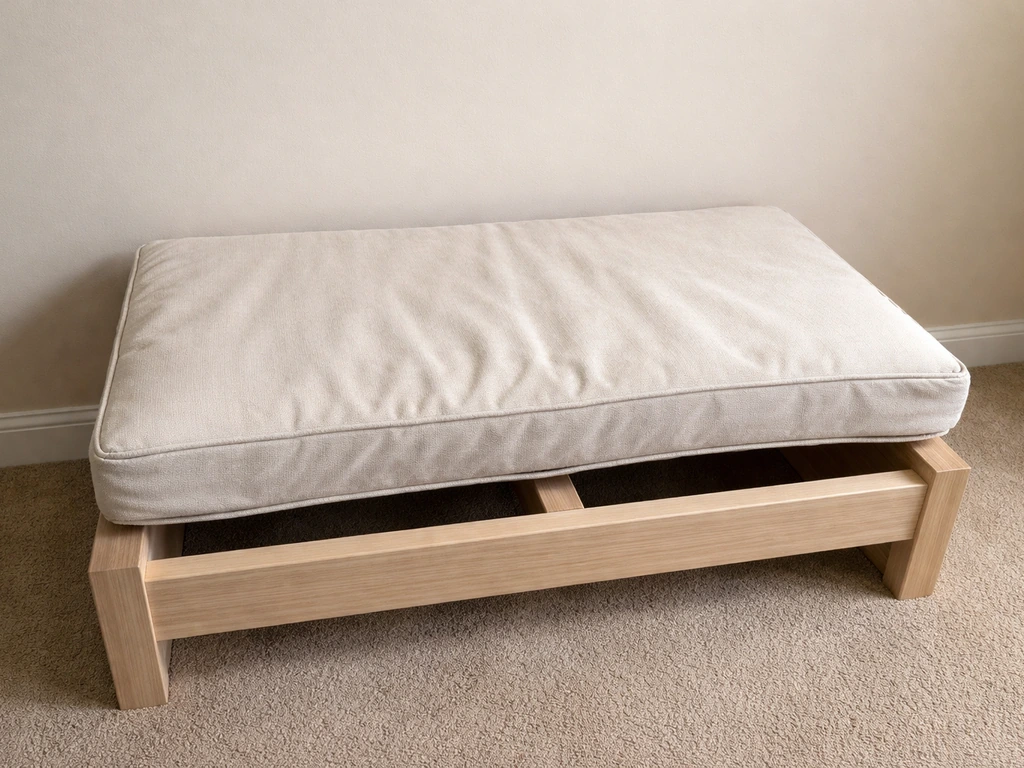
Most of the frustration with replacement cushions comes down to one of four problems: wrong dimensions, wrong thickness, wrong attachment style, or wrong series for the frame type. Each has a specific fix.
Wrong size or thickness
If the cushion arrived and does not fit the seat opening, measure it as delivered and compare against what you ordered. Width-length transposition is a common mistake, especially on square or near-square cushions where the difference is small but the seam orientation is wrong. Also check thickness: a cushion that is too thick will sit above the arm height of a dining chair frame and feel awkward; too thin and you lose support and the cushion slides around.
If the dimensions you received match the listing, the problem is in your original measurement. Go back to the frame with a fresh tape measure and check at multiple points because outdoor frames often have slight bowing or wear that makes one measurement inaccurate.
Cushion not staying in place
If you ordered a cushion without ties but your chair has tie points built into the frame, the cushion will shift with use. Similarly, if you ordered a cushion with corner ties but your chair back has no tying points, the ties just hang loose and do not help. Patio Direct's own listings specify tie presence by SKU, including options like '12 ties as shown' for bench pads or 'no ties' for some round shapes.
Before reordering, check the product listing detail for tie configuration and compare it directly to your chair's attachment points. A mismatch here is fixable with the right replacement order, but it is worth confirming your frame's tie-point locations (corner, center, or both) before selecting a listing.
Sling frame incompatibility
If your chair has a vinyl-coated polyester sling rather than a solid seat platform, you need a PVC Modern or PVC Classic series cushion matched to that specific sling system. A standard foam-core cushion dropped onto a sling support will flex and deform in ways it was not designed to handle. Check whether your frame is sling-style before selecting any series, because this is a structural compatibility issue, not a sizing issue.
What to do if you ordered wrong
Patio Direct's main replacement cushion site does not surface a clear public return policy, so your first step is to contact them directly through their AmericanCushions email before assuming a return is straightforward. As a reference point, similar patio-direct style retailers typically run a 30-day return window for unused and unopened items, but deduct outbound shipping, return shipping, processing fees, and sometimes a restocking fee that can reach 25% of the item price.
That adds up quickly on a custom-made cushion. The practical lesson: measure twice, contact Patio Direct to confirm your series and dimension match if there is any uncertainty, and do not open the packaging until you have checked the delivered dimensions against your measurements. If you are deciding between options, the patio furniture cushions. com reviews section can help you spot recurring fit, comfort, and durability patterns before ordering.
A cushion you cannot return unopened is a cushion you are keeping.
How to re-check your measurements before reordering
- Remove any remaining old cushion material from the frame entirely before measuring.
- Measure the seat frame opening at three points (front edge, middle, and back) to catch any frame irregularities.
- Measure the back frame opening height from the seat surface to the top rail if you are ordering a combo seat-back cushion.
- Note the exact location of any tie attachment points or hardware on the frame (front corners, rear corners, or center back rail).
- Cross-reference your measurements against the specific series page on Patio Direct's site, paying attention to the seam placement note for width.
- If dimensions fall between two listed sizes or your frame is non-standard, email Patio Direct with your measurements before ordering to confirm the closest fit or request a custom dimension change.
Choosing the right series: a quick comparison
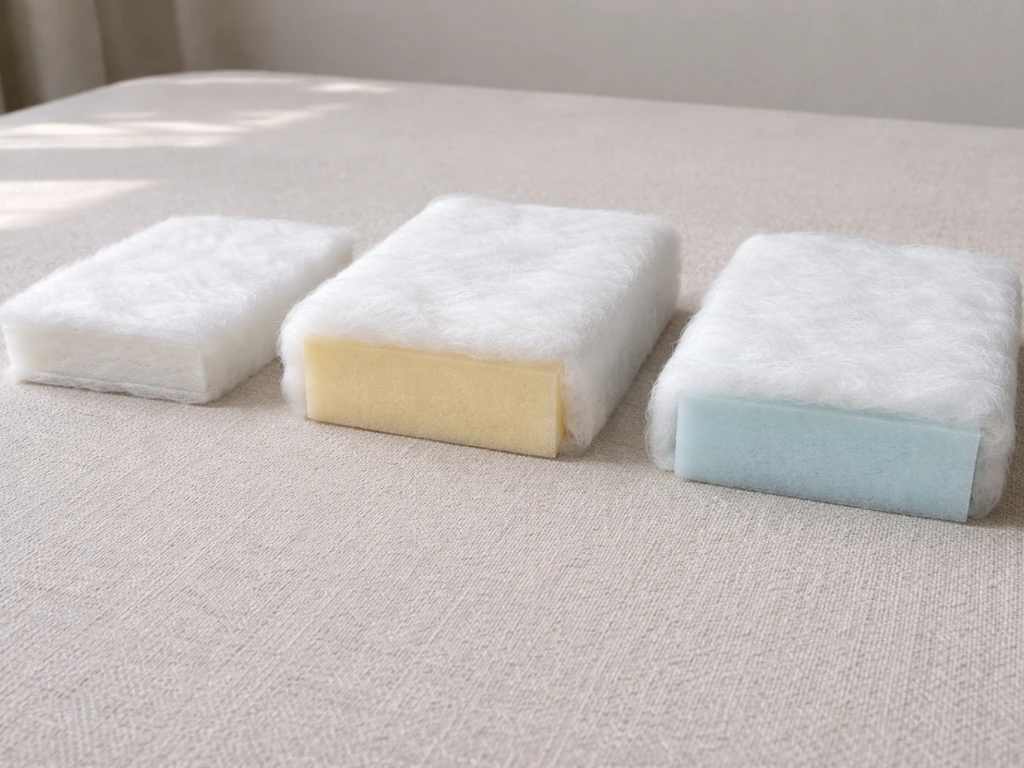
The series number is really a shorthand for the cushion's construction philosophy. Here is how the main options stack up for typical use cases:
| Series | Fill type | Approx. thickness | Best for |
|---|---|---|---|
| 800 | 1"–2" foam core + 2 oz polyester batting | 1.5"–2" | Promotional/casual use, occasional seating, price-sensitive replacement |
| 200/150 | 4 oz polyester batting with cushion cartridges | 3.5"–4" | Softer feel, lower-use chairs, decorative seating where firm support is not a priority |
| 500/550 | 3.5" foam core + polyester fill | 3.5"+ lofted | Daily-use dining or lounge chairs, maximum support and loft retention |
| PVC Modern/Classic | Varies by listing, sling-integrated | Varies | Chairs with vinyl-coated polyester sling frames; not interchangeable with standard seat platforms |
For most everyday patio dining chairs that see regular use through spring and fall, the 500 or 550 series is the one to default to if budget allows. The foam core holds its shape far better than batting-only fills over multiple seasons, and that translates directly to a cushion that still feels worthwhile by year two instead of one you are already mentally replacing again. If you are outfitting a spare chair or a bench that mostly holds throw pillows, the 800 series makes sense and saves money. The 200 series occupies a middle ground that works well for loungers where you want a softer, sink-in feel rather than firm support.
If you are evaluating the broader patio seating picture at the same time, thinking through the full chair care and cushion maintenance relationship is worth doing before committing to a replacement program. If you want to compare options confidently, look at chair care patio reviews to see how the cushions hold up in real day-to-day use. Cushion quality only helps as much as the frame underneath it, and getting both right at the same time is almost always the more economical long-term move.
FAQ
If my chair frame is slightly uneven or bowed, how can I make sure a Patio Direct replacement cushion will still fit?
Ask the seller to confirm the series number and thickness range for your exact SKU, and request a “delivered measurement” check against your width, length, and thickness once the cushion is made. If your chair frame is bowed, also confirm whether the fit is based on seat opening dimensions or existing cushion dimensions.
How do I tell whether I should be buying a replacement cover or a complete Patio Direct cushion?
Look for wording that indicates the listing is “cushion only” versus “complete cushion,” and confirm whether the product includes the foam core plus outer fabric. Since this brand primarily sells complete cushions, choosing a cover-only option can lead to receiving the wrong category and an unusable result.
What’s the best way to match ties correctly, especially if my chair has multiple tie points or a sling-style seat?
If you are using ties, verify the tie count and tie positions on the listing (corner ties, center ties, or both) and match them to your frame’s tie points. For sling-style frames, ties meant for solid platforms will not provide the same stabilization, so the sling compatibility matters more than just the attachment hardware.
My cushion feels too thick or it sits oddly. How do I diagnose whether the problem is thickness, width-length, or edge style?
After receiving the cushion, measure it as delivered (including thickness) and compare to your order, then test fit with the cushion set flat and uncompressed. If it sits too high or overlaps the chair’s arm or back, the thickness is likely off; if it shifts side-to-side, the width-length pairing or corner/edge style is likely off.
Which review details are most reliable for predicting seam and tie durability over multiple seasons?
If you plan to remove and re-install cushions, check whether the fabric has reinforced seams at the attachment points and whether reviews mention tie hardware staying secure after repeated wet-dry cycles. Reviews that mention seams loosening near the corners or center ties are a useful warning sign for durability expectations.
What’s the most common reason these cushions develop mildew even when the fabric is described as water-repellent?
For long-term performance, prioritize fabric grade and drainage habits over “water resistant” claims. A cushion that repeatedly stays damp will mildew, even if the outer fabric sheds light rain, so storage under a cover and drying on edge after storms are the biggest practical difference makers.
How should I use Patio Direct replacement cushion reviews to predict how they will feel after a year, not just at purchase time?
If your cushions are returning foam or batting feel changes, look for seasonal review timelines such as “after one summer” or “after the second season.” Early “comfortable on day one” notes are less informative than rebound and flattening comments after extended outdoor use.
How do I choose between foam-core series and batting-only series for my patio use style?
If you are deciding between foam-core and batting-only, choose foam-core for daily support needs (dining chairs you sit on frequently) and batting-only for softer, more relaxed seating (occasional loungers). Also consider your climate, because faster drying and consistent use patterns affect how each fill type holds up.
How can I tell from reviews whether a cushion will stay comfortable for dining chairs (not just lounge seating)?
If your goal is to keep the cushion usable for dining chair comfort, confirm the cushion will align with the chair’s normal seating height range. Too thick can raise your hips and make posture awkward, while too thin can cause sliding, so use both thickness and fit notes from reviews that match your chair type.
What should I do immediately after delivery to avoid getting stuck with a non-returnable cushion?
Don’t assume you have a return option if the item is made-to-order or if you already opened it. Before opening packaging, compare delivered dimensions to your recorded measurements, then email for confirmation of fit and series match. If you do open it, you may lose return leverage if policy restricts returns to unused items.
Next Article
Chair Care Patio Reviews: Step-by-Step Maintenance Guide
Step-by-step patio chair care with reviews for each material, cleaning, mold fixes, drying, and protection tips.