
The safest patio chair care routine starts with knowing your material, using the mildest cleaner that actually works, and drying everything completely before covering or storing. Skip those steps and you will deal with mold, rust, faded finishes, and cushions that smell like a basement by August. Whether you have budget Costway chairs or premium Frontgate loungers, the material determines everything: what cleaner to use, how hard you can scrub, whether a pressure washer is fine or will ruin the finish, and how much seasonal effort is realistic. This guide walks you through all of it.
Chair Care Patio Reviews: Step-by-Step Maintenance Guide

Holly Dawson
1 Jul 2026
Why patio chair care actually changes how long your furniture lasts
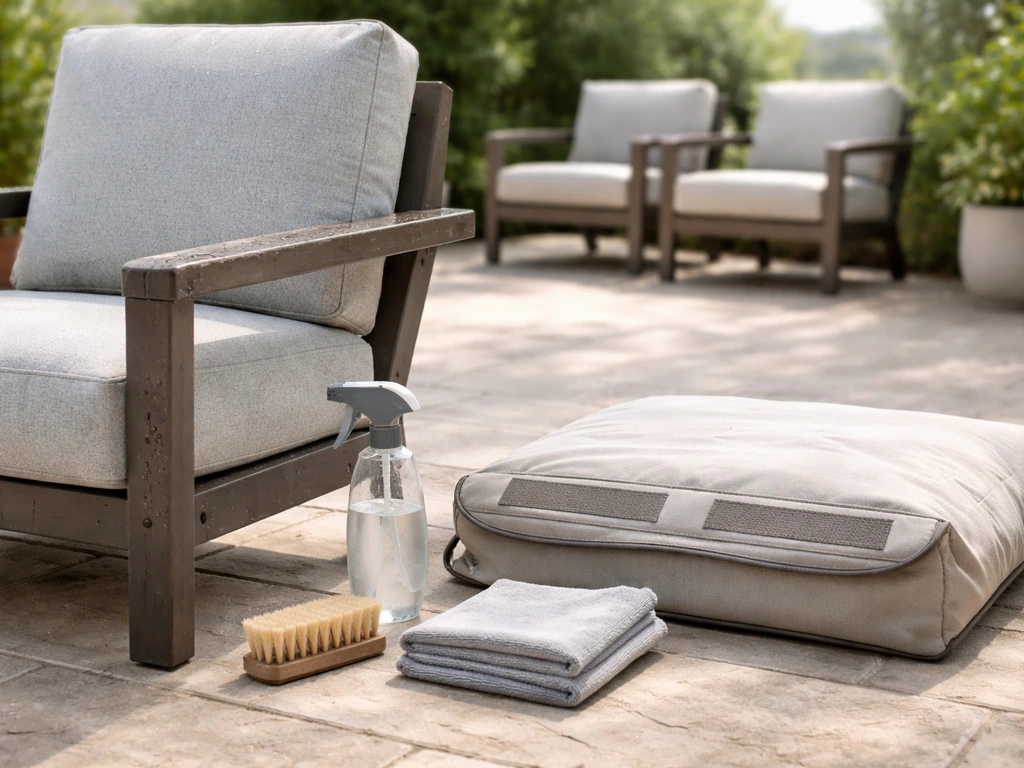
Reviews across price tiers tell a consistent story: the chairs that hold up for five-plus years almost always belong to owners who clean them regularly, dry them before covering, and do a bit of seasonal prep. Customer patio set reviews can help you spot which materials and care routines tend to hold up best over time patio chair care. The ones that fail early are often neglected for a full summer, left wet under a cover, or blasted with the wrong cleaner. Powder-coat chips, wicker cracks, teak turns black with mold, and cushion fabric permanently discolors once mildew sets into the fibers. Once that happens, no amount of scrubbing brings things back to original, and replacement becomes the only real fix.
From a value perspective, this matters a lot. A set of aluminum chairs from a mid-range brand like Costway might cost $300. Replacing cushions because they were left wet all fall can cost another $100 to $150. If you are shopping for patio direct replacement cushions, reviews can help you compare fit, thickness, and how well each cover handles wet weather Replacing cushions. A set of teak chairs from West Elm or Pottery Barn can run over $1,000, and skipping the annual oiling or letting mold sit untreated visibly ages them within one season. Good care is basically free maintenance that extends the return on what you paid. It also directly affects resale and whether the chairs still look good when guests show up.
How to figure out exactly what your chairs are made of
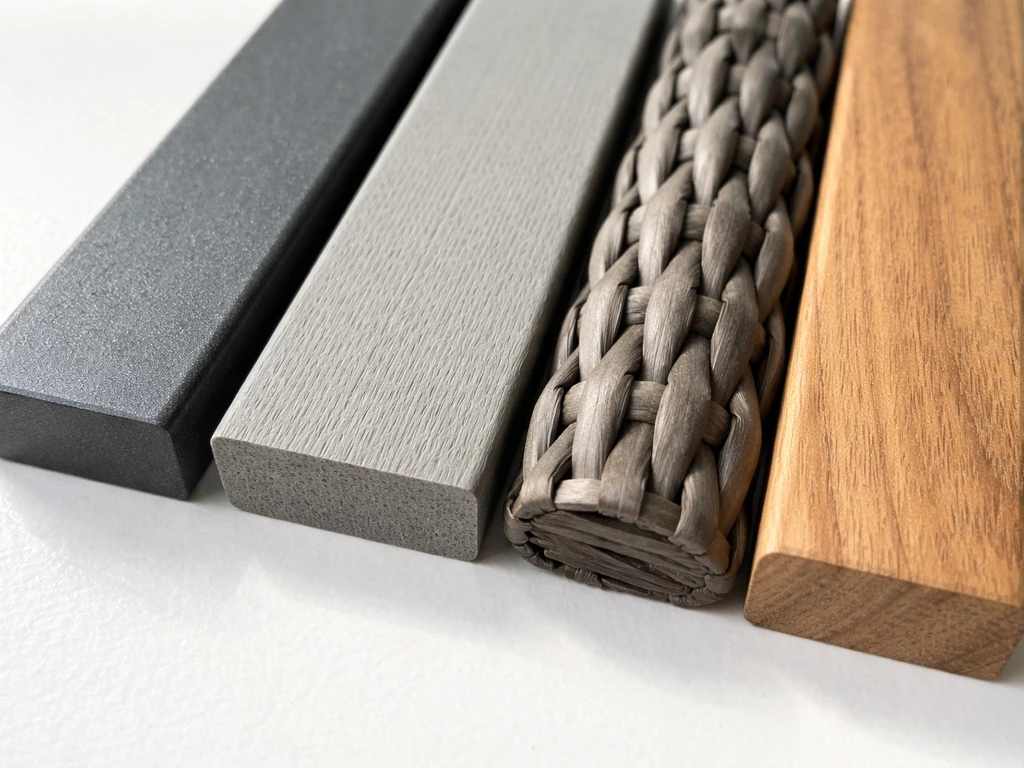
This sounds obvious but a lot of people skip it, and then they use the wrong cleaner and damage the finish. Start with the original product listing or any paperwork that came with the chairs. If you no longer have that, look for a label or stamp on the underside of the frame. Most brands list the material clearly: powder-coated aluminum, galvanized steel, HDPE resin (often marketed as "poly lumber"), resin wicker, natural rattan, teak, acacia, or eucalyptus.
If the frame is lightweight and does not rust even when scratched, it is almost certainly aluminum. If it is heavy and has shown any orange discoloration, it is steel. If the "wood" has a uniform color, resists water naturally, and has no grain variation, it is likely HDPE poly lumber, not real wood. Resin wicker and natural rattan look similar but feel different: resin wicker is smoother and slightly plasticky, while natural rattan has a rougher, organic texture. Real teak is dense, oily to the touch, and turns silver-grey if left untreated outdoors. Knowing the difference between resin wicker and natural rattan is critical because water handling differs completely between the two.
For cushions, check the care tag sewn into the cover. Frontgate and Pottery Barn use a fabric-code system: codes tell you whether the cover is spot-clean only, machine washable, safe for diluted bleach, or requires professional cleaning. Budget brands from Costway or Temu rarely include this detail, so if there is no tag, treat the fabric as spot-clean only until you know more.
Cleaning routines matched to your chair's material
Quick clean (weekly or after rain)
For powder-coated aluminum and powder-coated steel, a dry wipe with a clean cloth once a week handles most surface dust and pollen. Arhaus specifically recommends this as a standard weekly habit. For resin chairs and HDPE poly lumber, a quick rinse with a garden hose and a wipe-down is fine. For teak, Pottery Barn's guidance is to wipe with a soft dry cloth between deeper cleanings. For resin wicker, a soft damp cloth is all you need for light dirt. Never spray a hose directly onto natural rattan or rush wicker at pressure; the water absorption warps the fibers and encourages mold from the inside out.
Deep clean (monthly or at season start and end)
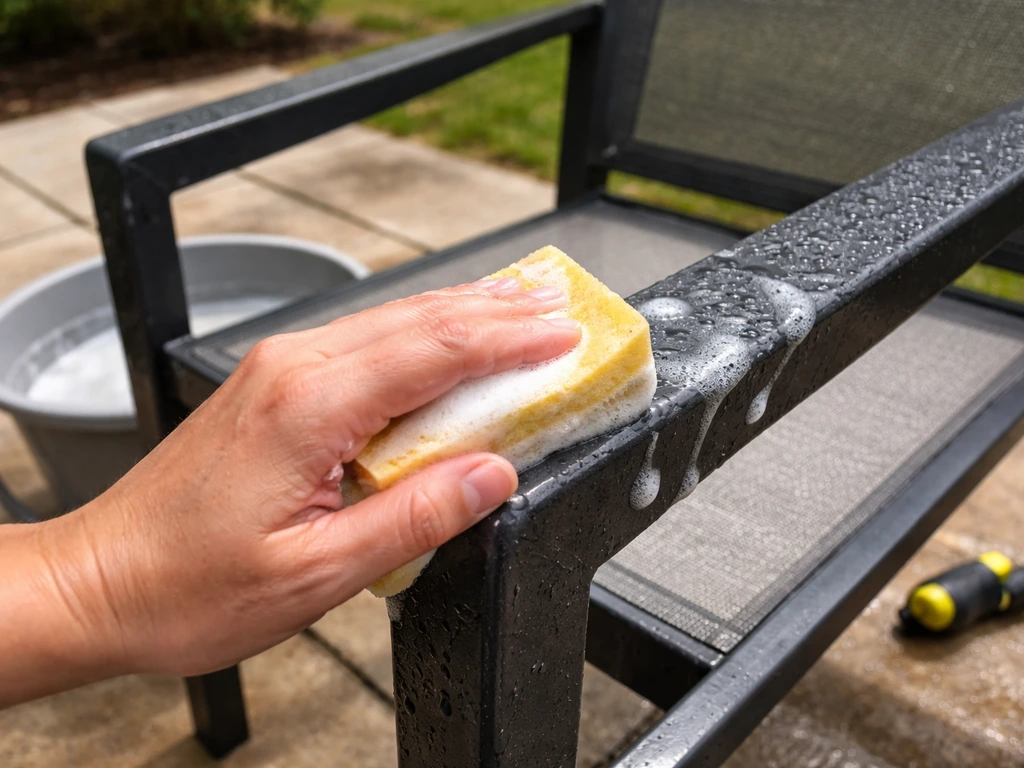
For powder-coated aluminum and steel frames, mix a mild dish soap with warm water, apply with a soft cloth or sponge, scrub gently, rinse well, and let air dry completely. Oxford Garden recommends a mild non-abrasive cleanser for powder coat specifically. Do not use abrasive pads, solvents, or anything with ammonia or silicone, which can degrade the coating over time. Restoration Hardware's aluminum care guidance is explicit: hose it down, clean with an appropriate solution, but skip the pressure washer entirely.
For HDPE poly lumber (common in budget-to-mid brands and often associated with POLYWOOD-style products), warm soapy water handles most dirt. For a deeper clean, POLYWOOD's own guidance allows a pressure washer, which is one of the few materials where that is genuinely safe. You can also use a diluted bleach solution for stubborn grime, but follow the critical safety rule: never mix bleach with any other cleaning product.
For teak, use a soft brush (no metal bristles) and a mild soap solution or the diluted bleach mix recommended for tough stains. Arhaus's teak guidance puts the bleach ratio at two tablespoons of bleach per one quart of water. Scrub with the grain, rinse thoroughly, and let the wood dry fully before applying any oil. Avoid abrasive cleaners, ammonia, or silicone-based products on teak at all times.
For resin wicker, keep it gentle. For resin wicker, The Home Depot care guidance recommends regular, gentle cleaning because resin wicker generally cannot handle harsh or abrasive treatments, and routine cleaning helps minimize mildew buildup resin wicker cannot take aggressive treatment without cracking or dulling the surface finish. A soft cloth with mild soapy water is the standard. The weave pattern traps dirt, so a soft-bristle brush helps get into crevices. Avoid abrasive tools or harsh chemicals because resin wicker cannot take aggressive treatment without cracking or dulling the surface finish.
For cushions, start with warm water and a small amount of dish soap applied with a soft brush. This handles most surface dirt and pollen. If you have a care code tag that confirms bleach compatibility, you can step up to a diluted bleach solution: one cup of bleach mixed into two gallons of water is a widely cited ratio for outdoor fabric mildew. Scrub, rinse very thoroughly, then air dry completely in the sun. Never bring damp cushions inside or stack them while still wet.
Getting rid of stains, mold, and mildew
Mold and mildew are the most common care complaints across reviews, especially in humid climates or where chairs sit under tree cover. The approach depends on the material, but the universal first rule is: catch it early. Once mildew deeply penetrates outdoor fabric fibers, the discoloration may be permanent and no cleaning method will restore the original color. This is one of the most consistent findings from real-world user feedback across cleaning forums and review threads.
On frames (aluminum, steel, HDPE)
For aluminum and powder-coated steel, mold usually sits on the surface and comes off with soapy water and a non-abrasive scrub. For HDPE poly lumber, a diluted bleach solution works well on mold and mildew stains. Remember the bleach safety rule: dilute it in water only, never mix it with soap or other cleaners in the same application. Rinse completely after use.
On wicker and rattan
For resin wicker with mold or mildew, a mixture of 25% white vinegar and 75% water, applied with a cloth and then wiped again with plain water, is a safe and effective approach. It avoids the risk of bleach discoloring or weakening the resin surface. For natural rattan, the same vinegar solution works but use as little moisture as possible and dry the piece in a well-ventilated spot immediately. Over-wetting natural rattan promotes further mold from the inside, so keep the application targeted and the drying time short.
On teak and other hardwoods
Teak that has gone black or green from mold responds well to the diluted bleach solution (two tablespoons bleach per quart of water) scrubbed in with the grain using a soft non-metal brush. Rinse thoroughly and let it dry completely, typically 24 to 48 hours in open air, before deciding whether to oil or leave it to silver naturally. Skipping the full dry time before oiling traps moisture and promotes more mold underneath the finish.
On cushion fabric
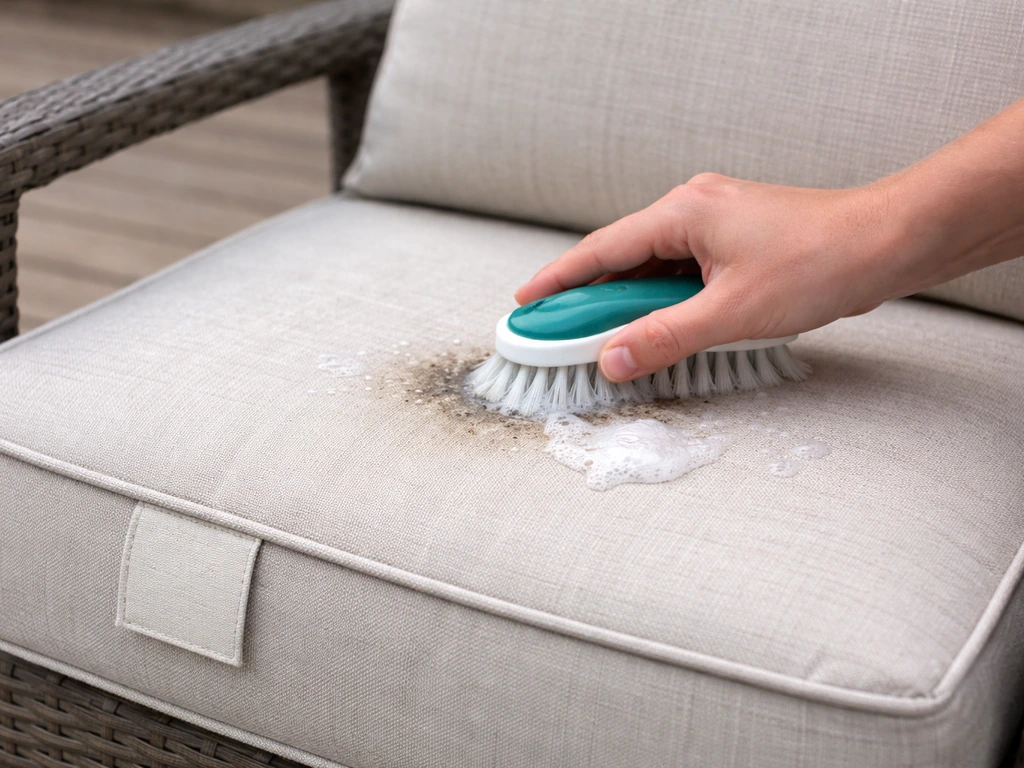
Start mild: warm water and dish soap with a soft brush. If mildew is visible, step up to the bleach-water solution only if the fabric's care code allows it. Work in sections, scrub gently, and rinse until the water runs clear. After cleaning, stand the cushions upright in direct sun to dry, which also helps kill remaining mold spores. Once dry, applying a fabric water repellent like Scotchgard is worth the five minutes it takes because it significantly slows future staining and mildew buildup.
Protecting your chairs and storing them the right way
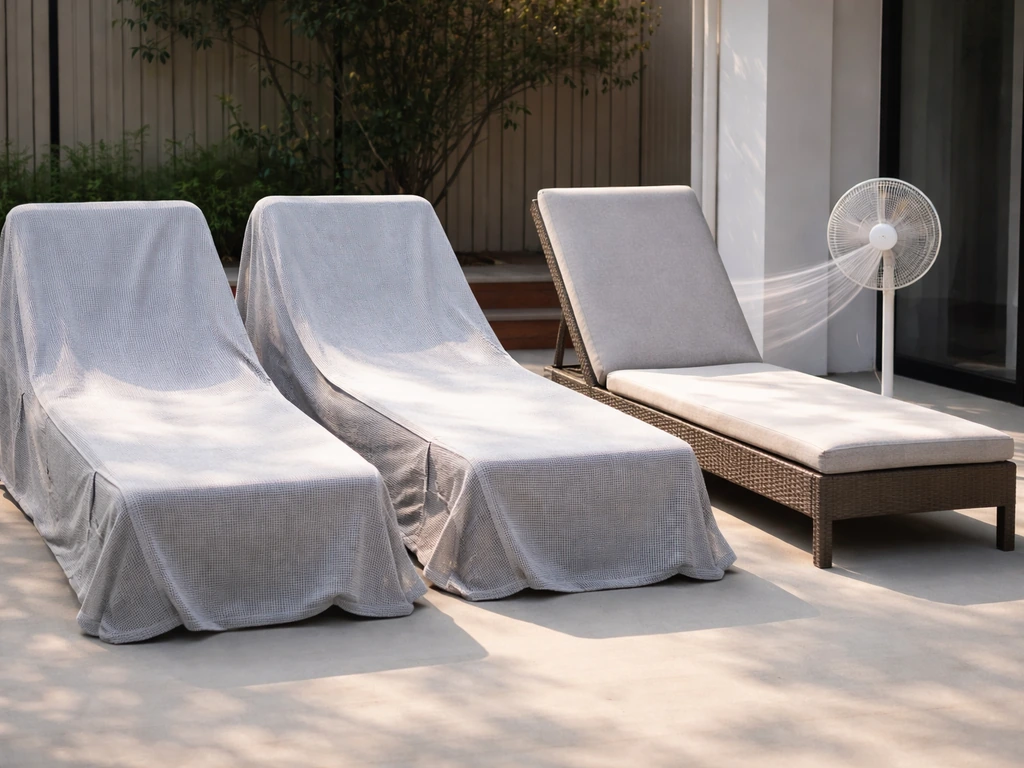
Covers protect chairs from UV fading, bird droppings, and debris, but they can also trap moisture and cause more mold problems if used incorrectly. The most important rule, and the one that shows up repeatedly in manufacturer care manuals: never cover furniture that is still damp. Let everything dry fully after rain or cleaning before putting a cover on. A cover over wet cushions or a wet frame creates the exact warm, dark, humid environment mold needs to spread fast.
Use covers that are vented or breathable rather than fully sealed tarps. Custom-fit covers from the original brand, like those recommended by Restoration Hardware and Frontgate for their pieces, tend to fit correctly and have adequate ventilation built in. Generic covers are fine as long as they have ventilation grommets and fit snugly enough that they do not flap in wind and scratch the finish.
For seasonal storage, teak and hardwood chairs benefit from being brought into an unheated shelter during winter rather than left exposed. Carl Hansen recommends an unheated shelter specifically because temperature cycling in wood is normal and expected, but prolonged exposure to freeze-thaw cycles without any protection accelerates cracking and checking. Teak actually expands in summer heat and contracts in winter, and minor curving or movement in the wood is normal, not a defect.
Resin and aluminum chairs can generally stay outside year-round in most climates, which is one reason IKEA frames them as low-maintenance options. However, removing cushions for indoor or dry storage over winter is always worth it, regardless of chair material. Cushion foam and fabric that sit damp for months lose their shape faster and develop persistent odors that are hard to eliminate.
Long-term habits that keep chairs looking good for years
Teak chairs that are oiled need re-oiling roughly once or twice a year depending on sun exposure. When applying teak oil, wipe away any excess with a clean lint-free cloth and allow at least 30 minutes between coats. Letting excess oil pool on the surface attracts dirt and goes sticky. If you prefer the natural silver-grey patina, you can leave teak untreated entirely, but you still need to clean it seasonally to prevent black mold discoloration, which is different from the grey weathering that happens with UV exposure.
For powder-coated frames, inspect the finish each spring for chips or scratches that expose bare metal. Small touch-ups with matching paint or a powder-coat repair pen stop rust from starting on steel frames. Aluminum does not rust, but scratches in the powder coat on aluminum can still look poor and allow the coating to peel further. Tighten any hardware (bolts, screws, hinges) at the start of each season because thermal expansion and outdoor use work fasteners loose over time.
For cushions, rotating them periodically so the same side does not always face up extends fabric and foam life. If your cushion covers are removable and machine-washable (confirmed by the care tag), washing them once at season start and once mid-season keeps odors and mildew from building up. After any wash, make sure the covers are fully dry before putting them back on the foam inserts. Damp foam inside a cover develops mildew that is nearly impossible to remove completely.
Hardware is the most overlooked long-term maintenance item. Cheaper chairs from budget brands often use lower-grade fasteners that corrode even on an aluminum frame. Check annually for rust-stained bolt holes, stripped screws, or loose joints. Replacing a $2 bolt before it fails is far easier than dealing with a chair that collapses mid-use or has a rust stain spreading through the frame.
Which chair materials are easiest (and hardest) to maintain
| Material | Maintenance Level | Biggest Risk | Care Shortcut |
|---|---|---|---|
| Powder-coated aluminum | Low | Scratches exposing bare metal | Weekly dry wipe, annual hardware check |
| HDPE poly lumber (resin wood) | Very low | Mold in textured surfaces | Pressure wash + diluted bleach seasonally |
| Resin wicker | Low-medium | Cracking from abrasives or UV | Soft brush, vinegar solution for mildew |
| Powder-coated steel | Medium | Rust at chips and hardware points | Touch up chips early, dry before covering |
| Teak / hardwood | Medium-high | Mold if untreated, cracking if over-dried | Annual oil or clean + seasonal shelter storage |
| Natural rattan / wicker | High | Water damage, warping, deep mold | Hand clean only, never hose, dry fast |
| Outdoor cushions (all chairs) | Medium | Mildew from trapped moisture | Dry fully before covering, store inside off-season |
Budget brands like Costway and Temu tend to use powder-coated steel or basic resin frames with polyester cushions. The frames are manageable but watch the hardware closely: thin bolts at joints are a known weak point reported in reviews across multiple budget-tier sets. Premium brands like Frontgate use high-density foam cores and quality outdoor fabrics, and their detailed care codes give you real guidance on cushion cleaning. If you want to compare cushion comfort and durability, checking patio-furniture-cushions.com reviews can help you narrow down the best options. West Elm and Pottery Barn teak pieces look excellent but demand more consistent maintenance than anything aluminum or resin. If you want a genuinely low-effort setup, powder-coated aluminum with solution-dyed acrylic cushions (Sunbrella is the benchmark fabric) is the combination that earns the fewest complaints about maintenance across reviews from budget to premium price points.
What to do right now: a quick action checklist
- Identify your chair material from the product listing, label, or physical inspection before touching it with any cleaner.
- Check cushion care tags for cleaning codes: spot-clean only, machine wash, or bleach-safe.
- Do a quick clean this week: dry wipe frames, soft-cloth wipe resin wicker, hose and wipe HDPE, soft brush and mild soap on teak.
- Treat any visible mold or mildew now with the right solution for your material (diluted bleach for HDPE and teak, vinegar-water for wicker), and rinse completely.
- Dry everything fully, standing cushions upright in sun for several hours, before replacing covers.
- Inspect all hardware (bolts, screws, hinges) and tighten or replace anything loose or showing rust.
- Apply a fabric water repellent to cleaned, dry cushions to slow future staining.
- Plan your seasonal storage: pull cushions inside or into dry storage when temperatures drop, and move hardwood chairs into a sheltered spot over winter.
- Set a reminder for a deep clean at the start of next season before you start using the chairs regularly again.
If you are also evaluating whether it is time to replace worn cushions or upgrade to a more comfortable setup, it is worth comparing options across materials and price points rather than defaulting to whatever matches your existing chairs. Replacement cushion quality varies enormously between brands, and the most comfortable patio chairs reviewed at different price points often come down to the cushion construction as much as the frame. If you are shopping specifically for a bug-repelling patio scent, these citronella candle reviews can help you compare what actually works. Similarly, if your whole set is showing its age, reviewing full patio sets side by side helps you factor in long-term maintenance requirements alongside initial price, so you are not back in the same position in two seasons.
FAQ
Can I use a “multi-surface” cleaner on patio chairs to save time?
Usually, no. Multi-surface products often contain solvents, waxes, or abrasives that can haze or degrade powder coat and damage natural fibers. If you cannot identify the chair material, do a spot test in a hidden area and wait for any color change or coating dulling before cleaning the rest.
Is it safe to leave chairs under a cover during a light mist or after a rain?
Not if there is any lingering moisture on the frame, joints, or cushion seams. Even a small amount trapped under a cover can create mildew conditions in warm weather. Wait until everything is fully dry, then cover, preferably with a breathable cover that won’t trap humidity.
What’s the fastest way to dry cushions so they do not mildew?
After rinsing or washing, keep cushions upright and allow full airflow, then dry them in direct sun when possible. Avoid stacking cushions or bringing them inside damp, and if they still feel cool or slightly heavy, extend drying time before reassembly.
Can I use a pressure washer on wicker or teak if I keep it on low power?
For resin wicker, aggressive spraying increases cracking and dulls the finish, so it is not recommended. For teak, pressure can drive water into grain and seams, and it risks loosening dirt rather than cleaning evenly. If you need extra stain removal, use the gentler brush and appropriate solution instead of relying on water blasting.
How do I tell whether my “wood” patio chairs are real teak or a composite?
Check for uniform color and consistent “grain” across surfaces, then run a quick water reaction test in a small spot. Real teak tends to look more naturally textured and develops silver-grey weathering with UV, while HDPE or composite lumber usually resists water similarly everywhere and has no true oily feel.
My cushion covers have no tag. What should I do before using bleach?
Treat them as spot-clean only. Do not start with bleach since compatibility varies by dye and backing, and bleach can permanently lighten or create blotches. Start with warm soapy water and test any stronger cleaner on a hidden section first, then reassess after it fully dries.
What if mold is on only one cushion corner, can I clean just that area?
Yes, but focus on rinsing fully. Spot treating without thorough rinsing can leave residues that re-mildew. Work in small sections, scrub gently, then ensure the cleaned area is rinsed until the water runs clear, and dry it completely.
Do I need to oil teak every year even if I like the natural silver look?
No, you do not need to oil to prevent silver-grey patina. However, you still need seasonal cleaning to prevent black mold discoloration, and after cleaning you should fully dry the wood before deciding whether to oil for a darker tone.
How do I prevent rust if my powder-coated aluminum chairs got scratched?
Inspect in spring for chips down to bare metal. For exposed spots, apply a matching touch-up product designed for the coating type, then keep the rest of the frame clean so moisture does not sit in scratches. Avoid sanding aggressively, since it can widen the damaged area.
Are citronella or “bug repelling” products safe on outdoor chair materials?
They are often safe on fabric when used as directed, but they can still leave residues that attract dirt and may affect cleaning later. If your goal is bug control, use them away from cushion backs and wipe any overspray quickly so it does not build up on finishes or weave surfaces.
Should I store removable cushion foam in a plastic bin or let it breathe?
Let it breathe. Sealed bins trap humidity and odors, increasing mildew risk if there is any moisture. Store cushions in a dry, ventilated space, and keep foam dry before putting covers back on.
How often should I tighten chair hardware?
At least at the start of each season, then check again after periods of heavy use. Outdoor temperature swings and repeated seating loosen fasteners, and catching a slightly loose bolt early is cheaper than fixing a stripped joint later.
Next Article
Patio Essentials Citronella Candle Reviews: What Works Best
Citronella patio candle reviews to choose best options: effectiveness, scent, burn time, smoke safety, value, and placem