
Citronella candles can take the edge off mosquito annoyance on a calm evening patio, but they are not a reliable standalone repellent. Multiple field studies, including a 2026 trial on spatial emanators, found minimal to no measurable reduction in mosquito biting when citronella candles were the only control method. Consumer Reports has called them ineffective at keeping mosquitoes away, and both the CDC and EPA steer people toward EPA-registered repellents for real protection.
Patio Essentials Citronella Candle Reviews: What Works Best

Holly Dawson
20 Jun 2026
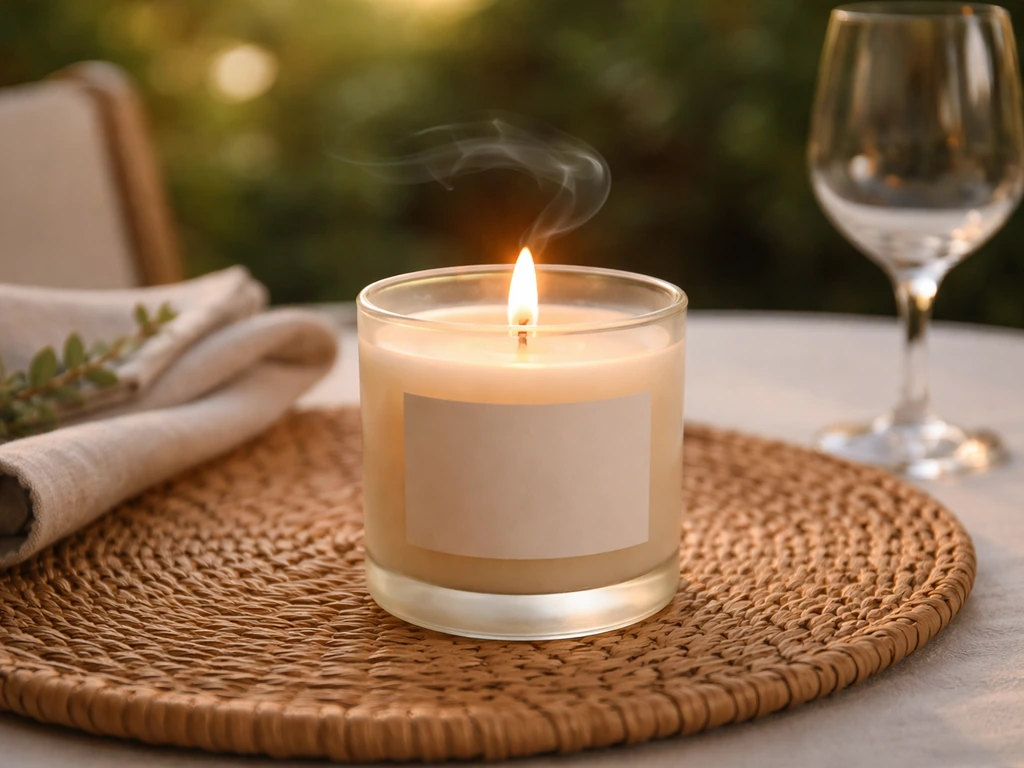
That said, plenty of patio owners use citronella candles as one layer of a broader bug-control setup, and when placed correctly, they do create a scent barrier in still air that many people find helpful. The key is going in with realistic expectations, buying the right style for your space, and combining candles with smarter tactics.
What citronella candles can (and can't) do for patio mosquitoes
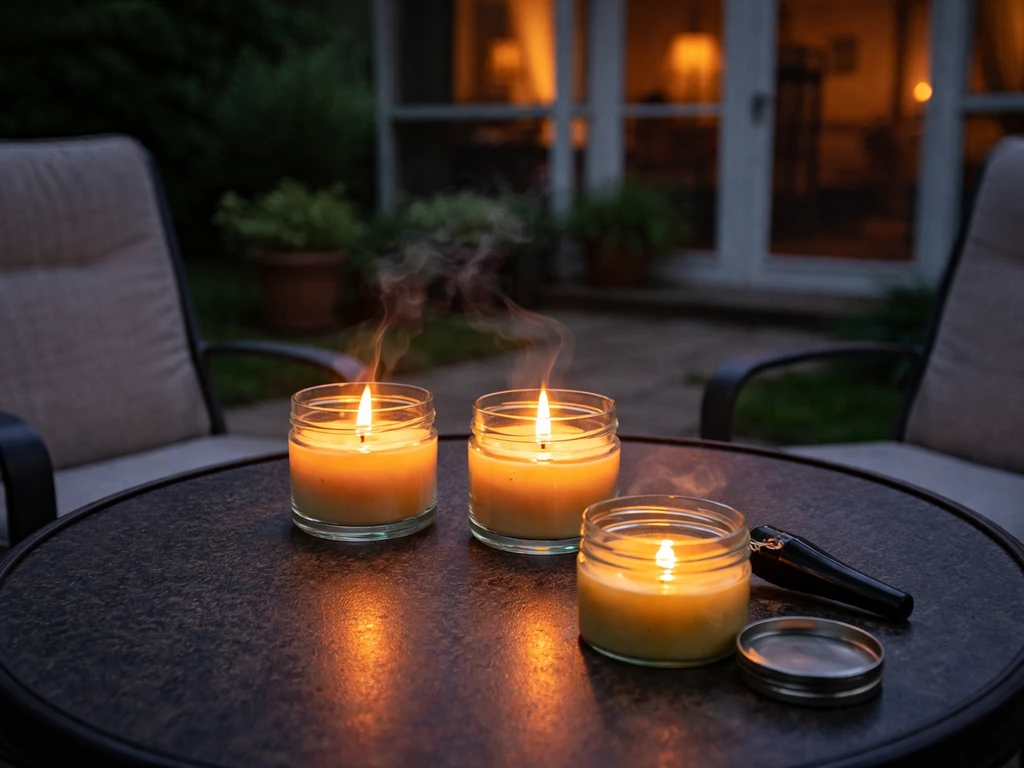
Here is the honest version: citronella candles are more about reducing annoyance than eliminating mosquitoes. The EPA label for products like the OFF! Citronella Candle specifically instructs users to blank" rel="noopener noreferrer">deploy them in still air to reduce mosquito annoyance. That phrasing is deliberate. 'Reduce annoyance' is a very different promise than 'repel mosquitoes,' and that distinction shows up constantly in real reviews where buyers feel misled.
A 1995 field study evaluated 3% citronella candles against Aedes mosquitoes in Ontario and found protection was limited to a very small zone near the candle. A 2000 paper in the Journal of the American Mosquito Control Association confirmed that any effect is essentially restricted to a narrow treated band directly around the candle, not the broader seating area. If you are sitting more than a few feet away, or if there is any breeze, the citronella vapor disperses before it reaches mosquito-relevant concentrations. Reddit threads in the mosquito-control community are full of people reporting the same experience: candles lit, mosquitoes still biting.
What citronella candles genuinely do well is add ambiance, provide some scent presence on calm nights, and serve as a low-effort supplemental layer when combined with fans, repellents, or screens. Think of them as the mood lighting of your bug-control strategy, useful but not the main event.
Quick buying checklist from real review signals
Before diving into product types, here is what consistent review patterns actually tell you to look for. High-rated candles tend to share a specific set of traits, and the ones that disappoint buyers almost always fail on one or two of these same points.
- Citronella oil concentration: Look for products listing at least 3–5% citronella oil. Many budget candles use fragrance-grade citronella that smells pleasant but has minimal active concentration.
- Burn time per dollar: Reviewers consistently flag value by burn hours. A 100-hour bucket candle at $15 beats a 20-hour jar candle at $12 by almost any metric for patio use.
- Wax type: Soy-based wax burns cleaner and produces less visible smoke than paraffin. If smoke complaints show up in reviews, paraffin wax is usually the culprit.
- Container stability: Outdoor use means wind, uneven table surfaces, and the occasional bump. Wide-base containers and weighted bases get far fewer tip-over complaints.
- Enclosed vs open flame: Enclosed lantern-style candles hold up in light breezes and earn better outdoor-specific ratings than open-top jars.
- Scent throw vs. actual efficacy: A common review red flag is candles that score high on 'smells great' but buyers still report mosquito bites. Treat strong-scent reviews separately from effectiveness reviews.
- Real-use context in reviews: Prioritize reviews from people describing outdoor patio use over indoor reviews. The same candle often performs very differently inside versus on a breezy deck.
Top factors that decide effectiveness: size, scent, burn time, and wind
Size matters more than most buyers expect
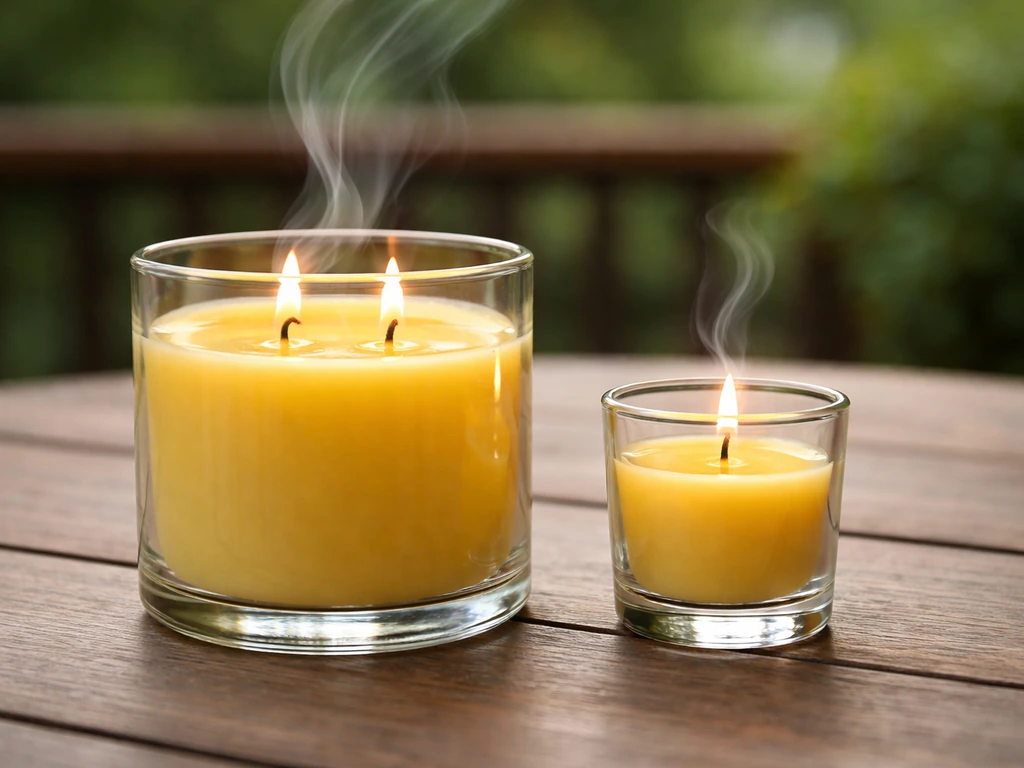
Larger candles with wider wax pools release more citronella vapor per hour. A small votive or 4-ounce jar candle simply does not generate enough output to affect even a 6-foot radius. Bucket-style or large pillar candles (think 17-ounce and up) consistently earn better effectiveness ratings from outdoor reviewers. If your patio seating area is any larger than a bistro table for two, small decorative candles are mostly aesthetic.
Scent concentration vs. scent marketing
This is where a lot of buyers get burned. Many candles marketed as 'citronella' use only a trace amount of actual citronella oil alongside other fragrance notes like lemongrass or eucalyptus. Read ingredient labels carefully. If citronella oil is not listed or appears well down the ingredient list, you are buying a scented candle with branding, not a functional product. The EPA registration process requires companies to submit technical effectiveness data, so EPA-registered citronella products carry more credibility than unregistered decorative alternatives. EPA recommends using EPA-registered insect repellent products for mosquito-borne illness protection because registration indicates the company submitted technical information on safety and effectiveness EPA-registered citronella products.
Burn time and wind resistance
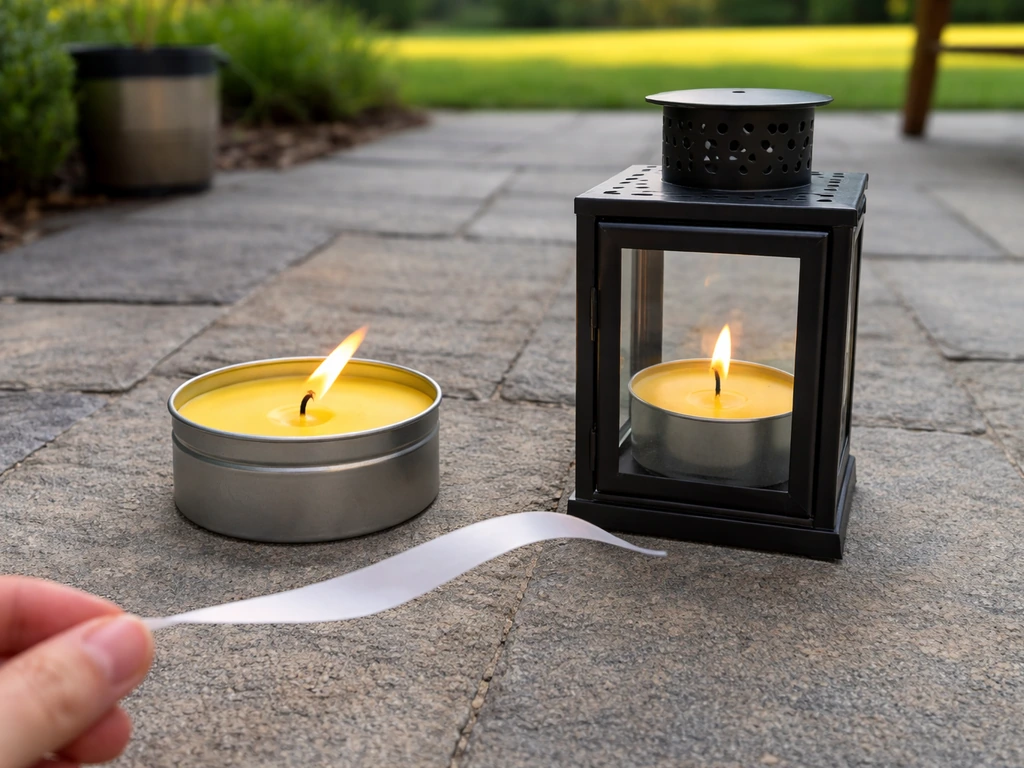
Wind is the biggest killer of citronella candle effectiveness outdoors. Even a gentle breeze of 3–5 mph disperses the vapor plume before it can create any barrier. This is why the EPA label for OFF! Citronella Candle specifically states 'use in still air.' Enclosed lantern-style candles address this partially by protecting the flame, but wind still disperses the output vapor once it exits the enclosure. Burn time affects value more than effectiveness: a candle that burns out in two hours during a dinner party leaves you with no coverage for the back half of the evening.
Types and styles: tabletop vs lantern/enclosed vs oil-based
| Type | Best For | Wind Resistance | Burn Time Range | Typical Price Range | Main Drawback |
|---|---|---|---|---|---|
| Tabletop bucket/jar candle | Calm evenings, dining tables, close seating | Low | 40–100+ hours | $8–$20 | Extinguishes easily in breeze; open flame |
| Enclosed lantern-style candle | Windier patios, hanging near seating areas, aesthetic setups | Medium | 20–50 hours | $15–$40 for candle/holder combo | Less vapor output due to enclosure; holder cost adds up |
| Citronella oil torch/lamp | Larger spaces, pathway borders, deck perimeters | Medium-High | Refillable; depends on reservoir | $20–$60 for torch plus oil | Open flame safety risk; oil spills; maintenance |
| Citronella stick candle/taper | Garden borders, ground placement around seating edges | Low-Medium | 6–12 hours per stick | $10–$20 for multi-pack | Unstable in soft ground; limited vapor output |
| Citronella incense coil/stick | Budget supplemental layer, very close to body | Low | 1–4 hours | $5–$12 | Smoke irritation; minimal area coverage |
For most patio setups built around a dining set or a sectional sofa, the tabletop bucket candle is the workhorse choice: long burn time, good vapor surface area, and easy to position at table height near seated guests. Enclosed lantern candles earn their place more for aesthetics and wind-prone spots than for raw effectiveness. Oil torches make sense for larger decks and poolside areas where you want a perimeter line of coverage, though they require more setup and safety awareness.
Placement and how many candles you need for your patio layout
The research is consistent on one thing: whatever coverage citronella candles provide is hyper-local, measured in feet rather than yards. Plan your placement around where people actually sit, not the perimeter of your patio.
Placement rules that actually hold up outdoors
- Put candles at or slightly below seated eye level, roughly 18–30 inches from the nearest person. Table height placement is ideal for dining sets.
- Never rely on a single candle for a space larger than a 6-foot diameter circle, even in still air.
- Position candles upwind of the seating area when there is any breeze, so vapor drifts toward guests rather than away.
- For sectional sofas or L-shaped arrangements, place one candle at each 'corner' of the seating zone rather than one central candle.
- Keep candles away from furniture fabric, cushions, and any overhead shade structures. Citronella oil residue can leave marks on patio cushions and upholstery.
How many candles by patio size
| Patio Size / Layout | Recommended Candle Count | Suggested Style |
|---|---|---|
| Small bistro area (up to 6 ft diameter) | 1 large bucket candle centered on table | Tabletop bucket, 17 oz+ |
| Medium dining set (6–10 ft area) | 2 candles, one at each table end | Tabletop bucket or lantern pair |
| Large sectional / conversation set (10–16 ft area) | 3–4 candles at seating zone corners | Mix of tabletop and enclosed lanterns |
| Open deck or patio (16+ ft, semi-perimeter) | 4–6 candles plus 2–3 oil torches at border | Tabletop candles near seats + torches at edges |
| Covered pergola or screened patio | 1–2 candles; enclosure provides most bug control | Smaller decorative lantern candles |
Keep in mind that none of these configurations will eliminate mosquitoes. These numbers are based on maximizing whatever marginal vapor coverage is available while keeping the setup practical and safe for a real outdoor space.
Value comparison: budget vs midrange vs premium candles and why reviews differ
One of the most confusing things about citronella candle reviews is that a $6 bucket candle from a mass retailer sometimes scores similarly to a $35 artisan candle on actual mosquito-reduction reports. If you are specifically looking at patio set reviews, use the same mindset and check for real-world mosquito results, not just ambiance claims citronella candle reviews. That is partly because neither does much in field conditions, but it is also because premium candles tend to be reviewed by buyers who prioritized scent and aesthetics while budget candles get reviewed by buyers focused purely on bug control. The review pools are different, so direct star-rating comparisons mislead.
| Tier | Typical Price | What You Actually Get | Where Reviews Go Wrong | Best For |
|---|---|---|---|---|
| Budget ($5–$12) | Single large bucket or multipack of small candles | Paraffin wax, fragrance-grade citronella, basic wick, often high smoke output | Reviewers compare to nothing; any scent presence feels like 'working' | Casual use, large patios needing quantity coverage, disposable-friendly setups |
| Midrange ($13–$25) | Soy or blended wax, cleaner burn, often better-labeled citronella oil content | Noticeably less smoke, longer burn time, better container quality | Mixed reviews because outdoor effectiveness expectations still exceed capability | Most patio homeowners; best burn-time-to-dollar ratio |
| Premium ($26–$50+) | High-citronella-concentration formulas, hand-poured, decorative containers, often EPA-registered | Genuinely better ingredient quality, aesthetically compatible with upscale patio furniture, cleaner burn | Buyers expect dramatically better bug control; effectiveness gap vs midrange is smaller than price gap suggests | Entertaining-focused setups where candles double as decor; high-end patio furniture environments |
The honest recommendation for most people: spend in the midrange tier on a couple of large soy-wax candles with verified citronella oil content, and put the rest of your bug-control budget into a fan or EPA-registered personal repellent. You will get better overall results than loading up on expensive premium candles alone. chair care patio reviews.
Safety, smoke, and cleanup tips for outdoor use
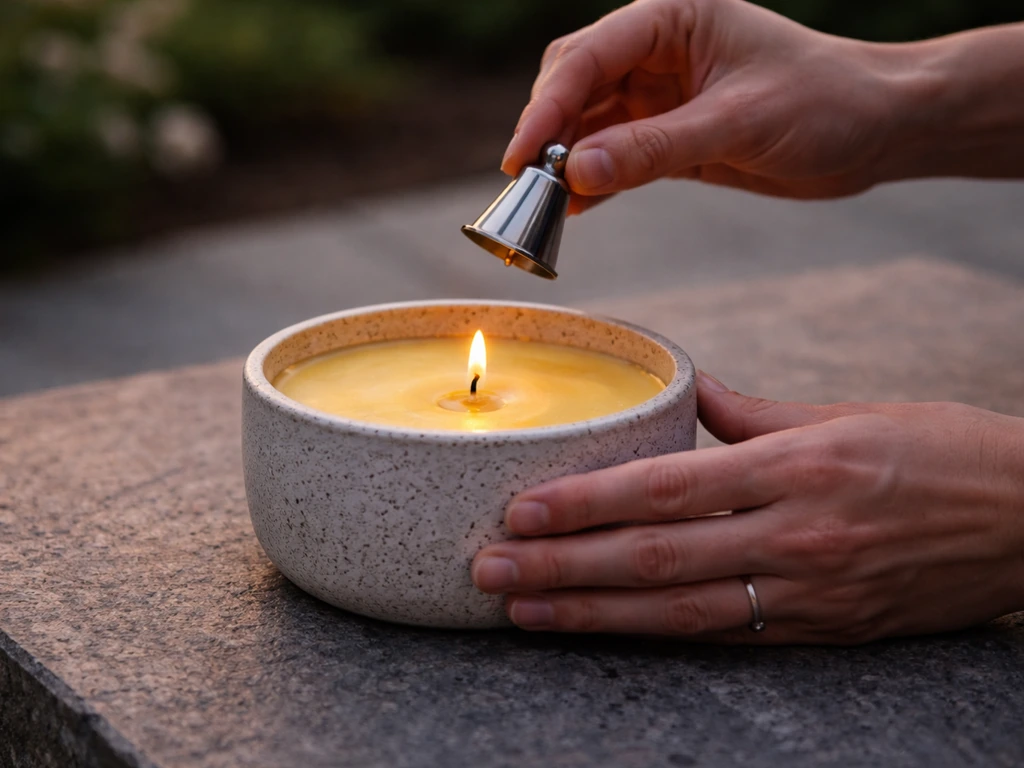
Outdoor candle safety is a different calculation than indoor use. Patios introduce wind (which can both extinguish and flare flames), wood or composite decking materials, fabric cushions, overhead shade sails, and guests who are moving around. If you are shopping for patio direct replacement cushions, it helps to read reviews for fit, cushion thickness, and how well the cover holds up outdoors patio direct replacement cushions reviews. The EPA label guidance is explicit: never leave citronella candles unattended. That is genuinely important, not fine-print noise.
- Always place candles on a non-flammable surface: ceramic tile, stone tabletops, or metal trays. Avoid plastic patio tables directly under open flames.
- Keep candles at least 12 inches from cushion fabric, umbrella bases, and any hanging fabric elements like string lights or shade sails.
- Trim wicks to about 1/4 inch before each burn to minimize soot and reduce flame height in breezy conditions.
- Use a snuffer rather than blowing out candles; blowing sends hot wax and citronella residue onto nearby surfaces.
- Citronella oil residue on patio table surfaces can be removed with a mild dish soap solution; avoid abrasive scrubbers on powder-coated metal or resin tables.
- Paraffin-based candles leave more soot residue on containers and nearby surfaces than soy alternatives. If you notice black marks on your patio furniture or table, switch wax types.
- For oil torches, never overfill the reservoir and store extra torch fuel in a sealed container away from heat sources.
- Check your patio furniture materials before placing candles: citronella oil drips can stain teak, warp certain plastics, and leave marks on cushion fabric that are difficult to remove.
Pairing candles with other patio bug-control essentials
Because citronella candles work best as one layer rather than the whole solution, what you pair them with matters significantly. The most effective outdoor setups combine at least two of these approaches simultaneously. If you are also shopping for comfortable patio seating, this most comfortable patio chairs review can help you choose chairs that stay cozy outdoors while you manage bugs.
- Outdoor fans: A box fan or oscillating tower fan aimed at the seating area is one of the most effective and underrated mosquito deterrents. Mosquitoes are weak fliers; a steady 1–2 mph airflow disrupts their ability to land. Position it at the end of your seating zone pointing toward guests.
- EPA-registered personal repellents: Products containing DEET, picaridin, IR3535, or oil of lemon eucalyptus (OLE) are what the CDC and EPA actually recommend for bite prevention. Apply before going outside if mosquito pressure is high.
- Mosquito coils or spatial insecticide diffusers: Plug-in or battery-operated spatial repellent devices that use metofluthrin or allethrin show stronger field evidence than citronella candles for outdoor area protection.
- Physical barriers: A pergola screen enclosure, outdoor curtains, or a mosquito net draped over a seating area eliminates mosquito access entirely. If you are investing in patio furniture, a covered and screened space pays off long-term.
- Standing water elimination: Every source of standing water within 100 yards of your patio is a breeding site. Regularly empty saucers, gutters, and decorative containers regardless of how many candles you use.
- Strategic timing: Mosquito activity peaks at dawn and dusk. Scheduling evening entertaining around sunset rather than after dark meaningfully reduces exposure without any products at all.
The most satisfied patio owners in real reviews are the ones who treat citronella candles as ambiance with a mild functional bonus, layer them with a fan and personal repellent, and do not expect a single product to handle everything. That framing also keeps your patio furniture investment protected: you are not over-relying on open flames near expensive cushions or wood furniture, and you are not disappointed when a candle alone does not solve a serious mosquito problem.
If you are also evaluating patio cushion materials or seating layouts for your outdoor space, the same practical thinking applies: the right setup combines multiple elements, each doing what it does best. If you want another angle on what buyers notice day to day, you can also compare observations in patio-furniture-cushions. com reviews.
FAQ
How can I tell whether citronella candles will actually help on my patio, not just in reviews?
If the goal is fewer bites, use citronella candles as a backup layer, not the only method. A simple way to check fit for your patio is to place the candle at the main seating spot and still test after turning off nearby fans, then compare bite levels with and without it. If you are getting bites more than a few feet away, candles are unlikely to add meaningful protection.
What should I look for on the label to avoid buying a “citronella” scent candle?
Do not treat ingredient claims like branding claims as equal. Look for citronella oil listed clearly on the label, and be cautious when citronella appears near the end of an ingredient list or is missing entirely, because that often indicates a mostly fragrance candle with limited citronella output.
Where on a patio should I place citronella candles to reduce mosquito annoyance most effectively?
For real-world use, treat airflow as a coverage limiter. Even mild breeze can disperse the vapor plume quickly, so best results usually happen in sheltered areas like behind a screen, around the lee side of a patio barrier, or indoors-to-patio transitions where outdoor air movement is reduced.
Does wind direction matter, and how do I account for patio fans or vents?
If you have overhead lighting, furniture overhangs, or shade sails that create eddies, candles can perform inconsistently. Try repositioning so the candle is not in a direct airflow path from doors, HVAC vents, ceiling fans, or grill exhaust, and keep the flame area away from fabrics that could shift in gusts.
Are enclosed lantern citronella candles better than open candles in windy areas?
Lantern-style candles can help keep the flame stable, but they do not stop vapor from dispersing once it leaves the enclosure. If your primary issue is wind, focus on shelter and placement first, then choose an enclosed style for stability rather than expecting a major coverage jump.
What matters more for value, burn time or citronella oil strength?
Do not rely on burn time alone to estimate coverage. A longer burn candle is useful, but if the candle has a small surface wax pool or low citronella oil content, it may still produce too little active vapor. Aim for both sustained burn and verified citronella oil levels.
Can I use citronella candles with a patio fan, or will the fan ruin them?
Yes, and it is one of the most common mistakes. If you are using a fan for bite reduction, position it to move air across people, but keep the candle upwind enough that the candle does not get immediately blown out or trapped airflow that strips vapor too fast.
Should I still use personal repellent if I have citronella candles lit?
If you already have an EPA-registered repellent and still want candles, use them at the table for ambiance while keeping the repellent as the main personal barrier. Keep candles away from direct skin contact, and follow repellent label directions for reapplication timing instead of assuming the candle extends repellent duration.
What safety habits matter most when using citronella candles outdoors?
Never leave candles unattended, and treat them as active fire hazards even on calm nights. Keep them on stable, heat-resistant surfaces, clear of cushions, and away from children, pets, and high-traffic walkways, and fully extinguish between dinner courses or when guests move around frequently.
How should I interpret citronella candle reviews that do not mention mosquito bite results?
Reviews can be misleading when they measure different things, like scent enjoyment versus bite reduction. If a review does not mention wind conditions, candle size, placement distance to seating, or whether it was used alone versus with other controls, assume the mosquito impact claim may be limited.
How many candles do I need, and should I place them around the perimeter or near seating?
Use candles to cover where people sit, not the whole patio perimeter. A practical rule is to cluster candles around the primary seating zone at a height near seated guests, then use other methods for the rest of the yard if mosquitoes remain active there.
Next Article
Patio-Furniture-Cushions.com Reviews: How to Verify and Buy
Verify patio-furniture-cushions.com reviews, spot red flags, compare cushion materials, fit, durability, and choose the
