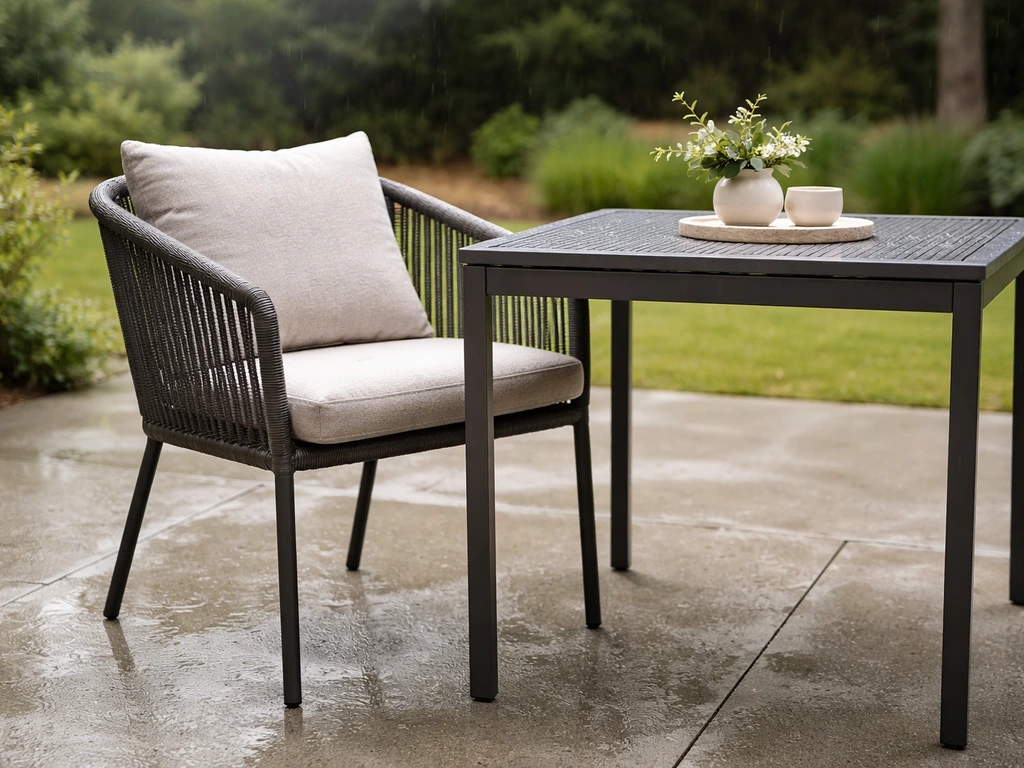
For patio festival use, your best all-around setup is a powder-coated aluminum frame collection paired with Sunbrella or textilene sling seating: it stacks or folds for easy storage, resists rust and UV fade, and handles the kind of repeated setup-teardown punishment that casual weekend entertaining demands. If you're hosting groups regularly, a modular dining set in the $500–$1,200 range from brands like POLYWOOD or West Elm hits the sweet spot between durability and price. Budget picks from Costway can work short-term, but the frame welds and fabric typically won't survive more than a couple of seasons of heavy outdoor exposure.
Patio Festival Furniture Reviews: How to Choose Durable Sets

Holly Dawson
18 Jun 2026
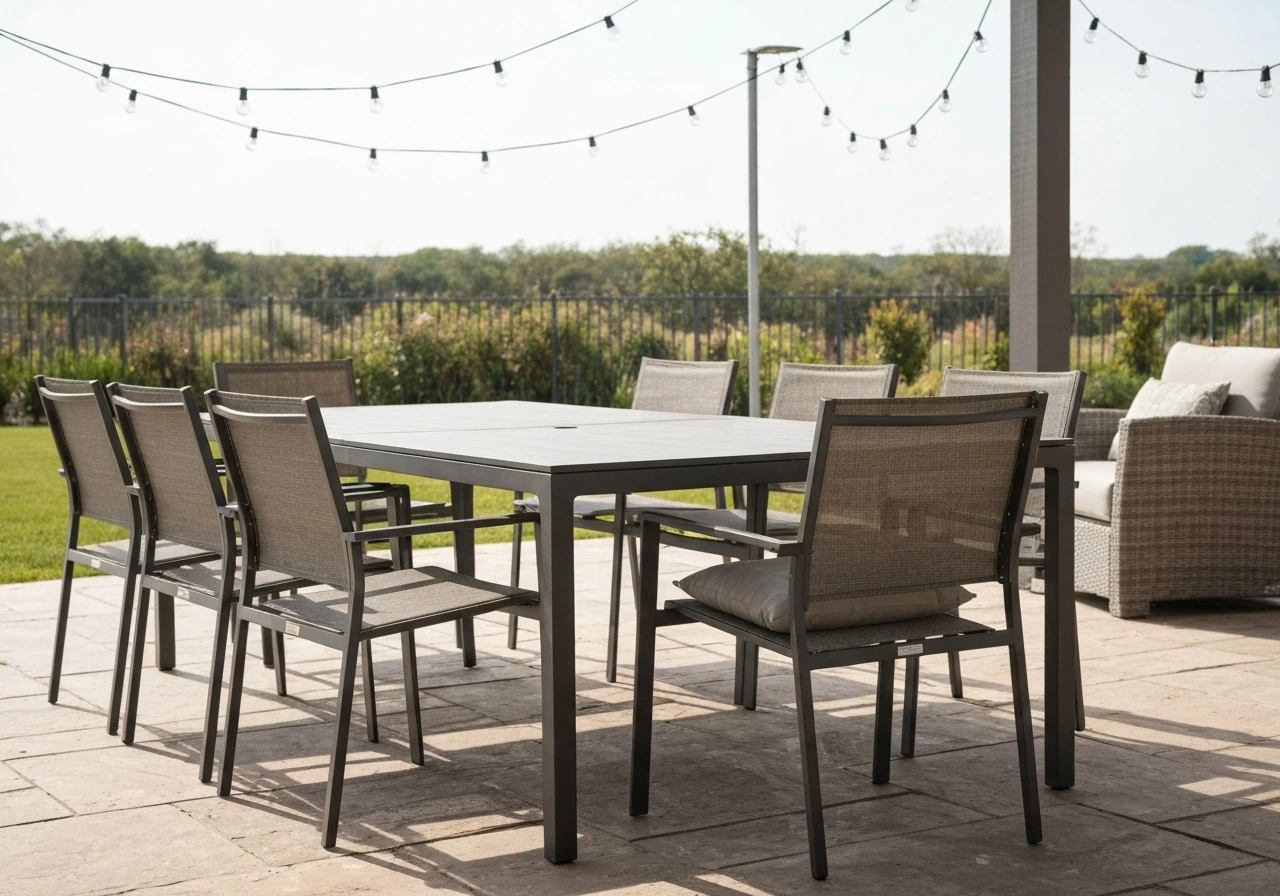
What festival-style patio use actually demands
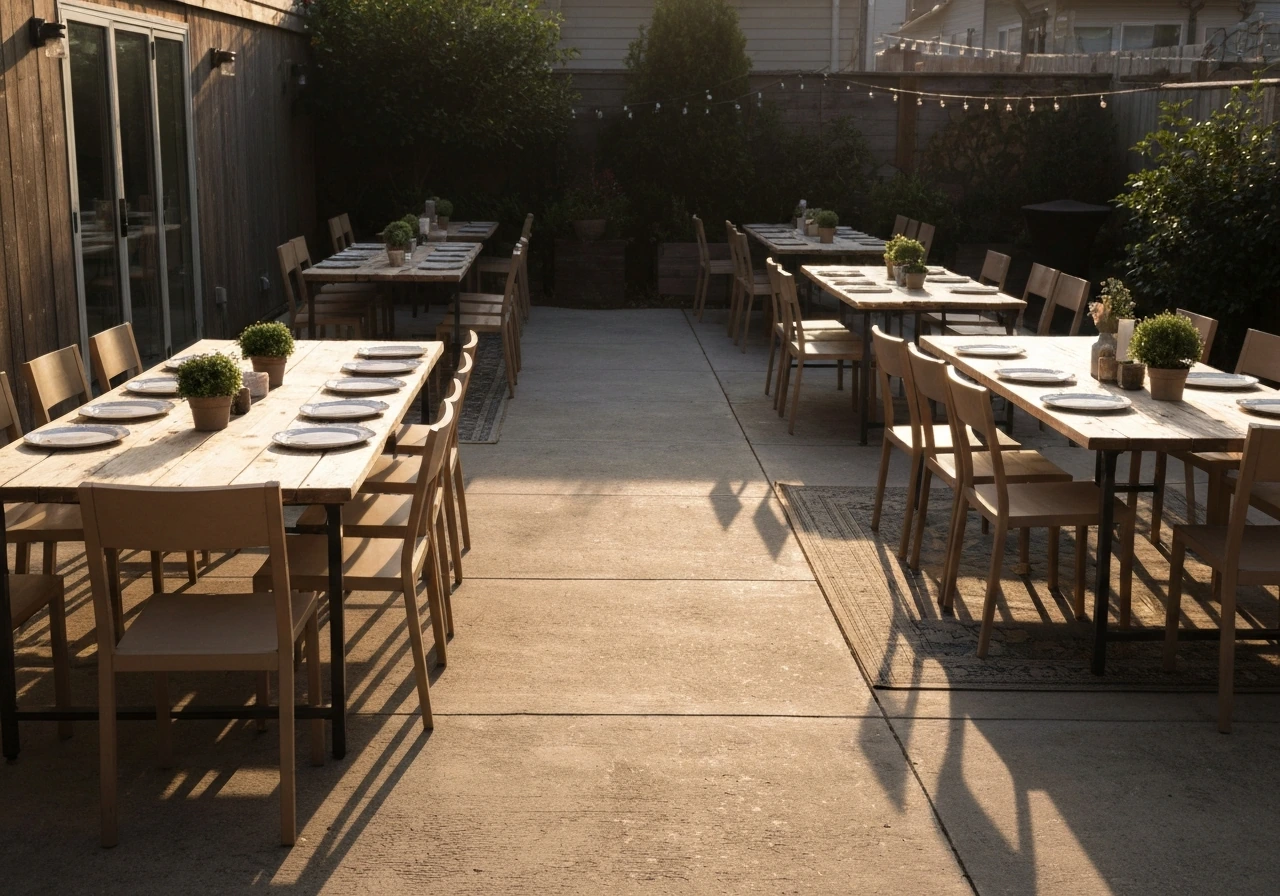
Hosting a patio party or outdoor festival isn't the same as just owning patio furniture. You're dealing with a different set of stresses: chairs moving constantly, tables being repositioned, guests spilling drinks, and everything sitting in full sun for hours. The furniture needs to handle all of that without wobbling, fading, or becoming a safety hazard.
Space planning matters more than most people realize going in. A practical rule of thumb is 24 inches per person along a table's seating edge, or 28 to 30 inches if you want elbow room. Standard outdoor dining chairs pair best with a table height around 30 inches, with seat heights around 18 inches. For accessibility, you need at least a 36-inch aisle between tables or furniture groupings, and a 36x48-inch clear zone at any accessible seating spot. If your patio is under 200 square feet, a four-piece set is usually the ceiling before things feel cramped.
Setup and takedown speed is a legitimate factor. For events, you want furniture that stacks (chairs especially), folds flat, or at minimum moves easily on its own weight. Heavy wrought-iron pieces look great but become a real chore when you're rearranging for a party. Look for chairs under 15 lbs each. Aluminum sets win here consistently.
Weather resistance is non-negotiable for anything staying outside. UV fade, rain exposure, and humidity are constant variables. Cushion fabrics need to be rated for outdoor use, ideally with a named warranty from the fabric manufacturer. Sunbrella's upholstery fabric carries a 5-year limited warranty covering sunlight exposure and mildew issues, which is a meaningful benchmark to look for when comparing cushion quality across brands.
How we review patio festival outdoor furniture
The review framework we apply here is built specifically around the demands of outdoor entertaining, not just everyday patio lounging. This patio furniture review approach also keeps the focus on festival setup, durability, and real-world comfort. A chair that's comfortable for an hour of morning coffee isn't necessarily the right pick for a six-hour backyard gathering with rotating guests. Here's what we actually evaluate:
- Frame construction and weld quality: Are joints cast or welded? Hand-finished welds (like Frontgate's aluminum process) reduce rust entry points significantly compared to machine welds on cheaper frames.
- Powder coat finish: Does it chip under normal handling? A quality powder coat won't peel, whereas budget frames often start flaking within a season.
- Fabric and cushion durability: Sunbrella-rated fabric, textilene sling, or HDPE weave are the materials worth trusting outdoors. We note when a brand uses generic polyester that fades fast.
- UV and rust resistance: We check for independent ratings or named fabric warranties rather than taking marketing claims at face value.
- Weight and mobility: Relevant for festival-style setups where the furniture gets moved frequently.
- Stability on uneven surfaces: Outdoor patios, decks, and grass aren't always level. Chair feet and frame rigidity matter.
- Stackability or fold-flat design: Critical for compact storage between events.
- Warranty coverage and brand support: We compare frame, finish, and cushion warranties because they tell you exactly what the manufacturer is willing to stand behind.
- Assembly experience: We flag brands with notoriously complicated assembly or missing hardware.
- Value against direct competitors at the same price point.
We also flag any fabric or material compliance claims worth verifying. If you're in California or hosting commercial-adjacent events, outdoor fabric flame resistance matters: California Title 19 Section 332 lays out compliance paths for exterior fabrics, and NFPA 701 is the testing standard you'll see referenced for flame propagation. For private residential use this rarely comes up, but for larger gatherings or rentals, it's worth knowing. If you're trying to compare options, these patio kingdom furniture reviews can help you spot which styles are actually worth the money for frequent outdoor use.
Best patio festival furniture picks by category
Outdoor dining sets (the workhorse for group gatherings)
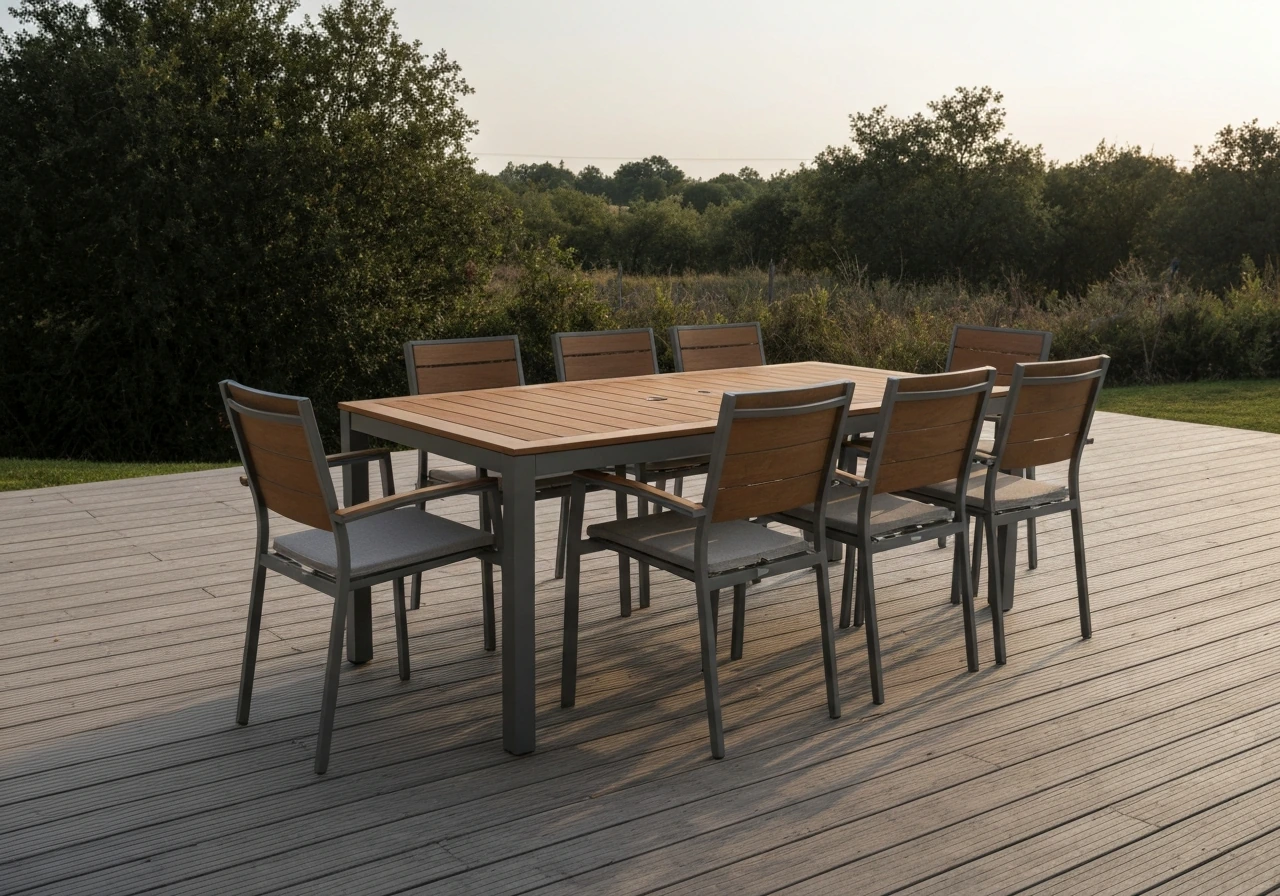
A complete dining set is the most efficient festival-use purchase because it's designed to work together spatially. West Elm's Portside Aluminum collection is a strong mid-range option: the 72x36-inch dining table in powder-coated Dark Bronze aluminum is lightweight, rust-proof, and pairs directly with their Portside Textilene sling dining chairs, which use a corrosion-resistant aluminum frame. If you want more ways to compare comfort, durability, and price across models, anmutig patio furniture reviews can give you a related consumer perspective alongside West Elm’s Portside lineup. It seats six comfortably at the standard 24 inches per person. The honest caveat: bare aluminum surfaces get hot in direct sun. West Elm's own product notes acknowledge this, though they add that aluminum cools quickly once it's in shade. For festival use where surfaces take direct afternoon sun, a table with a resin or teak top is more forgiving to the touch.
POLYWOOD's dining sets are worth serious consideration if longevity is the priority. Their HDPE lumber material doesn't rust, rot, or splinter, and the overall residential warranty coverage is unusually strong for the category. POLYWOOD’s limited residential warranty details 20 years overall coverage with specific subterms for components like metal frame welds, powder coat finish, sling fabric, and cushions overall residential warranty coverage is unusually strong. For a festival-style patio, their folding or stackable chair options within the lineup make setup easier. If you're comparing between a dedicated brand like POLYWOOD and a department store pick, the difference typically shows up after the second or third season outdoors.
Individual chairs (flexible seating for varying crowd sizes)
Buying individual chairs separately from a table gives you flexibility to scale seating up or down event by event. Stackable chairs are the right call here. Textilene sling chairs in aluminum frames stack easily, weigh around 8 to 12 lbs each, and can be stored in groups against a wall or in a shed. For budget buyers, EventStable's TitanPRO plastic folding chair has a remarkable 683-lb weight capacity and genuine outdoor suitability, making it a legitimate high-volume option for large gatherings where aesthetics matter less than practicality. It won't win any design awards, but it won't fail under a large guest either.
Premium buyers should look at Frontgate's cast aluminum dining chairs, which come with a 10-year structural frame warranty. That's a meaningful number when you're investing $200 to $400 per chair. The trade-off is weight: cast aluminum pieces are heavier than extruded aluminum, so moving them around frequently is more of an effort.
Loungers (for festival setups with a relaxation zone)
If your festival setup includes a chill-out or lounge area separate from the dining zone, adjustable chaise loungers or sling loungers work well. Look for a reclining mechanism with at least three or four positions and a sling or mesh surface rather than a thick cushion if the lounger will stay outside overnight. Thick cushion loungers are comfortable but require storage every evening if you want the cushions to last more than a season. POLYWOOD's lounger lineup uses HDPE with solid color through the material, so there's nothing to fade or strip.
Tables (sizing and surface material for group use)
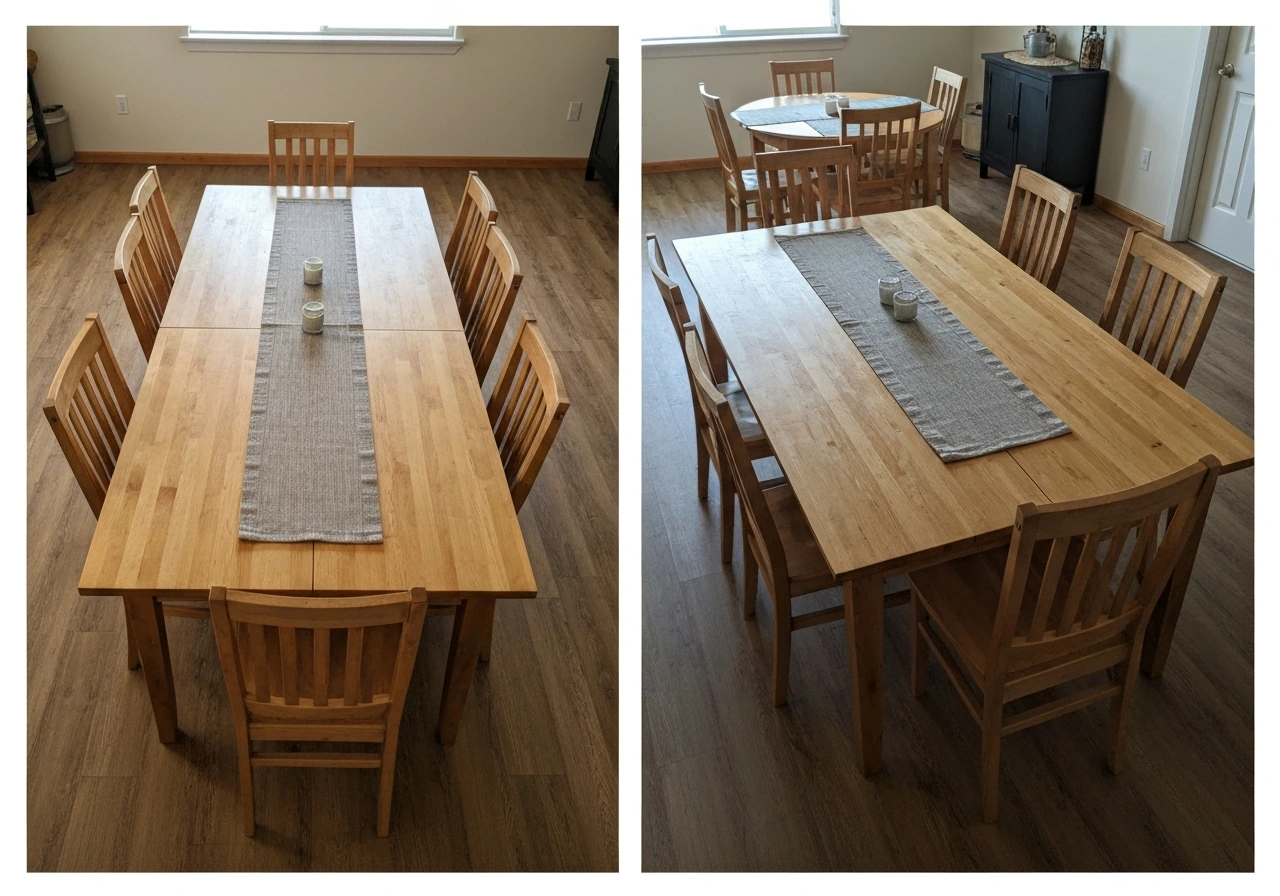
For group entertaining, a 72-inch rectangular table is the practical minimum if you're seating six, and an 84-inch table is more comfortable. Round tables work well for smaller groups (up to four or five) and create a more social atmosphere since everyone faces each other, but they take up more square footage per person than rectangular options. Table surface material matters at festival-use temperatures: powder-coated aluminum heats up in direct sun, glass tops heat up and need cleaning constantly, and teak or concrete tops stay cooler and are more forgiving. If the table stays outside full-time, avoid glass tops unless you're committed to a high level of maintenance.
Materials and build quality: how the main options actually compare
| Material | Weight & Mobility | Rust/Rot Resistance | UV Resistance | Typical Lifespan (Residential) | Best For |
|---|---|---|---|---|---|
| Powder-coated aluminum | Light (8–18 lbs/chair) | Excellent (no rust) | Good (quality coat lasts 5+ years) | 10–15+ years | Festival use, frequent setup/teardown |
| HDPE (POLYWOOD-style) | Moderate (12–20 lbs/chair) | Excellent (no rust or rot) | Excellent (color through material) | 20+ years | Permanent setups, low maintenance |
| Steel (powder-coated) | Heavy (15–30 lbs/chair) | Moderate (chips lead to rust) | Moderate | 5–10 years with maintenance | Budget buyers, sheltered patios |
| All-weather wicker (resin) | Moderate | Good (resin won't rust) | Moderate (can fade or crack) | 5–8 years | Aesthetic priority, semi-sheltered use |
| Teak wood | Heavy | Excellent (naturally oily) | Good (needs oiling annually) | 20–30 years | Premium permanent installations |
| Wrought iron | Very heavy | Poor unsealed (rusts readily) | Good (finish is stable) | 10–20 years with upkeep | Stationary, sheltered setups |
For festival-style patio use specifically, powder-coated aluminum is the practical winner: it's light enough to move without help, resistant to rust without any special treatment, and widely available across all price tiers. HDPE is the better long-term investment if you're not moving things around much. Avoid steel if your pieces will be exposed to rain regularly without cover, since any chip or scratch in the powder coat becomes a rust entry point within a season or two.
Wicker (the all-weather resin kind, not natural rattan) looks great but has a real durability ceiling outdoors. In high UV climates, resin wicker weaving can become brittle and crack within five to eight years. It's not a bad choice for a covered patio or a screened area, but for a fully exposed festival setup with direct sun, it's not the most resilient option over time.
Durability, maintenance, and warranties: what actually holds up
Warranty terms are one of the clearest signals of a manufacturer's confidence in their own product. Here's how the major players compare on what matters for festival-use patio furniture:
| Brand | Frame Warranty | Finish Warranty | Cushion/Fabric Warranty | Notable Details |
|---|---|---|---|---|
| Frontgate | 10 years (aluminum, teak, wicker frames) | Included in frame coverage | 2 years (cushion fabric) | Hand-filed weld finishing on aluminum reduces rust entry points |
| POLYWOOD | 20 years overall (residential) | 5 years (powder coat, won't peel) | 30 days workmanship; 1 year (cover fabric) | Separate commercial warranty available; HDPE material has lifetime color stability |
| West Elm | Varies by collection (typically 1 year) | Not separately specified | Not separately specified | Portside aluminum confirmed rust-proof; cushion warranty depends on fabric supplier |
| Sunbrella (fabric) | N/A (fabric only) | N/A | 5 years (sunlight, mildew) | Replaces equivalent fabric when claim is accepted; widely used by premium brands |
| Costway / Budget tier | Typically 1 year or less | Not specified | Not specified | Warranty claims can be difficult; parts availability limited after first year |
For maintenance, the upkeep requirements are lower than most people expect if you choose the right materials. POLYWOOD recommends washing powder-coated aluminum frames with mild dish soap and water, which is genuinely all you need. Home Depot's outdoor metal furniture care guidance similarly boils down to: clean frequently, and you prevent the corrosion before it starts. The mistake most people make is ignoring their furniture until something goes wrong, at which point a rust spot or mold patch requires real effort to address.
Sling fabric has a specific service life to plan around. According to Homecrest's replacement FAQ, genuine replacement sling material lasts about four to seven years under normal outdoor conditions. That's a useful planning number: if you're buying a sling-chair set today, budget for a sling replacement around year five. The good news is most quality brands sell replacement slings, and the labor involved is manageable as a DIY project.
Cushions are the maintenance item that surprises people most. Even Sunbrella fabric, which is genuinely excellent, needs to be cleaned periodically to prevent mildew buildup. The Sunbrella warranty covers mildew issues, but their care guidance makes clear that regular cleaning is expected. For festival-use furniture where cushions may sit damp after a rain, choosing quick-dry foam cores (not standard upholstery foam) is worth the extra cost upfront.
Value for money: from budget picks to premium splurges
The honest version of this conversation is that price tiers genuinely correspond to different expected lifespans and performance levels for outdoor furniture, more so than in most product categories. Here's how to think about it:
Budget tier: Costway, Temu, and similar ($150–$400 for a set)
These brands can deliver acceptable aesthetics for an entry price, and they're worth considering if your usage is occasional and your patio is covered or in a mild climate. The consistent weaknesses across this tier are thin-walled aluminum or steel tubing, generic polyester cushion fabric that fades within one season, and limited or non-existent warranty support. For festival-style use where furniture gets moved and stressed regularly, the frame joints on budget sets tend to loosen within a year or two. If you go this route, buy extras and treat them as disposable over three to four years rather than a long-term investment.
Mid-range: POLYWOOD, Hampton Bay, Modway ($400–$1,200 for a set)
This is where durability starts to become reliable. POLYWOOD's HDPE construction is genuinely maintenance-free and backed by warranty terms that reflect real confidence in the product. Hampton Bay (Home Depot's house brand) offers solid aluminum sets with Sunbrella cushion options at competitive prices. Modway's modern designs tend to use quality materials but have mixed assembly reviews. This tier is the right target for most homeowners who host regularly and want furniture that lasts a decade without major upkeep. If you want to narrow down which option is best for your space, these patio 1 furniture reviews can help you compare real-world performance and value.
Premium tier: West Elm, Pottery Barn, Frontgate ($1,200–$5,000+ for a set)
Premium brands justify their prices through better materials (cast aluminum versus extruded, teak versus eucalyptus), stronger warranty terms, and superior finish quality. Frontgate's 10-year frame warranty and 2-year cushion coverage are among the strongest in the residential category. West Elm's Portside collection uses verified rust-proof aluminum with textilene sling fabric that requires minimal maintenance. Pottery Barn's outdoor collections prioritize aesthetics and tend to use quality Sunbrella fabric on cushions. The gap between mid-range and premium is real but narrower than the price gap suggests. For festival-heavy use where aesthetics matter and the furniture stays visible year-round, premium makes sense. For pure functionality at volume, mid-range is often the better call.
It's worth comparing the premium specialists to the broader patio furniture landscape. Brands like Anmutig or those reviewed through patio furniture liquidators channels often offer mid-range quality at discount prices when you catch the right timing, but the trade-off is usually limited warranty support and less consistent quality control. Reading patio furniture rehab reviews can also help you spot which brands stand up best after repeated cleaning, patching, and restoration attempts. For festival use, consistent quality across a matched set matters more than getting one great piece at a steep discount.
Sizing, comfort, and style: making it work for your actual patio
The single most common mistake in patio furniture buying is getting the scale wrong. A seven-piece dining set looks beautiful in a showroom and overwhelming on a 12x12 foot patio. Before you buy anything, tape out the furniture footprint on your actual patio. Leave at least 36 inches of clearance around the perimeter for walking, and remember that chairs pulled out for seating extend well beyond the table's edge, typically 18 to 24 additional inches.
For style matching, the material you choose shapes the aesthetic more than color does. Cast aluminum and teak sets read as traditional or coastal. HDPE lumber sets have a slightly more casual, Adirondack-adjacent look that works well in relaxed festival settings. Textilene sling chairs and clean aluminum frames look contemporary and work well with modern or minimalist home styles. Wicker and resin sets are the most versatile aesthetically but, as noted, have durability limits in high-exposure settings.
Comfort for extended festival use comes down to seat depth, back angle, and cushion thickness. A seat depth of 17 to 20 inches with a slightly reclined back (around 100 to 105 degrees) is where most guests settle in comfortably for a multi-hour gathering. Sling chairs provide enough flex to feel comfortable without thick cushions. If you're choosing cushioned chairs, a 4-inch quick-dry cushion is the minimum thickness worth buying; thinner cushions flatten and become uncomfortable within an hour of use.
If you're hosting guests with mobility needs, remember the 36-inch clearance aisle and 36x48-inch clear floor space requirements for accessible seating. This is a practical planning standard even if it's not legally required for private residential use: it simply makes gatherings more comfortable for everyone.
How to verify quality before you buy
Whether you're shopping online or in-store, there are a few concrete things to check before committing to any set. First, look for the specific warranty terms for frame, finish, and fabric separately. A brand that offers a single blanket warranty without breaking out components is usually covering up weak spots. Second, confirm what the cushion fabric actually is: generic polyester, solution-dyed acrylic (like Sunbrella), or textilene sling. The material tells you more about longevity than the price alone. Third, check the frame wall thickness if the spec sheet provides it: 1.5mm to 2mm aluminum is a budget spec, while 2.5mm or above indicates a sturdier frame. Finally, read user reviews specifically for comments about assembly difficulty, wobble after a season, and cushion fade, since these three issues surface consistently across brands and are the most reliable real-world durability signals. For help comparing options quickly, you can also lean on patio furniture supplies reviews that highlight assembly, wobble, and cushion fade over time user reviews.
For festival-style patio purchases specifically, also check whether the chairs stack or fold. A brand that doesn't publish this in the specs is worth querying directly. Stackability isn't just a convenience feature when you're storing a set of eight chairs between events.
Quick recommendations for common festival-use scenarios
| Scenario | Recommended Category | Suggested Tier | Priority Feature |
|---|---|---|---|
| Small patio, 4–6 guests, occasional use | 4-piece dining set | Mid-range ($500–$800) | Stackable chairs, powder-coated aluminum |
| Large backyard, 10–20 guests, regular hosting | Modular dining + individual stackable chairs | Mid to premium ($1,000–$2,500) | Scalable seating, Sunbrella cushions |
| Budget-first, first outdoor furniture purchase | Individual folding/stacking chairs + folding table | Budget ($200–$400 total) | Weight capacity, fold-flat design |
| Premium investment, stays outside year-round | Full dining set, teak or cast aluminum frame | Premium ($2,000+) | Frontgate or POLYWOOD warranty coverage |
| Festival lounge zone alongside dining | Sling loungers + side tables | Mid-range ($400–$900) | Adjustable recline, no-cushion sling surface |
| Rental or semi-commercial use | Commercial-grade folding chairs + banquet tables | Mid-range commercial ($600–$1,500) | POLYWOOD commercial warranty or heavy-duty plastic folding |
The clearest next step from here is to identify which scenario matches your use case, shortlist two or three specific sets within that tier, and then cross-reference the warranty terms and user reviews for each before buying. Our unbiased reviews cover brands across all these tiers, from budget Costway and Temu options through to Frontgate and Pottery Barn premium lines, so you can compare real performance data rather than manufacturer specs alone. If you're also considering whether to buy new versus sourcing through discounters or liquidators, a look at patio furniture liquidator reviews can help you understand the trade-offs there before committing.
FAQ
How can I tell if a sling chair will be easy to re-fabric later?
Look for replacement slings and cushion covers that are sold by model or at least match the chair’s frame dimensions. If the brand only offers the whole chair replacement, plan for downtime during events, or budget to re-cover after roughly 4 to 7 years of normal exposure.
Can I use the same patio festival furniture outdoors all year if it sits in direct sun?
Yes, and the key is to match the furniture finish to how your patio is used. If your set stays in direct afternoon sun, prioritize heat-tolerant tops (resin, teak, or concrete) and avoid glass unless you are willing to wipe and detail often after gatherings.
What warranty wording should I look for, beyond the headline number?
Verify by checking whether the warranty is prorated or replacement-based, and whether it covers both structural frame and fabric or cushions separately. A warranty that doesn’t break out components often means some damage types are excluded or covered only under narrow conditions.
What should I do if my chairs start wobbling after repeated festivals?
If chairs wobble after a season, first inspect level adjustments and loose hardware, then confirm whether the frame uses reinforcements at the joint points. Budget frames often loosen at welds or screws, so tighten on a schedule (for example, at the start of every season) to extend usable life.
How do I plan storage for a stackable chair set for frequent events?
It helps to buy chairs that stack or fold, but also check the stack footprint and weight limit. If you plan to store them against a wall or in a shed, measure the storage bay before buying so the stacked height and footprint fit without forcing misalignment.
Are quick-dry foam cushions worth it for rain-prone festival weekends?
Treat quick-dry foam as a performance upgrade, not just a comfort feature. If your cushions get exposed to overnight humidity or you sometimes skip bringing them in after light rain, choose quick-dry cores and a fabric rated for outdoor mildew resistance to reduce long-term odor and staining.
How can I prevent patio furniture from scratching or shifting during parties?
For festivals where chairs slide across surfaces, choose feet designed to grip (rubber or adjustable glides) and consider adding floor-protecting pads if you have decking or pavers. This reduces wear and also improves stability when guests move chairs around during events.
Should I avoid cast aluminum if I’m rearranging the layout every weekend?
If the set will move often, prioritize lighter chairs and tabletop mobility. For safety and ease, avoid very heavy cast-aluminum chairs as your primary moving seating unless you have help or can keep the lounge and dining zones mostly fixed between events.
How do I handle spills and prevent mildew on outdoor cushions after a festival?
Yes, if you handle spills quickly and manage cushions. Use outdoor-rated upholstery, rinse after sticky residues, and dry thoroughly. Mildew and staining are more likely when cushions stay damp inside patio storage containers without airflow.
Why do some chairs feel fine for short sitting but uncomfortable for 4 to 6 hours?
If you want the most consistent experience, match chair style to your table height and seat height, then confirm comfort expectations for longer sessions (seat depth and back recline). A mismatch usually shows up as uncomfortable pressure points or guests leaning forward instead of relaxing.
Is resin wicker ever a good choice for an uncovered patio festival setup?
Resin wicker can work in partially covered spaces, but for fully exposed festival use, it’s the material most likely to become brittle in high-UV climates. If your event setup is in direct sun for hours, prioritize aluminum, HDPE, or teak/concrete tops over resin wicker seating.
What accessibility details should I check besides aisle width?
For accessibility planning, it’s not only the aisle width, also the turning space near the seating. If you have an accessible table spot, ensure the chair and any attached accessories (like tray tables) do not block the 36x48-inch clear floor zone during guest use.
Next Article
Anmutig Patio Furniture Reviews: Comfort, Build, Weather
Anmutig Patio furniture reviews: comfort, build, weather durability, upkeep tips, and value vs budget and premium brands