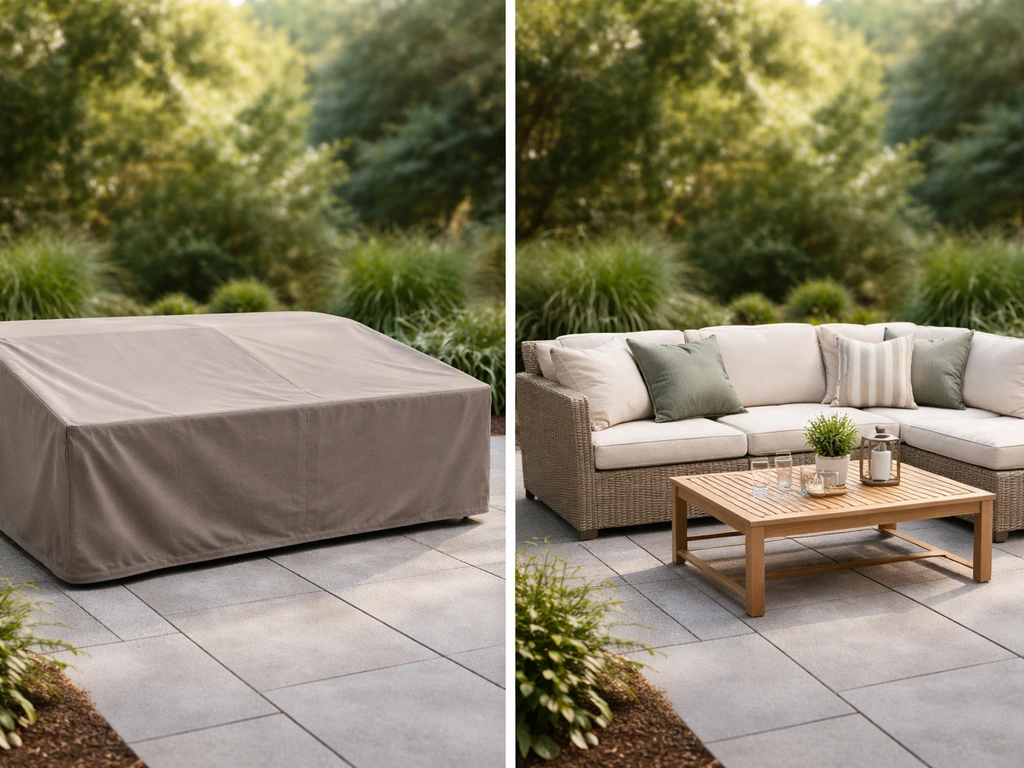
Whether your outdoor furniture is worth rehabbing comes down to three things: structural integrity, material type, and honest cost comparison. If the frame is sound and the finish is what's failing, a DIY rehab almost always makes financial sense. If the joints are cracked, the welds are splitting, or the frame itself is bent, you're better off replacing. The sweet spot for rehab is solid-framed furniture with surface damage: rust blooms on steel, peeling paint on aluminum, gray splintering teak, sun-faded resin, or mildew-stained cushions. All of those are fixable with the right products and a weekend of work.
Patio Furniture Rehab Reviews: What to Expect and DIY vs Hire

Holly Dawson
5 Jun 2026
What 'patio furniture rehab' actually means
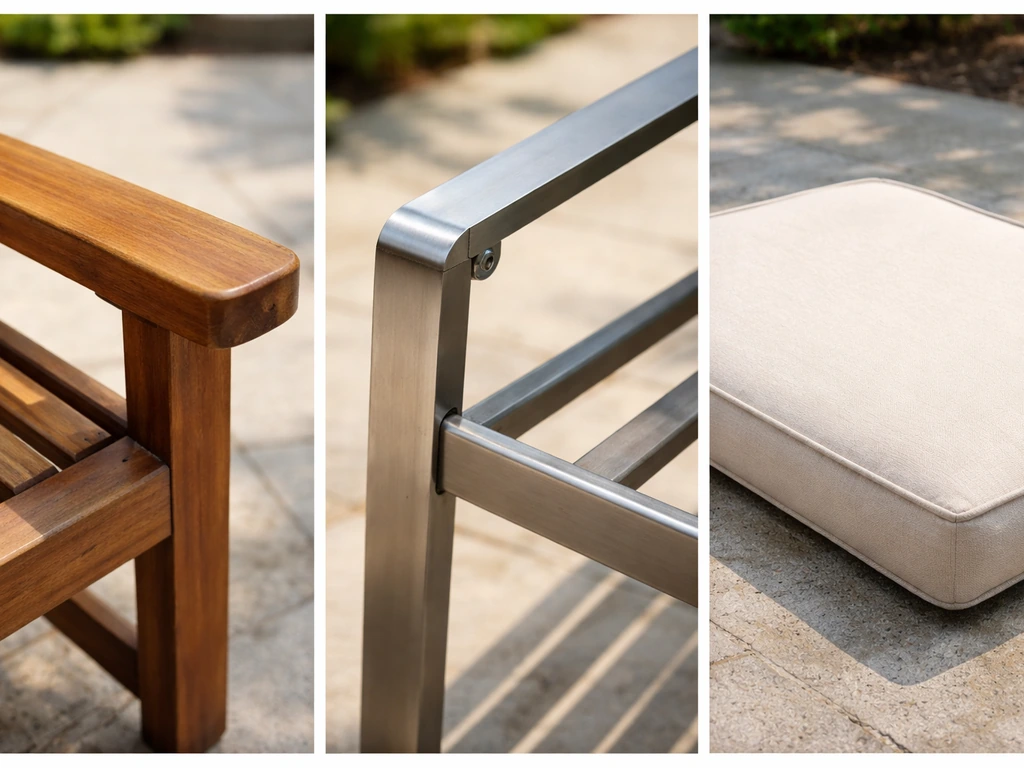
The word 'rehab' gets used loosely, and that matters when you're reading reviews or hiring a service. In the patio furniture world, it usually covers three overlapping processes: repair, refinishing, and restoration. Repair is structural, things like tightening loose joints, replacing broken sling straps, re-welding a cracked frame, or reweaving a section of wicker. Refinishing focuses on the surface finish: stripping old paint or sealant, sanding, and reapplying a protective coat or color.
Restoration is the whole package. Hoosier Refinishing describes “total restoration” as covering both full refinishing/protection steps and smaller repairs, matching the idea that restoration includes the entire process [Restoration is the whole package. ](https://www. hoosierrefinishing.
com/). A professional restoration service typically combines both repair and refinishing, potentially including powder-coating the metal frame, replacing worn fabric slings, and fitting custom Sunbrella cushions. Some providers explicitly offer complete outdoor patio furniture repair and restoration, including a new powder-coated finish, new fabric slings, and custom Sunbrella cushions [powder-coating the metal frame, replacing worn fabric slings, and fitting custom Sunbrella cushions](https://www. aceoutdoorrestoration.
com/). When reviewers use the word 'rehab,' they usually mean some combination of these, which is why the reviews can feel all over the map if you don't know what process they're actually describing.
It helps to get clear on what your furniture actually needs before you read any product review or service quote. A piece that just needs a deep clean and a fresh coat of sealer is a very different project from one that needs new sling fabric and a powder-coat finish. Lumping them together as 'rehab' is how people overspend or under-treat the problem.
Rehab or replace? How to make the call
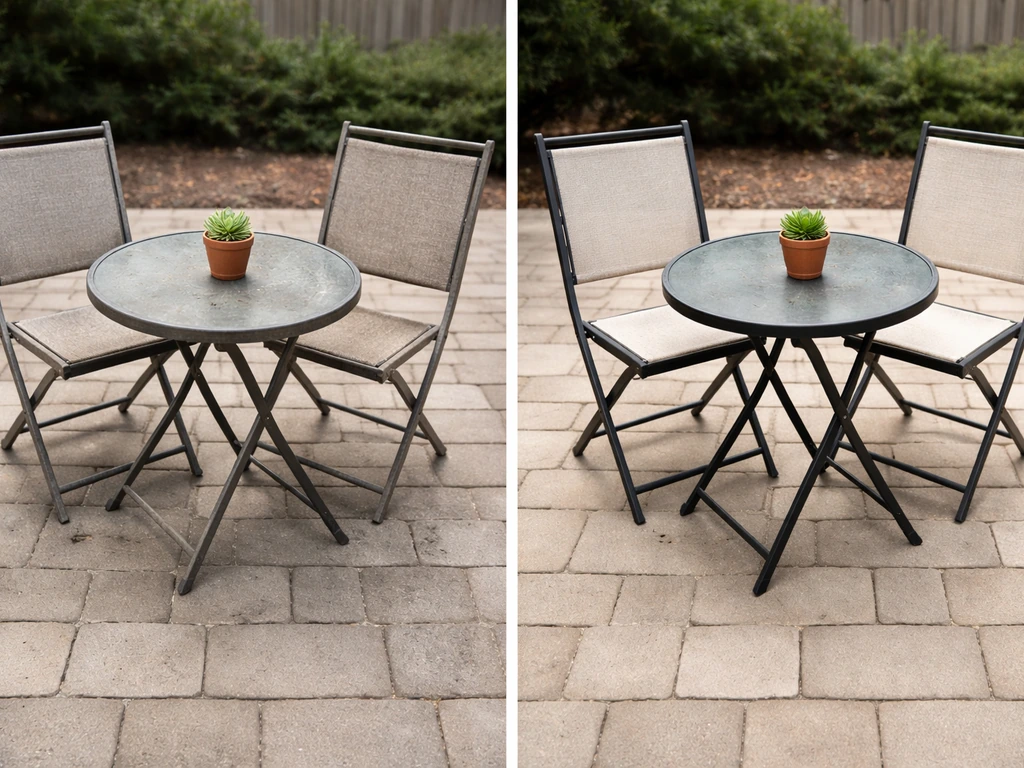
The most practical test is the 50% rule: if the cost of rehabbing (materials plus labor if you're hiring out) exceeds half the cost of a comparable new piece, replacement usually wins. That said, cost isn't the only factor. Safety and structural condition matter more than money. A chair with a cracked weld or a compromised joint is a liability, full stop. No amount of paint or sealant fixes a frame that might give way under a person.
Time and skill are the other honest inputs. A DIY rehab on a four-piece metal bistro set might run you $60 to $120 in materials and a Saturday afternoon. That same job hired out could be $300 to $600 depending on your market. A full professional restoration including powder coating, new slings, and custom cushions on a larger set can easily run $800 to $1,500+, and for that price you could buy a solid mid-range replacement set. Where professional restoration genuinely earns its cost is on high-quality, heirloom-grade pieces like cast aluminum, teak, or wrought iron furniture that would cost $2,000 or more to replace.
| Situation | Rehab Makes Sense | Replace Instead |
|---|---|---|
| Frame condition | Solid, no cracks or bent joints | Cracked welds, bent or broken frame |
| Surface damage | Rust, peeling paint, faded finish | Structural corrosion through the metal |
| Cost comparison | Rehab costs less than 50% of replacement | Rehab approaches or exceeds replacement cost |
| Material quality | Cast aluminum, teak, wrought iron, quality wicker | Thin tubular steel, cheap resin, low-grade plastic |
| Age and damage pattern | Surface wear from weather | Multiple failing systems at once (frame + fabric + finish) |
What to do by material type
The biggest mistake in patio furniture rehab is applying the wrong process for the material. What works beautifully on teak can ruin resin. Here's how to think about each material.
Wood (teak, eucalyptus, acacia)
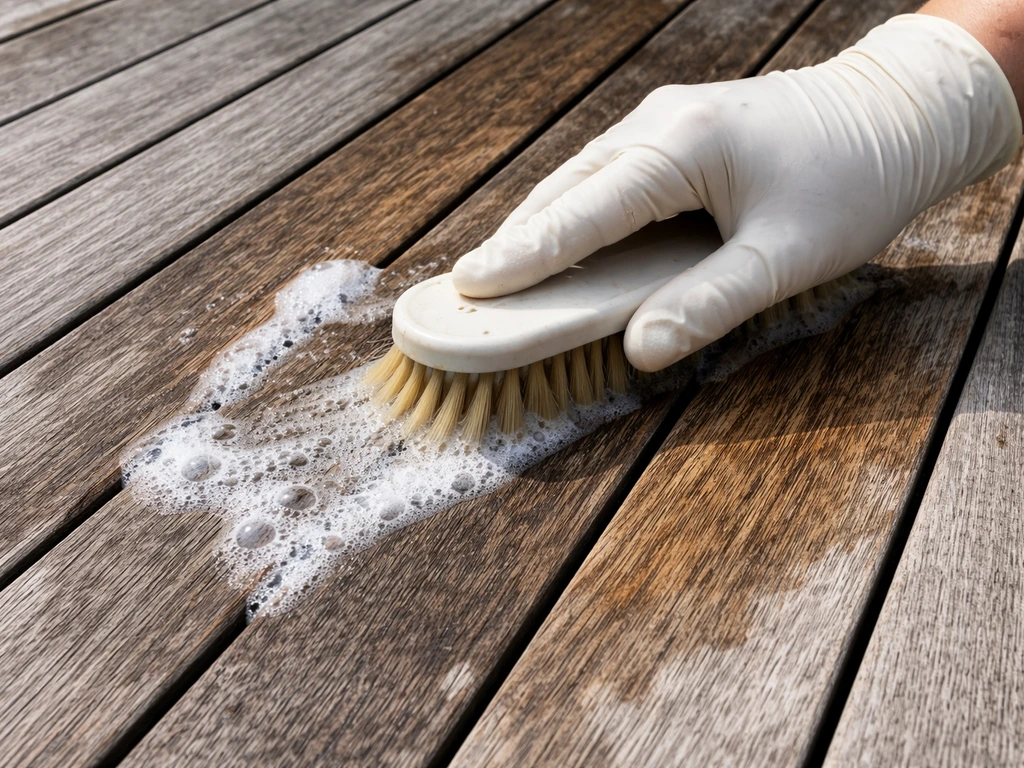
Weathered wood that's gone gray or silvery is often in better structural shape than it looks. The graying is a surface oxidation process, not rot. Start by cleaning with an oxalic acid-based wood cleaner, which lifts the gray and brightens the grain. After it dries thoroughly (48 hours minimum), sand lightly with 120-grit followed by 220-grit, working with the grain.
Then apply a penetrating teak oil, a UV-inhibiting outdoor sealer, or a teak-specific protectant depending on the species. Avoid film-forming varnishes on oily woods like teak because they peel within a season. For painted wood furniture (like some Pottery Barn and West Elm pieces), strip the old paint with a gel stripper, sand smooth, prime with an exterior primer, and finish with an outdoor enamel. That finish should last two to four seasons before it needs refreshing.
Metal (aluminum, wrought iron, tubular steel)
Metal rehab lives or dies on surface prep. Rust that isn't fully removed will bleed through any topcoat within a season. Use a wire brush or angle grinder with a wire wheel to remove active rust, then treat bare metal with a phosphoric acid converter to neutralize any rust you couldn't mechanically remove. Prime with a rust-inhibiting spray primer before any topcoat.
For color, a quality outdoor spray enamel (Rust-Oleum and Krylon both make formulas rated for outdoor metal) gives you solid results in two to three light coats. If you want a factory-finish look and durability, professional powder coating is genuinely worth it on quality cast aluminum or wrought iron. It's typically $100 to $250 per piece depending on complexity, and it holds up dramatically better than spray paint.
For budget-tier pieces from brands like Costway or similar, powder coating often costs more than the furniture is worth, so a quality spray enamel is the right call.
Wicker and rattan
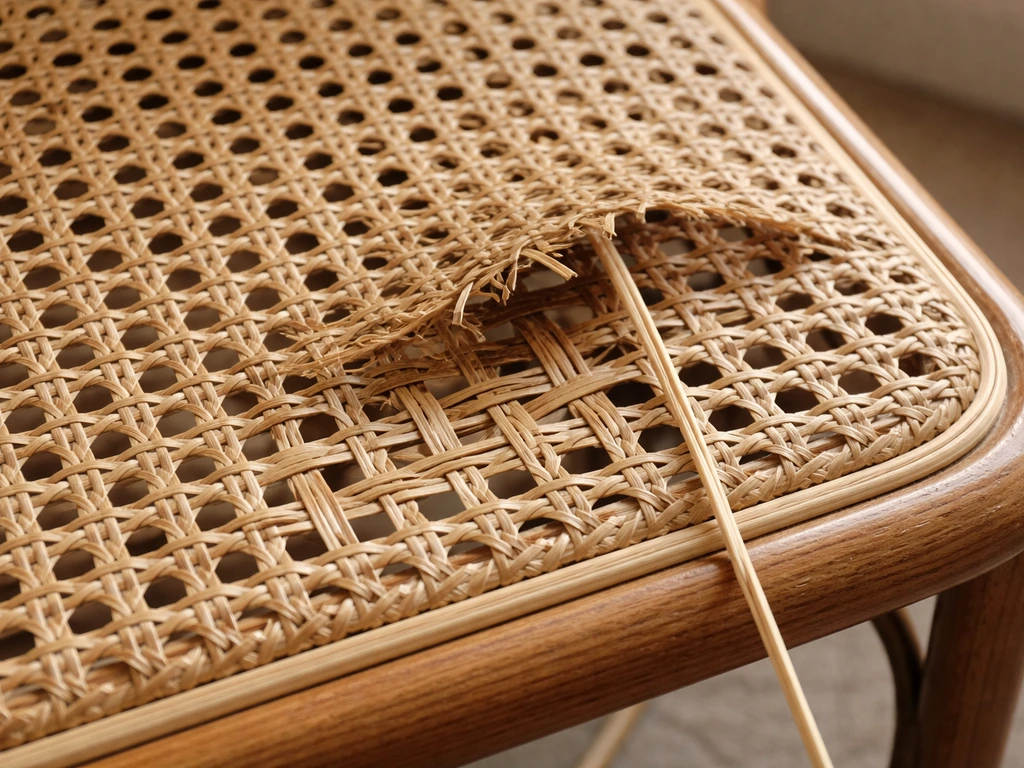
Natural rattan and wicker need to be distinguished from synthetic resin wicker because the rehab approaches differ. Natural rattan can dry out and crack in sun and low humidity. Clean it with a diluted mild detergent, rinse thoroughly, and once dry, apply a penetrating linseed or tung oil to re-moisturize the fibers. Broken weave strands can be re-woven with replacement reed or rattan from craft suppliers, and this is more manageable than it looks on chairs with simple patterns.
Seal finished natural wicker with a water-based exterior polyurethane to protect against moisture. Synthetic resin wicker (which is what most outdoor furniture sold today uses) is far more durable but can become brittle with age and UV exposure. Clean with a soft brush and mild cleaner, check all the frame joints, and apply a UV protectant spray.
Broken strands on resin wicker are very difficult to match and re-weave cleanly, so if more than a few strands are broken, replacement cushions or a slipcover is often a better cosmetic fix.
Resin and plastic
Plastic and resin furniture is the most limited material to rehab because the surface doesn't accept coatings well without significant prep. Start with a heavy-duty cleaner like Simple Green or a dedicated plastic cleaner to remove oxidation and chalking. For deeply oxidized resin, a light wet sanding with 400-grit can restore surface smoothness.
You can spray-paint resin furniture with a paint formulated specifically for plastic (look for 'plastic fusion' or 'flexible' on the label), but adhesion is always the limiting factor: these finishes tend to chip and peel faster than on metal or wood, especially in high-traffic pieces like chairs. The honest ceiling for resin rehab is usually cosmetic improvement, not a durable multi-season finish.
If a resin piece is structurally sound but looks tired, aggressive cleaning and a UV protectant spray is often the most cost-effective fix.
Cushions and fabric
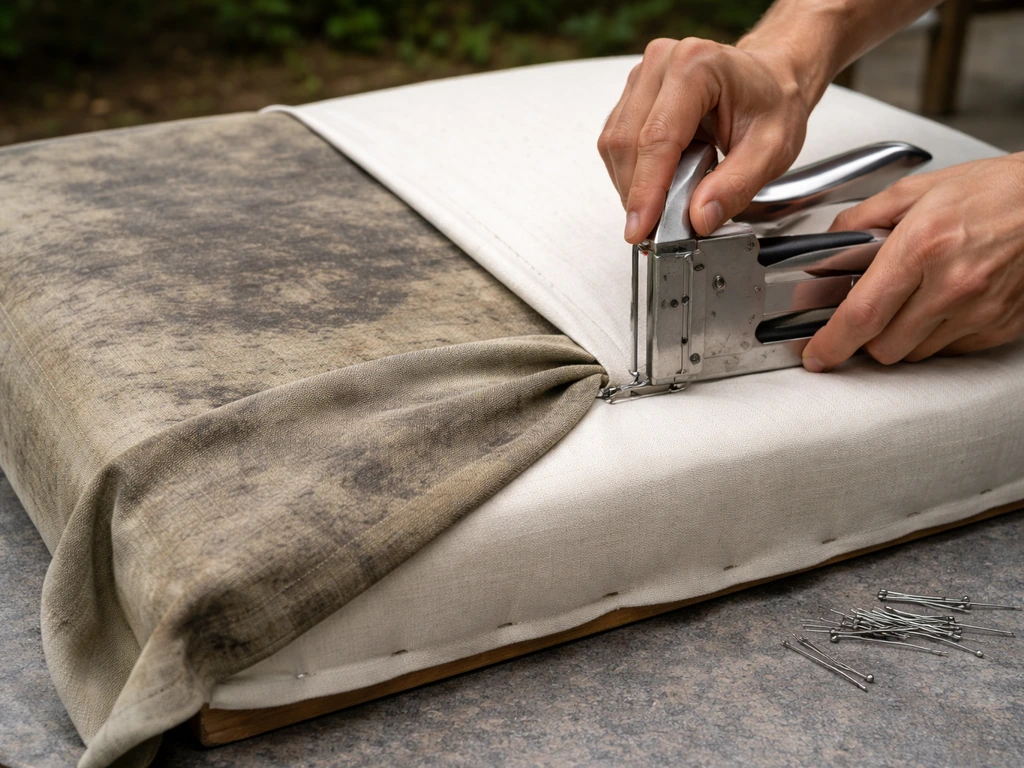
Cushions are frequently the first thing to fail, and replacing or rehabbing them can make even tired-looking furniture feel new. For mildew, a mixture of one cup bleach to one gallon of water, applied with a soft brush, scrubbed in, and rinsed thoroughly, clears most surface mildew. For non-bleachable fabrics, oxygen-based cleaners like OxiClean work well and are safer for colored prints.
Once clean, treat fabric with a fabric protector like Scotchgard Outdoor or 303 Fabric Guard to restore water repellency. If the cushion cores are compressed or waterlogged to the point they won't dry out, replacement foam is often more economical than buying new complete cushions. Standard outdoor foam (closed-cell or dry-fast foam) is available by the yard from fabric suppliers in several thicknesses.
If you're sizing up at the same time, this is a good moment to look at Sunbrella-covered replacement cushions, which reviewers consistently rate as the most durable outdoor fabric option regardless of the furniture brand.
How to approach a rehab project start to finish
Before buying anything, do a full condition assessment. Flip every piece over, check welds and joints, flex the frame, check for soft spots in wood, and catalog what's actually failing. This takes 20 minutes and will save you from buying the wrong products.
- Assess condition: frame integrity, finish damage, fabric state, hardware rust
- Decide scope: is this cleaning and protecting, or stripping and refinishing?
- Gather supplies before starting so you're not stopping mid-project
- Clean thoroughly and let everything dry completely before applying any finish or coating
- Do surface prep (sanding, stripping, rust removal) before any primer or sealer
- Apply primer where needed, then finish coats in thin layers rather than one heavy coat
- Allow full cure time before putting the furniture back in use (check product labels; most outdoor enamels need 24 to 72 hours to fully harden)
- Apply a final protectant or sealer appropriate to the material
- Cover the furniture or store it during the off-season to extend your rehab work
Realistically, a single chair or small bistro set is a four to six hour project spread across two days (one day for prep and first coats, one day for final coats and cure time). A full six to eight piece sectional set is a weekend project minimum. If you're paying a professional, get quotes from at least two restoration services and ask specifically whether they do powder coating in-house or send it out, since that affects both price and turnaround time.
What reviewers actually pay attention to
When you read rehab product reviews or reviews of restored furniture, the complaints cluster around a predictable set of failure modes. When you’re looking for anmutig patio furniture reviews, focus on whether the refurbishing details match the material and finish that need repair. Understanding those patterns helps you weight reviews correctly.
- Finish peeling or chipping within one season: almost always a surface prep failure, not a product failure. Reviews blaming the paint often reveal in the details that the person skipped primer or painted over rust.
- Rust recurrence under paint: points to incomplete rust removal or using an interior primer outdoors. Look for reviews that mention phosphoric acid treatment or rust-converting primer for more reliable real-world results.
- Color mismatch after rehab: very common with metal furniture because the original finish was powder-coated and spray enamel never perfectly matches that texture. Reviews that call this out are being accurate, not picky.
- Water resistance degrading quickly: often means the sealer or protectant was applied to wet or incompletely dry surfaces. Reviewer timelines matter here.
- Comfort after rehab: for cushion replacements, pay attention to reviews that mention foam density and how it feels after a full summer, not just day one.
- Long-term maintenance burden: the best rehab results still need refreshing every two to four seasons depending on climate. Reviews mentioning zero maintenance after treatment should be read skeptically.
For premium furniture brands like Frontgate, Pottery Barn, and West Elm, reviewers tend to be more demanding about finish quality after rehab because they have a known baseline from the original product. For budget-tier pieces from brands like Costway or Temu, reviewers often note that the base material quality limits what rehab can accomplish, particularly on thin tubular steel frames and low-density resin. That's a useful signal: if the original construction was marginal, even a perfect rehab job is working against the material.
Products and brands worth considering for rehab and outdoor care
These are categories and products that consistently turn up in positive reviewer experiences across both professional and DIY rehab projects.
| Category | Recommended Products | Best For |
|---|---|---|
| Rust treatment | Rust-Oleum Rust Reformer, Corroseal | Steel and wrought iron before priming |
| Metal primer | Rust-Oleum Clean Metal Primer, Zinsser Bulls Eye 1-2-3 (exterior) | All metal surfaces before topcoat |
| Outdoor spray paint | Rust-Oleum Protective Enamel, Krylon Fusion All-In-One | Metal and some plastics; good adhesion |
| Wood cleaner/brightener | Star Brite Teak Cleaner, Daly's Wood Brightener, oxalic acid solutions | Teak, eucalyptus, acacia |
| Wood sealer/oil | Star Brite Premium Teak Oil, Penofin Hardwood Formula | Penetrating protection for hardwood furniture |
| Fabric protector | 303 Aerospace Fabric Guard, Scotchgard Outdoor Water Shield | Cushion fabric, umbrella canopies |
| Mildew cleaner | Wet & Forget Outdoor, diluted bleach solution, OxiClean Outdoor | Cushions, resin, wicker |
| UV protectant | 303 Aerospace Protectant, Meguiar's Marine/RV UV Protectant | Resin, synthetic wicker, rubber trim |
| Furniture covers | Classic Accessories Ravenna series, Duck Covers, Covermates | Off-season and storm protection for all materials |
For anyone considering professional restoration, the services that explicitly offer powder coating, sling replacement, and Sunbrella cushion fabrication as part of a complete package are worth the premium over basic repaint services, particularly for cast aluminum and wrought iron pieces. The powder coat finish is genuinely more durable than any DIY spray enamel in outdoor conditions, and replacement Sunbrella slings and cushions outlast original OEM fabric on most mid-range brands.
How to find and evaluate rehab reviews you can actually trust
The biggest trap with rehab product reviews is that short-term and long-term results look completely different. A finish that looks great after one week and one that holds up through two winters are not the same product, but both get five-star reviews if the reviewer posted too early. Here's how to filter for reviews that actually tell you something. When you evaluate patio furniture supplies reviews, look for mentions of the prep, application, and durability timeline, not just first impressions.
- Filter for reviews from at least one full season ago, ideally two. Look for language like 'second summer' or 'after winter storage' as signals of useful time range.
- Weight reviews from people who describe their climate. A product that holds up in Arizona sun means something different than one tested in coastal humidity. Match review conditions to yours.
- Look for reviewer specifics: material, prep steps, number of coats, and application conditions. Vague five-star reviews ('great product!') tell you almost nothing about real-world durability.
- Expert reviews (from outdoor living sites, home improvement publications, or dedicated patio furniture review resources) tend to do controlled comparisons across product categories, which helps you benchmark. User reviews are better for real-world failure modes and long-term wear.
- For furniture brand reviews specifically, note whether reviewers mention the original finish quality vs post-rehab quality. For budget furniture brands, low scores for 'finish durability' at year three may say more about the original powder coat than about rehab potential.
- Watch for reviewer complaints about adhesion or peeling that coincide with skipped prep steps. These are user-error reviews, not product failures, and they can unfairly drag down otherwise reliable products.
- When reading service provider reviews (professional restoration companies), look for before/after photo evidence and reviews that mention how the furniture held up at the one-year and two-year mark, not just immediately after the job.
It's also worth cross-referencing reviews of the furniture brands themselves when you're deciding whether to rehab. If a set of Pottery Barn outdoor chairs consistently gets high marks for frame quality and durability in owner reviews, that's a piece worth investing real rehab effort into. If a budget set from a lower-tier brand gets persistent structural complaints even from new buyers, a cosmetic rehab is unlikely to fundamentally change the ownership experience.
For a deeper look at how specific brands and models perform over time, checking dedicated patio furniture review resources that compare products across price tiers gives you a much more reliable baseline than a random assortment of Amazon reviews. If you want faster, more relevant guidance, use patio furniture reviews that compare durability across materials and price tiers, not just looks after a fresh rehab.
If you’re trying to gauge whether a specific brand is worth rehabbing or replacing, patio kingdom furniture reviews can help you compare real-world performance and build quality patio furniture review resources. If you want patio festival furniture reviews that are actually comparable, prioritize sources that test the same materials in real outdoor conditions. You can also compare patio furniture supplies reviews to choose the right cleaners, sealers, and coatings for the material you have.
For more context, a good patio furniture review can help you compare how different restoration approaches hold up over time.
If you're also evaluating other specialists in outdoor furniture care, like patio furniture supply stores or liquidators that sell restoration materials and replacement parts, the same review evaluation framework applies. Look for documented long-term results, climate-specific feedback, and reviewers who describe their prep process. That's the filter that separates genuinely useful reviews from wishful thinking.
FAQ
How can I tell whether my patio furniture needs stripping versus just cleaning and a new protective coat?
Before you spend on products, confirm the finish type by checking a hidden spot for paint, stain, or oil sheen. If you see flaking or peeling, assume surface coating failure and plan for stripping and re-priming (wood or metal). If it’s just sun fading, you may only need cleaning plus UV protection.
Can I successfully rehab furniture if the frame looks a bit damaged or wobbly?
Yes, but only when the frame is sound. For metal, do not assume a rust stain means “just clean it,” if the welds or joints look pitted or loose, replacement is safer. For wood, don’t chase cosmetic gray if the piece flexes or has soft spots, treat structural weakness first.
What questions should I ask a restoration service when reading patio furniture rehab reviews?
When reviews mention “restoration,” ask what portion is repair, refinishing, and restoration, and whether powder coating is included for metal. If they only repaint, you can expect shorter outdoor lifespan in wet or high-UV climates, especially if rust isn’t fully neutralized and primed.
What’s the best DIY rehab order of operations so I don’t waste money?
If the piece is “solid framed” but you want a weekend DIY job, handle cushions and surface refresh first, then move to refinishing after the structure is confirmed tight. Keep separate budgets and do not buy expensive coatings before you confirm whether you have rust-through, rot, or failed joints.
What should I do if my metal coating starts peeling or rust bleeds through after rehab?
If you’re rehabbing metal and see rust that returns quickly, that usually means incomplete prep, missing converter treatment, or a primer mismatch. A practical diagnostic is to scrape to bare metal in one spot and see how deep the rust goes, if it’s spreading under paint, repainting over it is unlikely to hold.
Why do some teak rehab results fail even when the job “looks right” at first?
For teak and other oily woods, avoid film-forming varnishes because they create a skin that can peel as the wood oils and weather cycles shift. If your current finish is peeling, plan for strip-and-reprime style work rather than sanding and oiling over flaky layers.
Is it worth trying to repair broken resin wicker strands, or should I replace cushions/slipcovers?
For resin wicker, matching and reweaving broken strands is usually the hardest part and often not worth it. If only a small section is damaged, consider replacing a few affected strands or using a slipcover, but for frequent strand breaks, replacement cushions or a new cover often gives the best appearance per dollar.
How long should I wait before using the furniture after DIY refinishing or hired powder coating?
Budget for cure and weather windows: outdoor enamel and powder coatings need full cure before heavy use. Also plan your schedule around humidity and rain, if you apply coats in damp conditions, you can get soft cure, uneven sheen, or premature wear even when the product is correct.
When a review is about rehab, does it matter if slings or cushions were replaced versus reused?
Yes, and it impacts cost and results. If your furniture uses slings, ask whether sling fabric replacement is included or if only frames get refinished. Reviews are often misleading when people show “rebuilt look” photos but did not replace slings that drive comfort and water retention.
How do I decide whether to replace cushion foam or just clean the covers and treat fabric?
If a cushion core is permanently compressed or won’t dry within 48 hours after cleaning, replacement is usually more economical and healthier than “rehabbing” the same foam. Also confirm whether the fabric is salvageable, mildew can remain in cores and reappear after the first season.
How do I compare restoration quotes so patio furniture rehab reviews translate into real expectations?
Getting quotes from at least two services helps, but also compare what’s in their scope: rust removal method, primer type, whether powder coating is in-house or outsourced, and whether they handle reweaving/replacing parts. A low quote that doesn’t specify prep steps often correlates with short-lived results.
When should I stop rehab planning and switch to replacement, even if reviews look positive?
A good rule is that “more rehab” does not always mean “better durability,” especially for resin and budget-tier frames. If the original construction has persistent complaints about looseness, corrosion, or structural failure, cosmetic rehab can improve appearance but not fix the underlying failure mechanism.
Next Article
Patio Furniture Supplies Reviews: Costway to Frontgate Picks
Compare patio furniture supplies accessories from Costway and Temu to Frontgate, using reviews to pick covers, cushions,